New Mexico Chile

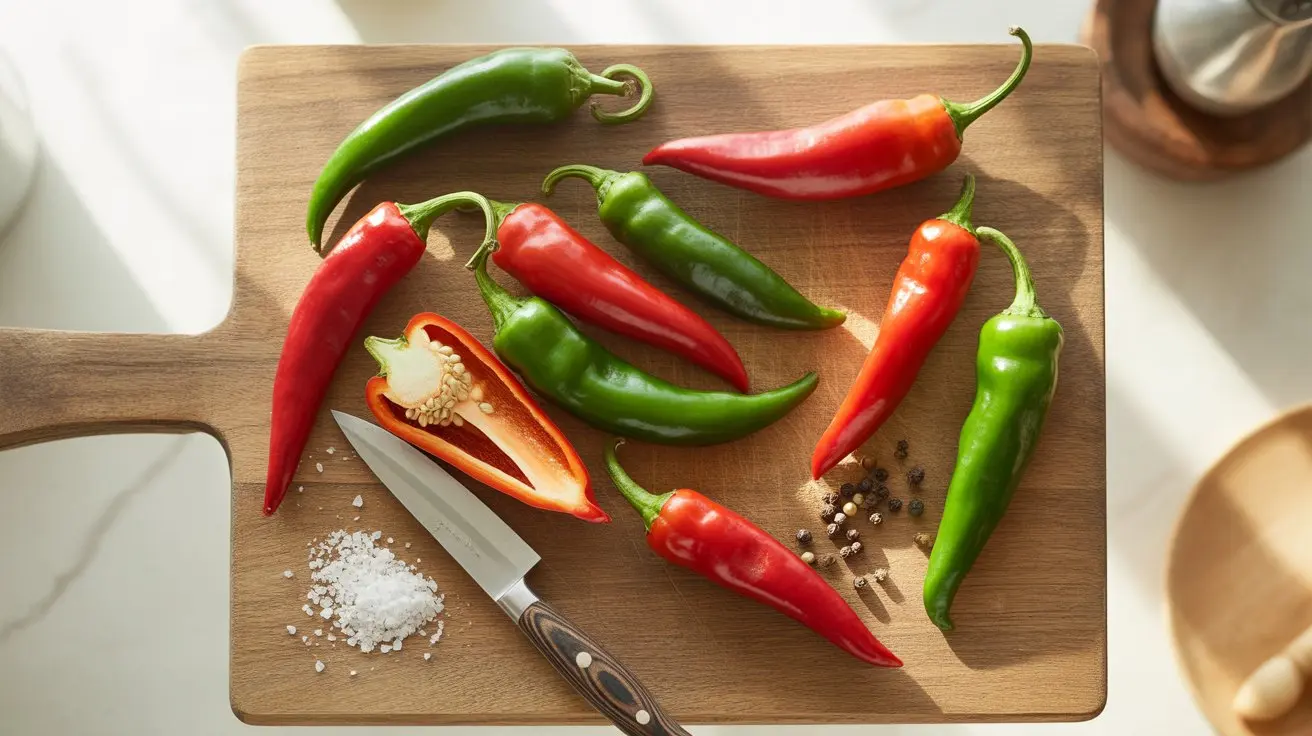
Most people assume the New Mexico chile is just a renamed Anaheim. It isn't. Bred specifically for the Southwest's climate and flavor demands, this C. annuum registers 1,000–8,000 SHU — earthy, slightly sweet, and deeply savory in a way that sets it apart from most medium-heat peppers you'll encounter.
- Species: C. annuum
- Heat tier: Medium (1K–10K SHU)
- Comparison: 2x hotter than a jalapeño
What is New Mexico Chile?
Here's something that trips up even experienced cooks: the New Mexico chile and the Anaheim pepper share common ancestry, but they've diverged significantly through decades of selective breeding. The side-by-side breakdown between Anaheim and New Mexico chile tells the story clearly — the New Mexico variety carries noticeably more complexity and a deeper earthiness.
At 1,000–8,000 SHU, the heat range is wide. Some pods from the same plant can be nearly mild; others hit the upper register with real presence. That variability is part of the variety's character, not a flaw.
The pod itself is elongated — typically 6–9 inches — with smooth, waxy skin that transitions from green to red as it matures. Green pods deliver a grassy, vegetal bite; red pods (often dried into ristras) develop a richer, slightly fruity sweetness with more pronounced earthiness.
This pepper is the backbone of New Mexican cuisine. Red or green chile sauce isn't a condiment here — it's a foundation. Restaurants ask "red or green?" as a matter of course, and locals have strong opinions. The American Southwest's deep pepper-growing tradition runs directly through this variety.
It belongs to Capsicum annuum, the most widely cultivated pepper species on the planet, which includes everything from bells to cayennes.
History & Origin of New Mexico Chile
The New Mexico chile's lineage traces back to 1894, when Fabian Garcia at New Mexico State University began systematically selecting and improving native chile varieties grown by Spanish settlers and Pueblo peoples. His work culminated in the release of New Mexico No. 9 in 1913 — the first standardized chile cultivar bred for consistent flavor and heat.
Subsequent breeders at NMSU continued refining the line, producing the widely grown NuMex series. Roy Nakayama's work in the mid-20th century pushed yields higher and flavor profiles deeper.
The Hatch Valley's consistent warm-season growing conditions — alkaline soil, high altitude, wide diurnal temperature swings — became so associated with premium New Mexico chiles that 'Hatch' effectively became a regional brand. Hatch chiles are New Mexico chiles grown in that specific valley, not a separate botanical variety.
How Hot is New Mexico Chile? Heat Level & Flavor
The New Mexico Chile delivers 1K–8K Scoville Heat Units, placing it in the Medium tier (1K–10K SHU). That makes it roughly 2x hotter than a jalapeño.
Flavor notes: earthy and sweet.
New Mexico Chile Nutrition Facts & Health Benefits
A 100g serving of fresh New Mexico chile delivers roughly 40 calories, 9g carbohydrates, and 1.5g protein. Red ripe pods carry significantly more vitamin C than green — sometimes 200% of daily value or higher.
Both colors provide vitamin A, potassium, and vitamin B6. Capsaicin, the compound responsible for heat, has documented anti-inflammatory properties according to research from the [Chile Pepper Institute at NMSU](https://cpi.nmsu.edu/).
Dried red chile powder is calorie-dense by weight but used in small quantities — it's primarily valued for its iron and vitamin A content in that form.
Best Ways to Cook with New Mexico Chile Peppers
Red and green New Mexico chiles are essentially different ingredients despite coming from the same plant. Green chiles (roasted and peeled) go into stews, egg dishes, and green chile sauce — bright, grassy, with moderate heat. Red chiles (dried and rehydrated, or ground into powder) anchor red chile sauce, enchiladas, and posole with a deeper, earthier profile.
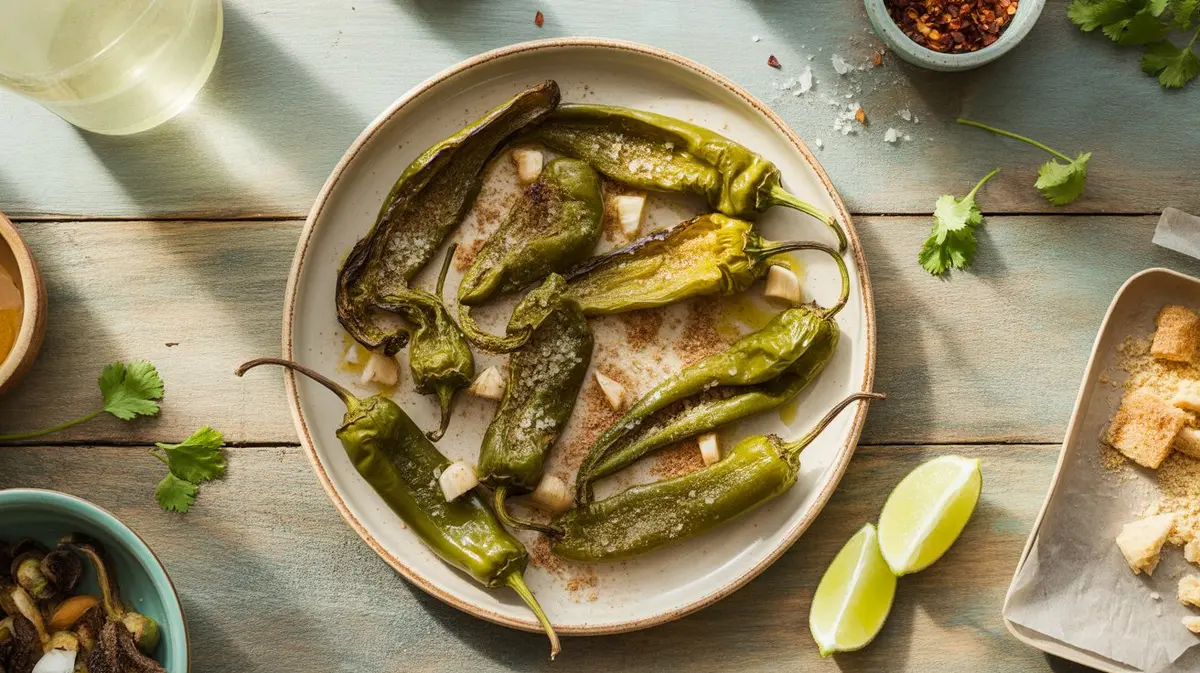
Roasting is non-negotiable for fresh green pods. A direct flame or broiler chars the skin, which peels away to reveal smoky, tender flesh underneath. This step transforms the pepper entirely.
For dried red pods: toast briefly in a dry pan, then rehydrate in hot water for 15–20 minutes before blending into sauce. The soaking liquid carries flavor — use it.
Paired with pork, the earthiness of red New Mexico chile is exceptional. It also works well in pepper jack queso preparation and anywhere you want depth without aggressive heat.
Compared to the smoky, concentrated flavor of dried chipotle, New Mexico chile is cleaner and less intense — better for high-volume sauces where you want chile flavor without smoke dominance.
Pickling green pods is straightforward; the step-by-step pickling guide applies directly here.
Where to Buy New Mexico Chile & How to Store
Fresh green New Mexico chiles peak from late July through September. Look for firm, glossy pods without soft spots. Farmers markets in the Southwest sell them by the bag or roasted on-site during harvest season.
Fresh pods keep 1–2 weeks refrigerated, unwashed. Roasted and peeled chiles freeze beautifully — portion into 1-cup bags and freeze for up to 12 months without significant flavor loss.
Dried red pods should feel leathery but pliable, not brittle. Store in a cool, dark place in an airtight container. Ground red chile powder stays potent for about 1 year before flavor fades noticeably.
Best New Mexico Chile Substitutes & Alternatives
Whether you ran out of new mexico chile or just want to try something different, these peppers make solid stand-ins. We picked them based on heat range, flavor overlap, and how well they actually work in the same dishes.
Our top pick: Puya Pepper (5K–8K SHU). Same species (C. annuum) and nearly the same heat, so it swaps in at a 1:1 ratio without changing the character of the dish. The flavor leans fruity and smoky, which is close enough that most people won’t notice the difference in a cooked recipe.
How to Grow New Mexico Chile Peppers
New Mexico chile thrives in hot, dry conditions — it was bred for the Southwest's climate. That said, it performs well across C. annuum growing zones wherever summers are long and warm.
Start seeds indoors 8–10 weeks before last frost. Germination is reliable at 80–85°F soil temperature. Transplant after nighttime temps stay consistently above 55°F.
Spacing matters: 18–24 inches between plants. These grow 2–3 feet tall with decent lateral spread, and heavy pod sets benefit from cage support.
Water deeply but infrequently — the plants prefer drying out slightly between waterings. Overwatering produces lush foliage but muted flavor. Alkaline, well-draining soil mimics native conditions and tends to concentrate the earthy sweetness the variety is known for.
Full sun is essential. Less than 6 hours of direct light and you'll get reduced yields and washed-out flavor.
For red pods, leave fruit on the plant until fully colored — 75–80 days from transplant for green, add another 2–3 weeks for red. Harvest the entire crop before first frost and hang to dry if needed.
Compared to the similarly structured Hungarian wax pepper's medium-heat growing habits, New Mexico chile demands more heat accumulation to develop full flavor.
Frequently Asked Questions
-
Hatch chiles are New Mexico chiles grown specifically in the Hatch Valley of southern New Mexico — the variety is the same, but the terroir differs. The valley's alkaline soil and high-altitude temperature swings produce pods with a reputation for exceptional flavor that commands a price premium.
-
New Mexico chiles typically run hotter and more flavorful than Anaheim peppers, which cap out around 2,500 SHU on the low end. The New Mexico variety can reach 8,000 SHU at its upper range, and the earthier flavor profile is noticeably more complex even at equivalent heat levels.
-
Yes, with some adjustment — guajillo runs slightly hotter and carries a sharper, fruitier note compared to the earthier New Mexico chile. The substitution works well in sauces and braises; use equal amounts and expect a milder, less acidic result with New Mexico chile.
-
Green chiles are harvested unripe and have a grassy, bright flavor that works best fresh or roasted. Red chiles are fully ripened pods — dried or fresh — with a sweeter, earthier, more concentrated flavor suited to long-cooked sauces and powders.
-
Place whole pods directly over a gas flame or under a broiler, turning until the skin is evenly charred — about 5–8 minutes total. Immediately transfer to a sealed bag or covered bowl for 10–15 minutes, then peel; the steam loosens the skin completely.
- Chile Pepper Institute — New Mexico State University
- NMSU Extension — Chile Production in New Mexico
- USDA Agricultural Research Service — Capsicum Breeding
Species classification: C. annuum — based on published botanical taxonomy.