Malagueta

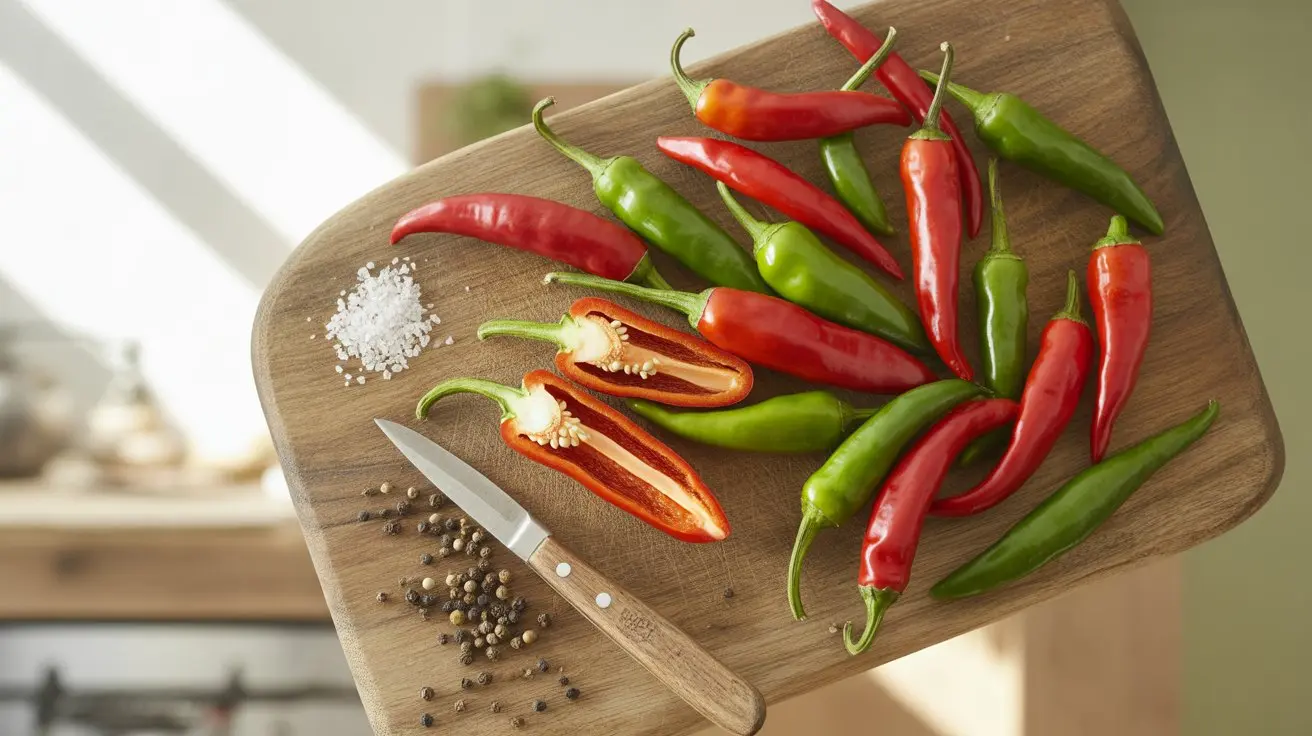
The malagueta is Brazil's most iconic chili, burning at 60,000-100,000 SHU with a bright, citrusy snap that hits fast and fades clean. A C. frutescens species pepper, it sits firmly in the extra-hot category and anchors everything from street-food sauces to traditional cachaça infusions. Compact plants and prolific fruiting make it a rewarding garden pepper.
- Species: C. frutescens
- Heat tier: Extra-Hot (100K–1M SHU)
- Comparison: 20x hotter than a jalapeño
What is Malagueta?
Malagueta punches well above its small frame. The tapered pods rarely exceed 2 cm, but that initial citrus brightness gives way to a fierce, sustained heat that gardeners and cooks respect equally.
At 60,000-100,000 SHU, it lands in the same intensity bracket as the sharp, fiery burn of bird's eye chili - though malagueta carries a distinctly more citrus-forward character that makes it immediately recognizable in Brazilian cuisine.
The plant itself is a C. frutescens type, which means it shares botanical DNA with tabasco peppers - upright-fruiting, compact, and remarkably productive across a long growing season. Pods ripen from green through yellow to a deep red, and each stage carries a slightly different flavor intensity.
Growing malagueta rewards patience. The plants take time to establish but eventually become woody, semi-perennial shrubs in warm climates. In containers, they stay manageable at 60-90 cm tall while still delivering hundreds of pods per season.
For cooks, the Brazilian pepper tradition built around malagueta is hard to overstate - this is the pepper in pimenta malagueta sauce, the one floating in olive oil on restaurant tables across São Paulo and Salvador. Its bright heat profile opens it to more uses than its SHU suggests.
History & Origin of Malagueta
Malagueta's name likely traces back to Melegueta pepper (Aframomum melegueta), a West African spice that Portuguese traders carried along the same Atlantic routes that eventually brought Brazilian chilis to global attention. The naming overlap confused early botanists for centuries.
The pepper itself is native to Brazil, where indigenous populations cultivated C. frutescens varieties long before Portuguese colonization in the 1500s. Colonial trade networks then spread malagueta throughout Portugal, West Africa, and the Azores, where it remains a staple today.
In Brazil, the pepper became central to Afro-Brazilian cuisine, particularly in Bahia, where it appears in dendê oil-based dishes and acarajé street food. That culinary heritage has kept malagueta deeply embedded in Brazilian food culture for over 500 years.
How Hot is Malagueta? Heat Level & Flavor
The Malagueta delivers 60K–100K Scoville Heat Units, placing it in the Extra-Hot tier (100K–1M SHU). That makes it roughly 20x hotter than a jalapeño.
Flavor notes: bright and citrusy.
Malagueta Nutrition Facts & Health Benefits
Like most hot peppers in this SHU range, malagueta delivers meaningful nutritional value in small servings. Fresh pods are high in vitamin C - a single gram of fresh pepper can contain more than many common vegetables.
Capsaicin, the compound responsible for malagueta's heat, has documented associations with metabolic support and anti-inflammatory effects in peer-reviewed research. The chemistry behind how capsaicin binds heat receptors explains why the burn feels so immediate despite the small pod size.
Malagueta also contains vitamin A, potassium, and dietary fiber. Caloric load is negligible - relevant nutrition here is micronutrient density, not macros.
Best Ways to Cook with Malagueta Peppers
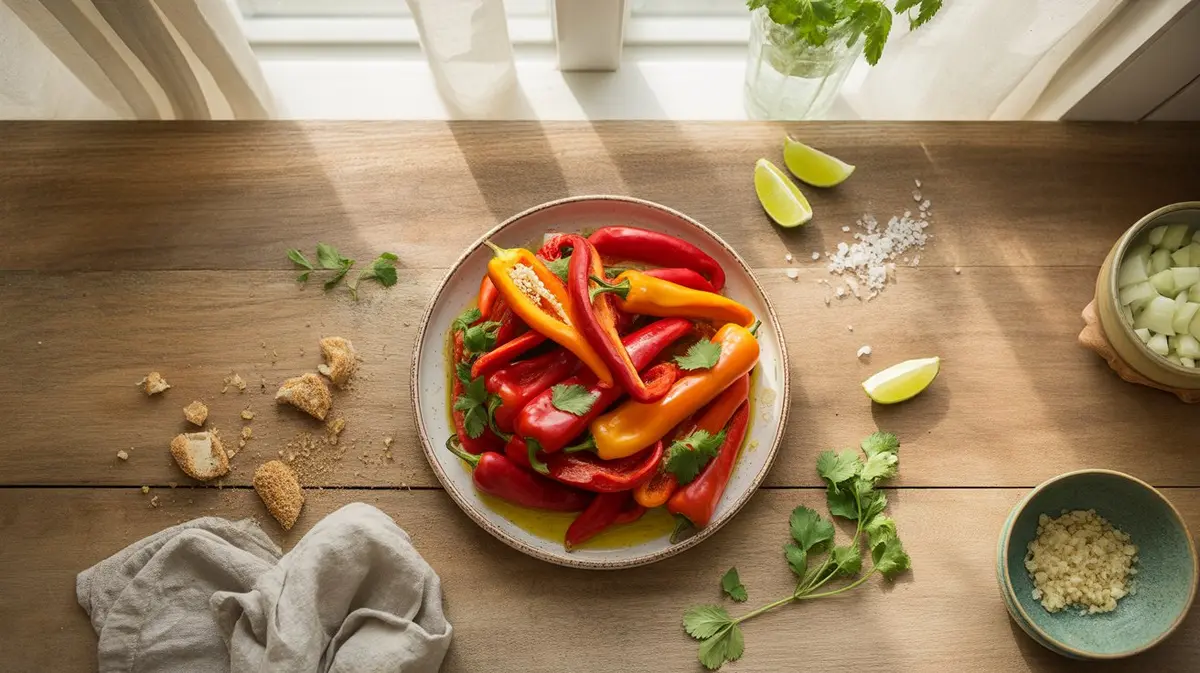
Malagueta's citrusy brightness makes it a natural fit for acidic preparations. The classic application is pimenta malagueta em azeite - fresh or dried pods steeped in olive oil or cachaça, served tableside for individual heat adjustment.
For hot sauces, the fresh pods blend smoothly with lime juice, garlic, and salt. The citrus notes amplify rather than compete with acidic bases, which is why malagueta works so well in vinegar-forward condiments.
Dried malagueta behaves differently - the heat concentrates while the citrus recedes, producing a more straightforward burn. Dried pods work well ground into spice blends or added whole to stews and bean dishes like feijoada.
If you're substituting, the peachy-sweet heat of Sugar Rush varieties can approximate the fruity brightness, though the flavor profile shifts considerably. For pure heat matching, the sharp intensity typical of Thai Chili's slender pods sits in the same SHU range.
Fresh malagueta also works well muddled into caipirinhas for a heat-forward cocktail variation - a use that has spread beyond Brazil into cocktail bars worldwide.
Where to Buy Malagueta & How to Store
Fresh malagueta is difficult to source outside Brazil and Portuguese communities, though Latin American grocery stores sometimes carry them. More reliably, look for bottled pimenta malagueta in brine or oil - these preserve the flavor reasonably well and are shelf-stable.
Dried whole pods and malagueta-based hot sauces appear on specialty import sites year-round. For growing your own, several reputable seed suppliers stock authentic Brazilian-sourced seeds.
Fresh pods keep 1-2 weeks refrigerated in a paper bag. Dried pods stored in an airtight container away from light hold potency for up to 12 months. Freeze fresh pods whole for longer storage - they retain heat well though texture softens.
Best Malagueta Substitutes & Alternatives
Whether you ran out of malagueta or just want to try something different, these peppers make solid stand-ins. We picked them based on heat range, flavor overlap, and how well they actually work in the same dishes.
Our top pick: Apollo Pepper (50K–100K SHU). The heat level is close enough for a direct swap in salsas, sauces, and stir-fries. Flavor leans bright and crisp, so the taste will shift a bit — but the overall heat stays in the same range.
How to Grow Malagueta Peppers
Malagueta is a grower's pepper in the best sense - challenging enough to be interesting, rewarding enough to keep you coming back. Start seeds indoors 10-12 weeks before last frost, as C. frutescens types germinate slower than annuum varieties and need soil temperatures above 27°C to sprout reliably.
For container growing, check the container pepper guide before committing to pot size - malagueta's woody stems and extensive root system do best in 12-15 liter containers minimum. Smaller pots restrict yield significantly.
Full sun is non-negotiable. Six hours is the floor; eight or more produces noticeably denser fruit sets. The plants handle Brazilian-style humidity well but struggle with cold feet - mulch heavily if nighttime temperatures drop below 15°C.
Fertilize with a low-nitrogen mix once flowering begins. High nitrogen pushes leaf growth at the expense of pod production. A pepper growing calendar helps time fertilizer shifts correctly across the season.
Malagueta's semi-perennial nature means overwintering plants indoors is genuinely worthwhile - second-year plants fruit earlier and more heavily. Compare this approach to the thick-walled, cold-tolerant cultivation of Rocoto, which handles cooler conditions better but requires different overwintering care.
Frequently Asked Questions
-
Both sit in the 60,000-100,000 SHU range, so the heat intensity is comparable. Malagueta tends to hit with a brighter, more citrusy character before the burn sets in, while bird's eye delivers a sharper, more immediate sting.
-
Yes, and it does quite well with the right setup - use at minimum a 12-liter pot and place it in full sun. The woody stems eventually need staking, but container plants regularly produce hundreds of pods across a long season.
-
It's the foundational hot pepper in Brazilian cuisine, appearing most often as pimenta malagueta em azeite - pods preserved in olive oil served as a table condiment. It also features in Bahian stews, feijoada, and cachaça-based infusions.
-
No - despite the similar name, Melegueta pepper (Aframomum melegueta) is a West African spice unrelated to the Capsicum genus. The naming overlap comes from Portuguese colonial trade routes that connected Brazil and West Africa.
-
Expect 90-120 days from transplant to ripe red pods, with C. frutescens types generally running longer than common annuum varieties. Starting seeds indoors 10-12 weeks before last frost gives plants enough lead time to produce well in a single season.
- Chile Pepper Institute - Capsicum Species Overview
- USDA GRIN - Capsicum frutescens L.
- University of California Cooperative Extension - Hot Pepper Production
Species classification: C. frutescens — based on published botanical taxonomy.