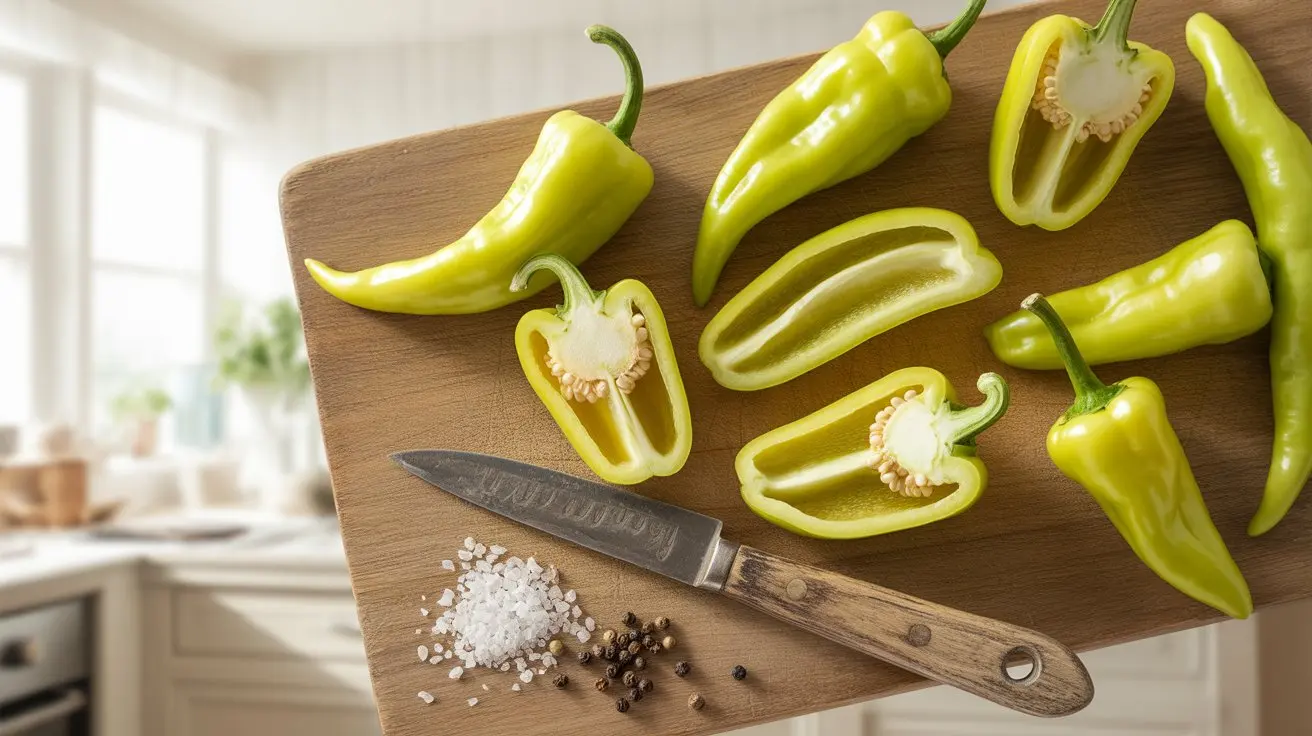
Lemon Drop

The lemon drop is a Peruvian C. baccatum pepper registering 15,000–30,000 SHU — roughly half the heat of a Thai chili — with a citrus-forward brightness that sets it apart from nearly every other hot pepper. Elongated and waxy yellow at maturity, it brings genuine lemon character to sauces, ceviches, and marinades without needing citrus juice to get there.
- Species: C. baccatum
- Heat tier: Hot (10K–100K SHU)
- Comparison: 6x hotter than a jalapeño
What is Lemon Drop?
Long before it appeared in specialty seed catalogs, the lemon drop was a staple of Peruvian markets under the name ají amarillo de la selva or simply mirasol amarillo — though it is distinct from the more famous ají amarillo grown across the Andes. At 15,000–30,000 SHU, it sits in the hot pepper intensity bracket just below habanero territory, delivering heat that builds steadily rather than hitting all at once.
What makes the lemon drop genuinely unusual is flavor. Most peppers in this heat range lean fruity or smoky; this one tastes like someone squeezed a lemon directly into the heat. The citrus note is not a background suggestion — it is the dominant character, making the pepper useful in applications where acidity and brightness matter as much as fire.
The pods grow 2–3 inches long, thin-walled and waxy, ripening from pale green through yellow. As a C. baccatum species, it carries the characteristic floral undertone common to South American baccatums, though the lemon drop's citrus expression is more pronounced than most of its relatives.
Grown across coastal and highland Peru for generations, it remains central to Peruvian cooking — particularly in the acidic, seafood-driven context of ceviche, where its brightness amplifies rather than competes with lime.
History & Origin of Lemon Drop
Peru is the center of Capsicum baccatum diversity, and the lemon drop reflects that deep domestication history. Archaeological evidence places baccatum cultivation in the Andes going back thousands of years, with peppers traded between coastal fishing communities and highland agricultural settlements long before European contact.
The lemon drop specifically appears tied to the Peruvian pepper tradition of the northern coast and Amazon edge zones, where citrus-flavored baccatums were prized for their pairing with fresh seafood. Spanish colonizers documented bright yellow ají varieties in the 16th century, though precise cultivar records from that era are sparse.
North American seed companies began offering the lemon drop in the 1990s as interest in South American peppers expanded. Its combination of manageable heat and distinctive flavor made it a quick favorite among growers who found most hot peppers too one-dimensional.
How Hot is Lemon Drop? Heat Level & Flavor
The Lemon Drop delivers 15K–30K Scoville Heat Units, placing it in the Hot tier (10K–100K SHU). That makes it roughly 6x hotter than a jalapeño.
Flavor notes: citrusy and bright.
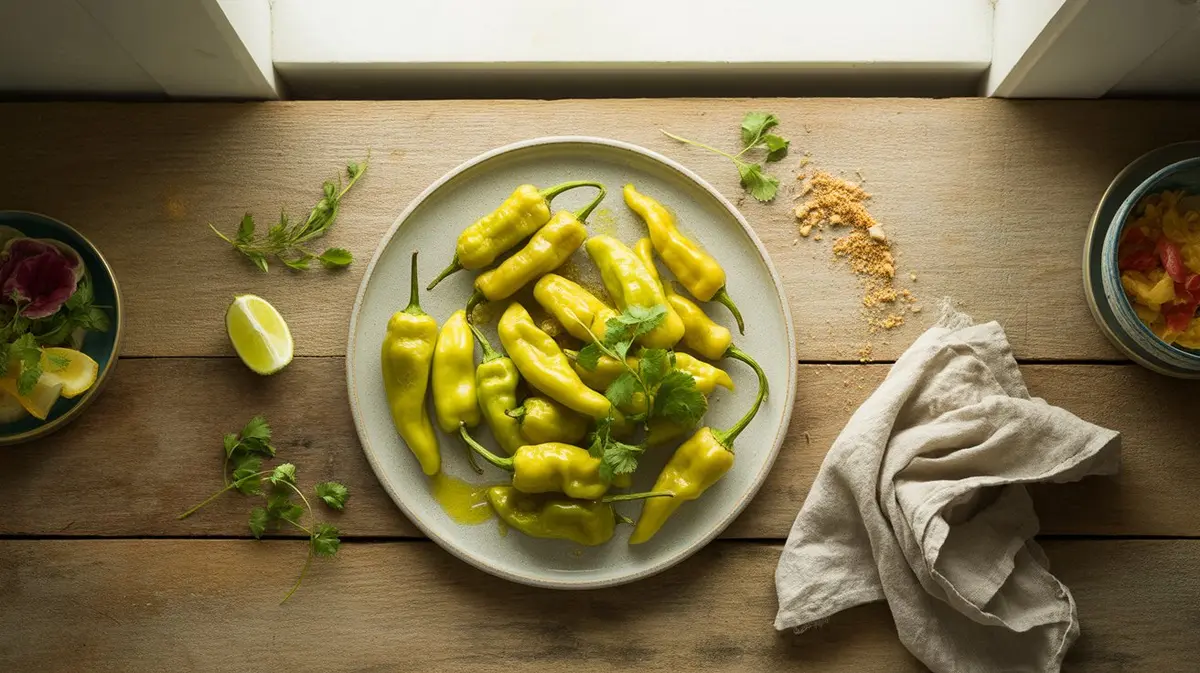
Lemon Drop Nutrition Facts & Health Benefits
A 100g serving of fresh lemon drop peppers provides approximately 40 calories, with meaningful amounts of vitamin C — baccatum peppers are generally high in ascorbic acid, and the lemon drop's citrus character hints at this. Capsaicin, the compound responsible for the heat, has been studied for anti-inflammatory properties; the receptor chemistry behind how capsaicin signals heat is well-documented.
Lemon drops also supply vitamin A, potassium, and dietary fiber. The yellow color indicates carotenoid content, particularly beta-carotene, which the body converts to vitamin A. Low in fat and sodium, they fit easily into most dietary patterns.
Best Ways to Cook with Lemon Drop Peppers
The lemon drop's culinary value is almost entirely about its flavor-heat ratio. At 15,000–30,000 SHU, it delivers real heat — similar to a thin-walled dried pepper with sharp culinary bite — but the citrus character means you can use it in places where most hot peppers would simply taste like heat.
In Peruvian cooking, it shows up in ají sauces blended with oil, onion, and garlic — a condiment that functions like hot sauce but with more body. Ceviche leche de tigre benefits from a few sliced rings added to the marinade; the pepper's acidity reinforces the lime without muddying it.
Fresh pods work well minced into vinaigrettes and marinades for grilled fish or chicken. Dried and ground, the powder adds a citrus-heat dimension to spice rubs that no other single ingredient replicates. Start with 1/4 teaspoon per serving if you're unfamiliar with the heat level.
For fermented hot sauce, lemon drop mashes well with mango or pineapple — the tropical fruit anchors the citrus and rounds the heat. It also pairs naturally with the smoky-fruity depth of a chocolate habanero when you want layered complexity in a blended sauce.
Where to Buy Lemon Drop & How to Store
Fresh lemon drops appear at farmers markets and Latin grocery stores in summer and fall. Look for firm, fully yellow pods without soft spots or wrinkling — the skin should be taut and slightly waxy. Avoid any with green shoulders, which indicates underripeness and less developed flavor.
Refrigerate fresh pods in a paper bag inside a plastic bag; they hold for 1–2 weeks. For longer storage, freeze whole after washing and drying — no blanching needed. Dried lemon drop powder keeps 12 months in an airtight container away from light. Seeds are widely available from specialty seed companies if you want to grow your own.
Best Lemon Drop Substitutes & Alternatives
Whether you ran out of lemon drop or just want to try something different, these peppers make solid stand-ins. We picked them based on heat range, flavor overlap, and how well they actually work in the same dishes.
Our top pick: Bishop's Crown (5K–30K SHU). Same species (C. baccatum) and nearly the same heat, so it swaps in at a 1:1 ratio without changing the character of the dish. The flavor leans fruity and sweet, which is close enough that most people won’t notice the difference in a cooked recipe.
How to Grow Lemon Drop Peppers
The hardest part of growing lemon drops is patience with fruit set. Like most baccatums, this plant grows large — often 3–4 feet tall — and will produce abundant foliage before committing to fruit. Pushing nitrogen too hard in midsummer delays the transition; back off fertilizer once the plant is established and let phosphorus drive flowering.
Germination itself is straightforward at 80–85°F soil temperature, but the long 90–100 day maturity window means starting seeds indoors 10–12 weeks before last frost is not optional in most of North America. The plant needs a long season to hit its stride.
Lemon drops thrive in containers — a 5-gallon pot is the minimum, though 7–10 gallons produces noticeably larger harvests. If you're working with pots, check our container pepper guide before choosing your mix, since baccatums are sensitive to waterlogged roots.
Full sun is non-negotiable, but the thin-walled yellow fruits are susceptible to pepper sunscald during heat waves — some light afternoon shade in climates above 95°F helps. Consistent watering matters more than frequent watering; let the top inch dry before irrigating again.
For comparison, peppers with similar cultivation characteristics in the baccatum family often share this same sensitivity to inconsistent moisture.
Frequently Asked Questions
-
The lemon drop ranges from 15,000–30,000 SHU, which puts it at roughly half the heat of a typical Thai chili (50,000–100,000 SHU). It delivers noticeable heat that builds gradually, but most people find it manageable compared to Southeast Asian small hot peppers.
-
Yes — the citrus flavor is genuine and prominent, not just a faint background note. It comes from the pepper's natural aromatic compounds rather than added acidity, which is why it holds up in cooked applications like sauces and stir-fries where actual lemon juice would lose its character.
-
They are related but distinct — ají amarillo (C. baccatum) has a more tropical, fruity profile and typically less pronounced citrus character. Lemon drop works as a substitute when the recipe benefits from brightness, but expect a slightly sharper, more citrus-forward result.
-
Expect 90–100 days from transplant to ripe yellow fruit. That long maturity window is why starting seeds indoors 10–12 weeks before last frost is essential — plants set in the garden too late simply run out of warm season before full ripeness.
-
It is one of the better choices for hot sauce specifically because the citrus flavor survives fermentation and cooking better than most aromatics do. Blending it with mango or pineapple produces a sauce with layered tropical and citrus notes alongside genuine heat — no added vinegar required for brightness.
- Chile Pepper Institute - Capsicum Species Overview
- USDA GRIN - Capsicum baccatum Accession Data
- Perry, L. et al. - Pre-Columbian Use of Chili Peppers in the Americas
Species classification: C. baccatum — based on published botanical taxonomy.