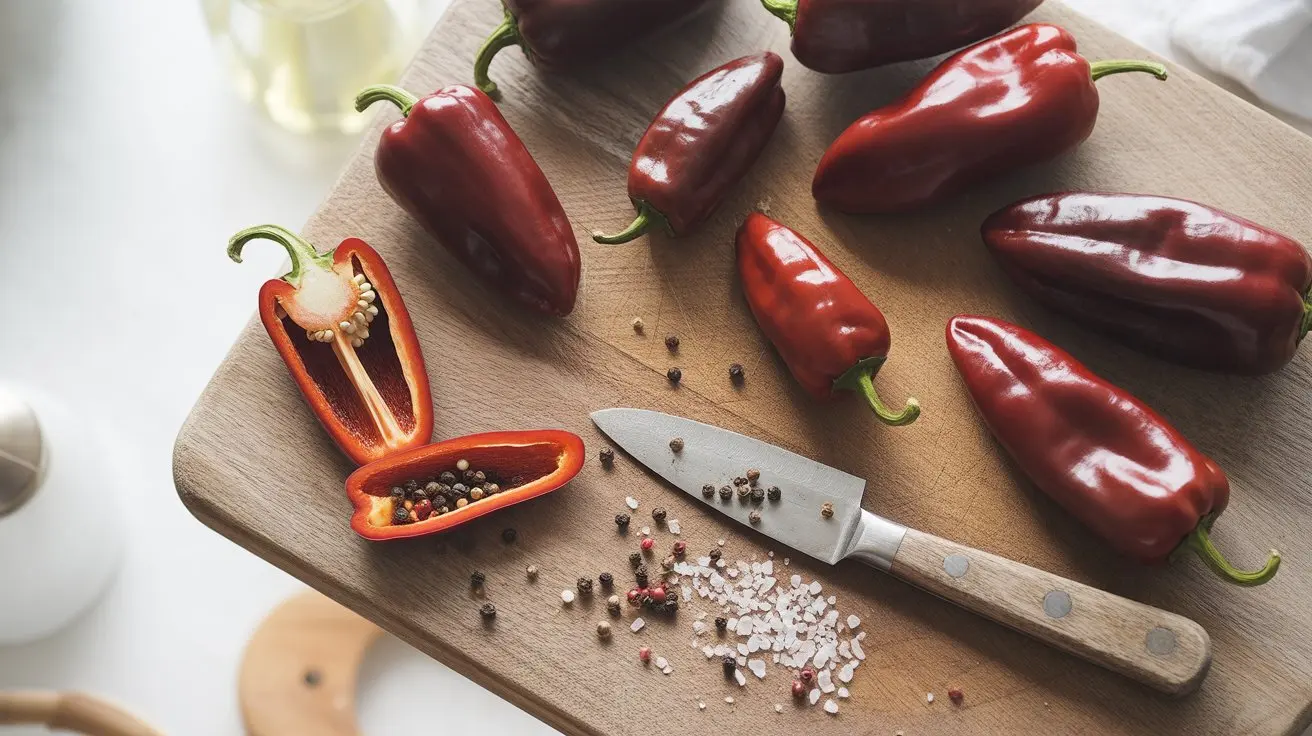
Isot Pepper

The isot pepper (also called Urfa biber) is a Turkish dried chili with a 10,000–23,000 SHU heat range and a flavor profile unlike almost anything else in the pepper world. Smoky, earthy, and faintly raisin-like, it brings slow-building warmth rather than sharp bite. It belongs to the hot pepper SHU bracket and is a staple of southeastern Turkish cooking.
- Species: C. annuum
- Heat tier: Hot (10K–100K SHU)
- Comparison: 5x hotter than a jalapeño
What is Isot Pepper?
Urfa biber gets its name from Urfa (now Sanliurfa), a city in southeastern Turkey where the pepper has been grown for centuries. The fresh pods are elongated and dark red, but the finished product most cooks encounter is something else entirely — a coarsely ground, almost oily flake that looks closer to dark chocolate than dried chili.
The drying process is what makes isot unusual. Farmers sun-dry the peppers during the day, then wrap them at night to sweat in their own moisture. This repeated cycle concentrates the sugars, deepens the color to near-black, and develops those characteristic earthy, wine-like notes. The result sits firmly in the Turkish pepper tradition but has no real equivalent anywhere else.
At 10,000–23,000 SHU, the heat is real but not aggressive. Think of it as roughly half the intensity of a cayenne's sharp, direct burn — but where cayenne hits fast and fades, isot builds slowly and lingers with warmth. The fat content in the flakes (from the oily sweating process) also carries fat-soluble capsaicin longer on the palate.
Botanically, isot belongs to C. annuum, the same species as bell peppers and jalapeños — a reminder of how dramatically processing and terroir can transform a pepper's character.
History & Origin of Isot Pepper
Sanliurfa sits near the Tigris-Euphrates basin, one of the oldest agricultural regions on earth, and peppers have been grown there since at least the Ottoman period. The specific drying technique — sun exposure by day, wrapped sweating by night — developed as a preservation method suited to the region's hot, dry summers.
Isot became a Turkish pepper staple tied to local identity. In Urfa, it seasons kebabs, lamb dishes, and breakfast eggs with the same cultural weight that paprika carries in Hungary. International exposure came slowly; the pepper remained largely unknown outside Turkey until the early 2000s, when specialty food importers began bringing it to North American and European markets. Today it appears in high-end spice shops and restaurant kitchens worldwide, though genuine Urfa-produced isot remains the benchmark.
How Hot is Isot Pepper? Heat Level & Flavor
The Isot Pepper delivers 10K–23K Scoville Heat Units, placing it in the Hot tier (10K–100K SHU). That makes it roughly 5x hotter than a jalapeño.
Flavor notes: smoky and earthy.
Isot Pepper Nutrition Facts & Health Benefits
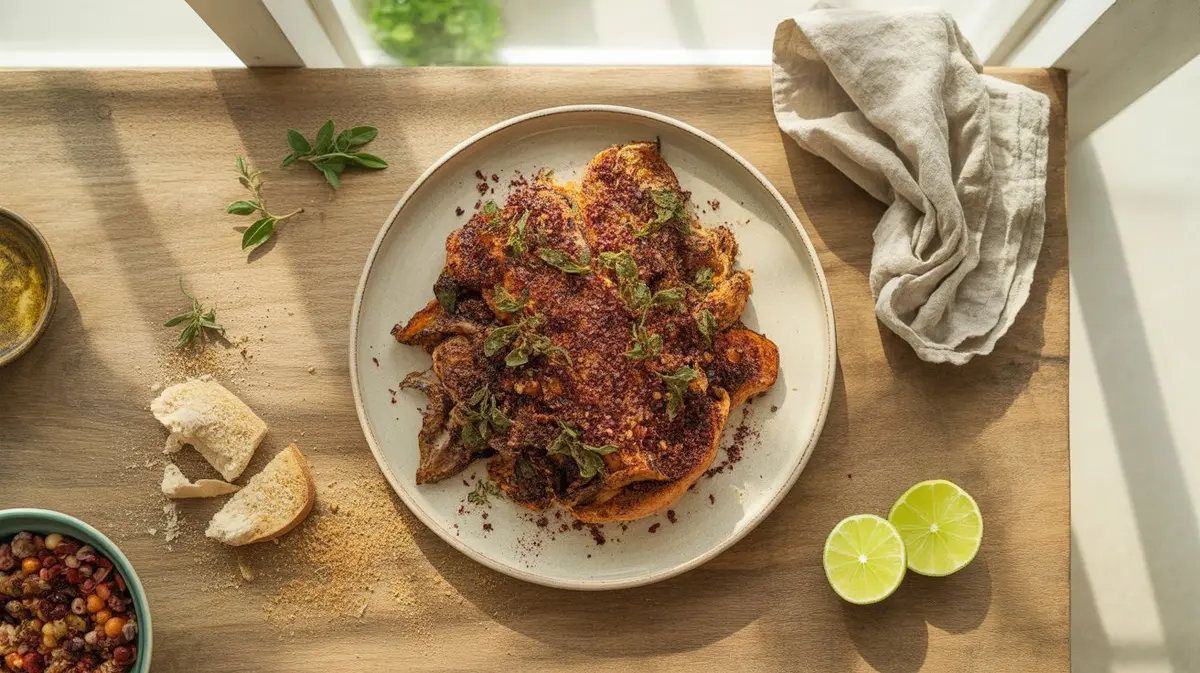
Like most dried chilies, isot delivers concentrated nutrients per gram. The capsaicin responsible for its heat (explained in detail by how capsaicin chemistry works) has well-documented anti-inflammatory properties. Isot flakes provide vitamin C, though drying reduces levels compared to fresh pods. The oily texture means fat-soluble compounds including carotenoids (the pigments behind the dark color) are more bioavailable than in drier ground chilies. Iron, potassium, and B vitamins are present in meaningful amounts. A typical serving of 1 teaspoon (2–3g) adds roughly 10–15 calories.
Best Ways to Cook with Isot Peppers
Isot's flavor makes it one of the most flexible dried chilies for savory cooking. The smokiness isn't from wood or fire — it comes from the fermentation-like sweating process — which means it pairs naturally with ingredients that share that depth: lamb, eggplant, walnuts, dark chocolate, red wine reductions.
In Turkish cooking, it goes into Urfa kebab (mixed into the ground meat before grilling), scattered over hummus, and stirred into butter to finish grilled fish. Outside its home context, it works anywhere you want smoke without a campfire character.
For heat comparison: isot sits at roughly the same SHU range as a serrano's clean, grassy bite, but the flavor profiles could not be more different. Isot is the better choice when you want warmth that doesn't announce itself immediately.
Try it in compound butter with roasted garlic, rubbed onto lamb shoulder before braising, or stirred into yogurt with olive oil for a dipping sauce. It also works well in pickled pepper preparations — the brine brightens the earthy notes considerably. A pinch in dark chocolate desserts is not a gimmick; the flavor affinity is genuine.
For hot sauce applications, isot blends well with roasted tomato bases where its smokiness reinforces rather than competes.
Where to Buy Isot Pepper & How to Store
Look for isot at Middle Eastern grocery stores, specialty spice shops, or online retailers like Burlap & Barrel or Épices de Cru. Quality product should be dark burgundy-black, slightly oily to the touch, and smell of dried fruit and smoke — not just generic chili powder.
Store in an airtight container away from light and heat. The oil content makes isot more prone to going rancid than drier spices; use within 12 months of opening. Refrigeration extends shelf life if you buy in bulk. Avoid pre-ground versions with added salt or oil — they tend to be lower quality and harder to use flexibly.
Best Isot Pepper Substitutes & Alternatives
Whether you ran out of isot pepper or just want to try something different, these peppers make solid stand-ins. We picked them based on heat range, flavor overlap, and how well they actually work in the same dishes.
Our top pick: Serrano Pepper (10K–23K SHU). Same species (C. annuum) and nearly the same heat, so it swaps in at a 1:1 ratio without changing the character of the dish. The flavor leans bright and crisp, which is close enough that most people won’t notice the difference in a cooked recipe.
How to Grow Isot Peppers
Growing isot from seed follows the same basic path as most C. annuum varieties, but the payoff depends heavily on the drying process — so plan for that from the start.
Start seeds indoors 8–10 weeks before last frost. Germination is reliable at 75–85°F soil temperature. Transplant after frost danger passes and soil has warmed; isot prefers full sun and well-drained soil. It performs well in USDA zones 7–11, though containers work in cooler climates.
The plants reach 24–36 inches tall and produce elongated pods that start green, turn red, then deepen to a dark burgundy at full maturity. Wait for full color development before harvesting — the sugars that make isot distinctive need time to concentrate.
For the traditional drying method: lay ripe pods on screens in full sun during the day, then wrap tightly in cloth or burlap overnight to sweat. Repeat for 10–14 days. The pods will darken dramatically and become slightly tacky. Grind coarsely in a spice grinder with a small amount of olive or grape seed oil to replicate the commercial texture.
Compared to the compact, prolific sport-style cultivation characteristics of some hot peppers, isot plants are moderate producers — quality over quantity.
Frequently Asked Questions
-
Isot has a smoky, earthy flavor with notes of dried fruit and a faint raisin-like sweetness — nothing like a typical dried chili. The heat builds slowly and lingers rather than hitting sharply upfront.
-
At 10,000–23,000 SHU, isot sits at roughly half the intensity of cayenne but in the same range as a serrano — though the slow-building heat feels milder in practice. Its fat content carries capsaicin longer on the palate, so the warmth persists.
-
Isot and chipotle share smokiness but differ significantly — chipotle is wood-smoked with a meatier character, while isot's smoke comes from the sweating process and carries more fruit and earth. They work in similar applications but are not identical substitutes.
-
Isot originates from Sanliurfa (historically called Urfa) in southeastern Turkey, which is why it is also called Urfa biber (biber meaning pepper in Turkish). The traditional drying method is specific to that region's climate.
-
They are related in style — both are Middle Eastern dried chilies with fruity, earthy profiles — but Aleppo pepper comes from Syria/southern Turkey and has a brighter, less intensely smoky character. Isot is darker, oilier, and generally earthier than Aleppo.
- Chile Pepper Institute — Capsicum Species Overview
- Burlap & Barrel — Urfa Chili Product Information
- Harold McGee, On Food and Cooking — Spice Processing Chemistry
- USDA FoodData Central — Dried Chili Nutritional Data
Species classification: C. annuum — based on published botanical taxonomy.