Hinkelhatz Pepper

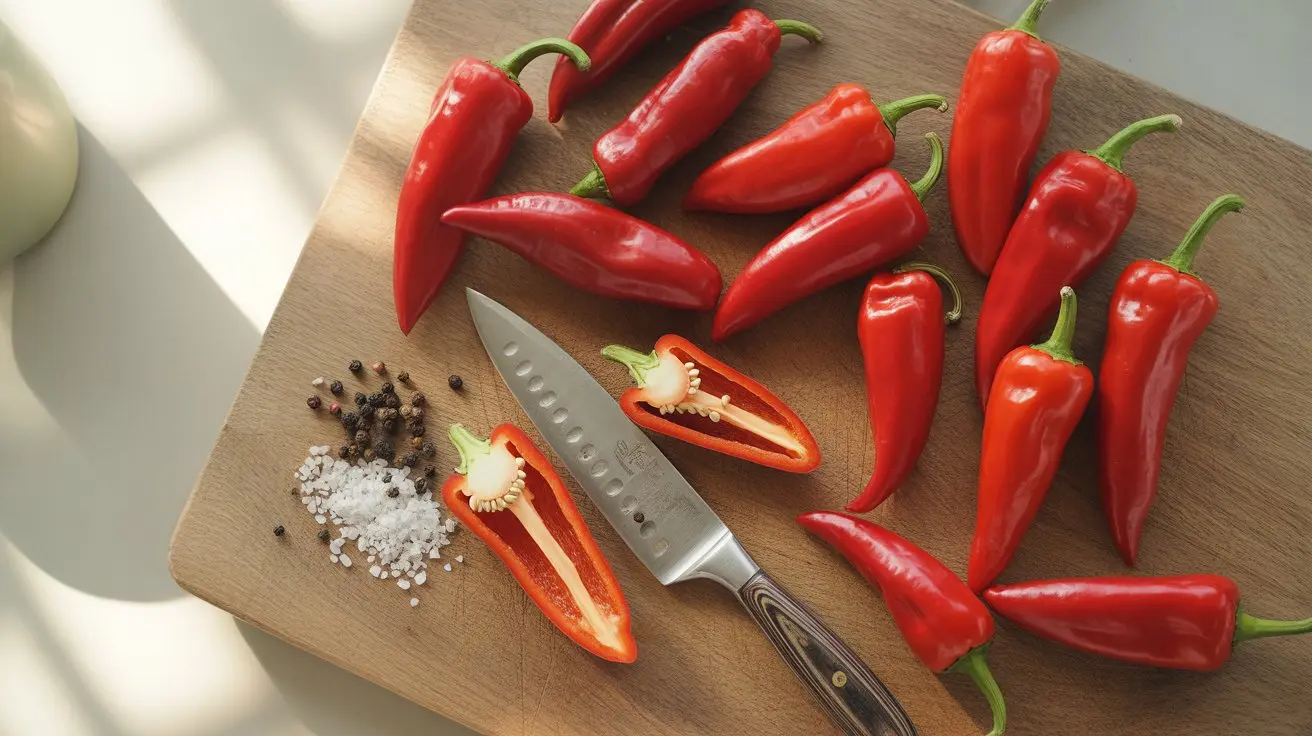
The Hinkelhatz is a rare Pennsylvania Dutch heirloom pepper with a name meaning 'chicken heart' in Pennsylvania German dialect. Ranging from 5,000 to 30,000 SHU, it sits in the hot SHU bracket alongside peppers like Thai chilis. Small, heart-shaped fruits with thin walls made it a traditional pickling staple in 19th-century German-American communities.
- Species: Capsicum annuum
- Heat tier: Hot (10K–100K SHU)
- Comparison: 6x hotter than a jalapeño
What is Hinkelhatz Pepper?
The Hinkelhatz is one of those peppers that rewards the curious. Its name translates literally from Pennsylvania German as 'chicken heart,' a nod to the small, pointed, heart-shaped fruits that dangle from compact plants in late summer.
Heat sits anywhere from 5,000 to 30,000 SHU depending on growing conditions - at the upper end, that's roughly comparable to the fiery bite of a Thai chili, though milder specimens land closer to a hot jalapeño. The variability is part of its character, not a flaw.
This is a Capsicum annuum variety, which puts it in the same botanical family as bells, poblanos, and cayennes - but the Hinkelhatz has a personality all its own. Thin-walled fruits, typically red or yellow at maturity, were historically prized for pickling precisely because they absorb brine quickly without turning mushy.
Growing information is sparse in mainstream seed catalogs, which makes sense - this pepper nearly vanished entirely. Seed preservation efforts, particularly through organizations like Seed Savers Exchange, brought it back from the edge of obscurity. Today it remains a specialty variety, treasured more for its heritage than its heat.
History & Origin of Hinkelhatz Pepper
The Hinkelhatz has deep roots in Pennsylvania Dutch country, grown by German-speaking settlers who farmed the Lancaster County region from the 18th century onward. These communities developed their own food preservation traditions, and the Hinkelhatz became central to their pickling culture - its thin walls and moderate heat made it ideal for vinegar-based preserves that could last through harsh winters.
By the mid-20th century, as industrial food systems replaced home preservation, the variety nearly disappeared from cultivation entirely. Seed Savers Exchange and dedicated heirloom growers deserve credit for rescuing it.
Exact origin beyond Pennsylvania Dutch cultivation is [UNVERIFIED] - some sources suggest European antecedents, but documentation is thin. What's well-established is its role as a working-class preservation pepper, not an ornamental or novelty variety. That functional heritage is part of what makes it worth growing today.
How Hot is Hinkelhatz Pepper? Heat Level & Flavor
The Hinkelhatz Pepper delivers 5K–30K Scoville Heat Units, placing it in the Hot tier (10K–100K SHU). That makes it roughly 6x hotter than a jalapeño.
Hinkelhatz Pepper Nutrition Facts & Health Benefits
Like most hot peppers, Hinkelhatz fruits are low in calories and rich in vitamin C - a single serving of fresh peppers provides more than the daily recommended intake. Capsaicin content scales with heat level, and at 30,000 SHU on the upper end, active capsaicin concentrations are meaningful.
Vitamin A from carotenoids increases as fruits ripen from green to red. Red-ripe specimens contain significantly more beta-carotene than green ones. Thin walls mean lower water content per gram compared to thick-walled varieties, so dried Hinkelhatz packs nutrients more densely by weight.
Best Ways to Cook with Hinkelhatz Peppers
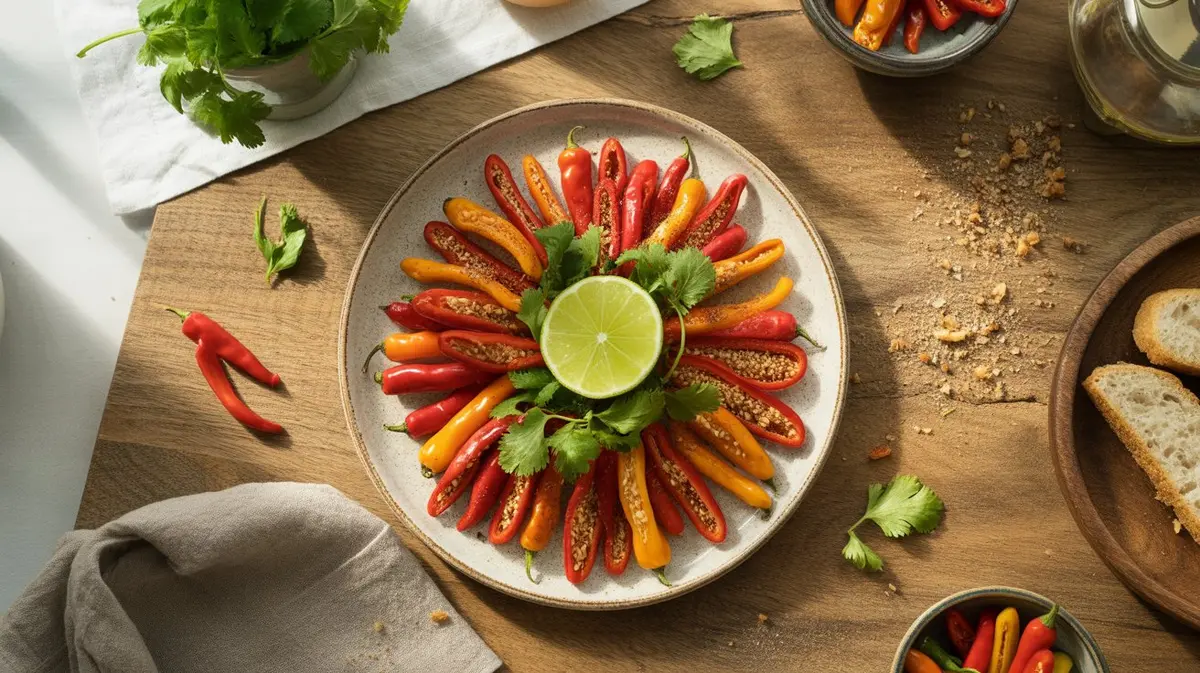
Pickling is where the Hinkelhatz has always excelled. Thin walls mean fast brine penetration - whole fruits can be ready in days rather than weeks. A simple apple cider vinegar brine with mustard seed and dill is a traditional approach that complements the pepper's moderate heat without overwhelming it.
Fresh applications work too, though the small size means more prep work. Sliced into rings, the fruits add a clean, sharp heat to sandwiches and grain salads. The flavor profile is not extensively documented, but growers consistently describe it as straightforward pepper heat without pronounced fruitiness - closer to the sharp culinary punch of a De Arbol-style dried pepper than a sweet-forward variety.
For hot sauce, the thin walls are actually a disadvantage - you get less flesh per pepper. Blending works better than straining for this variety. If you want something with similar sensory warmth to Aleppo-style slow heat, the Hinkelhatz won't deliver that oily depth, but it brings its own clean sharpness to fermented preparations.
Drying is straightforward given the thin walls - a dehydrator at 135°F for 6-8 hours produces a crumbly, flakeable dried pepper good for seasoning.
Where to Buy Hinkelhatz Pepper & How to Store
Fresh Hinkelhatz peppers appear at farmers markets and specialty growers primarily from late July through September in the northeastern United States, where Pennsylvania Dutch heritage varieties still have a following. Outside that window, seeds are the more reliable route - Baker Creek Heirloom Seeds and Seed Savers Exchange both carry them periodically.
Store fresh fruits in the refrigerator unwashed for up to 2 weeks. For longer storage, pickling is the traditional method and suits this variety perfectly. Dried whole peppers keep 12+ months in an airtight container away from light.
Best Hinkelhatz Pepper Substitutes & Alternatives
Whether you ran out of hinkelhatz pepper or just want to try something different, these peppers make solid stand-ins. We picked them based on heat range, flavor overlap, and how well they actually work in the same dishes.
Our top pick: Lemon Drop (15K–30K SHU). The heat level is close enough for a direct swap in salsas, sauces, and stir-fries. Flavor leans citrusy and bright, so the taste will shift a bit — but the overall heat stays in the same range.
How to Grow Hinkelhatz Peppers
Starting seeds indoors 8-10 weeks before last frost gives Hinkelhatz the long season it needs. Germination is typical for C. annuum - soil temps around 80°F and you'll see sprouts in 7-14 days. A heat mat makes a real difference here.
Plants stay relatively compact, which makes them manageable in containers or raised beds. Space at 18 inches apart in the ground. They're not dramatically different from standard annuum varieties in terms of cultivation characteristics similar to thick-walled mountain peppers - both need consistent moisture but good drainage.
If your plants are dropping leaves mid-season, check out practical guidance on pepper leaves curling - environmental stress is usually the culprit. And if you're getting beautiful foliage but no fruits by midsummer, troubleshooting a pepper plant with no fruit covers the most common causes including temperature swings and nitrogen overload.
Fruits mature from green to red or yellow over a long season - expect 90-100 days to full color. Pick regularly to encourage continued production. The compact heat-packed piquin grows similarly and makes a useful companion plant for comparison.
Frequently Asked Questions
-
The name comes from Pennsylvania German dialect and translates to 'chicken heart,' describing the small, pointed, heart-shaped fruits. It reflects the pepper's deep roots in German-American farming communities of southeastern Pennsylvania.
-
Hinkelhatz peppers range from 5,000 to 30,000 SHU on the Scoville heat index, putting them solidly in the hot tier. Growing conditions affect heat significantly - plants under stress tend to produce hotter fruits.
-
It's arguably one of the best heirloom varieties for pickling precisely because of its thin walls, which allow brine to penetrate quickly and evenly. Pennsylvania Dutch communities relied on it as a preservation pepper for generations, which is why it was cultivated so consistently before nearly going extinct.
-
Seed Savers Exchange and Baker Creek Heirloom Seeds are the most reliable sources, though availability varies by season. Specialty heirloom pepper growers at regional farmers markets in Pennsylvania sometimes sell starts in spring.
-
At its upper end, it's comparable to the sharp sustained heat of a Dundicut-style pepper or a mid-range Thai chili - clean and direct without pronounced fruitiness. The Indian culinary tradition behind Jwala-type peppers offers a useful contrast: both sit near 30,000 SHU, but Jwala has a more complex flavor profile where Hinkelhatz stays straightforward.
- Seed Savers Exchange - Hinkelhatz Pepper
- Baker Creek Heirloom Seeds - Pepper Varieties
- Chile Pepper Institute - Capsicum annuum
- Pennsylvania Dutch Food Heritage - Lancaster County Extension
Species classification: Capsicum annuum — based on published botanical taxonomy.