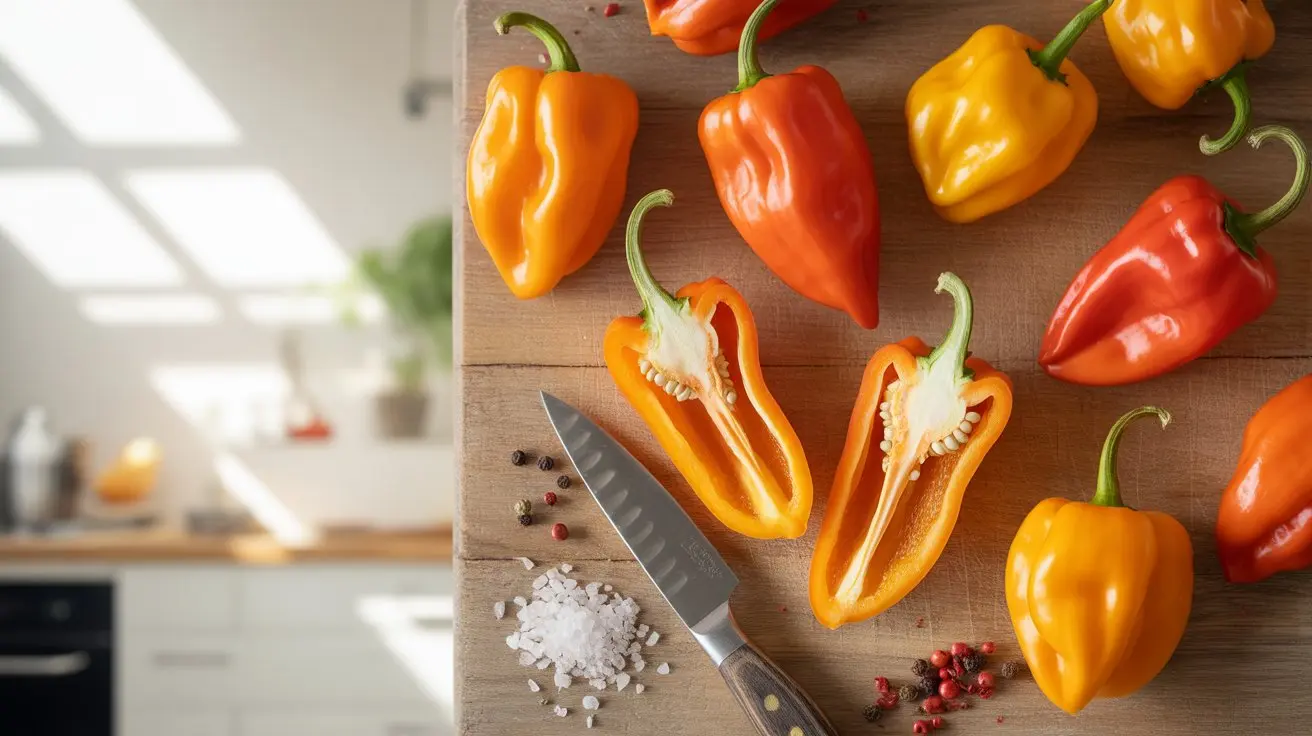
Habanero

The habanero sits at 100,000–350,000 SHU — roughly 40x hotter than a bird's eye chili — with a bright citrus-fruit flavor that makes it one of the most flexible extra-hot peppers in the garden and kitchen. It grows reliably in containers or beds, rewards patient growers with prolific yields, and brings genuine depth to sauces, marinades, and salsas.
- Species: C. chinense
- Heat tier: Extra-Hot (100K–1M SHU)
- Comparison: 70x hotter than a jalapeño
What is Habanero?
Few peppers balance heat and flavor as well as the habanero. That small, wrinkled, lantern-shaped pod packs a 100,000–350,000 SHU punch alongside genuine fruity, citrusy character — a combination that sets it apart from hotter peppers that sacrifice flavor for fire.
Belonging to Capsicum chinense, the species behind most extreme-heat varieties, the habanero is technically a C. chinense — a species known for intense heat and complex aromatics. The pods typically run 1–2.5 inches long, ripening from green through yellow or orange to a deep red, depending on the cultivar.
For gardeners, habaneros are a genuinely satisfying grow. They're not the most beginner-friendly pepper — they need warmth, patience, and a long season — but they're far more forgiving than many extra-hot tier peppers that demand near-perfect conditions. A healthy plant in a good season can produce dozens of pods.
Compared to something like the scorching intensity of a ghost pepper versus habanero, this pepper sits in a sweet spot: hot enough to be serious, flavorful enough to be useful in everyday cooking. The citrus-fruit notes aren't just marketing copy — they're real, and they make a difference in finished dishes.
History & Origin of Habanero
The habanero's origins trace to the Yucatan Peninsula of Mexico, where it has been cultivated for centuries. Archaeological evidence suggests C. chinense peppers were consumed in the Amazon basin as far back as 8,500 years ago, though the habanero as a distinct cultivar is more closely tied to Mesoamerican and Caribbean agricultural traditions.
The name likely derives from La Habana (Havana, Cuba), reflecting historical trade routes that moved the pepper through Cuba and into broader Spanish colonial commerce. Despite the Cuban naming connection, Mexico — particularly the Yucatan — remains the primary production center.
By the late 20th century, the habanero held the Guinness World Record for hottest pepper, a title it kept until the early 2000s when C. chinense breeding programs produced successors like the Carolina Reaper's extreme heat compared to habanero. Its roots in Mexican pepper traditions run deep, and it remains central to regional cuisines across the Yucatan.
How Hot is Habanero? Heat Level & Flavor
The Habanero delivers 100K–350K Scoville Heat Units, placing it in the Extra-Hot tier (100K–1M SHU). That makes it roughly 70x hotter than a jalapeño.
Flavor notes: fruity and citrusy.
Habanero Nutrition Facts & Health Benefits
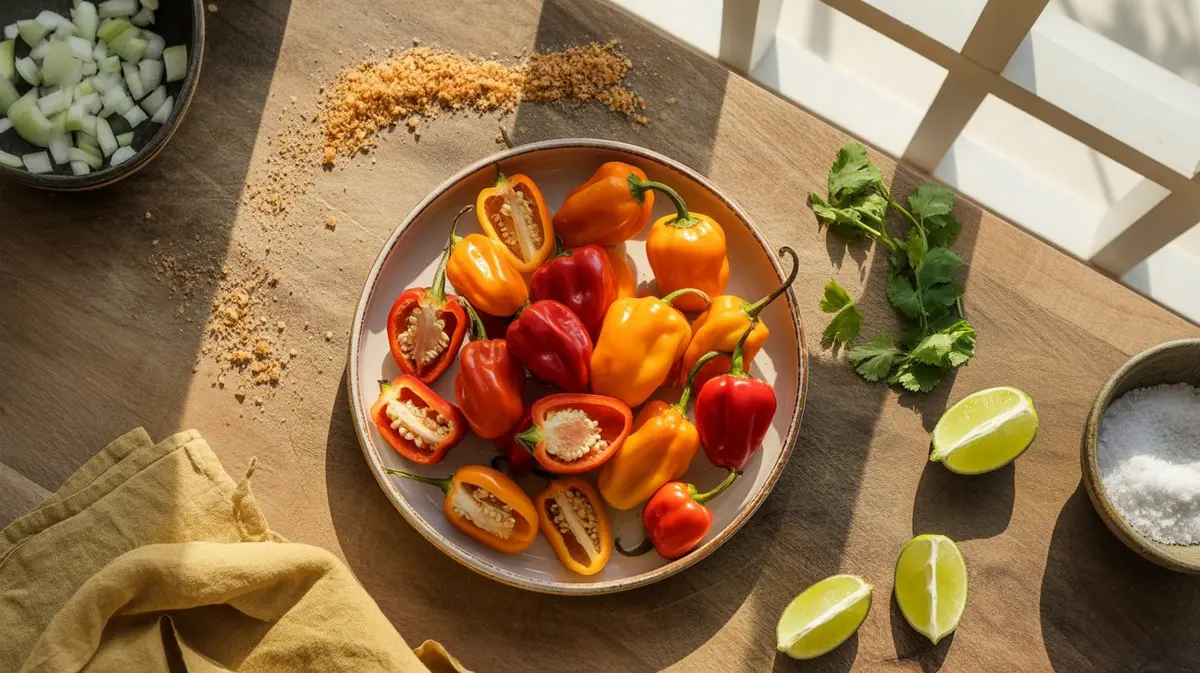
A 100g serving of raw habanero provides approximately 40 calories, with notable amounts of vitamin C — often exceeding 200% of the daily recommended value. Habaneros also supply vitamin A, potassium, and dietary fiber.
The heat compound, capsaicin, triggers TRPV1 receptors — the receptor science explaining why capsaicin burns is well-documented in pain physiology research. Capsaicin has been studied for potential metabolic and anti-inflammatory effects, though culinary quantities are modest.
Habaneros are low in sodium and fat, making them a calorie-efficient way to add flavor intensity to dishes.
Best Ways to Cook with Habanero Peppers
Habanero salsa is where most cooks start — and for good reason. The citrus-fruit notes amplify mango, pineapple, and peach in ways that milder peppers simply can't. A small dice of fresh habanero in a mango salsa transforms the dish from sweet to complex.
For hot sauce, the habanero's fruity character shines when fermented or blended with carrot and vinegar — a combination traditional to Yucatecan salsa de chile habanero. The heat hits mid-palate and builds, making it ideal for sauces where you want delayed intensity.
Heat management matters here. Removing seeds and membrane cuts heat noticeably; leaving them in keeps the full 100,000–350,000 SHU range. Cooking mellows the sharpness without eliminating the fruitiness, so roasted habaneros work well in compound butters and glazes.
The fruity Caribbean cooking applications of the Scotch Bonnet overlap significantly with habanero uses — they're often interchangeable in Caribbean recipes. For something with a similar heat range but Surinamese roots and distinct tropical flavor, that pepper can swap in when you want a different aromatic profile. Pair habaneros with citrus, tropical fruit, pork, and seafood. Avoid heavy cream-based applications — the heat overwhelms the dairy.
Where to Buy Habanero & How to Store
Fresh habaneros appear in most well-stocked grocery stores and Latin markets year-round. Look for firm, glossy pods without soft spots or wrinkling — wrinkling signals age and moisture loss.
At home, unwashed habaneros keep 1–2 weeks in the refrigerator crisper. For longer storage, freeze whole pods in a zip-lock bag — they lose texture but retain full heat and flavor for up to 12 months.
Dried or powdered habanero is widely available and works well in dry rubs. Compared to the deep brown color and chocolate-tobacco notes of this dark C. chinense variety, standard orange habanero powder has a brighter, more citrus-forward profile.
Best Habanero Substitutes & Alternatives
Whether you ran out of habanero or just want to try something different, these peppers make solid stand-ins. We picked them based on heat range, flavor overlap, and how well they actually work in the same dishes.
Our top pick: Scotch Bonnet (100K–350K SHU). Same species (C. chinense) and nearly the same heat, so it swaps in at a 1:1 ratio without changing the character of the dish. The flavor leans fruity and tropical, which is close enough that most people won’t notice the difference in a cooked recipe.
How to Grow Habanero Peppers
Starting habaneros from seed requires patience. Germination takes 10–21 days at soil temperatures of 80–85°F — a heat mat is not optional, it's essential. Check our full walkthrough on germinating habaneros from sow to harvest for stage-by-stage guidance.
Transplant seedlings outdoors only after nighttime temperatures stay consistently above 55°F. Habaneros are frost-intolerant and will stall in cold soil. Space plants 18–24 inches apart; they get bushy.
Full sun — at least 6–8 hours daily — is non-negotiable. In containers, use a 5-gallon minimum; habaneros develop substantial root systems. A well-draining mix with consistent moisture (not waterlogged) keeps plants productive.
For context on how habanero cultivation compares to related varieties, the productive growing habits of this sweet-heat Datil variety and the reliable fruiting of this Caribbean red variety follow similar care patterns. The cultivation characteristics that make Surinamese habanero relatives thrive in tropical conditions differ somewhat — they prefer even higher humidity.
Fertilize with a balanced NPK through vegetative growth, then switch to a low-nitrogen, higher phosphorus formula once flowering begins. Days to maturity: 90–120 days from transplant. Expect 50+ pods per plant in a good season.
Frequently Asked Questions
-
A habanero ranges from 100,000–350,000 SHU, while a bird's eye chili typically peaks around 100,000 SHU — so habaneros can be up to 3.5x hotter at their upper range, though they overlap at the lower end. The bigger difference is flavor: habaneros bring fruity citrus notes that bird's eye chilis lack.
-
Yes — a 5-gallon container is the practical minimum for a productive plant. Use well-draining potting mix, place the container in full sun, and water consistently since pots dry out faster than in-ground beds.
-
They're different cultivars of the same species (C. chinense) with overlapping heat ranges, but distinct flavors and shapes. Habaneros are more widely available and slightly more citrus-forward; Scotch Bonnets have a sweeter, more floral character preferred in Caribbean cooking.
-
Remove seeds and the white membrane (pith) before using — this cuts heat by roughly 30–50% without significantly affecting flavor. Cooking the pepper also softens the sharpness, though it won't eliminate the heat entirely.
-
Color indicates ripeness — red habaneros are fully mature orange habaneros that were left on the plant longer. Red pods tend to be slightly hotter and sweeter than orange ones harvested earlier in the ripening cycle.
- Chile Pepper Institute — Capsicum Species Overview
- USDA FoodData Central — Raw Habanero Pepper
- Bosland, P.W. — Capsicums: Innovative Uses of an Ancient Crop (1996)
- University of Florida IFAS Extension — Hot Pepper Production
- Guinness World Records — Hottest Chili Pepper Historical Records
Species classification: C. chinense — based on published botanical taxonomy.