
Facing Heaven Pepper

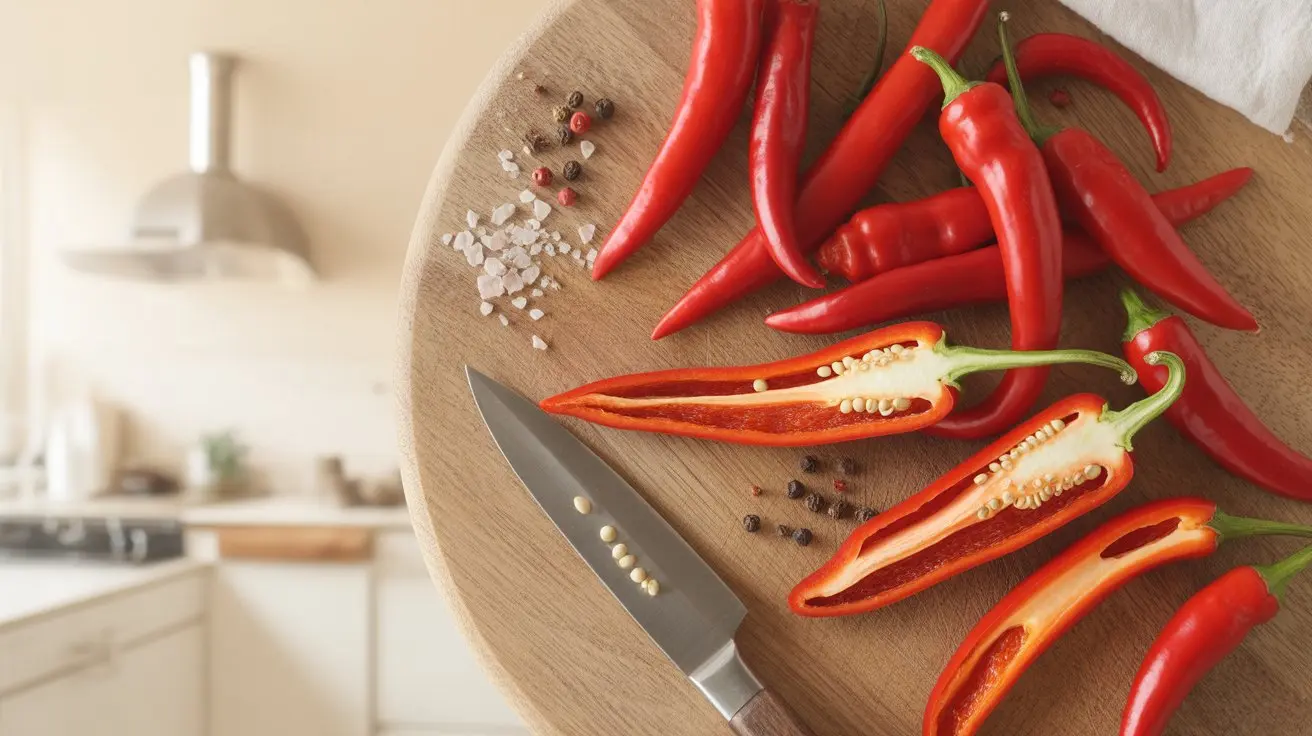
The Facing Heaven pepper (Chao Tian Jiao) is a Chinese C. annuum variety prized for its upward-pointing pods and complex flavor. Registering 30,000-50,000 SHU - roughly equivalent to a sharply hot Tabasco-range burn - it delivers fruity, smoky depth that sets it apart from most peppers at this heat level. It is the backbone of Sichuan and Hunan cuisine.
- Species: C. annuum
- Heat tier: Hot (10K–100K SHU)
- Comparison: 10x hotter than a jalapeño
What is Facing Heaven Pepper?
The name comes from how the pods grow: straight up, facing the sky. That visual quirk made it iconic in Chinese markets long before it became a staple in Sichuan hot pots and chili oils.
Heat-wise, 30,000-50,000 SHU puts this pepper firmly in the hot pepper range - about 10 times hotter than a jalapeño and comparable to the vivid fruity burn of Aji Limo. The heat builds steadily rather than hitting all at once, giving you time to appreciate what's happening before the capsaicin fully arrives.
The flavor is where this pepper earns its reputation. There is a distinct fruitiness underneath - almost berry-like when dried - layered with a smoky, slightly earthy quality that intensifies with toasting. Fresh pods have a brighter, more vegetal character, but most cooks encounter this pepper dried or in oil-based preparations where the smoke notes dominate.
Physically, the pods are tapered and elongated, typically 2-3 inches long, with thin walls that dry quickly and evenly. The skin deepens from green to a glossy red at maturity. As part of the Capsicum annuum species, it shares botanical roots with cayenne and paprika but has developed a flavor profile distinctly shaped by Chinese agricultural traditions and centuries of selective cultivation.
History & Origin of Facing Heaven Pepper
Chili peppers arrived in China via Portuguese and Spanish trade routes in the late 16th century, and by the 18th century they had transformed the cuisines of Sichuan, Hunan, and Guizhou provinces. The Facing Heaven variety emerged as a regional selection prized for its upright pod orientation - practical for harvesting and drying - and its exceptional flavor complexity.
The Chinese pepper cultivation tradition developed distinct regional varieties, and Facing Heaven became synonymous with Sichuan cooking. It appears extensively in doubanjiang (fermented chili bean paste), chili oils, and the aromatic base of countless braised dishes. Unlike many peppers that traveled globally and diversified, this variety remained closely tied to its origin region, where it is still grown in Sichuan and Hunan provinces at scale for both domestic use and export.
How Hot is Facing Heaven Pepper? Heat Level & Flavor
The Facing Heaven Pepper delivers 30K–50K Scoville Heat Units, placing it in the Hot tier (10K–100K SHU). That makes it roughly 10x hotter than a jalapeño.
Flavor notes: fruity and smoky.
Facing Heaven Pepper Nutrition Facts & Health Benefits
Like most C. annuum peppers, Facing Heaven delivers vitamin C, vitamin A (from beta-carotene in the red pigment), and vitamin B6 in meaningful quantities. Dried peppers concentrate these nutrients significantly compared to fresh.
Capsaicin, the compound responsible for the 30,000-50,000 SHU heat, has been studied for anti-inflammatory properties and metabolic effects. Iron and potassium are present in modest amounts. A tablespoon of dried flakes contributes roughly 15-20 calories, making it a flavor-dense, low-calorie seasoning.
Best Ways to Cook with Facing Heaven Peppers
Toasting dried Facing Heaven peppers in a dry wok is the starting point for most Sichuan preparations. The aroma that comes off a hot wok - smoky, faintly sweet, with a roasted depth - signals the pepper releasing its fat-soluble compounds. That smell is a preview of what the finished dish will taste like.
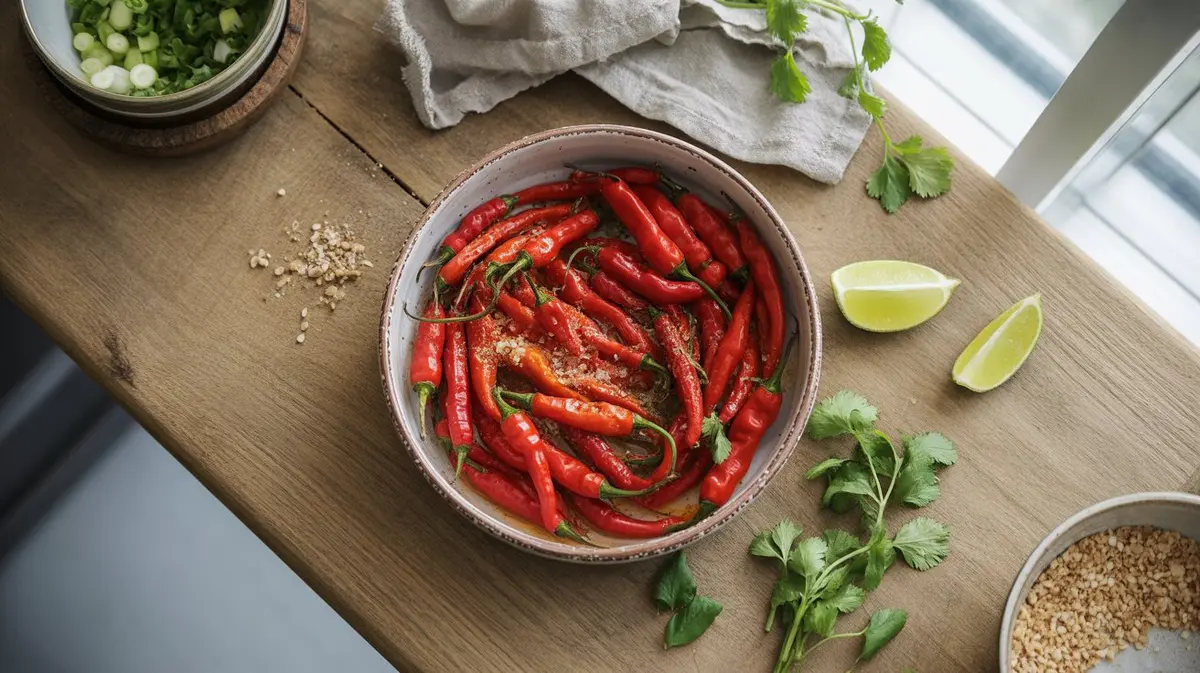
For peppers in Chinese cooking, Facing Heaven is the reference point. It goes into mapo tofu, kung pao chicken, and the red-stained chili oil that defines Sichuan hot pot. The thin walls make it ideal for infusing oils - the flavor transfers quickly without requiring long cook times.
Whole dried pods are often left intact in dishes and eaten around rather than consumed directly. Ground into flakes or powder, the pepper works in dry rubs for roasted meats. The smoky-fruity profile pairs naturally with pork, duck, and fermented black beans.
Compared to the flexible kitchen applications of dried cayenne, Facing Heaven has a more complex baseline flavor that rewards restraint. A little goes further than the SHU number suggests because the flavor is so concentrated. Start with 2-3 dried pods per dish and adjust from there.
Where to Buy Facing Heaven Pepper & How to Store
Dried Facing Heaven peppers are available at Chinese grocery stores and online specialty retailers, often labeled Chao Tian Jiao or simply "facing heaven chili." Look for pods with deep red color and no visible mold or excessive brittleness - some flexibility indicates reasonable freshness.
Store dried pods in an airtight container away from light and heat. Properly stored, they hold flavor for 12-18 months. Ground powder degrades faster - use within 6 months. Chili oil made with Facing Heaven keeps refrigerated for up to 3 months.
Best Facing Heaven Pepper Substitutes & Alternatives
Whether you ran out of facing heaven pepper or just want to try something different, these peppers make solid stand-ins. We picked them based on heat range, flavor overlap, and how well they actually work in the same dishes.
Our top pick: Cayenne Pepper (30K–50K SHU). Same species (C. annuum) and nearly the same heat, so it swaps in at a 1:1 ratio without changing the character of the dish. The flavor leans neutral and peppery, which is close enough that most people won’t notice the difference in a cooked recipe.
How to Grow Facing Heaven Peppers
Facing Heaven performs best in warm climates with long summers - think USDA zones 8-11 for outdoor growing, though container cultivation extends the range considerably. Seeds germinate in 10-21 days at soil temperatures around 80-85°F. Start indoors 8-10 weeks before your last frost date.
The upright pod orientation isn't just aesthetically interesting - it actually helps with air circulation around the fruit, reducing fungal pressure during humid stretches. Plants reach 24-36 inches tall and benefit from staking once they're loaded with pods.
For companion planting strategy, the pepper companion planting guide covers what works well alongside C. annuum varieties like this one. Basil and carrots are solid neighbors; fennel is not.
Full sun is non-negotiable. The plants need 6-8 hours of direct light daily to develop the flavor compounds that make this variety worth growing. Soil should drain well but retain moisture - slightly acidic pH around 6.0-6.8 is ideal.
Drying is straightforward: the thin walls and upright habit mean pods can be air-dried on the plant or strung in a warm, ventilated space. Full red maturity takes approximately 80-90 days from transplant. The hot pepper category includes several varieties with similar growing requirements, useful for planning a multi-pepper garden.
Frequently Asked Questions
-
Dried Facing Heaven peppers have a fruity, smoky flavor with a slightly earthy undertone that intensifies when toasted in oil or a dry pan. The heat is real at 30,000-50,000 SHU but builds gradually, giving the flavor time to register before the burn peaks.
-
It sits in the same hot-range Indian pepper territory by SHU, but the flavor profile is distinctly smokier and more complex than most South Asian varieties. Within Chinese cuisine, it is considered the gold standard for Sichuan-style chili oil and braised dishes.
-
Dried cayenne is the most accessible substitute and matches the SHU range, though it lacks the smoky depth. For a closer flavor match, the deep red Turkish variety with its distinctive look can approximate the earthiness, though the heat level differs.
-
The upright pod orientation is a naturally selected trait that became fixed through generations of cultivation - farmers favored plants where pods were easy to spot and harvest. It also improves air circulation around the fruit, which helps in humid growing conditions.
-
Yes - Chao Tian Jiao is the Mandarin name, which translates directly to "facing heaven pepper" or "toward-the-sky pepper." The same variety may also appear in markets labeled as Sichuan chili or Chinese red chili, though those terms are less specific and can refer to other cultivars.
- Chile Pepper Institute - Capsicum Species Overview
- Sichuan Pepper and Chinese Culinary Traditions - Oxford Companion to Food
- USDA Agricultural Research Service - Capsicum annuum
Species classification: C. annuum — based on published botanical taxonomy.
