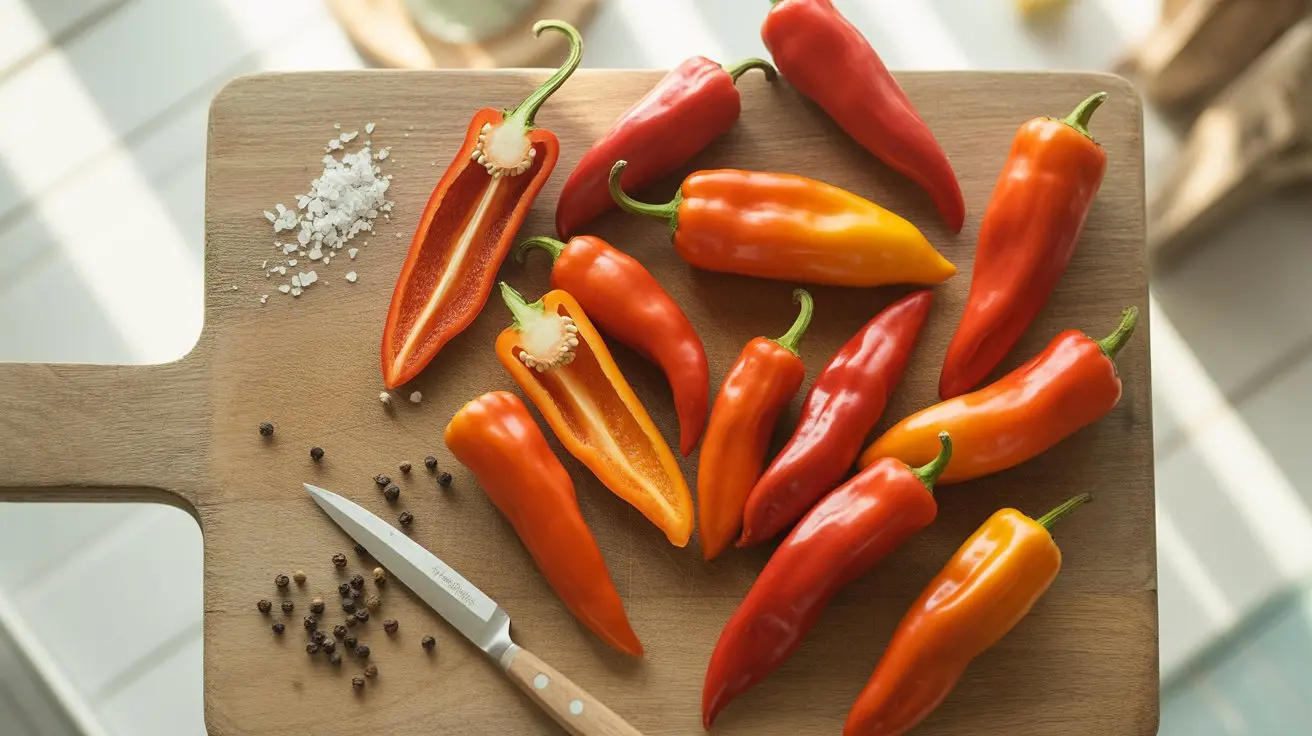
Criolla Sella Pepper

The Criolla Sella is a Capsicum baccatum variety registering 5,000-15,000 SHU - roughly one-third the punch of a Thai chili. Its baccatum lineage signals South American roots and a characteristic fruity brightness common to that species. Approachable heat, good pod production, and versatility in fresh and dried preparations make it a solid choice for home growers wanting something beyond the usual.
- Species: Capsicum baccatum
- Heat tier: Hot (10K–100K SHU)
- Comparison: 3x hotter than a jalapeño
What is Criolla Sella Pepper?
At 5,000-15,000 SHU, the Criolla Sella sits in a sweet spot that most cooks find genuinely useful - hot enough to matter, mild enough to use freely. It belongs to Capsicum baccatum, the species responsible for most South American aji peppers, which explains the fruity, slightly tangy flavor profile typical of the group.
The hot pepper intensity level this pepper occupies puts it in the same general territory as a serrano, though the baccatum species character gives it a distinctly different flavor dimension. Where a serrano reads as clean and grassy, baccatum peppers tend toward something more complex - a citrus-fruit quality that holds up through cooking.
Documented information on Criolla Sella's specific origin and exact appearance is limited in publicly available sources. What is clear is that Capsicum baccatum was domesticated in South America thousands of years ago, and varieties within this species - including the fruity warmth of aji mirasol - have been central to Andean cooking traditions for centuries.
The name "Criolla" (meaning native or local in Spanish) suggests this may have been selected as a regionally adapted variety, bred to perform in a specific climate. That kind of selection pressure typically produces plants with good disease resistance and reliable yields under local conditions.
History & Origin of Criolla Sella Pepper
Capsicum baccatum has one of the longer domestication histories in the pepper world - archaeological evidence from Peru dates cultivation back at least 7,500 years. The "Criolla" designation in the name points toward Latin American origin, likely somewhere in the Andean region where baccatum peppers have been grown continuously across generations.
Varieties named Criolla across Latin America typically represent locally selected types that farmers maintained for regional culinary traditions rather than commercial export. This contrasts with peppers developed by seed companies or academic breeding programs - Criolla types tend to be community-held genetics passed through informal seed-saving networks.
The Sella designation may indicate a specific selection or regional strain, though detailed breeding records are not widely documented in English-language sources. The pepper shares cultural ground with other baccatum varieties like the richly colored aji amarillo that have deep roots in South American food culture.
How Hot is Criolla Sella Pepper? Heat Level & Flavor
The Criolla Sella Pepper delivers 5K–15K Scoville Heat Units, placing it in the Hot tier (10K–100K SHU). That makes it roughly 3x hotter than a jalapeño.
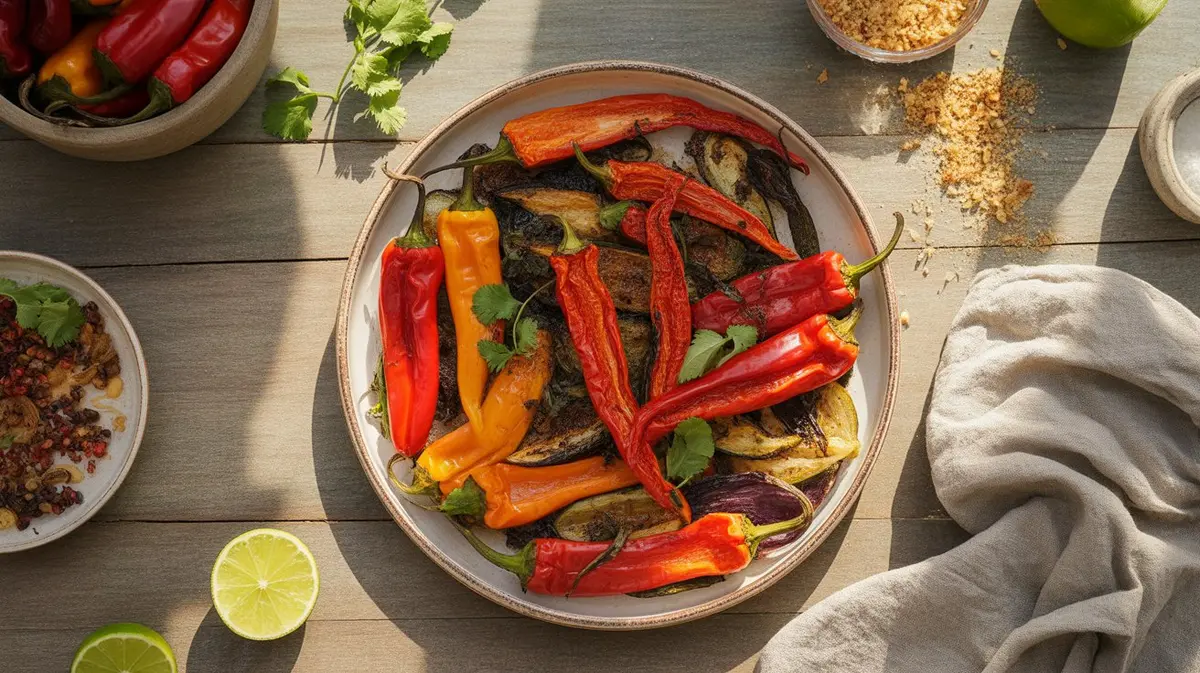
Criolla Sella Pepper Nutrition Facts & Health Benefits
Like most Capsicum baccatum peppers, Criolla Sella delivers meaningful nutritional value alongside its heat. Fresh peppers in this species are typically high in vitamin C - often exceeding 100mg per 100g serving, which surpasses citrus fruits.
Capsaicin and related capsaicinoids, responsible for the chemistry behind pepper heat perception, have been studied for anti-inflammatory properties. At 5,000-15,000 SHU, Criolla Sella contains moderate capsaicinoid levels.
Peppers also contribute vitamin A (from carotenoid pigments), vitamin B6, potassium, and dietary fiber. Calorie load is minimal - fresh peppers run roughly 30-40 calories per 100g.
Best Ways to Cook with Criolla Sella Peppers
The baccatum species character shapes how Criolla Sella behaves in the kitchen. Expect a fruity brightness that carries through cooking - this is not a pepper that fades into the background when heat is applied.
Fresh pods work well in salsas and chutneys where that fruit-forward quality can shine. The 5,000-15,000 SHU range means you can add real quantity without overwhelming a dish - useful for building flavor rather than just adding fire.
Dried Criolla Sella would follow the baccatum tradition of producing complex, raisin-and-fruit dried chiles. For stuffed preparations, the technique-focused approach in this chile rellenos guide applies well to medium-heat baccatum varieties with good wall thickness.
The heat level makes it a reasonable substitute in recipes calling for the snappy bite of a serrano when you want more flavor complexity. It also works where recipes call for the sharp, clean heat of bird's eye chili but you want something fruitier and more approachable.
For sauce work, baccatum peppers blend exceptionally well with tropical fruits. The pepper's natural citrus notes pair with mango, pineapple, or tamarind in ways that purely capsaicin-forward peppers cannot match. Check the ghost pepper hot sauce method for fermentation and blending techniques that transfer well to lower-heat baccatum varieties.
Where to Buy Criolla Sella Pepper & How to Store
Criolla Sella is primarily a specialty and home-garden variety - expect to source seeds rather than fresh pods. [Baker Creek Heirloom Seeds](https://www.rareseeds.com) and specialty baccatum seed vendors are the most reliable starting points.
Fresh pods, if you grow your own, store 1-2 weeks refrigerated in a paper bag (not plastic, which traps moisture and accelerates rot). For longer storage, roast and freeze whole pods or dry them completely - baccatum varieties dry well and hold flavor for 12+ months in an airtight container away from light.
Ripe pods at full color have the best flavor complexity.
Best Criolla Sella Pepper Substitutes & Alternatives
Whether you ran out of criolla sella pepper or just want to try something different, these peppers make solid stand-ins. We picked them based on heat range, flavor overlap, and how well they actually work in the same dishes.
Our top pick: Byadgi Chili (8K–15K SHU). The heat level is close enough for a direct swap in salsas, sauces, and stir-fries. Flavor leans earthy and mild, so the taste will shift a bit — but the overall heat stays in the same range.
How to Grow Criolla Sella Peppers
The hardest part of growing Criolla Sella is managing the long season Capsicum baccatum varieties typically require. Most baccatum peppers need 90-120 days from transplant to mature harvest - start seeds indoors 10-12 weeks before last frost, not the standard 8 weeks.
Baccatum plants tend to grow large. Space transplants 18-24 inches apart and plan for staking - a heavily loaded plant in wind will snap branches. The species generally shows good tolerance for heat and humidity once established.
Soil temperature at transplant matters more than air temperature for baccatum varieties. Wait until soil is consistently 65°F or warmer - cold soil stunts root development in ways that affect yield for the entire season.
Fertilization timing: heavy nitrogen early builds the plant structure you need to support a full crop. Shift toward phosphorus and potassium once flowering begins. Overfeeding nitrogen during fruiting delays ripening.
Growers familiar with the cultivation demands of thick-walled wax-type peppers will find baccatum varieties require similar spacing but more patience with the timeline. Those comfortable with the moderate growing requirements of similarly ranged varieties can apply the same watering discipline here - consistent moisture without waterlogging, especially during pod set.
Frequently Asked Questions
-
Criolla Sella measures 5,000-15,000 SHU on the Scoville rating system, making it roughly one-third as hot as a Thai chili at peak heat. It sits in the same general range as a serrano but with a fruitier, more complex flavor profile from its Capsicum baccatum genetics.
-
Capsicum baccatum is one of five domesticated pepper species and is responsible for most South American aji peppers. The species produces a characteristic fruity, citrus-tinged flavor that distinguishes it from the annuum species covering jalapeños, serranos, and most supermarket peppers.
-
Yes - at 5,000-15,000 SHU, it substitutes reasonably well for serranos or the tangy dried heat of de arbol when you want a fruitier result. The baccatum flavor character will shift the dish toward something more complex than a straight annuum substitute would provide.
-
Capsicum baccatum varieties typically require 90-120 days from transplant to mature harvest, longer than most annuum peppers. Start seeds indoors 10-12 weeks before your last frost date to give plants enough runway for a full season.
-
The fruity baccatum character shines in fresh salsas, chutneys, and sauces where the citrus-like brightness isn't cooked away. Dried Criolla Sella develops raisin and fruit complexity that works well in slow-cooked braises and moles - applications where the smoky depth of tabasco-style pepper sauces would be too sharp.
- Capsicum baccatum Domestication - Archaeological Evidence
- Chile Pepper Institute - Capsicum Species Overview
- Baker Creek Heirloom Seeds - Baccatum Varieties
Species classification: Capsicum baccatum — based on published botanical taxonomy.