
Cowhorn Pepper

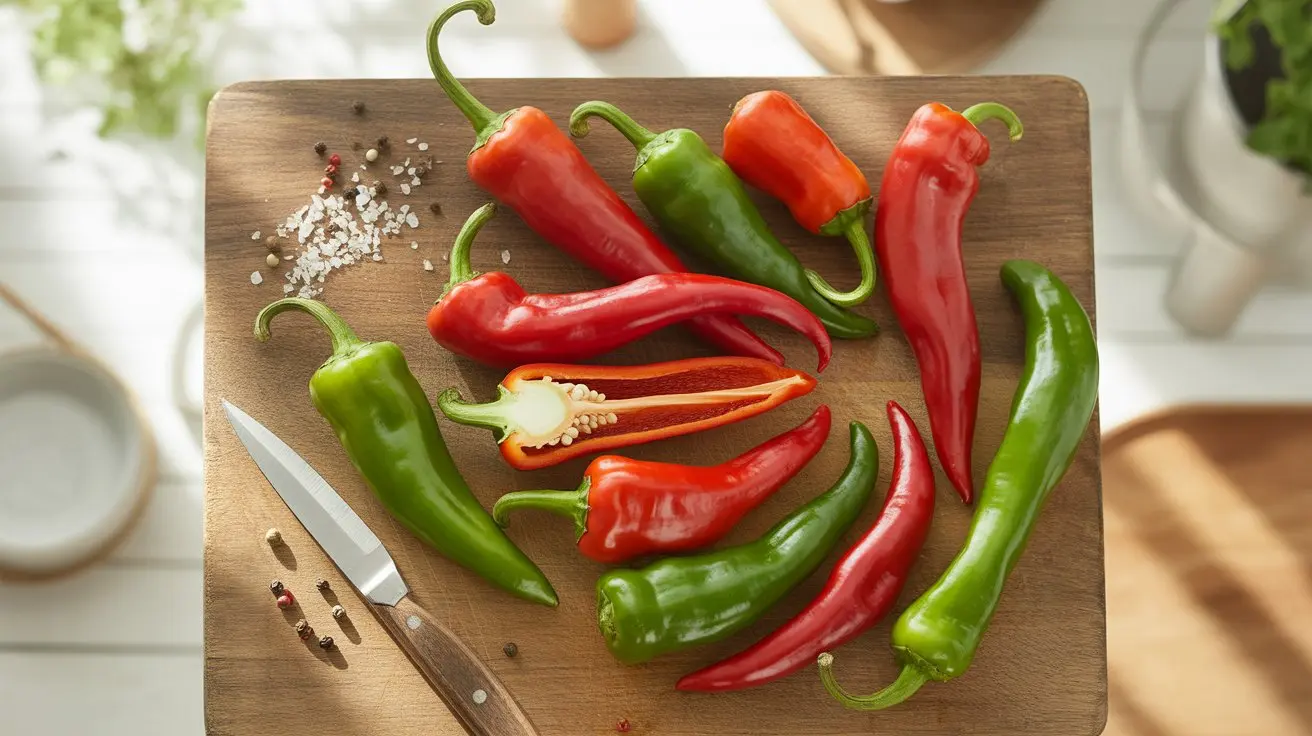
The cowhorn pepper is a curved, elongated American heirloom clocking in at 2,500-5,000 SHU — roughly the same heat as a jalapeño but with noticeably sweeter flesh. Its distinctive shape made it a garden staple across the American South, where it earned a reputation as a workhorse pepper for pickling, frying, and fresh eating.
- Species: Capsicum annuum
- Heat tier: Medium (1K–10K SHU)
What is Cowhorn Pepper?
Named for its dramatic curved shape that genuinely resembles a bovine horn, the cowhorn pepper is a Capsicum annuum variety with deep roots in Southern American home gardens. At 2,500-5,000 SHU, it sits squarely in the medium heat intensity band — enough warmth to notice, not enough to intimidate.
The fruit grows large, often reaching 6-8 inches, tapering to a curved tip. That size is part of the appeal: there's real flesh to work with, and it carries a genuinely sweet flavor underneath the mild heat. The walls are thick enough for stuffing but thin enough to soften quickly in a hot pan.
Compared to a smoky, deeply flavored dried chipotle, the cowhorn is far more flexible fresh. It ripens from green to red, with red-stage fruit carrying the most sweetness. Some growers harvest green for pickling; others wait for the full red for roasting.
The heat sits well below a serrano — roughly half the punch — which puts it in accessible territory for people who want flavor complexity without significant burn. That combination of large size, sweet flavor, and manageable heat explains why this variety has persisted in seed catalogs and heirloom collections for generations.
History & Origin of Cowhorn Pepper
The cowhorn pepper's origins trace to the American South, where it became a fixture in kitchen gardens throughout the 19th and early 20th centuries. Its exact lineage isn't well-documented, but it belongs to the broader Capsicum annuum tradition of elongated, mildly hot peppers that European settlers adapted for Southern climates.
Regional seed-saving kept this variety alive long before the heirloom seed movement formalized in the 1970s and 80s. Families in the Carolinas, Georgia, and Virginia grew cowhorns for pickling — the large, firm pods held up well in vinegar brine. Baker Creek Heirloom Seeds and similar companies helped reintroduce it to wider audiences as interest in traditional varieties surged.
The pepper never achieved the commercial visibility of peppers with deep Mexican culinary roots, but among heirloom enthusiasts it remains a respected American original.
How Hot is Cowhorn Pepper? Heat Level & Flavor
The Cowhorn Pepper delivers 3K–5K Scoville Heat Units, placing it in the Medium tier (1K–10K SHU).
Flavor notes: sweet and mild.
Cowhorn Pepper Nutrition Facts & Health Benefits
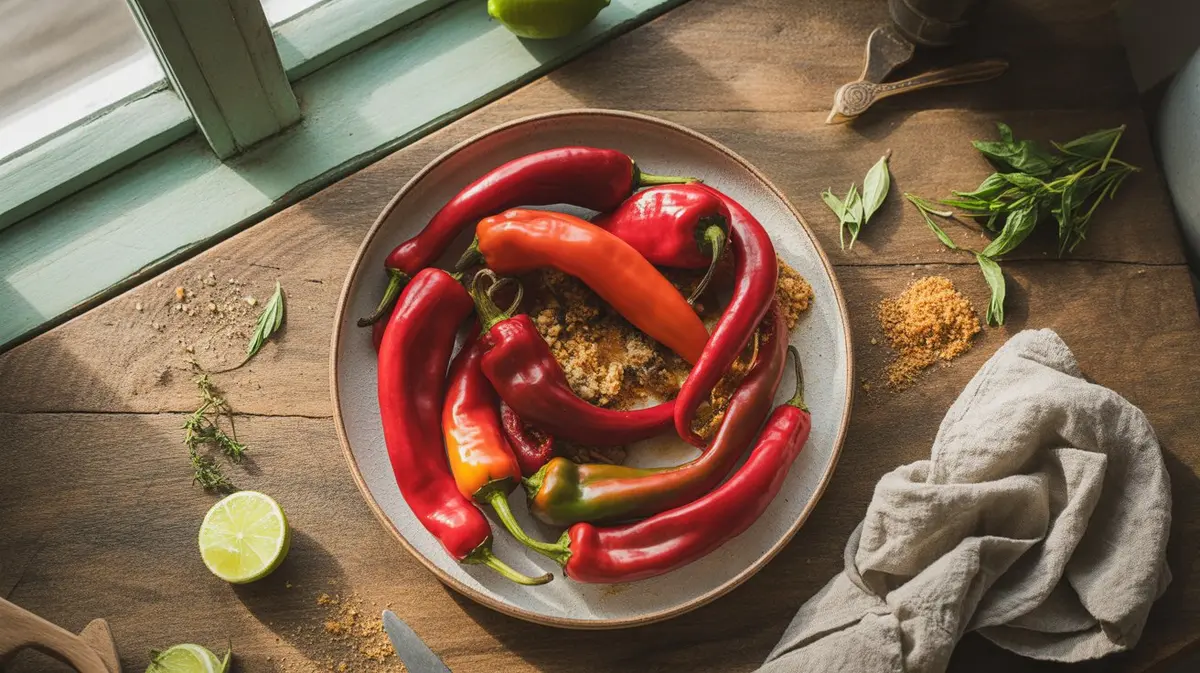
A 100g serving of raw cowhorn pepper contains roughly 31 calories, with most of that coming from carbohydrates. Red-ripe fruit is an excellent source of vitamin C — often exceeding 150% of the daily recommended value — and provides meaningful amounts of vitamin A and vitamin B6.
The mild capsaicin content (responsible for the chemistry behind how peppers register heat) contributes anti-inflammatory compounds. Cowhorns also deliver dietary fiber and small amounts of potassium and folate. Red-ripe peppers consistently outperform green-harvested fruit on antioxidant content.
Best Ways to Cook with Cowhorn Peppers
The cowhorn's size is its greatest culinary asset. At 6-8 inches long with thick walls, these peppers are natural candidates for stuffing — think a scaled-down approach to the technique used in classic chile rellenos preparation.
Fresh green cowhorns have a grassy, slightly tangy bite. Red-ripe fruit turns noticeably sweeter and roasts beautifully — the skin chars and peels cleanly, leaving behind soft, flavorful flesh. That roasted red cowhorn is excellent in sandwiches, layered into grain bowls, or blended into sauces.
Pickling is the traditional application. Sliced into rings and packed in seasoned vinegar, cowhorns hold their texture well and develop a balanced sweet-heat profile over a few days in the jar. They make a better pickle than a bright, thin-walled fresh Fresno simply because there's more flesh to brine.
For heat comparison: a cowhorn runs noticeably milder than a serrano, so it works in dishes where you want pepper flavor without the sharpness. Chop them raw into salsas, layer them on pizza, or fry whole in olive oil as a side dish alongside grilled meats.
Where to Buy Cowhorn Pepper & How to Store
Cowhorn peppers appear at farmers markets in late summer, particularly in the Southeast. Look for firm, glossy skin with no soft spots — the curved tip is the first place to check for spoilage.
Fresh cowhorns keep 1-2 weeks refrigerated in a loosely sealed bag. Don't wash until ready to use. For longer storage, roast and freeze in portions, or pickle in a vinegar brine. Dried cowhorns are less common but work well ground into a mild, sweet chili powder. Home gardeners often have the best access — this variety rarely appears in grocery chains.
Best Cowhorn Pepper Substitutes & Alternatives
Whether you ran out of cowhorn pepper or just want to try something different, these peppers make solid stand-ins. We picked them based on heat range, flavor overlap, and how well they actually work in the same dishes.
Our top pick: Mirasol Pepper (3K–5K SHU). The heat level is close enough for a direct swap in salsas, sauces, and stir-fries. Flavor leans fruity and bright, so the taste will shift a bit — but the overall heat stays in the same range.
How to Grow Cowhorn Peppers
The hardest part of growing cowhorns isn't germination — it's giving the plants enough vertical support. These are large, productive plants that can reach 3-4 feet tall and get top-heavy with fruit. Stake early or use tomato cages; a loaded cowhorn plant will sprawl without support.
Start seeds indoors 8-10 weeks before last frost. Cowhorns need warm soil to germinate — aim for 80-85°F with a heat mat. Transplant outdoors only after nighttime temps stay above 55°F.
Full sun is non-negotiable. These peppers want 6-8 hours of direct light daily and consistent moisture — irregular watering leads to blossom drop and misshapen fruit. A drip system or regular deep watering beats frequent shallow irrigation.
For growers comparing options, the cowhorn's cultivation demands are fairly similar to curved peppers with comparable growing seasons, though cowhorn plants tend to produce more fruit per plant. Days to maturity run 70-80 days to green stage, longer to full red.
Calcium deficiency shows up as blossom end rot on those thick-walled pods — amend soil before planting and consider a foliar calcium spray mid-season if your soil tests low.
Frequently Asked Questions
-
At 2,500-5,000 SHU, a cowhorn pepper falls in the same general range as a jalapeño on the Scoville rating system. In practice, cowhorns tend to taste milder because the larger fruit volume dilutes the heat relative to the sweet flesh.
-
Yes — raw cowhorns have a crisp texture and sweet, mildly spicy flavor that works well in salsas, salads, and as a snacking pepper. Red-ripe fruit is sweeter and more complex than green-harvested pods.
-
Pickling and stuffing are the two applications this pepper was practically designed for — the thick walls hold up in brine and the large cavity handles fillings well. Roasting is a close third, producing sweet, soft flesh that peels cleanly.
-
Both sit in similar heat territory, but Hungarian wax peppers carry a waxy, tangy bite that cowhorns lack — cowhorns are noticeably sweeter with thicker walls. Shape differs too: Hungarian wax tapers more uniformly while cowhorn curves distinctly toward the tip.
-
They work, but the mild heat means you'll want to blend cowhorns with hotter varieties for a sauce with real punch — check the ghost pepper hot sauce method for a framework you can scale back with cowhorn as the base. The sweetness cowhorns contribute actually balances well against higher-heat additions.
- Baker Creek Heirloom Seeds - Cowhorn Pepper
- Chile Pepper Institute - Capsicum annuum Varieties
- USDA National Nutrient Database - Sweet Peppers
- NC State Extension - Pepper Production Guide
Species classification: Capsicum annuum — based on published botanical taxonomy.