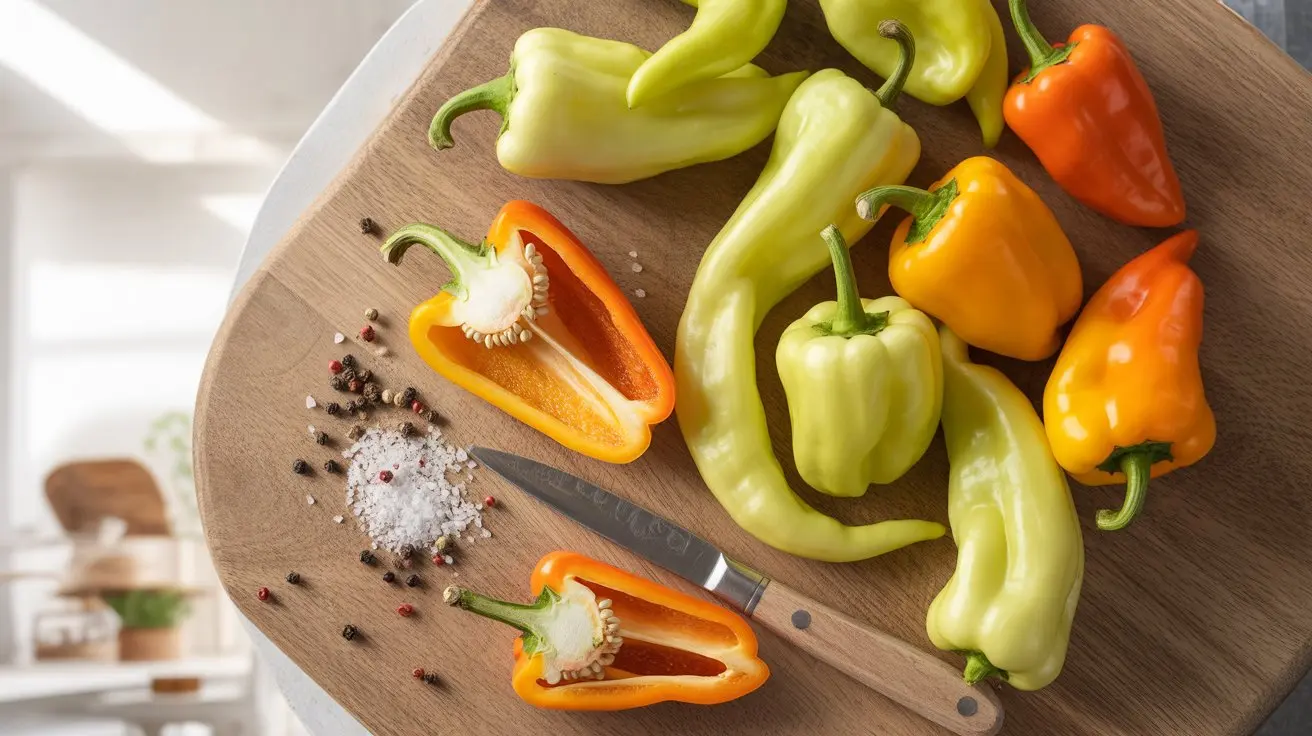

The cascabella pepper hits 1,500–6,000 SHU with a tangy, bright flavor that sets it apart from most peppers in its heat class. Small and round, this yellow C. annuum from Mexico ripens through yellow to orange-red and delivers a citrusy snap that makes it genuinely useful both fresh and pickled. Heat sits right in the medium heat band — approachable but not timid.
- Species: C. annuum
- Heat tier: Medium (1K–10K SHU)
What is ?
First time I bit into a cascabella, I expected something like a banana pepper. Instead, the tang hit first — sharp and almost lemony — followed by a slow, even warmth that built at the back of the throat. That combination of bright acidity and measured heat is what makes the cascabella pepper worth knowing.
Ranging from 1,500 to 6,000 SHU, cascabellas sit roughly at the same heat ceiling as Chimayo's carefully cultivated landrace varieties but carry a distinctly different flavor identity. The small, round pods — typically 1 to 1.5 inches across — start waxy yellow and ripen through orange to red, with each stage offering slightly different flavor intensity.
Botanically a Capsicum annuum, this pepper belongs to the same species as bell peppers and jalapeños, but its sensory profile skews more acidic than either. The flesh is thick enough to hold up in brine, which is exactly why cascabellas dominate the pickle jar market. You'll find them jarred in most grocery stores even if you've never seen them fresh.
Compared to a guajillo's mild dried-chile warmth, cascabella heat is brighter and more immediate. It's not a subtle pepper, but it's also not going to chase anyone away from the table. The tangy character persists even after cooking, making it more flexible than its modest SHU range might suggest.
History & Origin of
The cascabella traces its roots to Mexico, where small, round peppers have been cultivated for centuries across diverse regional traditions. The name itself — derived from the Spanish word for "little bell" or "rattle" — likely references the dried pod's shape and the sound seeds make inside.
Commercial cultivation expanded significantly in the United States during the 20th century, particularly in California, where the pepper became a staple of the commercial pickling industry. Unlike peppers tied to specific regional cooking traditions, the cascabella's identity in North America became closely linked to the pickle jar.
Its origins in Mexico's pepper-growing traditions connect it to a broader family of small, hot wax-type peppers that served both fresh and dried culinary purposes. Today, cascabellas remain widely grown commercially, though home gardeners are increasingly rediscovering them for fresh use beyond the brine.
How Hot is ? Heat Level & Flavor
The delivers 2K–6K Scoville Heat Units, placing it in the Medium tier (1K–10K SHU).
Flavor notes: tangy and bright.
Nutrition Facts & Health Benefits
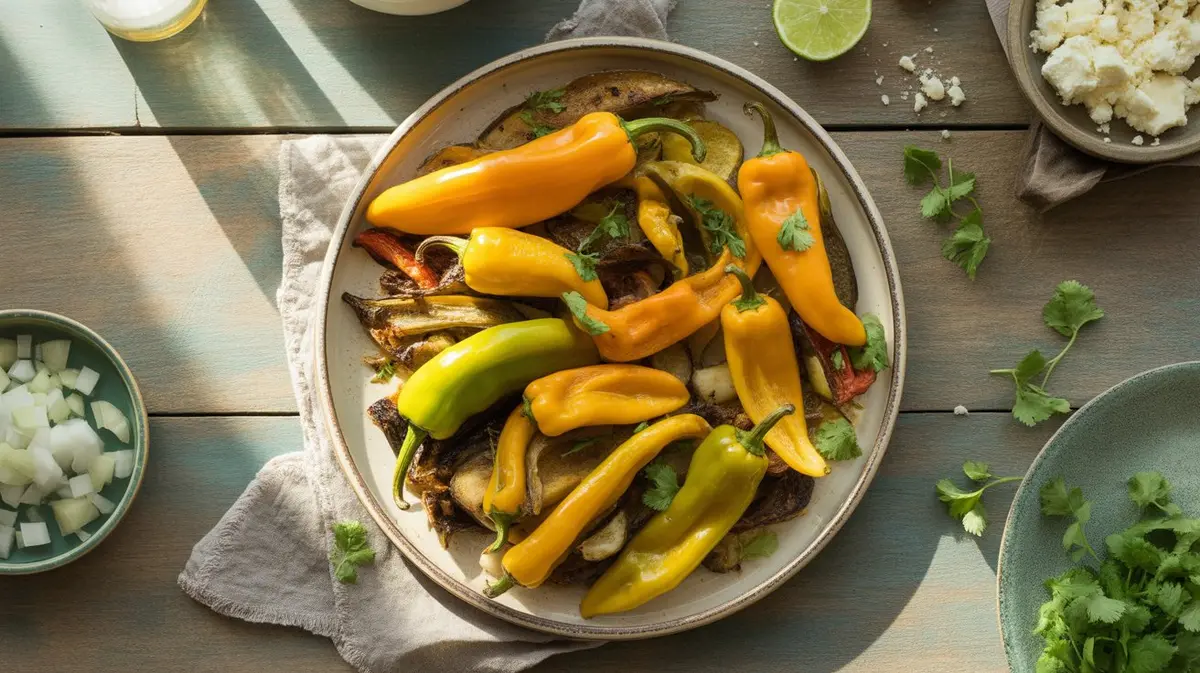
Like most C. annuum peppers, cascabellas deliver meaningful vitamin C — yellow-stage pods especially, where ascorbic acid content peaks before ripening reduces it. A 100-gram serving provides roughly 120–150% of daily vitamin C needs, along with vitamin A, potassium, and dietary fiber.
Capsaicin, the compound responsible for heat, has been studied for anti-inflammatory and metabolic effects. The biological mechanism behind why peppers produce that burn involves TRPV1 receptor interaction — the same pathway active in cascabellas at their upper 6,000 SHU end.
Calorie count is minimal: roughly 30–40 calories per 100 grams fresh.
Best Ways to Cook with Peppers
Pickling is where the cascabella truly earns its reputation. The thick walls hold up in brine without turning mushy, and the natural tang of the fresh pepper amplifies beautifully with vinegar. A simple quick-pickle preparation using white or apple cider vinegar, salt, and garlic takes about 20 minutes and produces something genuinely better than most jarred versions.
Fresh cascabellas work well sliced thin on sandwiches or chopped into relishes where you want heat and acid together. The citrusy brightness pairs naturally with fatty proteins — pork carnitas, fried chicken, rich cheeses — in the same way a squeeze of lemon cuts through richness.
For cooking, add them early if you want the heat to mellow and integrate, or late if you want that tangy punch to stay front and center. They're thinner-skinned than a waxy Hungarian-style pepper with similar heat, so they cook down faster.
Dried cascabellas shift flavor toward something earthier and slightly smoky — closer to the profile of a deeply flavored dried pasilla. Grind them into spice blends or rehydrate for sauces where you want complexity without extreme heat. The yellow-stage pods deliver the sharpest tang; red-ripe ones are sweeter and fuller.
Where to Buy & How to Store
Fresh cascabellas appear occasionally at farmers markets and specialty grocers during late summer, but jarred versions — pickled in vinegar brine — are the most common commercial form and available year-round in most supermarkets.
For practical guidance on storing fresh and dried peppers: fresh cascabellas keep 1–2 weeks refrigerated in a paper bag or loosely wrapped. Avoid sealed plastic, which accelerates moisture buildup and softening.
Pickled cascabellas keep up to a year unopened; refrigerate after opening and use within 2–3 months. Dried pods store well in an airtight container away from light for 6–12 months.
Best Substitutes & Alternatives
Whether you ran out of or just want to try something different, these peppers make solid stand-ins. We picked them based on heat range, flavor overlap, and how well they actually work in the same dishes.
Our top pick: Chimayo Pepper (4K–6K SHU). Same species (C. annuum) and nearly the same heat, so it swaps in at a 1:1 ratio without changing the character of the dish. The flavor leans earthy and sweet, which is close enough that most people won’t notice the difference in a cooked recipe.
How to Grow Peppers
Cascabella plants are compact and productive — a good fit for containers or raised beds where space is limited. Start seeds 8–10 weeks before last frost indoors, maintaining soil temperature around 80–85°F for germination, which typically takes 10–14 days.
Transplant outdoors once nighttime temperatures stay consistently above 55°F. Full sun is non-negotiable; these plants need 6–8 hours daily to produce well. Space them 18 inches apart to allow airflow and reduce fungal pressure, which wax-type peppers can be susceptible to in humid conditions.
A step-by-step growing guide for pepper plants covers soil prep and fertilization schedules in detail, but the short version for cascabellas: go easy on nitrogen once flowering begins or you'll get lush foliage at the expense of fruit set.
Days to maturity run 70–80 days from transplant to yellow-ripe stage. The plants hold fruit well, so you can harvest across multiple stages — yellow for maximum tang, orange for balance, red for sweetness. Unlike the curved, elongated form of goat horn varieties at comparable heat, cascabella's compact round pods cluster densely near the top of the plant, making harvest straightforward.
Frequently Asked Questions
-
The cascabella ranges from 1,500 to 6,000 SHU, putting its ceiling roughly equal to a mid-range jalapeño at around 5,000 SHU. At the lower end it's noticeably milder, but the tangy flavor makes the heat feel more prominent than the numbers alone suggest.
-
The dominant flavor is tangy and citrusy — almost lemony — with a brightness that distinguishes it from most wax-type peppers. Heat builds gradually and sits at the back of the throat rather than hitting immediately on the lips.
-
Both work well, though the commercial market heavily favors pickled cascabellas. Fresh, they're excellent sliced thin on sandwiches, chopped into relishes, or used anywhere you want simultaneous heat and acid without reaching for a separate citrus component.
-
Yellow-stage pods deliver the sharpest tang and highest vitamin C; red-ripe ones are sweeter and slightly less acidic. All stages are edible and useful — harvest across multiple stages from the same plant to get different flavor profiles.
-
No — they're related C. annuum peppers but distinct varieties with different shapes and heat levels. Cascabellas are round and hotter (up to 6,000 SHU) with a sharper tang, while banana peppers are elongated and typically milder, rarely exceeding 500 SHU.
- Chile Pepper Institute - Capsicum Species Overview
- University of California Cooperative Extension - Pepper Production
- USDA FoodData Central - Sweet Peppers Nutritional Data
- Bosland & Votava - Peppers: Vegetable and Spice Capsicums (CABI Publishing)
Species classification: C. annuum — based on published botanical taxonomy.