Bolivian Rainbow Pepper

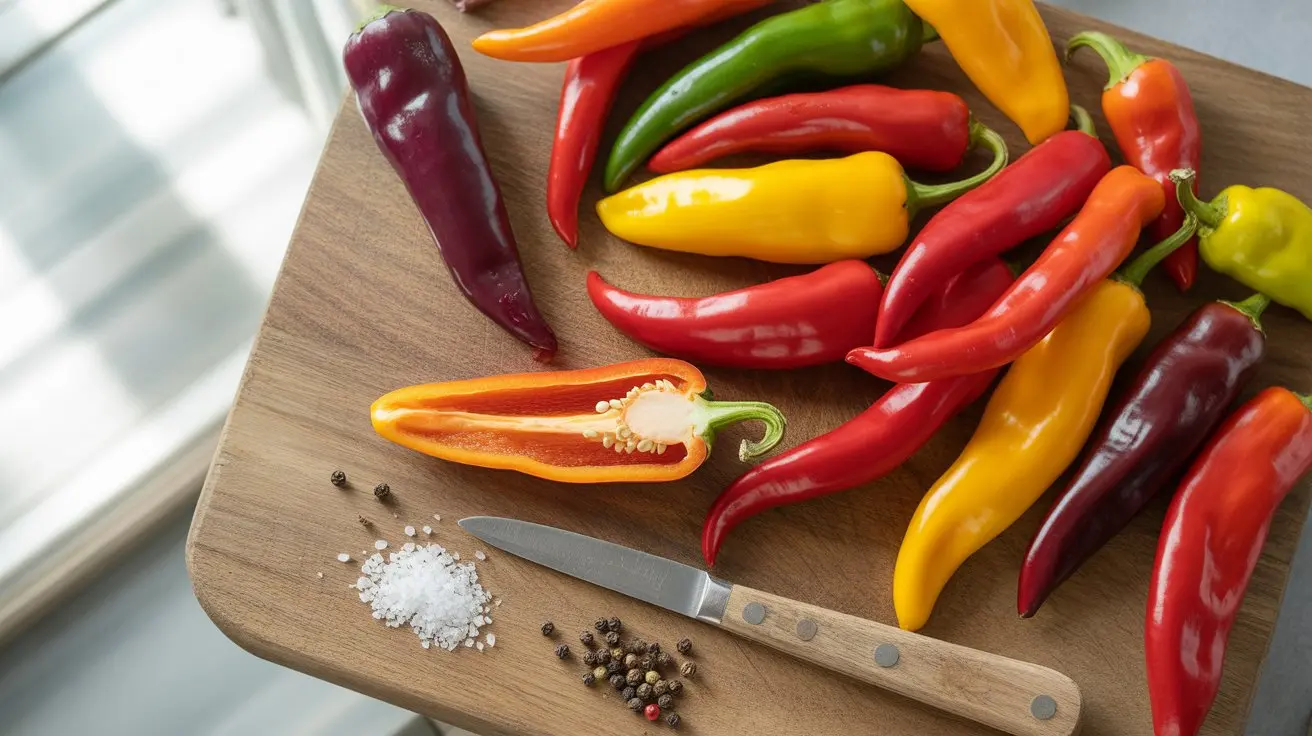
The Bolivian Rainbow Pepper is one of the most visually striking peppers you can grow, producing clusters of small fruits that ripen through purple, yellow, orange, and red on the same plant simultaneously. At 10,000-30,000 SHU, it sits comfortably in the hot pepper intensity bracket - roughly 6 times hotter than a jalapeño - while delivering enough flavor complexity to make it genuinely useful in the kitchen.
- Species: Capsicum annuum
- Heat tier: Hot (10K–100K SHU)
- Comparison: 6x hotter than a jalapeño
What is Bolivian Rainbow Pepper?
Few peppers earn their name as literally as the Bolivian Rainbow. Compact plants produce dense clusters of upright fruits that cycle through purple, cream, yellow, orange, and red as they ripen - sometimes all five colors visible on a single plant at once. The effect is more ornamental garden showpiece than vegetable crop, yet the flavor holds its own.
At 10,000-30,000 SHU, the heat lands in roughly the same territory as the sharp, citrus-edged burn of Lemon Drop - enough to notice immediately, but not so aggressive that it overwhelms food. The heat builds gradually rather than hitting all at once, which makes it easier to work with than peppers at the top of this range.
Fruits are small, typically 1-2 inches long, with thin walls and a slightly waxy skin. Flavor-wise, expect brightness with mild fruity undertones - the kind of pepper that adds heat and a little character without dominating a dish. Fully ripe red fruits are hottest and carry the most developed flavor.
The plant itself grows 18-24 inches tall, making it one of the more manageable hot peppers for containers or raised beds. It belongs to Capsicum annuum, the same species as bell peppers and jalapeños, which means it plays well in most standard growing setups. Whether you grow it for the kitchen or the garden display, it delivers on both fronts.
History & Origin of Bolivian Rainbow Pepper
The name suggests Bolivian origins, though documented cultivation history is thin. Capsicum annuum peppers have been cultivated throughout South America for thousands of years, and small, upright-fruiting varieties like this one appear across Andean and lowland regions.
How the Bolivian Rainbow entered the North American seed trade is not precisely documented. It gained popularity primarily as an ornamental variety during the late 20th century, when interest in decorative edible plants expanded significantly. Seed companies began listing it alongside other compact, colorful annuums marketed for container growing.
Despite its ornamental reputation, growers who actually cooked with the fruits helped establish it as a legitimate culinary pepper - not just a pretty plant. Today it appears in both hot pepper growing guides and ornamental gardening catalogs, occupying an unusual dual role that few other peppers manage.
How Hot is Bolivian Rainbow Pepper? Heat Level & Flavor
The Bolivian Rainbow Pepper delivers 10K–30K Scoville Heat Units, placing it in the Hot tier (10K–100K SHU). That makes it roughly 6x hotter than a jalapeño.
Bolivian Rainbow Pepper Nutrition Facts & Health Benefits
Like most hot peppers, Bolivian Rainbow fruits are low in calories and deliver useful amounts of vitamins C and A, particularly in ripe red fruits. The capsaicin content - responsible for the molecular heat response in capsaicin-driven burn - falls in the moderate range consistent with 10,000-30,000 SHU peppers.
Vitamin C content increases as fruits ripen from purple through to red. Small fruits mean you're typically consuming several at once rather than a single large pepper, which affects the practical nutritional contribution per serving. Antioxidant levels track with color intensity - the deepest red fruits carry the most.
Best Ways to Cook with Bolivian Rainbow Peppers
The Bolivian Rainbow's thin-walled fruits dry quickly and grind into a bright, moderately hot powder that works anywhere you'd reach for cayenne but want something with a bit more personality. The flavor isn't as one-dimensional as straight cayenne heat - there's a slight fruitiness that comes through, especially in dried preparations.
Fresh, the small size means they're best used whole or roughly chopped into salsas, stir-fries, or pickled for condiments. The heat level - comparable to the moderate burn of Bishop's Crown varieties - makes them approachable for cooking without constant caution about overdoing it.
They pair well with acidic ingredients: lime juice, vinegar, tomatoes. That acidity brightens the fruity notes and keeps the heat from feeling flat. For anyone familiar with the smoky dried-chili character of De Arbol's heat profile, the Bolivian Rainbow offers a fresher, less smoky alternative in similar heat territory.
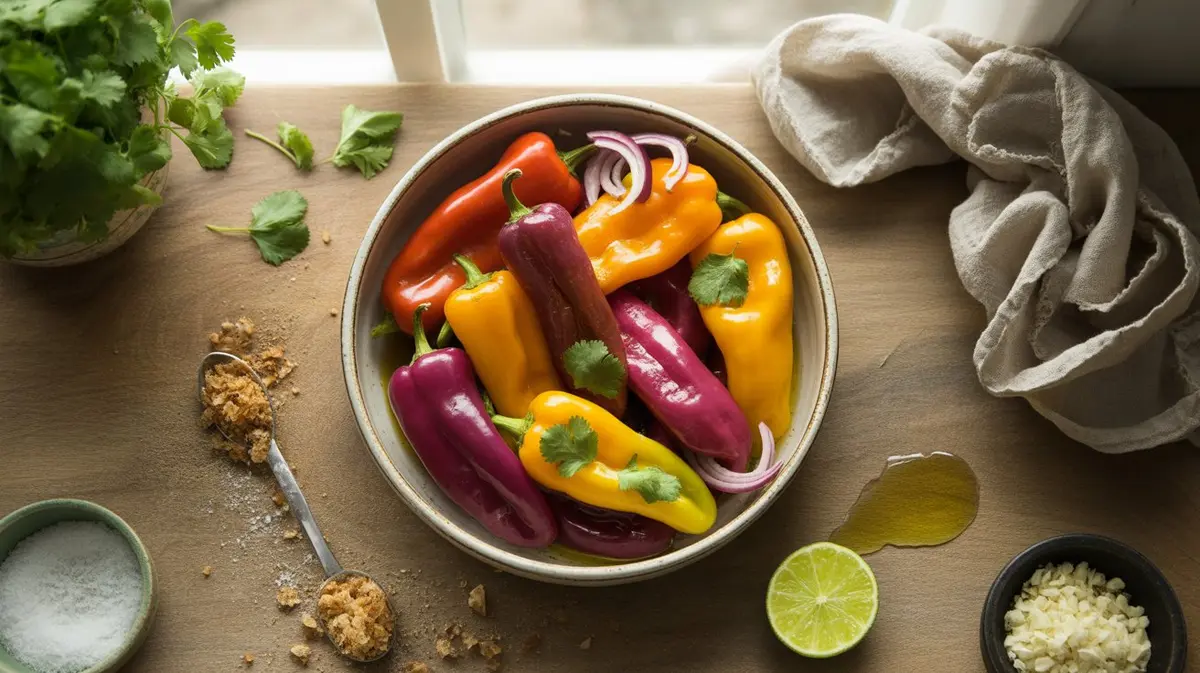
Pickling is particularly effective - the thin walls absorb brine quickly, and the visual mix of differently-colored fruits in a jar looks genuinely impressive. Infused oils and hot sauces are other natural applications. For dishes where the broad culinary range of thick-walled Manzano varieties would be too substantial, these smaller fruits slip in easily.
Where to Buy Bolivian Rainbow Pepper & How to Store
Fresh Bolivian Rainbow peppers are uncommon in grocery stores - your best source is farmers markets, specialty produce shops, or growing your own. Seeds are widely available from ornamental and specialty pepper seed companies.
Fresh fruits keep 1-2 weeks refrigerated in a paper bag. For longer storage, drying is the most practical option: the thin walls make them excellent candidates for air-drying or a dehydrator at 125-135°F. Dried fruits store in an airtight container for up to a year without significant heat loss. Freezing works too - no blanching needed, just freeze whole and use directly from frozen in cooked applications.
Best Bolivian Rainbow Pepper Substitutes & Alternatives
Whether you ran out of bolivian rainbow pepper or just want to try something different, these peppers make solid stand-ins. We picked them based on heat range, flavor overlap, and how well they actually work in the same dishes.
Our top pick: Lemon Drop (15K–30K SHU). The heat level is close enough for a direct swap in salsas, sauces, and stir-fries. Flavor leans citrusy and bright, so the taste will shift a bit — but the overall heat stays in the same range.
How to Grow Bolivian Rainbow Peppers
Start seeds indoors 8-10 weeks before last frost. Germination runs 10-21 days at soil temperatures around 80-85°F - a heat mat helps considerably. The plants are compact enough for 3-gallon containers but produce more heavily in ground beds with consistent moisture.
Full sun is non-negotiable. Less than 6 hours and you'll get leggy plants with reduced fruit set. Space plants 18 inches apart to allow airflow, which matters for a variety this dense with foliage and fruit clusters.
One practical note: watch for pepper blossom end rot if your watering is inconsistent. Calcium uptake issues show up on small-fruited varieties just as readily as larger ones. Mulch helps regulate soil moisture between waterings.
For anyone growing the similarly compact and productive Jwala cultivation style, the care requirements are nearly identical - both want heat, consistent water, and good drainage. Bolivian Rainbow plants are also worth checking against standard jalapeño transplanting techniques since the timing and hardening-off process applies directly. Expect fruit from 70-90 days after transplant.
Frequently Asked Questions
-
They are fully edible at every stage of ripening, from purple through red. The ripe red fruits carry the most heat and the most developed flavor, making them the best choice for cooking.
-
At 10,000-30,000 SHU, Bolivian Rainbow peppers overlap significantly with cayenne, which typically runs 30,000-50,000 SHU - putting them at roughly half to equal cayenne's heat depending on individual fruit. They sit firmly in the hot pepper classification without approaching the extreme ranges.
-
The multi-color display happens because individual fruits ripen at different rates on the same plant, passing through purple, cream, yellow, and orange before reaching red. This is a genetic trait of the variety, not a sign of disease or stress.
-
Yes - their compact 18-24 inch height and dense growth habit make them one of the better hot peppers for container growing. A 3-5 gallon pot with good drainage and full sun will support a productive plant through the season.
-
Drying is the most practical method - the thin walls dehydrate quickly and the resulting dried peppers grind into a useful powder. Pickling in a vinegar brine is another excellent option, and the mix of colors in a jar makes for an attractive result.
- Chile Pepper Institute - Capsicum annuum Species Overview
- USDA GRIN - Capsicum annuum Germplasm Resources
- Baker Creek Heirloom Seeds - Bolivian Rainbow
- University of California Cooperative Extension - Pepper Production
Species classification: Capsicum annuum — based on published botanical taxonomy.