
Black Hungarian Pepper

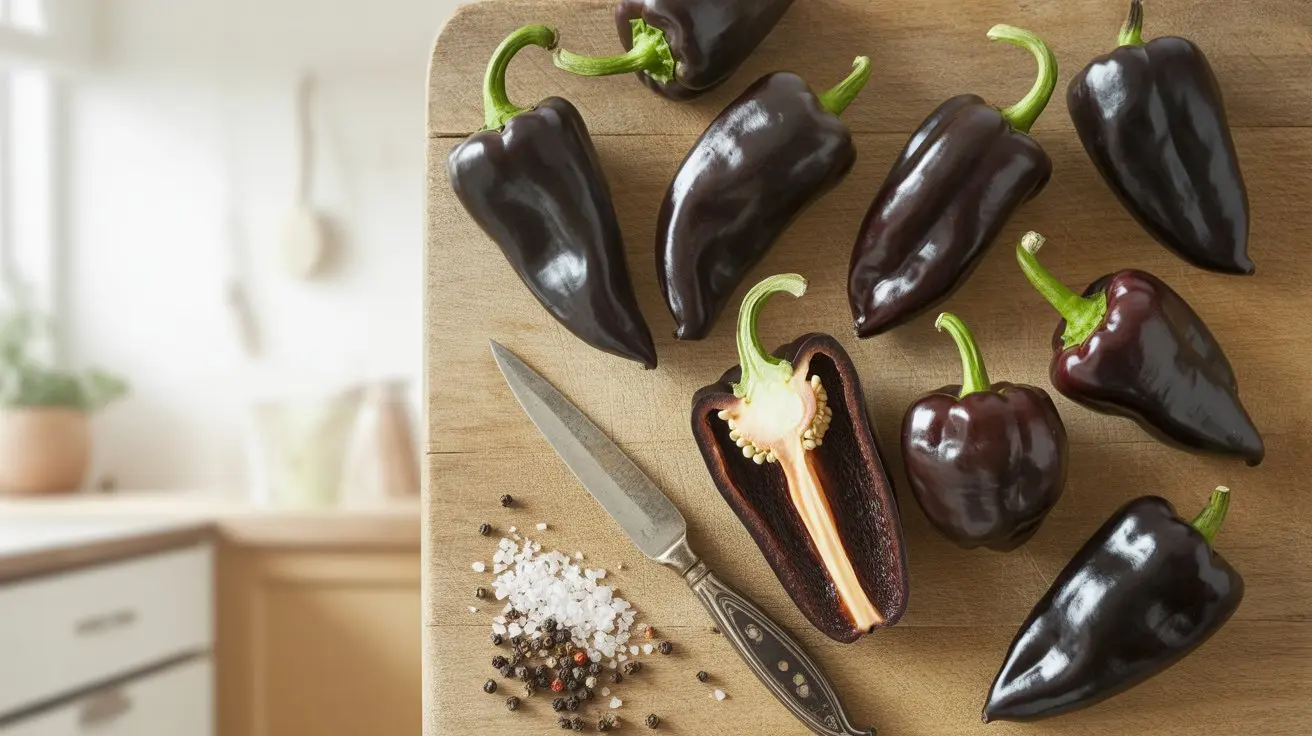
The black hungarian pepper is a visually striking Capsicum annuum variety from Hungary, registering 5,000-10,000 SHU - roughly twice the heat of a tabasco sauce pepper. Its deep purple-black skin ripens to red, delivering a sweet, mildly hot flavor with floral undertones. A garden showpiece that pulls double duty as a genuinely useful kitchen pepper.
- Species: Capsicum annuum
- Heat tier: Hot (10K–100K SHU)
- Comparison: 2x hotter than a jalapeño
What is Black Hungarian Pepper?
Bite into a black hungarian pepper before it fully ripens and you get something unexpected: a sweet, almost bell-like aroma that opens ahead of any heat. The flavor follows that lead - fruity and mild at first, then building to a steady warmth that lands around 5,000-10,000 SHU, placing it in the hot pepper intensity zone without overwhelming the palate.
The pepper's most talked-about feature is its color. Pods emerge a deep purple-black, sometimes showing violet-tinged flesh when sliced, then gradually transition to red at full maturity. The pointed shape and dark foliage make it one of the more ornamental peppers you can grow, though it earns its place in the kitchen too.
Compared to a tabasco sauce pepper (roughly 2,500-5,000 SHU), the black hungarian sits about twice as hot at peak heat - noticeable but manageable. That moderate intensity makes it flexible: you can eat it fresh, roast it, or pickle it without the heat dominating everything else on the plate.
The Capsicum annuum species includes an enormous range of peppers, from sweet bells to fiery chiles, and the black hungarian sits in an interesting middle ground - ornamental enough to grow for looks, flavorful enough to cook with seriously. If you want to understand why that heat builds the way it does, the capsaicin receptor science behind pepper burn explains the mechanism clearly.
History & Origin of Black Hungarian Pepper
Hungary has a long tradition of pepper cultivation stretching back to the 16th century, when Capsicum annuum varieties arrived in Central Europe via Ottoman trade routes. The black hungarian pepper emerged from this tradition, though its exact breeding history is not precisely documented in the historical record.
The pepper likely developed as a regional selection prized for its striking appearance alongside its utility. Hungarian pepper culture runs deep - the country is famous for its paprika production, and growers there have historically selected for both flavor and visual character in their varieties.
By the late 20th century, the black hungarian had made its way into specialty seed catalogs in North America and Western Europe, where it gained a following among ornamental vegetable growers and pepper enthusiasts. Today it appears regularly in heirloom and open-pollinated seed collections, valued as much for its garden presence as its culinary versatility.
How Hot is Black Hungarian Pepper? Heat Level & Flavor
The Black Hungarian Pepper delivers 5K–10K Scoville Heat Units, placing it in the Hot tier (10K–100K SHU). That makes it roughly 2x hotter than a jalapeño.
Flavor notes: sweet and mild.
Black Hungarian Pepper Nutrition Facts & Health Benefits
Like most Capsicum annuum varieties, black hungarian peppers deliver solid nutritional value relative to their caloric load. A 100g serving provides roughly 31 calories, with significant vitamin C content - often exceeding 100mg, which covers more than a day's requirement.
The dark coloration indicates elevated anthocyanin levels, the same antioxidant compounds found in blueberries and purple cabbage. These decrease as the pepper ripens to red, so the black stage offers a nutritional profile distinct from the mature fruit.
Capsaicin content at this SHU range contributes anti-inflammatory properties studied in peer-reviewed research. The pepper also provides vitamin A, potassium, and small amounts of B vitamins.
Best Ways to Cook with Black Hungarian Peppers
The aroma hits first when you slice a black hungarian pepper - floral and slightly sweet, closer to a roasted bell pepper than anything fiery. That scent is a reliable preview of the flavor: fruity sweetness upfront, then a measured heat that builds without spiking.
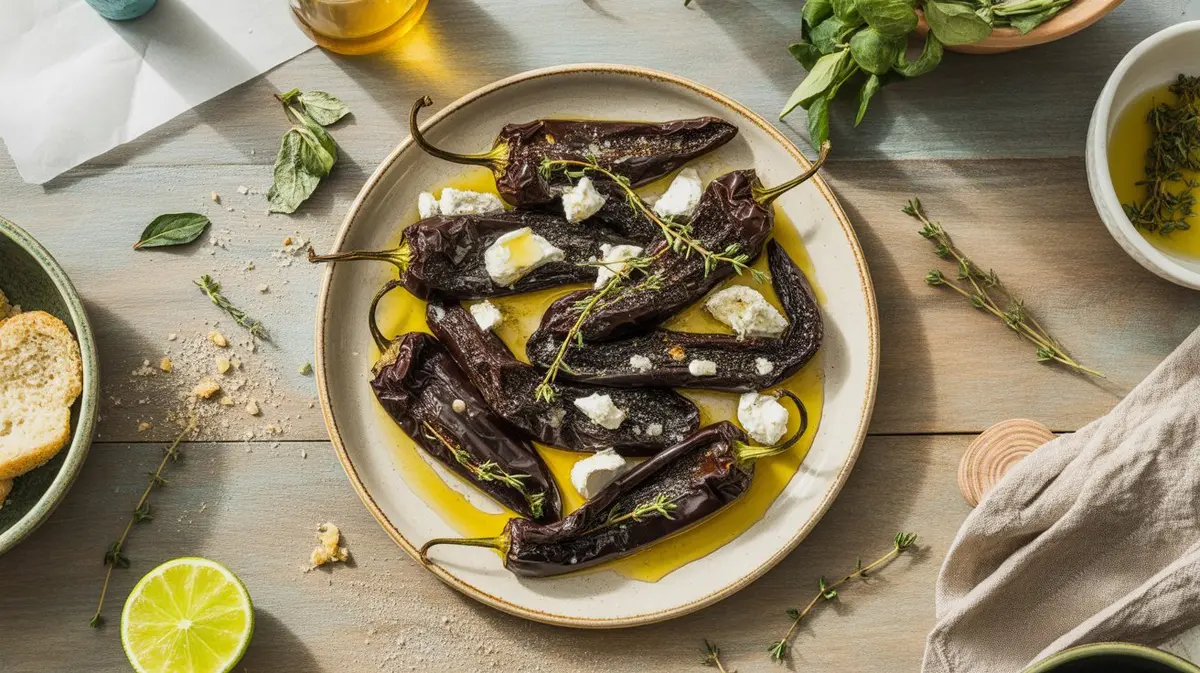
Fresh peppers work well in salsas and salads where their color creates visual contrast. The dark skin holds up through roasting, which deepens the sweetness considerably. Roasted black hungarians blended into sauces or spreads add both color and a layered flavor that's hard to replicate with more common varieties.
For comparison, smoked dried peppers with earthy depth from Mexican tradition share a similar heat range but bring a completely different flavor profile - smokier and darker. The black hungarian stays brighter and fruitier, making it better suited to fresh preparations or quick-cooked dishes.
Pickling is another strong application. The pepper's firm flesh holds its structure in brine, and the vinegar plays well against the natural sweetness. Stuff them with cheese or meat for an appetizer that looks dramatic on a plate.
At 5,000-10,000 SHU, the heat is approachable enough that you can use these generously without building a dish around managing spice. Think of them the way you might use a Fresno or a poblano - as a flavor pepper that happens to have some kick.
Where to Buy Black Hungarian Pepper & How to Store
Fresh black hungarian peppers are rarely found in standard grocery stores - specialty markets, farmers markets, and farm stands are your best options during late summer. More reliably, seeds are widely available from heirloom seed companies including Baker Creek and Seed Savers Exchange.
Fresh peppers keep 1-2 weeks refrigerated in a paper bag or breathable container. Avoid sealed plastic, which accelerates moisture buildup and decay.
For longer storage, roast and freeze them - they hold well for 6 months and can go directly from freezer to pan. Whole peppers can also be pickled or dried, though drying the black stage requires lower temperatures to preserve color.
Best Black Hungarian Pepper Substitutes & Alternatives
Whether you ran out of black hungarian pepper or just want to try something different, these peppers make solid stand-ins. We picked them based on heat range, flavor overlap, and how well they actually work in the same dishes.
Our top pick: Gochugaru (2K–10K SHU). The heat level is close enough for a direct swap in salsas, sauces, and stir-fries. Flavor leans smoky and sweet, so the taste will shift a bit — but the overall heat stays in the same range.
How to Grow Black Hungarian Peppers
Black hungarian peppers are reliable producers that reward growers with both visual drama and a solid harvest. Start seeds indoors 8-10 weeks before your last frost date. Germination is straightforward - soil temperatures around 80-85°F get seeds moving within 10-14 days. For a detailed walkthrough on timing and technique, the germination guide for growing jalapeños covers fundamentals that apply directly here.
Transplant outdoors after frost danger passes, spacing plants 18 inches apart. Full sun is non-negotiable for good fruit set and the deep coloration that makes this variety worth growing. The dark foliage can absorb heat efficiently, which helps in cooler climates.
Days to maturity typically run 70-80 days from transplant to the black stage, with full red ripeness coming a few weeks later. Both stages are edible - the black phase delivers more sweetness, the red adds a touch more heat.
For those also maintaining habanero plants nearby, the practical guide to growing habaneros is worth reading alongside this variety since both benefit from similar soil pH (6.0-6.8) and consistent moisture. The black hungarian is somewhat more forgiving of temperature swings than hotter varieties, making it a reasonable choice for gardeners in zones with unpredictable summers.
Container growing works well with pots at least 5 gallons in size. The ornamental foliage makes container plants genuinely attractive on patios.
Frequently Asked Questions
-
Both stages are fully edible and worth harvesting depending on your use. The black stage delivers sweeter, fruitier flavor with slightly less heat, while fully red peppers are hotter and more complex. Most growers pick some at each stage to compare.
-
At 5,000-10,000 SHU, the black hungarian runs roughly twice as hot as tabasco sauce, which sits around 2,500-5,000 SHU on the Scoville rating system. It's noticeable heat but well within the range most people handle comfortably.
-
Yes - as a Capsicum annuum variety, it will readily cross with other annuum species like bells, jalapeños, and fresnos if grown nearby. Space them at least 300 feet apart or use isolation bags if you're saving seeds for true-to-type plants next season.
-
That's normal ripening behavior - the purple-black color is a juvenile stage, and all pods eventually transition to red at full maturity. If you want to use them at the black stage, harvest before they show red blush at the tip.
-
They dry reasonably well, though the dark color fades significantly during the drying process. Dried and ground, they produce a reddish powder with mild heat similar to Korean chili flakes with moderate spice - good for general seasoning use.
- Chile Pepper Institute - Capsicum annuum Varieties
- Baker Creek Heirloom Seeds - Black Hungarian Pepper
- USDA FoodData Central - Raw Peppers Nutritional Data
- Seed Savers Exchange - Open-Pollinated Pepper Varieties
Species classification: Capsicum annuum — based on published botanical taxonomy.