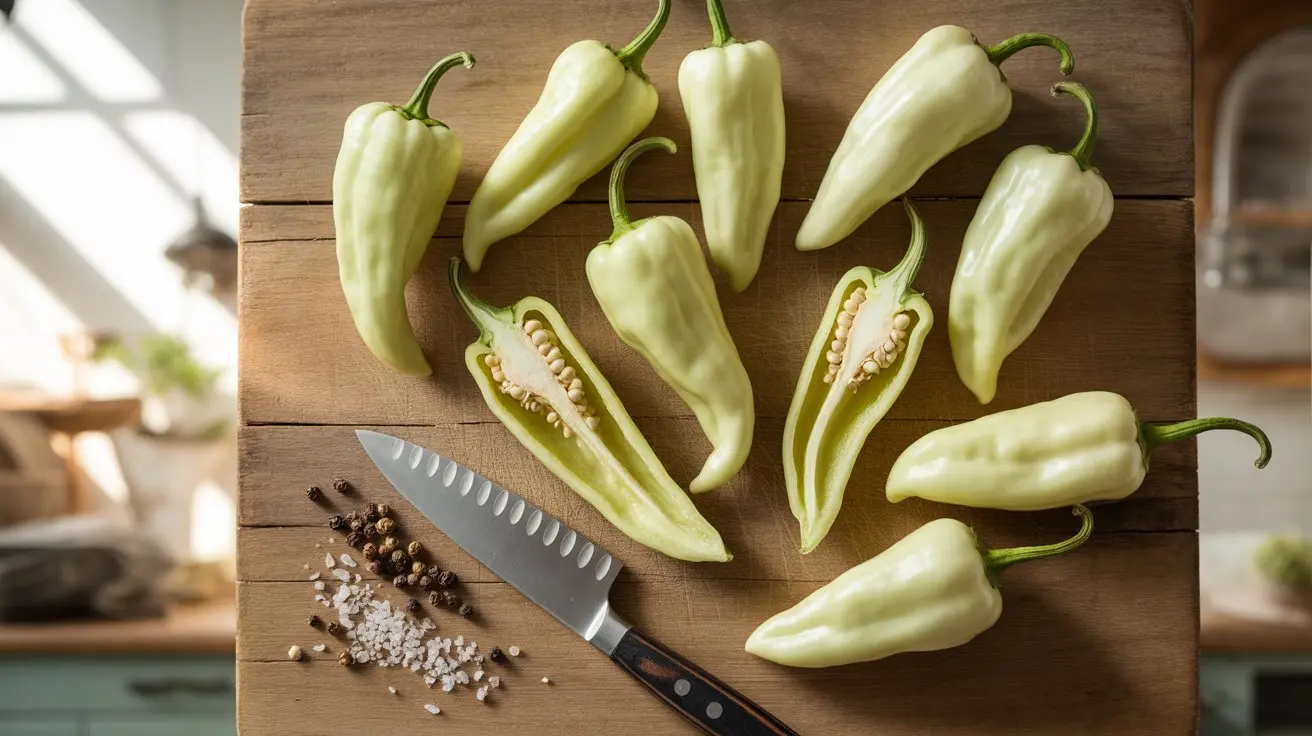
Bhut Jolokia White

The Bhut Jolokia White is a rare color variant of the legendary ghost pepper, registering 800,000–1,000,000 SHU - roughly 200 times hotter than a jalapeño. Originating in northeastern India, it carries the same fruity, floral heat as its red cousin but in a pale, wrinkled package that is genuinely hard to source. Worth the hunt for serious heat enthusiasts.
- Species: C. chinense
- Heat tier: Super-Hot (1M+ SHU)
- Comparison: 200x hotter than a jalapeño
What is Bhut Jolokia White?
In the Assam and Nagaland regions of northeastern India, the ghost pepper has been part of daily cooking and cultural ritual for centuries. The white variant is a natural color morph - same C. chinense genetics, same blistering heat, different pigmentation. At 800,000–1,000,000 SHU, it sits firmly in super-hot territory alongside some of the most punishing peppers on the planet.
The pods are unmistakable: elongated, deeply wrinkled, and creamy ivory to pale yellow at full maturity. That pale exterior contains the same capsaicin load that made the original ghost pepper's record-setting heat characteristics famous when it briefly held the world record in 2007. The burn builds slowly, then overwhelms.
Flavor-wise, there is genuine complexity here before the pain arrives. Fruity and floral notes - think tropical fruit with a faint floral edge - surface in the first few seconds. This makes the white variant particularly interesting for hot sauce makers who want extreme heat without the earthier notes of darker variants like the deep, smoky intensity of the chocolate ghost.
The Indian pepper tradition that produced this pepper spans thousands of years. Northeastern India remains one of the world's most biodiverse regions for Capsicum chinense, and the white ghost is among the most visually distinctive products of that diversity. It is rare in commercial markets but increasingly available through specialty seed suppliers.
History & Origin of Bhut Jolokia White
The ghost pepper's origins trace to the tribal communities of Assam, Nagaland, and Manipur in northeastern India, where it has been cultivated for generations as both food and pest deterrent. Indian farmers reportedly spread it on fences to keep elephants away - a practical application that speaks to its intensity.
The white variant emerged as a natural genetic mutation within these populations. It does not have a separate documented origin story from the red ghost; it is better understood as a color morph selected and stabilized over time by growers who found the pale pods distinctive.
Western attention arrived in 2007 when the ghost pepper was certified by Guinness as the world's hottest pepper. That recognition sent seed hunters scrambling for every variant, including the white. The broader C. chinense botanical family to which it belongs originated in South America but found extraordinary diversity in South and Southeast Asia through centuries of cultivation.
How Hot is Bhut Jolokia White? Heat Level & Flavor
The Bhut Jolokia White delivers 800K–1M Scoville Heat Units, placing it in the Super-Hot tier (1M+ SHU). That makes it roughly 200x hotter than a jalapeño.
Flavor notes: fruity and floral.
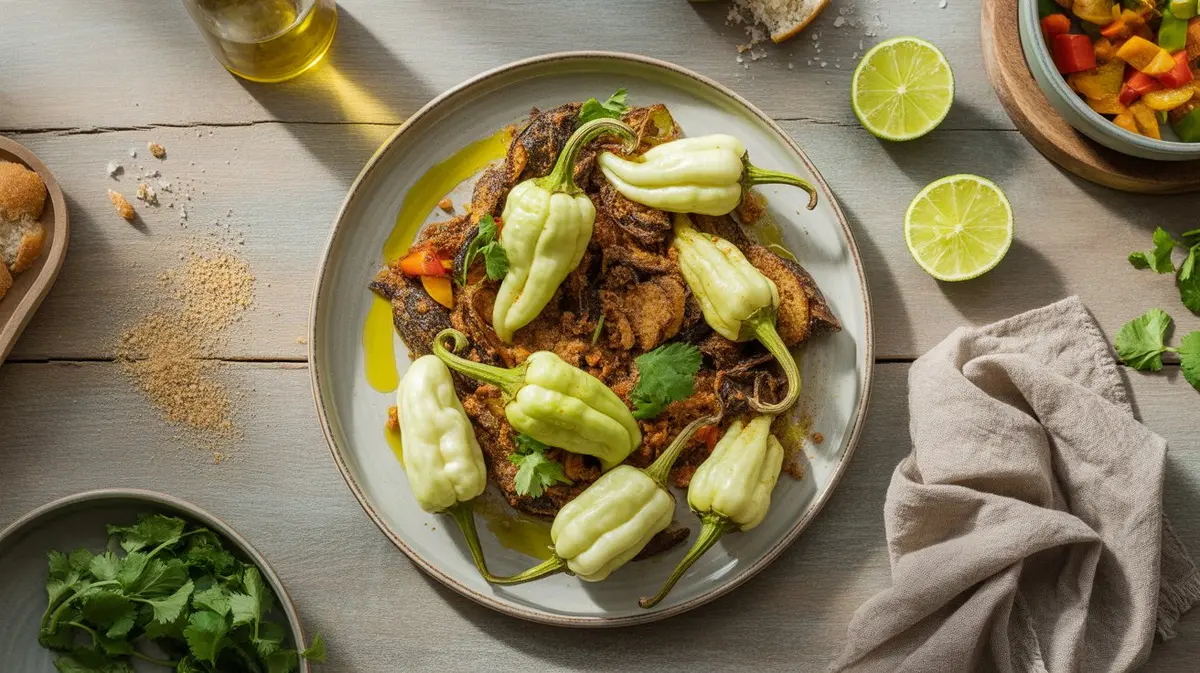
Bhut Jolokia White Nutrition Facts & Health Benefits
Like other super-hot C. chinense peppers, the white ghost is nutritionally dense relative to the tiny quantities you actually consume. Fresh pods contain significant vitamin C - far exceeding daily requirements per ounce, though the serving size is measured in fractions of a pepper.
Capsaicin, the compound responsible for the heat, has been studied for potential anti-inflammatory and metabolic effects. The molecular TRPV1 receptor response triggered by capsaicin is well-documented in pain research.
The white color variant contains less capsanthin (the red pigment) but retains comparable antioxidant compounds. Expect trace amounts of vitamin A, vitamin B6, and potassium in typical servings.
Best Ways to Cook with Bhut Jolokia White Peppers
Cooking with the white ghost requires the same respect you would give any pepper in this heat range. The fruity and floral top notes make it genuinely useful beyond pure shock value - those flavors survive into finished sauces if you do not overcook them.
Hot sauce is the most practical application. A small number of pods blended with mango, pineapple, or citrus creates a sauce where the fruit notes of the pepper reinforce the base ingredients. For reference, the culinary range of the 7 Pot Red Giant offers a useful comparison point - both peppers reward restraint.
Dried and powdered, the white ghost adds clean heat to dry rubs without the darker color that red or chocolate variants impart. This matters when you are seasoning lighter proteins or pale sauces where visual color is part of the dish.
Fresh, a single pod is enough to heat a large batch of chili or curry. Wear gloves. Do not touch your face. The slow-building burn of C. chinense peppers means you will not feel the full impact for 30-60 seconds, which catches people off guard.
For those exploring the super-hot classification for the first time, pairing with high-fat dairy in the finished dish helps manage the heat response.
Where to Buy Bhut Jolokia White & How to Store
Fresh white ghost peppers are rare in retail settings. Specialty pepper farms and farmers markets in the Southeast US occasionally carry them in late summer. Online, several specialty hot pepper vendors ship fresh pods seasonally - search for vendors who grow their own rather than resell.
Seeds are more reliably available through Indian pepper variety specialists and established seed banks like Baker Creek or Pepper Joe's.
Store fresh pods in the refrigerator in a paper bag for up to 2 weeks. For longer storage, freeze whole pods in a sealed bag - they hold heat and flavor well for 6-12 months. Dried pods keep 1-2 years in an airtight container away from light.
Best Bhut Jolokia White Substitutes & Alternatives
Whether you ran out of bhut jolokia white or just want to try something different, these peppers make solid stand-ins. We picked them based on heat range, flavor overlap, and how well they actually work in the same dishes.
Our top pick: Bhut Jolokia Yellow (800K–1M SHU). Same species (C. chinense) and nearly the same heat, so it swaps in at a 1:1 ratio without changing the character of the dish. The flavor leans fruity and citrusy, which is close enough that most people won’t notice the difference in a cooked recipe.
How to Grow Bhut Jolokia White Peppers
The white ghost is not a beginner pepper, but it is not as finicky as some super-hots either. Start seeds indoors 10-12 weeks before last frost - this variety needs a long season to produce well.
Germination requires consistent warmth: 80-85°F soil temperature speeds things up considerably. A heat mat under the seed tray is worth the investment. Expect 14-21 days to germination under good conditions.
Transplant outdoors only after nighttime temperatures stay reliably above 60°F. These plants are cold-sensitive at any stage. Full sun - at least 6-8 hours daily - is non-negotiable for fruit development.
For practical guidance on starting super-hots from seed indoors, the same temperature management principles apply. Space plants 18-24 inches apart and stake them - mature plants carrying fruit can reach 3-4 feet and get top-heavy.
The cultivation approach used for Jay's Peach Ghost Scorpion, another demanding C. chinense super-hot, translates well here: consistent moisture, well-draining soil, and patience. Fruit takes 120-150 days from transplant to full maturity. Do not rush harvest - pods picked before full color development lack the characteristic flavor complexity.
Frequently Asked Questions
-
The two are essentially equivalent, both measuring 800,000–1,000,000 SHU on the Scoville heat ranking scale. The white variant may taste slightly different due to altered pigmentation chemistry, but the capsaicin content is comparable.
-
It is a natural color morph that occurs within the same C. chinense ghost pepper population. Growers in northeastern India selected and stabilized the white-fruiting plants over generations, much like how the floral-fruity yellow variant was preserved separately.
-
Yes, with the understanding that the white variant has a slightly more floral, lighter flavor profile. The heat level is the same, so quantity adjustments are not necessary when swapping between variants.
-
Commercial demand has historically focused on the red ghost and newer hybrids, so fewer growers cultivate the white variant at scale. Its pale pods also show bruising more visibly than red variants, making commercial shipping and handling less practical.
-
Both sit in the same general heat range, but the Nagabon's visually striking pod shape distinguishes it from the white ghost's elongated, wrinkled form. Flavor profiles differ as well, with the Nagabon carrying more pronounced earthiness compared to the white ghost's floral notes.
- Chile Pepper Institute - Ghost Pepper Research
- Guinness World Records - Hottest Chili 2007
- Baker Creek Heirloom Seeds - Bhut Jolokia White
- USDA Plant Germplasm - Capsicum chinense
Species classification: C. chinense — based on published botanical taxonomy.