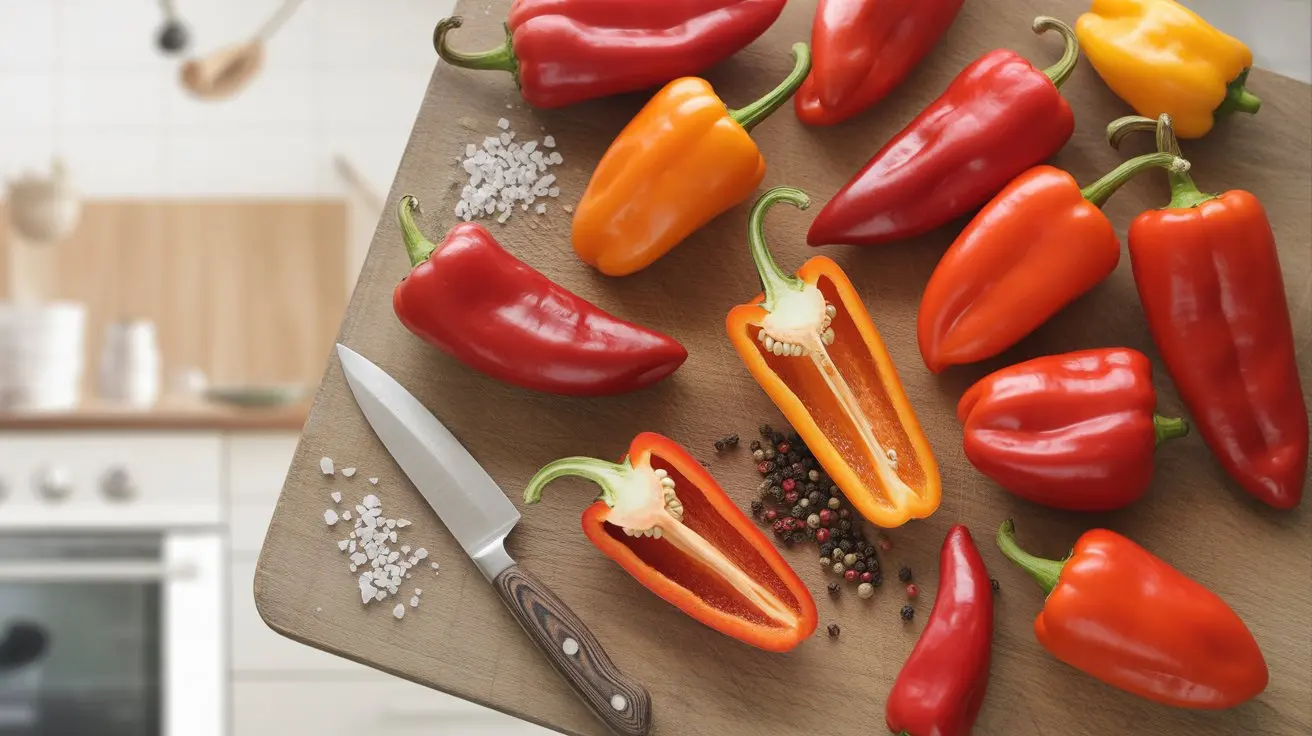
Apollo Pepper

The Apollo pepper is a Dutch-bred C. annuum that hits 50,000–100,000 SHU with a bright, crisp flavor that stays present even as the heat climbs. Tapered in shape and surprisingly clean on the palate, it sits roughly at the same heat band as intensely hot Brazilian chilis but carries a distinctly fresh character that makes it stand out in both raw and cooked applications.
- Species: C. annuum
- Heat tier: Extra-Hot (100K–1M SHU)
- Comparison: 20x hotter than a jalapeño
What is Apollo Pepper?
Bred in the Netherlands, the Apollo pepper represents the kind of precision plant development that Dutch horticulture is known for — consistent shape, reliable heat, and a flavor profile that doesn't disappear behind capsaicin burn.
At 50,000–100,000 SHU, Apollo lands squarely in the upper-medium-to-hot range. That puts it above the sharp, fiery heat of Thai Dragon-style chilis but well below the super-hot pepper category where things get genuinely dangerous. The heat is assertive without being punishing — something experienced cooks will appreciate.
The flavor itself is bright and crisp, with a clean vegetable quality that comes through particularly well when the pepper is fresh. That crispness is partly structural: the tapered form produces thick, firm walls that hold up well to slicing and high-heat cooking.
For context, Apollo runs about the same SHU ceiling as the dense-walled, round South American chili known for its apple-like crunch — though Apollo's flavor profile skews fresher and more direct. It's also in the same heat neighborhood as the small but ferociously hot chilis used across Southeast Asian cooking, though with considerably more flesh and a less pointed burn.
This is a pepper that rewards attention. The heat builds steadily rather than spiking, giving you time to actually taste what you're eating.
History & Origin of Apollo Pepper
The Apollo pepper's origins are firmly rooted in the Netherlands, which has been a global leader in controlled-environment agriculture and pepper breeding since the mid-20th century. Dutch seed companies developed Apollo as part of a broader push to create peppers with consistent commercial traits — uniform shape, reliable heat output, and disease resistance suitable for greenhouse production.
Unlike heirloom varieties with centuries of regional history, Apollo is a relatively modern cultivar, developed through selective breeding rather than landrace cultivation. Its C. annuum species classification connects it to one of the oldest domesticated pepper lineages in the Americas, but the variety itself reflects contemporary agricultural priorities.
The Dutch greenhouse industry exports pepper varieties worldwide, and Apollo has found growers in both commercial operations and home gardens looking for a dependable hot pepper with genuine flavor character.
How Hot is Apollo Pepper? Heat Level & Flavor
The Apollo Pepper delivers 50K–100K Scoville Heat Units, placing it in the Extra-Hot tier (100K–1M SHU). That makes it roughly 20x hotter than a jalapeño.
Flavor notes: bright and crisp.
Apollo Pepper Nutrition Facts & Health Benefits
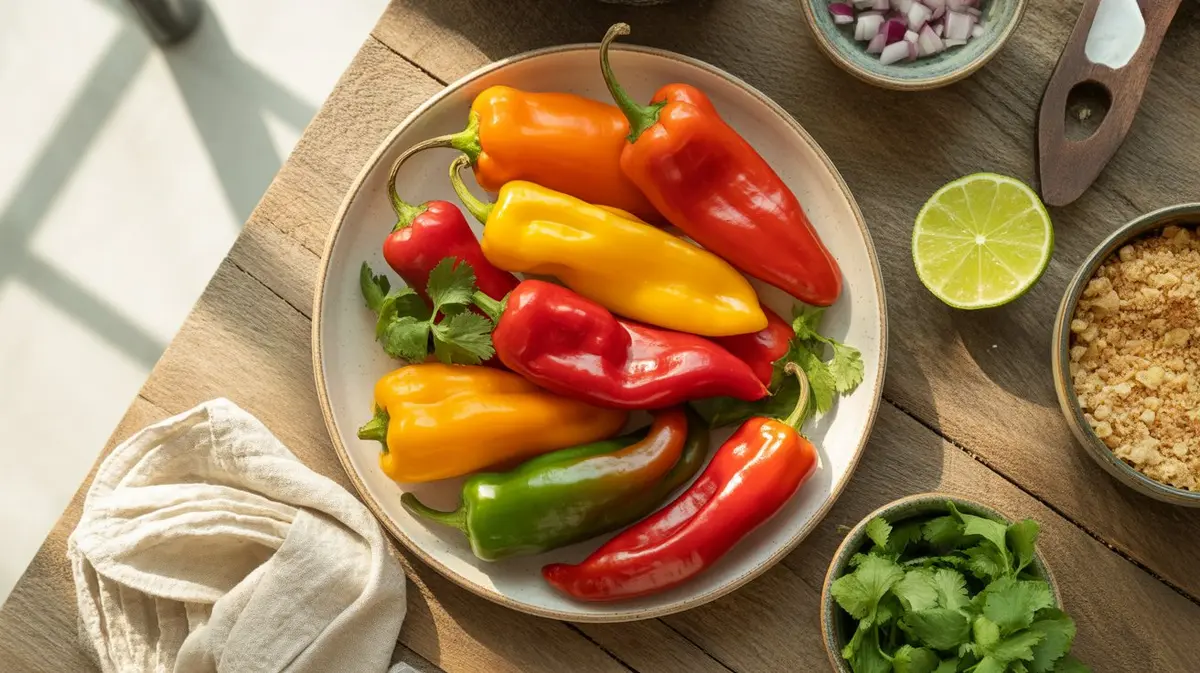
Like other C. annuum peppers, Apollo delivers meaningful nutrition alongside its heat. A 100g serving provides roughly 40 calories, with significant vitamin C — often exceeding daily requirements in a single pepper. The capsaicin responsible for Apollo's 50,000–100,000 SHU heat has been studied for its interaction with TRPV1 receptor activation and molecular pain response, with potential metabolic effects.
Apollo also contributes vitamin A (from carotenoids that develop as the fruit ripens), vitamin B6, and potassium. The fiber content is modest but present. Red-ripe fruits contain more antioxidants than green-harvested ones — one practical reason to let them fully mature before picking.
Best Ways to Cook with Apollo Peppers
Apollo's bright, crisp flavor opens it to more uses than its heat level might suggest. Fresh slices hold their texture well in salads and salsas, and the clean heat doesn't overwhelm other ingredients the way some hotter peppers do.
Roasting concentrates the sweetness and softens the heat slightly — a useful trick when you want Apollo's flavor without the full burn. Char it directly over a flame, let it steam in a covered bowl, then peel and use in sauces or relishes.
For heat comparison: Apollo tops out where the thick-walled Andean pepper with apple-like crunch reaches its ceiling, so recipes calling for that pepper can often use Apollo as a direct swap. The peach-toned pepper with sweet-heat complexity sits in the same SHU range and makes an interesting flavor contrast in mixed-pepper preparations.
Pickling is another strong application. The firm walls don't turn mushy in brine, and the bright flavor carries through the pickling process better than softer-walled varieties. Use a simple white wine vinegar brine with garlic and mustard seed.
Dried and ground, Apollo produces a moderately hot powder with enough flavor complexity to use as a standalone spice — not just a heat source. The cultivation characteristics of small, prolific Thai-style chilis make for a different dried product; Apollo's larger flesh gives you more body in the finished powder.
Where to Buy Apollo Pepper & How to Store
Apollo peppers aren't common in mainstream grocery stores — your best options are specialty produce markets, farmers markets with vendors who grow Dutch varieties, or ordering plants/seeds from reputable pepper seed suppliers.
When selecting fresh pods, look for firm, glossy skin with no soft spots or wrinkling. The tapered tip should be intact. Store unwashed in the refrigerator crisper drawer for up to 2 weeks.
For longer storage, roast and freeze (skins removed) or pickle in a vinegar brine. Dried Apollo holds well for 6–12 months in an airtight container away from light. Seeds from fully ripe fruits are viable for planting — worth saving if you find a good source.
Best Apollo Pepper Substitutes & Alternatives
Whether you ran out of apollo pepper or just want to try something different, these peppers make solid stand-ins. We picked them based on heat range, flavor overlap, and how well they actually work in the same dishes.
Our top pick: Sugar Rush Peach (50K–100K SHU). The heat level is close enough for a direct swap in salsas, sauces, and stir-fries. Flavor leans fruity and sweet, so the taste will shift a bit — but the overall heat stays in the same range.
How to Grow Apollo Peppers
Apollo is a greenhouse-origin variety, which means it performs best with consistent warmth and good light. That doesn't mean outdoor growing is off the table — it just means the plant rewards attention to conditions.
Start seeds indoors 8–10 weeks before last frost. Soil temperature for germination should stay at 80–85°F; a heat mat helps significantly. Transplant outdoors once nighttime temps are reliably above 55°F.
Spacing at 18–24 inches gives the plants room to branch properly. Apollo tends toward an upright, moderately compact habit — manageable in large containers if garden space is limited. Consistent watering matters more than volume; irregular moisture causes blossom drop and can affect fruit set.
If your plants start drooping despite adequate watering, check out practical guidance on diagnosing pepper plant wilting before assuming water stress is the cause — root issues and temperature extremes can produce identical symptoms.
Full sun is non-negotiable for good heat development. Fruit that matures in partial shade tends to come in at the lower end of the SHU range. Harvest when the pods have fully colored — Apollo's tapered fruits typically ripen to red, and leaving them on the plant past peak color reduces subsequent fruit set.
Frequently Asked Questions
-
At 50,000–100,000 SHU, Apollo is roughly 20 times hotter than a typical jalapeño (2,500–8,000 SHU). It's a significant step up — approachable for heat-experienced cooks but genuinely hot for those used to mild peppers.
-
Apollo is primarily available through specialty pepper seed suppliers and online retailers that carry Dutch-bred varieties — standard garden centers rarely stock it. Search for suppliers that list it by name and verify they're selling the correct C. annuum cultivar.
-
Yes — the bright, crisp flavor carries well into fermented and vinegar-based hot sauces, and the firm walls provide good yield when processed. The heat level lands in a useful range: hot enough to matter, but not so extreme that a small amount overwhelms an entire batch.
-
Apollo's moderately compact habit makes it a reasonable container candidate — use a 5-gallon pot minimum with well-draining mix and place it where it gets at least 6–8 hours of direct sun. Container plants typically need more frequent watering and benefit from a balanced fertilizer applied every 2–3 weeks during the growing season.
-
The flavor is bright and crisp — a clean vegetable quality without the fruity or smoky undertones you get from some other peppers in this heat range. That freshness makes it particularly effective in raw applications like salsas and slaws where the flavor has room to come through.
- Chile Pepper Institute - New Mexico State University
- USDA Plant Database - Capsicum annuum
- Johnny's Selected Seeds - Hot Pepper Growing Guide
- Wageningen University - Dutch Pepper Breeding Research
Species classification: C. annuum — based on published botanical taxonomy.