How to Stop Pepper Burn
Stop hot pepper burn on hands, eyes, and mouth. Milk, oil, and other proven remedies. Find your perfect heat level.

Why Pepper Burn Feels Impossible to Stop
Capsaicin, the compound responsible for heat in chili peppers, does not dissolve in water. This single fact explains why splashing water on burning lips or rinsing your hands under the tap makes the situation worse, not better.
Capsaicin binds to TRPV1 receptors — the same nerve endings that detect actual heat — and triggers a pain signal your brain interprets as fire. Understanding the receptor science behind capsaicin's chemistry makes every remedy on this page make more sense.
Hands: The Most Common Exposure Point
Cutting, seeding, or handling hot peppers without gloves transfers capsaicin oil directly to your skin. The burn can intensify over the next 30 minutes as the compound penetrates deeper layers.
The most effective first step is dish soap, not water. Dish soap is formulated to cut through oils — capsaicin included. Lather your hands thoroughly, let the soap sit for 30 seconds, then rinse.
If that is not enough, rub your hands with vegetable oil or olive oil first. Oil dissolves capsaicin far better than water, pulling it off skin before you wash it away with soap. Think of it as a two-step process: oil lifts, soap removes.
Rubbing alcohol is another solid option. It dissolves capsaicin effectively and evaporates quickly. Apply it with a cotton pad, let it sit briefly, then wash with soap and water.
For serious burns — the kind you get from handling ghost pepper's scorching fruity heat or anything in the super-hot SHU bracket — repeat the oil-then-soap cycle two or three times. One pass often is not enough.
Mouth Burn: What Actually Works
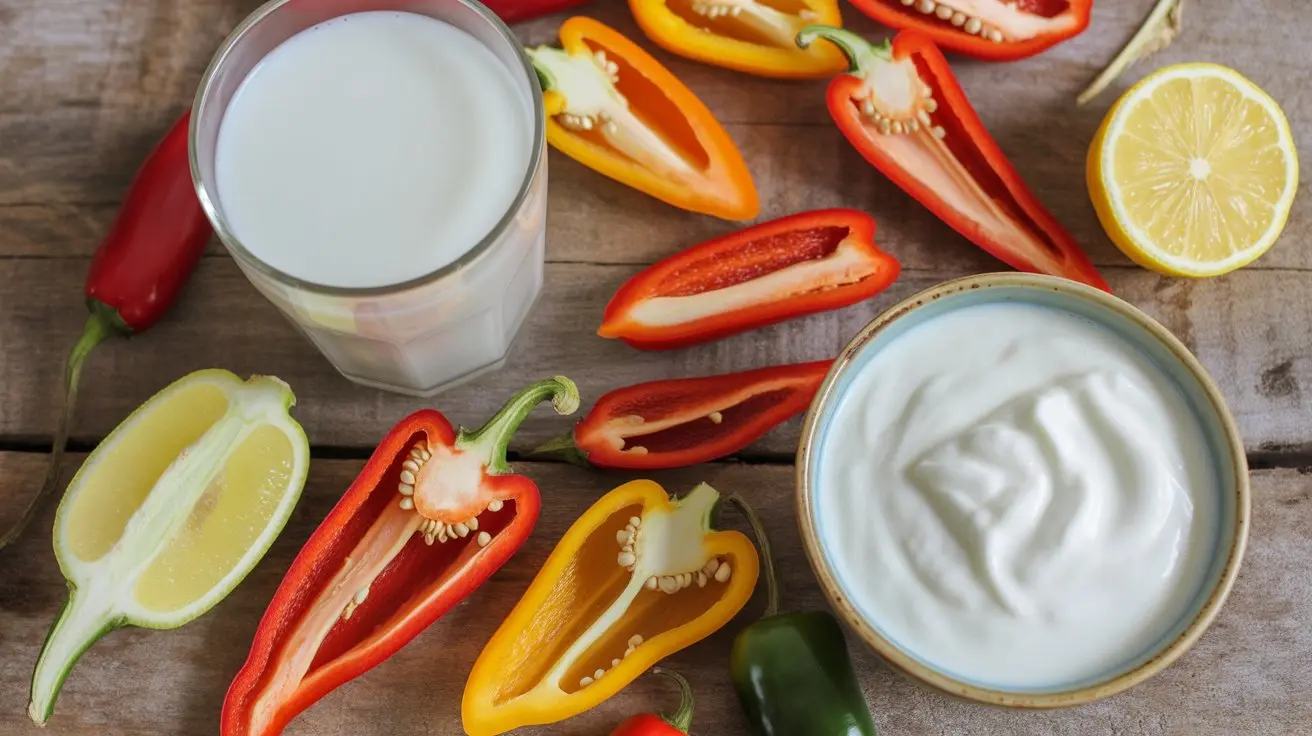
Dairy is the go-to remedy for a reason. Casein protein in milk and dairy products binds to capsaicin molecules and physically washes them away from receptors. A glass of whole milk, a spoonful of yogurt, or a chunk of cheese will outperform water every time.
Fat content matters here. Whole milk works better than skim because capsaicin is fat-soluble. Sour cream and ice cream are even more effective — the fat content is higher and the cold temperature provides additional relief.
If dairy is not available, sugar or honey can help. Swishing a spoonful of sugar around your mouth absorbs some capsaicin and provides a competing sensation. It is less effective than dairy but far better than water.
Bread and rice work through a different mechanism — physical absorption. Starchy foods soak up capsaicin oil from your mouth's surfaces. Eating a few bites of plain bread after a hot dish can reduce lingering burn significantly.
Alcohol dissolves capsaicin, so a sip of beer or spirits can help. The concentration needs to be reasonably high — a light beer will not do much, but spirits work better. This is not the most practical remedy at the dinner table, but it is chemically sound.
Avoid the instinct to chug water. It spreads capsaicin across more surface area and intensifies the burn. Cold water feels momentarily soothing but makes the underlying situation worse.
Eyes: The Most Urgent Situation
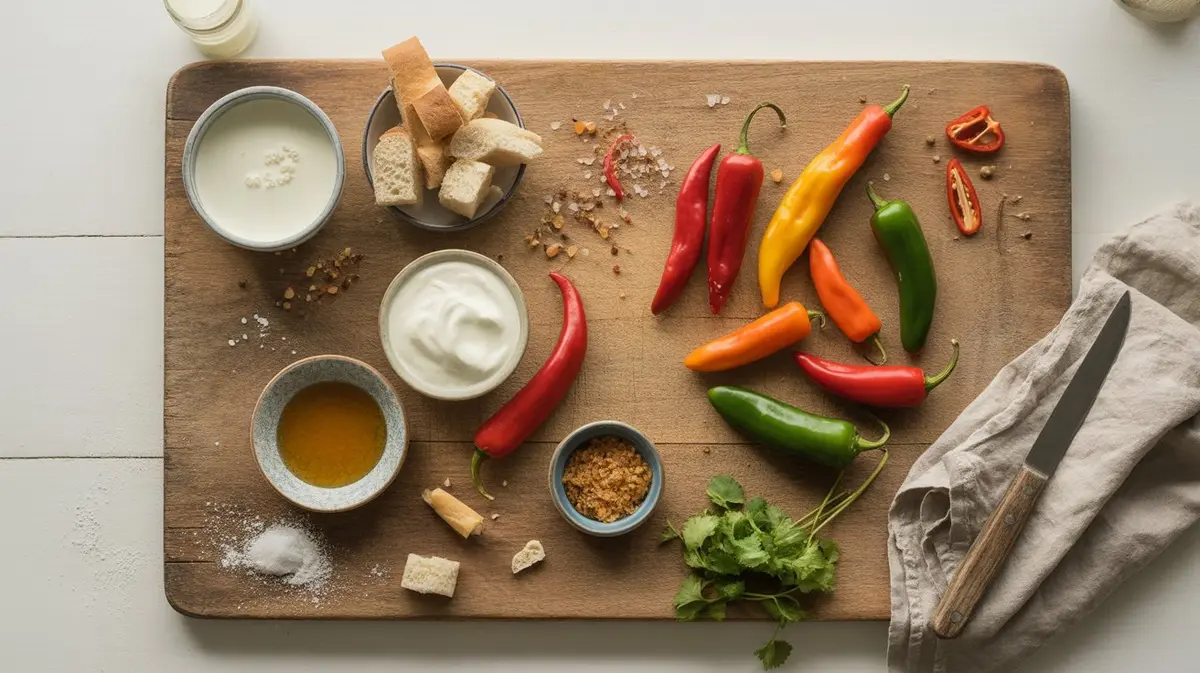
Capsaicin in the eyes is painful and disorienting, but not dangerous in normal culinary quantities. The priority is flushing — and the right flushing method matters.
Plain water is the fastest option when you need to act immediately. Rinse continuously for 15-20 minutes with cool running water, tilting your head so water flows from the inner corner outward. This dilutes and mechanically removes capsaicin even if it does not dissolve it.
Whole milk is more effective than water if you have it nearby. The casein binds capsaicin the same way it does in your mouth. Soak a clean cloth in cold milk and hold it gently over the closed eye, or use an eye cup if available.
Do not rub your eyes. Rubbing spreads capsaicin further and can cause additional irritation. Keep your hands away from your face and let the flushing liquid do the work.
Contact lens wearers should remove lenses immediately — capsaicin can become trapped under them and prolong exposure significantly.
Skin Burn Beyond the Hands
Sometimes capsaicin reaches skin on your arms, face, or lips — especially when cooking with high-heat peppers like habanero's intensely fruity tropical heat or the fruity Caribbean fire of a Scotch Bonnet. The same oil-then-soap approach applies, but facial skin requires gentler handling.
On the face, use a small amount of olive oil on a cotton pad and gently wipe the affected area. Follow with a mild soap or facial cleanser. Avoid harsh scrubbing — the goal is to lift capsaicin off the skin, not abrade the surface.
Lips are particularly sensitive because the mucous membrane absorbs capsaicin more readily than regular skin. Apply a small amount of oil, then wipe clean. A dab of full-fat dairy like sour cream on the lips can also provide fast relief.
Prevention: Better Than Any Remedy
Nitrile gloves are the single best investment for anyone who cooks with hot peppers regularly. Latex gloves work too, but nitrile is more resistant to tearing and provides better dexterity. Disposable gloves make capsaicin exposure essentially a non-issue.
If gloves are not available, coat your hands with vegetable oil before handling peppers. The oil creates a barrier that makes capsaicin easier to wash off afterward.
Keep your hands away from your face while working. Capsaicin transfers easily from fingertips to eyes — this is the most common route of accidental eye exposure in home kitchens.
Ventilation matters when cooking with dried or powdered peppers. Capsaicin can become airborne during cooking and irritate airways and eyes. Open a window or run your range hood when toasting dried chiles or making hot sauces.
Understanding Heat Levels Before You Cook
Knowing what you are dealing with before you start cooking prevents most burn situations. A jalapeño's approachable grassy heat at 2,500-8,000 SHU is manageable bare-handed for most people. A cayenne's sharp, direct heat at 30,000-50,000 SHU warrants more care. Anything above 100,000 SHU — including serrano-level intensity and beyond — deserves gloves and conscious handling.
The Scoville rating system for testing pepper heat gives you a concrete sense of what to expect. Peppers in the hot-tier SHU range require noticeably more caution than those in the medium-intensity bracket.
The extra-hot heat tier — habaneros, Scotch Bonnets, and similar varieties — is where most accidental burns happen at home. These peppers look manageable but release far more capsaicin than their size suggests.
The Science Behind the Remedies
Capsaicin is a lipophilic molecule — it bonds with fats and oils, not water. Every effective remedy exploits this chemistry in some way.
Dairy works because casein is a surfactant that surrounds oil-based molecules and carries them away. Oil-based pre-treatments work because like dissolves like. Dish soap works because it is designed to emulsify fats. Alcohol works because it is a solvent for fat-soluble compounds.
Water fails because it cannot interact with a fat-soluble molecule at the chemical level. It can provide temporary cooling, but it does not address the capsaicin itself — and can spread it further across tissue surfaces.
The deeper a capsaicin molecule penetrates into skin or mucous membrane, the longer the burn lasts. Acting quickly matters. The faster you apply an effective remedy, the less time capsaicin has to bind more deeply to TRPV1 receptors.
Remedy Comparison at a Glance
- Whole milk or dairy: Most effective for mouth burn; casein binds and removes capsaicin
- Vegetable or olive oil: Best first step for hands and skin; dissolves capsaicin before washing
- Dish soap: Essential second step for skin; emulsifies and removes oil-bound capsaicin
- Rubbing alcohol: Effective on skin; dissolves capsaicin, evaporates cleanly
- Bread or rice: Moderate help for mouth; absorbs capsaicin physically
- Sugar or honey: Partial relief for mouth; competing sensation, some absorption
- Running water: Mechanical removal only; best for eyes when nothing else is available
- Milk compress: Good for eye exposure; casein active on mucous membranes
When to Seek Medical Attention
Culinary pepper burns are painful but self-limiting. They resolve on their own — capsaicin does not cause actual tissue damage in normal cooking quantities. Pain typically peaks within 30-60 minutes and fades significantly within a few hours.
Seek medical attention if eye pain persists beyond 30 minutes of thorough flushing, if vision is affected, or if someone has inhaled significant quantities of capsaicin powder and is experiencing respiratory distress.
People with sensitive skin conditions like eczema may experience prolonged irritation from capsaicin contact. If redness or irritation persists on skin beyond several hours, a pharmacist can recommend appropriate topical treatments.
Building Tolerance Over Time
Repeated capsaicin exposure causes receptor desensitization — TRPV1 receptors become less responsive over time. This is why experienced chili cooks can handle peppers that would be genuinely painful for someone new to them.
This tolerance is real but temporary. It fades within days to weeks without continued exposure. It also does not reduce the risk of skin or eye exposure — it only affects the perceived intensity of mouth burn.
If building heat tolerance is your goal, the mild end of the heat spectrum is a practical starting point. Gradually working up through the medium-heat range lets your receptors adapt without overwhelming them.
Frequently Asked Questions
-
Yes, and it is the most effective remedy available. Casein protein in dairy binds directly to capsaicin molecules and physically removes them from TRPV1 receptors. Whole milk works better than skim because capsaicin is fat-soluble and higher fat content improves binding.
-
Capsaicin is a fat-soluble molecule that does not dissolve in water at all. Rinsing with water spreads capsaicin across a larger surface area rather than removing it, which is why the burn often intensifies after drinking water or rinsing your hands.
-
Rub vegetable oil or olive oil over your hands first to dissolve the capsaicin, then wash thoroughly with dish soap. The oil-then-soap sequence works significantly better than soap and water alone, especially after handling high-heat peppers.
-
Flush immediately with cool running water for 15-20 minutes, directing flow from the inner corner outward. Do not rub your eyes. Cold whole milk is more effective than water if available, as casein binds capsaicin even on mucous membranes.
-
Mouth burn typically peaks within 15-30 minutes and fades significantly within an hour. Skin burn from direct capsaicin contact can last 1-3 hours without treatment. Applying the correct remedy early shortens duration considerably by removing capsaicin before it penetrates deeper tissue.