
How to Roast Peppers
Roast peppers on grill, oven, stovetop, or broiler. Peeling, storing, and best varieties. Find your perfect heat level.

Why Roasting Transforms Peppers
Roasting is one of the oldest ways humans have prepared peppers, and there is a good reason it persisted across Mexican, Mediterranean, and South Asian cooking traditions for centuries.
Direct heat does something no knife or spice grinder can replicate: it caramelizes the natural sugars in the flesh, concentrates flavor, and softens the cell walls until the pepper practically melts.
The result is a completely different ingredient from the raw version. Bitterness fades, sweetness deepens, and a faint smokiness settles in regardless of which method you use.
This guide covers every practical roasting method, the best pepper varieties for each approach, how to peel and store roasted peppers, and how heat level affects the process.
Choosing the Right Pepper for Roasting
Thick-walled peppers roast best. They hold up under high heat without turning to mush, and they produce enough steam under the charred skin to make peeling straightforward.
Poblanos, bell peppers, Anaheims, and Hungarian wax peppers are the classic choices for a reason. Their walls are substantial, their flesh is sweet, and they peel cleanly.
Smaller, thinner-walled varieties take a different approach. Aji Cristal's bright citrusy flesh roasts quickly over high heat and does not always need peeling — the skin is thin enough to eat.
For those wanting serious heat in a roasted application, the deep earthiness of Chocolate Bhut Jolokia intensifies dramatically when roasted, though you will want gloves and ventilation.
The fruity, tropical heat of Yellow Ghost Pepper follows the same principle — roasting amplifies both the fruit notes and the capsaicin intensity simultaneously.
If you are working with mild-heat peppers, roasting is nearly foolproof. The lower capsaicin load means you can taste and adjust freely during cooking.
Oven Roasting: The Most Consistent Method
The oven is the most forgiving approach, particularly when roasting large batches for sauces, soups, or freezing.
Set your oven to 450°F (232°C) and position the rack in the upper third. Line a baking sheet with foil for easier cleanup.
- Wash and dry the peppers. Leave them whole — do not cut yet.
- Coat lightly with neutral oil (avocado or grapeseed work well).
- Arrange in a single layer with space between each pepper.
- Roast for 25-35 minutes, turning once halfway through, until the skin is blistered and blackened in spots.
- Transfer immediately to a bowl and cover tightly with plastic wrap or a plate. Let steam for 15 minutes.
- Peel, seed, and use immediately or refrigerate.
The steaming step is non-negotiable. It loosens the skin from the flesh so peeling takes seconds rather than minutes of frustrating picking.
One practical note: the oven method produces less char than a broiler or open flame, so the smokiness is subtler. That is a feature, not a flaw, for delicate applications like cream sauces.
Broiler Method: Fast, Charred, Intense
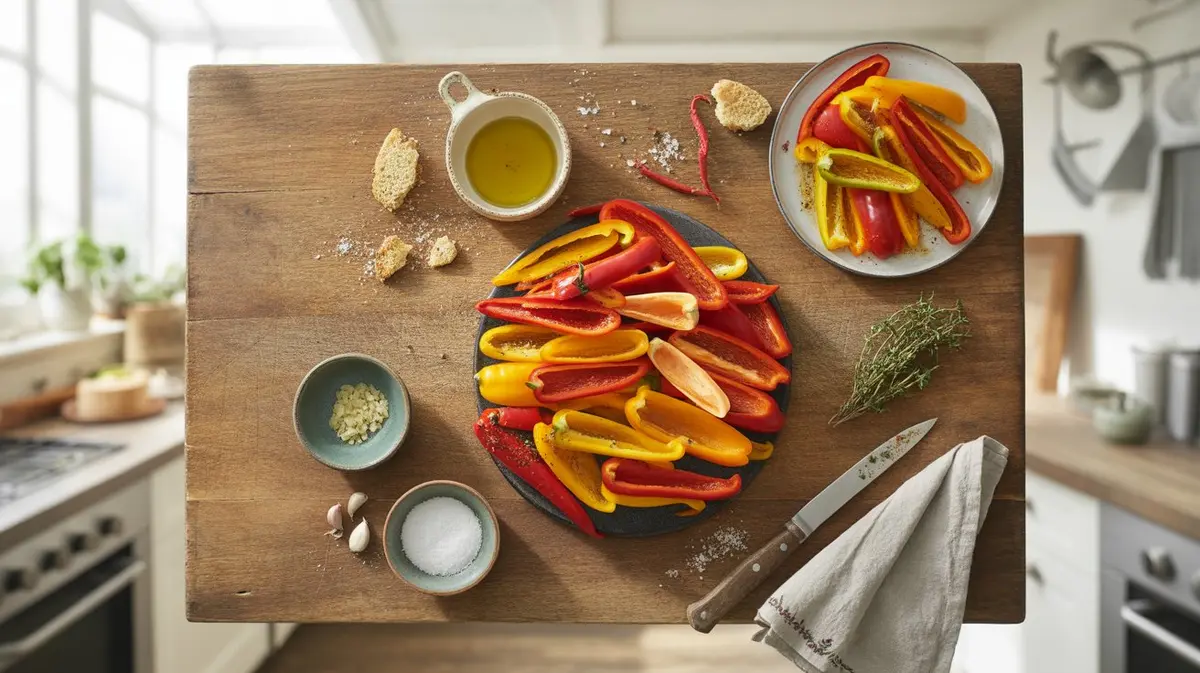
When you want deep blackening and strong smoky flavor, the broiler delivers it faster than any other indoor method.
Position the oven rack so peppers sit 4-6 inches from the broiler element. Preheat on high for at least five minutes before adding the peppers.
Broiling works best for peppers that fit flat on a pan. Halve larger varieties, remove seeds, and press them cut-side down so the skin faces the heat directly.
Check every 3-4 minutes. The skin should blister and blacken — this is correct. You are not burning the pepper; you are charring the skin while the flesh steams underneath.
Total broiling time runs 10-15 minutes for most medium-sized peppers. Follow the same steaming step as the oven method.
The broiler is ideal for medium-heat varieties like Anaheim or Hungarian wax, where you want the smoky depth to balance the moderate capsaicin.
Grill Roasting: Smoke and Open Flame
A gas or charcoal grill produces the most complex flavor. The combination of radiant heat, direct flame, and actual wood or gas combustion adds layers that no oven can match.
Preheat the grill to high — 500°F or above if using a gas grill. For charcoal, let the coals ash over fully before cooking.
Place whole peppers directly on the grates over the hottest zone. Do not oil them first; oil on grill grates causes flare-ups.
Turn every 2-3 minutes using tongs. Total time is typically 8-12 minutes depending on pepper size and grill temperature. You want charring on all sides, not just one.
Transfer to a covered bowl and steam for 15 minutes, same as the oven method.
Charcoal grilling is particularly well-suited to smaller, hotter varieties. The tiny, smoky-sweet Piquin pepper placed in a grill basket over charcoal takes on a depth of flavor that makes it exceptional in salsas and hot sauces.
For anyone working with hot-tier peppers on the grill, stand upwind. The capsaicin volatilizes in the heat and the smoke can irritate eyes and airways.
Stovetop Roasting: Direct Flame and Cast Iron
Two stovetop approaches work well, and they serve different purposes.
Open flame (gas burner): Hold a pepper directly over a medium-high gas flame using metal tongs. Rotate every 30-45 seconds until the skin is charred on all sides. This takes 4-6 minutes per pepper and works best for small to medium varieties. The char is intense and the smokiness is pronounced.
Both stovetop methods are best for single peppers or small batches. Scaling up is impractical — use the oven for anything beyond four or five peppers.
The cast iron method is particularly useful for Dundicut's deep red, moderately hot flesh, where you want the surface to blister without fully blackening the thin skin.
Peeling Roasted Peppers
Steaming is what makes peeling possible. Skip it and you will fight the skin. Follow it and the skin slips off in sheets.
After the 15-minute steam, the skin should look wrinkled and separated from the flesh. Work over a bowl to catch any juices — those juices are flavorful and worth saving for sauces.
Do not peel under running water. It rinses away the roasted oils and smoky flavor compounds that took all that heat to develop.
Use your fingers or a paper towel to rub the skin off. It does not need to be perfect — small flecks of charred skin left on the pepper add to the flavor rather than detracting from it.
Once peeled, split the pepper open and scrape out seeds and membranes with a spoon. The flesh is now ready to use.
Handling Heat When Roasting Hotter Varieties
Roasting concentrates capsaicin in the flesh as moisture evaporates, which means a pepper that was manageable raw can become noticeably hotter after roasting.
For anything in the extra-hot classification, wear nitrile gloves during peeling and seeding. Capsaicin binds to skin oils and does not wash off easily with soap and water.
The Tien Tsin pepper's sharp, clean burn intensifies noticeably under heat. Roasting these small Chinese chilies briefly in a dry pan before grinding into chili oil is a traditional technique, but the fumes require good ventilation.
For super-hot peppers, roasting outdoors is strongly recommended. The volatilized capsaicin in the steam and smoke can cause respiratory irritation even in well-ventilated kitchens.
Always taste a small piece of the roasted flesh before adding a full pepper to a dish. The heat level can shift significantly from what you expected based on the raw pepper.
Storing Roasted Peppers
Roasted peppers are more perishable than raw ones because the protective skin is gone and the flesh is cooked.
Refrigerator: Store in an airtight container, covered in their own juices or a thin layer of olive oil. They keep for 5-7 days. The olive oil also takes on the roasted pepper flavor and becomes a useful condiment in its own right.
Freezer: Roasted peppers freeze exceptionally well. Lay them flat on a parchment-lined sheet, freeze until solid, then transfer to zip bags. They hold quality for 6-8 months and thaw quickly in the refrigerator overnight.
Jarring in oil: Pack roasted, peeled peppers tightly into sterilized jars and cover completely with olive oil. Refrigerate and use within two weeks. Do not store at room temperature — botulism risk is real with oil-packed vegetables.
Label everything with the date and variety. Roasted poblanos and roasted bells look identical once peeled and frozen.
What to Make with Roasted Peppers
The applications are broad enough that roasted peppers function almost as a separate ingredient category from their raw counterparts.
Blended into soups and sauces, they add body and depth without requiring additional cooking time. A handful of roasted bells or Anaheims transforms a basic tomato sauce into something that tastes slow-cooked.
Layered on sandwiches and flatbreads, they provide sweetness and texture that raw peppers cannot. The soft, slightly silky flesh is particularly good against cured meats and aged cheeses.
Chopped into grain salads, stirred into hummus, or folded into scrambled eggs — roasted peppers adapt to almost any context.
For heat-forward applications, roasted hot peppers blended with garlic, salt, and a splash of vinegar produce a simple hot sauce with more complexity than anything made from raw peppers. The South American pepper tradition uses this technique extensively, particularly with aji varieties.
The Indian pepper tradition takes a different approach, charring chilies directly in a dry pan before grinding them into spice blends, where the roasted flavor becomes a foundational element rather than a finishing note.
Troubleshooting Common Problems
Skin won't peel: The pepper did not steam long enough, or the charring was insufficient. Return it to high heat for another few minutes, then steam again.
Flesh is mushy: The pepper was overcooked, usually from too long in the oven at moderate heat. High heat for less time preserves more texture.
No smoky flavor: You are relying on the oven without sufficient charring. Push the broiler or use the open flame method for more pronounced smokiness.
Pepper caught fire on the grill: Normal with very oily peppers or flare-ups. Move it to an indirect zone briefly to let the flame die, then return to direct heat.
Too hot after roasting: Remove more seeds and membranes — that is where most of the capsaicin concentration sits. Pairing with dairy (yogurt, cream, cheese) also reduces perceived heat on the palate.
Frequently Asked Questions
-
You do not have to, but peeling removes the bitter, papery char that affects texture and flavor. Thin-skinned varieties like shishito or aji cristal can be eaten skin-on after a light roast.
-
Yes — the broiler, open gas flame, and dry cast iron skillet methods all work without oil. Oil is mainly used in oven roasting to promote even browning and prevent the skin from drying out before it blisters.
-
The skin should be visibly blistered and blackened in multiple spots, and the pepper should feel soft when pressed with tongs. Uneven charring is fine — you are targeting the skin, not uniform browning across the whole surface.
-
The trapped steam loosens the bond between the charred skin and the flesh, making peeling fast and clean. Without steaming, the skin clings and tears, taking much longer to remove.
-
Dried peppers are toasted rather than roasted — briefly pressed against a hot dry skillet for 20-30 seconds per side until fragrant. They should not be charred or steamed, as the goal is to reactivate volatile oils, not to soften fresh flesh.
