
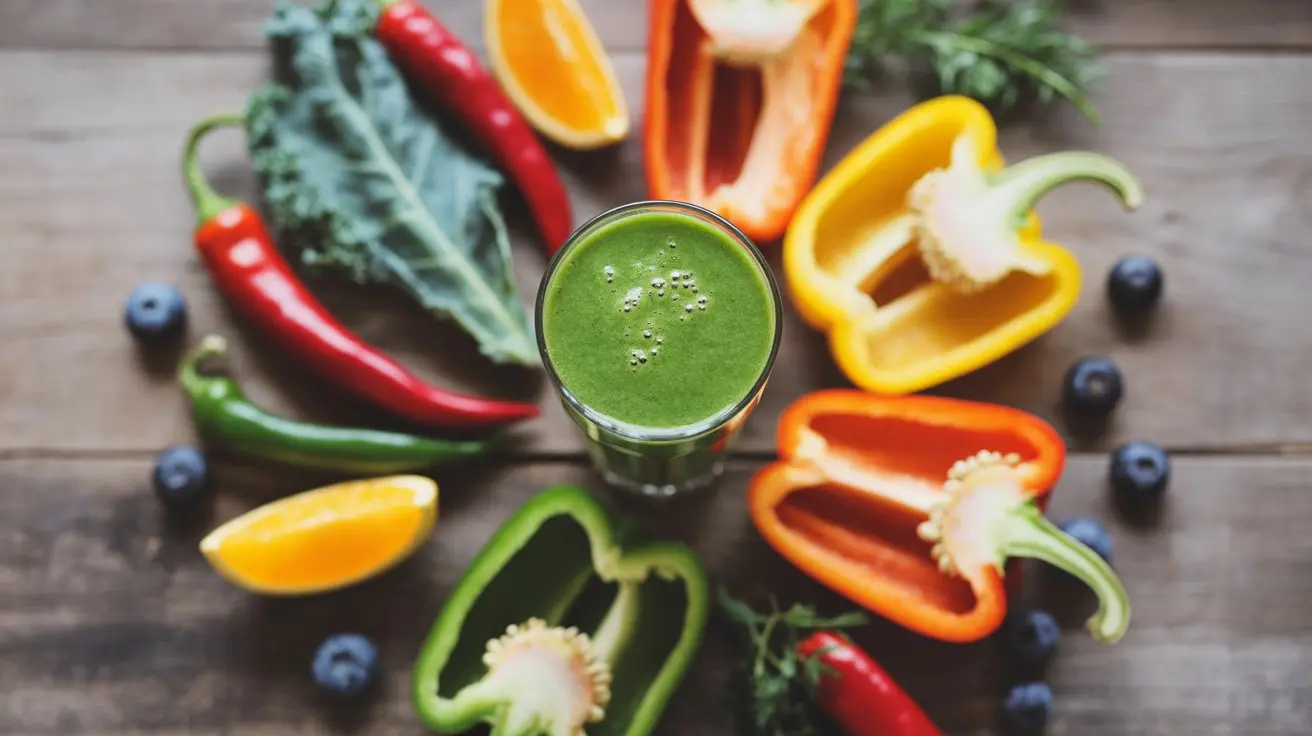
Pepper Health Benefits
The science-backed health benefits of eating hot peppers. Detailed guide with expert tips and practical advice.

Why Peppers Have Been Medicine Longer Than They've Been Food
Long before capsaicin had a chemical name, indigenous peoples across the Americas were using hot peppers to treat pain, infections, and digestive complaints. The Aztecs used chili as both currency and remedy. Traditional Ayurvedic medicine incorporated pepper into formulations for circulation and digestion. This wasn't folk superstition — modern research has largely validated what these cultures understood empirically over centuries.
The active compound responsible for most of these effects, capsaicin, is now one of the more studied phytochemicals in nutrition science. And the research keeps getting more interesting.
Capsaicin and the TRPV1 Response
To understand why peppers affect the body the way they do, you need to know about TRPV1 receptors — the molecular machinery that makes spicy food feel hot. These transient receptor potential vanilloid channels normally respond to actual heat and tissue damage. Capsaicin hijacks them, triggering the same neurological cascade without any real harm.
This interaction is the foundation of most pepper health research. The TRPV1 response and its molecular structure explain everything from pain relief creams to metabolism boosts. When you eat a hot pepper, you're not just seasoning food — you're initiating a complex chain of physiological events.
Heat level matters here. A mild bell pepper contains essentially zero capsaicin. The hot heat classification — roughly 100,000 to 350,000 SHU — is where most of the research-backed therapeutic effects start appearing at meaningful concentrations.
Metabolism and Weight Management
Capsaicin's effect on metabolism is one of the most replicated findings in pepper research. A 2012 meta-analysis published in Chemical Senses found that capsaicin consumption produced measurable increases in energy expenditure and fat oxidation, particularly in the short term after ingestion.
The mechanism involves thermogenesis — the body generating heat as a metabolic response to capsaicin. This temporarily elevates calorie burn, with studies typically measuring increases of 4-5% in total energy expenditure in the hours following consumption.
Appetite suppression is the other metabolic angle. Research from Purdue University found that people who consumed red pepper with meals reported lower appetite and ate less at subsequent meals, particularly if they didn't regularly eat spicy food. Habitual spice eaters showed reduced response, suggesting the effect attenuates with tolerance.
This doesn't make peppers a weight loss solution on their own, but as part of a varied diet, the cumulative effect across meals is real. Varieties like the fiercely pungent Thai bird's eye deliver significant capsaicin in small quantities — a single pepper can meaningfully contribute to these effects.
Cardiovascular Benefits

The cardiovascular research on capsaicin is some of the most compelling in the field. A large observational study published in PLOS ONE (2015) following over 16,000 Americans found that regular chili pepper consumption was associated with a 13% reduction in all-cause mortality, with cardiovascular disease showing the strongest association.
The proposed mechanisms are multiple. Capsaicin appears to inhibit platelet aggregation, reducing clot formation risk. It also stimulates nitric oxide production, which relaxes blood vessel walls and improves circulation. Some research suggests it may help lower LDL cholesterol oxidation — a key step in arterial plaque formation.
A 2019 study from the European Society of Cardiology found that people who ate chili peppers more than four times per week had a 40% lower risk of dying from a heart attack compared to those who rarely ate them. These are observational numbers, not causation proofs, but the signal is consistent across multiple large datasets.
For practical cardiovascular benefit, you don't need extreme heat. The medium heat range peppers consumed regularly appear to produce meaningful effects based on the population data.
Anti-Inflammatory and Pain Relief Properties
Topical capsaicin has been FDA-approved for pain relief since 1980. The mechanism is counterintuitive: repeated exposure to capsaicin depletes substance P, a neuropeptide that transmits pain signals. After initial sensitization, the nerve fibers become temporarily desensitized.
This is why capsaicin creams work for arthritis, neuropathy, and post-herpetic neuralgia. A 2010 Cochrane review confirmed that high-concentration capsaicin patches (8%) significantly reduced pain in peripheral neuropathy patients compared to placebo.
Internally, capsaicin and related compounds (collectively called capsaicinoids) appear to inhibit NF-kB, a key regulator of inflammatory gene expression. This is the same pathway targeted by some anti-inflammatory pharmaceuticals, though through different mechanisms.
Varieties with extremely high capsaicin concentrations — like the Infinity Chili's extreme capsaicin load — are sometimes referenced in pain research contexts, though culinary consumption at these levels is quite different from controlled therapeutic doses.
Antimicrobial and Digestive Effects
The traditional use of hot peppers as food preservatives wasn't just about flavor. Capsaicin has demonstrated antimicrobial properties against a range of bacteria, including H. pylori, which is implicated in peptic ulcers. A 1997 study in the Journal of Gastroenterology found capsaicin inhibited H. pylori growth in vitro.
The digestive picture is nuanced. Hot peppers stimulate gastric mucus production and increase digestive enzyme secretion, which can actually protect the stomach lining in moderate amounts. The old belief that spicy food causes ulcers has been largely debunked — in fact, populations with high chili consumption often show lower rates of peptic ulcer disease.
That said, people with existing gastrointestinal conditions like IBS or GERD may find capsaicin exacerbates symptoms. The effect is highly individual. Starting with milder options in the mild heat classification makes sense for anyone with digestive sensitivities.
The Korean Cheongyang's sharp, clean heat profile is a good example of a pepper used heavily in fermented foods like kimchi, where its antimicrobial properties likely contribute to the preservation process alongside the fermentation itself.
Vitamin C, Antioxidants, and Nutritional Density
Beyond capsaicin, peppers are nutritional workhorses. A single red bell pepper contains roughly 190mg of vitamin C — more than twice the daily recommended intake. Hot peppers are similarly dense, with the added benefit of capsaicin's own antioxidant activity.
Peppers contain significant amounts of carotenoids, including beta-carotene, lutein, and zeaxanthin. The red and orange pigments in ripe peppers represent high concentrations of these compounds, which are associated with reduced oxidative stress and eye health protection.
Capsaicin itself acts as an antioxidant, scavenging free radicals through multiple pathways. A 2006 study in Food Chemistry found that capsaicin demonstrated stronger antioxidant activity than many commonly studied polyphenols when tested under equivalent conditions.
The Jamaican Hot Chocolate's deep, fruity character reflects the high carotenoid content typical of Capsicum chinense varieties — the chocolate color itself signals specific pigment compounds with antioxidant properties.
Cancer Research: Promising but Complicated
Capsaicin research in oncology is genuinely interesting but requires careful interpretation. Laboratory and animal studies have shown capsaicin can induce apoptosis (programmed cell death) in multiple cancer cell lines, including prostate, breast, and lung cancer cells.
A 2006 study from UCLA found capsaicin reduced prostate cancer tumor growth by 80% in mouse models. These results made headlines, but the doses required were far beyond what dietary consumption could realistically achieve.
The human epidemiological data is mixed. Some studies show inverse relationships between chili consumption and certain cancers; others show no significant association. A few studies on gallbladder cancer have shown positive associations in populations with very high consumption. The research is ongoing and not yet at a point where dietary recommendations can be made specifically for cancer prevention.
What's clear is that the antioxidant and anti-inflammatory properties of capsaicin create a plausible mechanistic basis for protective effects — whether that translates to clinically meaningful cancer prevention in humans requires more research.
Cognitive Function and Mood
Eating hot peppers triggers endorphin release — the same neurochemical response associated with exercise-induced euphoria. This is the body's response to what it perceives as a threat (the TRPV1 activation), followed by relief when no actual harm occurs. Regular spice eaters often describe a genuine mood lift from spicy food, and the neurochemistry supports this.
Emerging research also points to capsaicin's potential neuroprotective effects. A 2021 study in Frontiers in Pharmacology found capsaicin may help clear amyloid-beta plaques associated with Alzheimer's disease in animal models, through mechanisms involving the TRPV1 receptor pathway in the brain.
The Thai Dragon's intense, fast-building heat is a good example of a pepper that generates a significant endorphin response — the heat builds quickly and triggers a pronounced physiological reaction that many people find genuinely energizing.
How to Actually Get These Benefits
The research doesn't require eating Dorset Naga's record-level capsaicin intensity to see health benefits. Most positive outcomes in studies were associated with regular, moderate consumption — several times per week at heat levels that are genuinely enjoyable.
Fresh peppers retain more vitamin C than dried or cooked. Cooking does reduce capsaicin content somewhat, but not dramatically — a cooked dish still delivers meaningful amounts. Fermented preparations like hot sauce may actually enhance bioavailability of some compounds.
For people new to spicy food, tolerance builds relatively quickly — typically over two to four weeks of regular exposure. The TRPV1 receptors downregulate with repeated stimulation, so what felt intense initially becomes manageable. This is also why habitual spice eaters need higher heat levels to achieve the same metabolic and endorphin responses.
The extra-hot heat classification — varieties like habaneros and Scotch Bonnets — represents a practical ceiling for most people seeking health benefits without extreme discomfort. The super-hot category is more novelty than necessity from a health standpoint; the benefits plateau well before you reach those extremes.
Sourcing matters too. Fresh, locally grown peppers or high-quality dried varieties retain more active compounds than old, faded spices sitting in a pantry. If you're interested in growing your own supply, understanding transplanting timing and indoor starting methods can help you maintain a consistent harvest through the season.
For quantifying exactly where a pepper sits on the potency scale, the Scoville ranking method gives you a reliable reference point for comparing capsaicin concentrations across varieties.
Who Should Be Cautious
The benefits are real, but hot peppers aren't appropriate for everyone at every life stage. Pregnant women are often advised to moderate very spicy food consumption, though the evidence for harm is limited. People with active acid reflux, gastric ulcers, or inflammatory bowel conditions should approach high-capsaicin foods carefully and ideally discuss with a physician.
Capsaicin can also interact with certain medications, including blood thinners and ACE inhibitors, due to its effects on platelet aggregation and blood pressure. Anyone on these medications who wants to significantly increase chili consumption should check with their healthcare provider.
The bottom line: for most healthy adults, regular hot pepper consumption has a genuinely favorable health profile backed by a substantial body of research. The ancient traditions that treated these plants as medicine weren't wrong — they just didn't have the biochemistry to explain why.
Frequently Asked Questions
-
Most studies showing metabolic and cardiovascular benefits involved consumption several times per week, not daily megadoses. Even moderate amounts at medium heat levels appear sufficient — you don't need extreme peppers to see meaningful effects.
-
Cooking reduces capsaicin content somewhat but not dramatically enough to eliminate benefits. Vitamin C is more heat-sensitive and degrades faster with high-temperature cooking. Fresh or lightly cooked preparations preserve the most active compounds.
-
Capsaicin produces measurable increases in energy expenditure and can suppress appetite, particularly in people not accustomed to spicy food. The effect is real but modest — peppers support weight management as part of a broader dietary pattern, not as a standalone solution.
-
The old belief that spicy food causes ulcers has been largely disproven — capsaicin actually stimulates protective mucus production in the stomach. People with existing conditions like GERD or IBS may experience irritation and should start with milder varieties.
-
Tolerance to the burning sensation develops quickly through TRPV1 receptor downregulation. The metabolic and appetite-suppression effects also diminish with regular exposure, as shown in Purdue University research. Habitual spice eaters need higher heat levels for the same physiological response.
