How to Freeze Peppers
Freeze fresh peppers for long storage. Blanching vs flash freezing, times, and best varieties. Find your perfect heat level.

Why Freezing Peppers Works Better Than You Think
Fresh peppers have a short window — a week or two in the fridge before they soften, wrinkle, and lose their punch. Freezing extends that window to 8-12 months without the flavor loss that comes from canning or drying.
The capsaicin compounds responsible for heat are remarkably stable at low temperatures, so a frozen habanero thaws with the same fire it had fresh. What freezing does affect is cell structure — peppers get softer after thawing, which matters for some uses but not others.
Flash Freezing vs. Blanching: Which Method Actually Fits Your Pepper
Two approaches dominate home pepper freezing, and choosing the wrong one for your pepper type leads to mushy results or wasted effort.
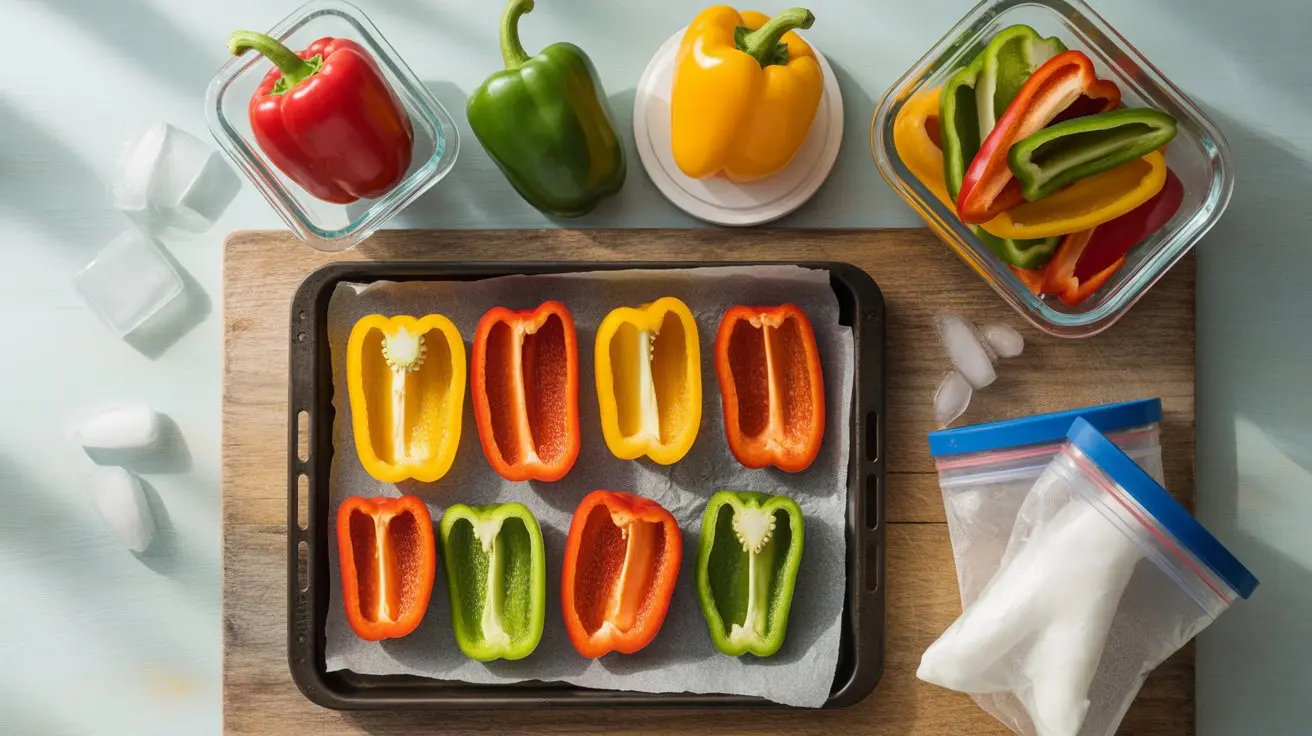
Flash freezing (no heat treatment) works best for peppers you plan to cook later — stir-fries, soups, sauces, stuffed pepper dishes. Spread whole or sliced peppers in a single layer on a baking sheet, freeze until solid (2-3 hours), then transfer to freezer bags. This method preserves color and most of the texture.
Blanching — a quick dip in boiling water followed by an ice bath — stops enzyme activity that causes gradual flavor and color degradation. It takes more time upfront but pays off if you're storing peppers for longer than 6 months or if appearance matters. Thin-walled peppers like the tiny, searingly hot chiltepin don't need blanching at all; their small size and low moisture content freeze well raw.
Blanching times by pepper size: 2 minutes for small peppers, 3 minutes for medium, 4 minutes for large thick-walled varieties. Always follow with an immediate ice bath of equal duration.
Preparing Peppers Before They Hit the Freezer
Preparation makes the difference between peppers that thaw cleanly and ones that clump into an icy brick.
Start with dry peppers — moisture is the enemy. After washing, pat thoroughly with paper towels or let air-dry for 30 minutes. Any surface water turns to ice crystals that fuse peppers together and accelerate freezer burn.
Decide on your cut before freezing. Whole peppers take up more space but give you flexibility later. Sliced or diced peppers freeze faster and are ready to use straight from the bag without thawing. Halved peppers with seeds and membranes removed are ideal for stuffing after thawing.
For hot peppers specifically — anything in the hot category on the Scoville scale and above — wear gloves during prep. Capsaicin binds to skin and doesn't wash off easily with water alone. This is especially relevant when processing larger batches.
Step-by-Step: The Flash Freeze Process
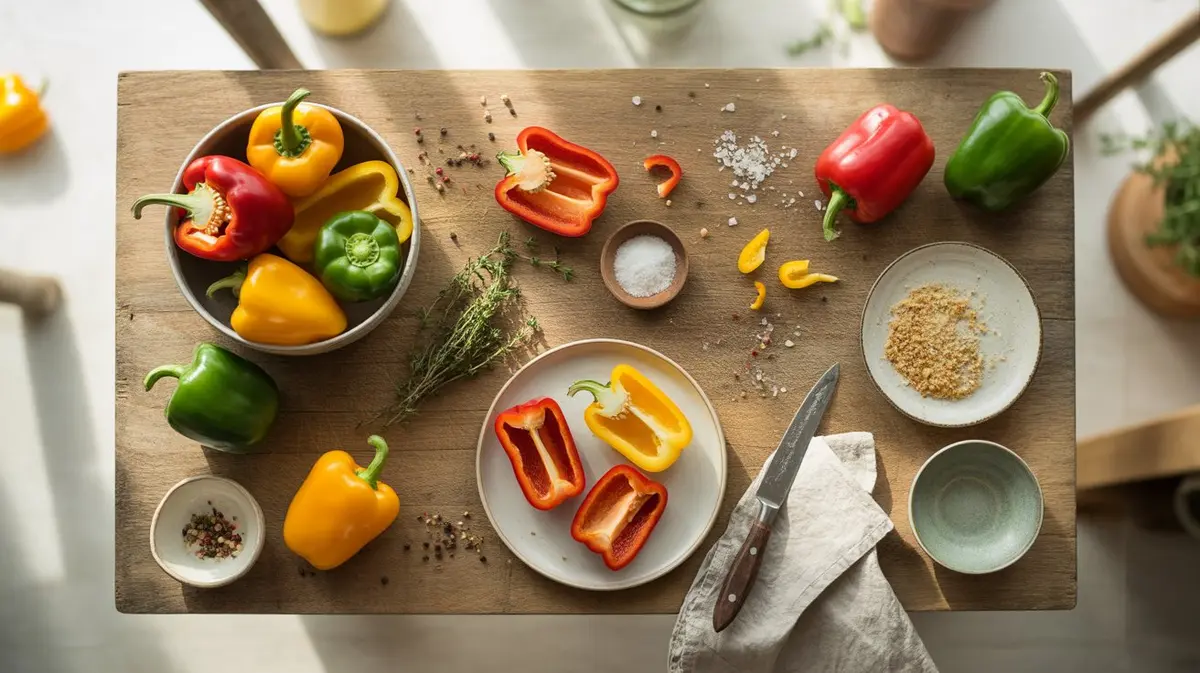
- Wash peppers and dry completely — any moisture causes clumping.
- Slice, dice, or leave whole depending on intended use.
- Line a rimmed baking sheet with parchment paper.
- Spread peppers in a single layer with no pieces touching.
- Freeze uncovered for 2-3 hours until solid throughout.
- Transfer to labeled freezer bags, pressing out as much air as possible.
- Return immediately to the freezer — don't let them sit and start thawing.
Vacuum sealing extends quality noticeably, pushing storage from 8 months to 12+ by eliminating the air that causes oxidation and freezer burn. If you grow a lot of peppers, a vacuum sealer pays for itself quickly.
Step-by-Step: The Blanching Process
- Bring a large pot of water to a full rolling boil.
- Prepare an ice bath — a bowl of water with plenty of ice cubes.
- Add peppers to boiling water. Set a timer: 2 min for small, 3 for medium, 4 for large.
- Remove with a slotted spoon or strainer and immediately submerge in ice water.
- Hold in ice water for the same duration as the blanch time.
- Drain and dry thoroughly — this step is critical.
- Proceed with the flash freeze process above before bagging.
Blanching does soften peppers slightly — factor that in. Bell peppers and poblanos handle it fine since they're destined for cooked dishes anyway. Delicate thin-walled varieties lose more texture, so skip blanching for those.
Which Peppers Freeze Best (and Which to Handle Differently)
Not all peppers behave the same in the freezer. Thick-walled sweet peppers and most medium-heat varieties freeze exceptionally well. Bell peppers, Anaheims, and poblanos come out of the freezer nearly indistinguishable from fresh when used in cooked applications.
Superhot peppers freeze well too — perhaps better than any other category, since they're almost always cooked or blended rather than eaten raw. Something like the bhut jolokia (ghost pepper), one of the first verified superhot varieties, freezes and thaws without meaningful heat loss. The same goes for extremely hot small varieties from South America.
Small, high-heat peppers from tropical origins — like the tiny Peruvian aji charapita with its fruity citrus heat — are perfect freezer candidates. Their small size means fast freeze times, and their intense flavor holds remarkably well. The piquin, a small wild-type Mexican pepper with sharp, smoky heat, behaves similarly.
Peppers that don't freeze as well: thin-skinned fresh varieties meant to be eaten raw, like fresh shishito or Italian frying peppers. Texture loss is significant enough to make them unpleasant for fresh applications after thawing.
For peppers with extra-hot Scoville positions, freezing is often the most practical preservation method — drying works too, but some of these peppers are difficult to dry evenly at home.
Freezer Storage: Containers, Labels, and Timing
Freezer bags outperform rigid containers for most peppers because you can press out air and lay them flat for efficient storage. Use quart-sized bags for small to medium peppers, gallon bags for large batches of sliced bells or poblanos.
Label every bag with the pepper variety, date frozen, and how they were cut. This sounds obvious but matters six months later when you're staring at three bags of indistinguishable red pepper pieces. A permanent marker on freezer tape works fine.
Storage duration guidelines: sweet and mild peppers, 8-10 months; medium-heat varieties, 10-12 months; hot and superhot peppers, up to 12 months with minimal quality loss. Beyond these windows, peppers are still safe to eat but flavor and texture degrade noticeably.
Keep your freezer at 0°F (-18°C) or below. Fluctuating temperatures — from opening the freezer frequently or power interruptions — are the main cause of premature quality loss.
Thawing and Using Frozen Peppers
For most cooking applications, don't bother thawing. Frozen diced peppers go directly into a hot pan, soup pot, or slow cooker. The moisture they release as they thaw in the pan is actually useful — it deglazes the pan and adds flavor.
When you need thawed peppers, move them from the freezer to the refrigerator the night before. This slow thaw minimizes texture damage compared to countertop thawing. Never use a microwave to thaw peppers you want to retain any texture in — it accelerates cell breakdown significantly.
The softness of thawed peppers is a feature in some contexts. Thawed roasted peppers, for example, blend into sauces more smoothly than fresh. Thawed hot peppers integrate into hot sauces without the extra cooking step sometimes needed for fresh ones.
One thing frozen peppers genuinely can't do: serve as a raw garnish or in fresh salsa. The cell structure change is permanent. Plan your use case before you freeze — it shapes how you should cut and store them.
Freezing Specific Pepper Types: Practical Notes
Hot peppers from different heat tiers need slightly different handling. For mild-range peppers like Anaheims or banana peppers, freeze in strips or rings since they're most often used in cooked dishes in those forms.
Medium-heat peppers — jalapeños, serranos, Fresnos — freeze well whole if you plan to stuff them, or diced for everything else. The medium heat tier represents the most commonly frozen category for home cooks, and these peppers are forgiving of minor preparation variations.
For the fiery Peruvian aji limo, known for its citrusy, intensely aromatic heat, freezing whole is the best approach since slicing releases oils that can transfer to other foods in the freezer. Double-bag these.
Pakistani and South Asian varieties like the dundicut, a deeply red, moderately hot pepper from Pakistan, are traditionally dried but freeze well too. If you have access to fresh ones, freezing preserves the fresh flavor profile that drying changes substantially.
For superhot varieties in the super-hot tier, freeze in small portions — ice cube trays work well. Freeze one or two peppers per cube with a little water, then pop the cubes into a bag. Drop a cube directly into a pot of chili without measuring.
Roasting Before Freezing: An Underrated Option
Roasting peppers before freezing is worth considering if you use a lot of roasted peppers in cooking. The roasting step concentrates flavor, removes skins, and gives you a ready-to-use ingredient that goes straight from freezer to recipe.
Char peppers directly over a gas flame or under a broiler until the skin blackens on all sides. Transfer to a covered bowl or sealed bag and let steam for 10-15 minutes, then peel. Freeze the peeled roasted peppers flat in freezer bags with a drizzle of olive oil to prevent sticking.
This method works exceptionally well for large-batch processing of Anaheims, poblanos, and red bells at peak season. The flavor of a roasted frozen pepper pulled out in January beats any jarred roasted pepper by a significant margin.
Common Mistakes That Ruin Frozen Peppers
The most frequent error: skipping the individual freeze step and going straight to the bag. The result is a solid brick of fused peppers that you have to chip apart — and the pieces that partially thaw during the chipping process degrade faster.
Second most common: freezing wet peppers. Surface moisture becomes ice crystals that physically damage cell walls during the freeze, making thawed peppers mushier than they need to be. Dry them completely — it takes an extra five minutes and makes a real difference.
Overfilling bags is another problem. Peppers need to freeze quickly; a thick, densely packed bag freezes slowly from the outside in, creating a long window where interior peppers are at partially frozen temperatures. Keep bags to 1-2 inches thick when laid flat.
Finally: not labeling. A bag labeled "hot peppers" from last summer tells you nothing useful. Write the variety name — knowing whether you're reaching for a ghost pepper or a serrano matters considerably when you're mid-recipe.
Growing Your Own for Freezing
Freezing makes the most sense when you have more peppers than you can use fresh — which is almost always the outcome when you grow your own. A single productive plant can yield dozens to hundreds of peppers over a season depending on variety.
If you're planning to freeze most of your harvest, grow varieties that freeze particularly well: thick-walled bells, Anaheims, jalapeños, and any of the small hot types. Check out the step-by-step guide to starting peppers indoors if you're planning next season's garden around a preservation strategy.
Pick peppers at peak ripeness for freezing — not slightly underripe as you might for fresh eating. Fully ripe peppers have maximum sugar and capsaicin development, which translates to better flavor after thawing. Red ripe jalapeños freeze better than green ones for long-term storage.
Varieties from South American pepper traditions — including the aji family — often produce prolifically enough that freezing becomes the only practical way to handle the harvest. The same is true for many Mexican-origin varieties that set fruit abundantly in good conditions.
Frequently Asked Questions
-
No. Capsaicin is heat-stable and cold-stable, so it survives freezing intact. A ghost pepper frozen at peak ripeness thaws with the same Scoville rating it had fresh - no meaningful heat is lost during the freeze-thaw cycle.
-
For most uses, yes - it saves prep time later and prevents the seeds from turning bitter during long storage. If you plan to use the peppers whole or halved for stuffing, remove seeds before freezing so they are ready to fill straight from the freezer.
-
Yes, and for most home cooks this is the better approach. Flash freezing without blanching preserves more fresh flavor for shorter storage periods under 6 months. Blanching only makes a meaningful difference for very long-term storage or when color retention is a priority.
-
Quality peaks at 8-12 months for most varieties stored at 0 degrees Fahrenheit. Beyond that they remain safe to eat but develop off-flavors and increasingly mushy texture. Vacuum-sealed peppers hold quality closer to the 12-month end of that range.
-
No - freezing permanently changes cell structure, making thawed peppers soft and slightly watery. They work well in cooked applications like soups, stir-fries, and sauces, but