Chili Powder Ingredients: What Is Really in the Jar?
Most U.S. chili powder is a seasoning blend of ground red chile, cumin, garlic, oregano, and often salt. Read the exact jar because paprika, onion, heat, and functional ingredients vary by product.
What is usually in chili powder?
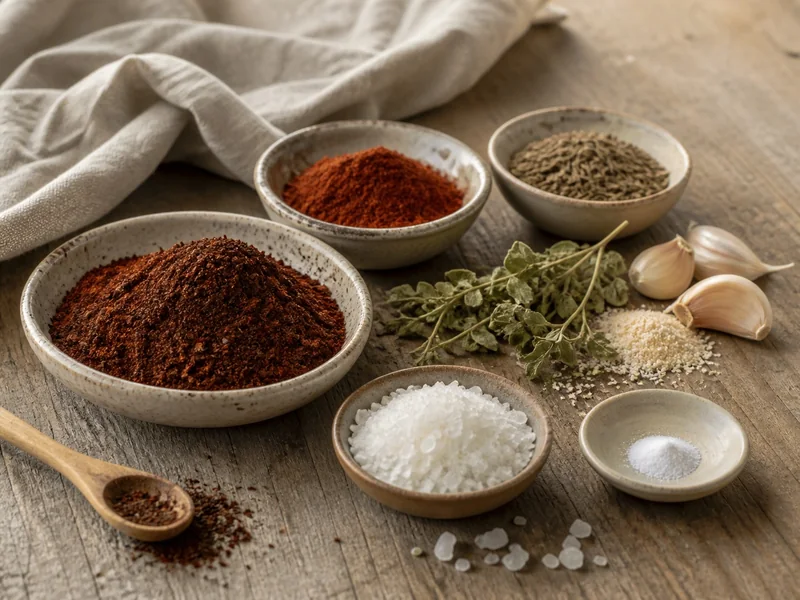
Most chili powder sold as an American seasoning blend contains ground red chile, cumin, garlic, oregano, and often salt. Paprika, onion, anti-caking agents, or a small amount of oil may also appear, but the formula changes from one product to another.
The jar name describes a style of seasoning rather than a standardized recipe. Current labels from McCormick, Spice Islands, and Badia share a red chile base, spices, salt, and garlic, yet they disclose different supporting ingredients.
Fast label check Treat the ingredient statement on the jar in your hand as the formula that matters. A list from another brand can explain the category, but it cannot tell you how much cumin, salt, paprika, or heat your product will add.
What is the difference between chili powder and chile powder?
In many United States recipes, chili powder means a multi-ingredient seasoning blend. A named powder such as ancho, chipotle, cayenne, or paprika usually identifies one dried pepper, although the ingredient statement remains the final check.
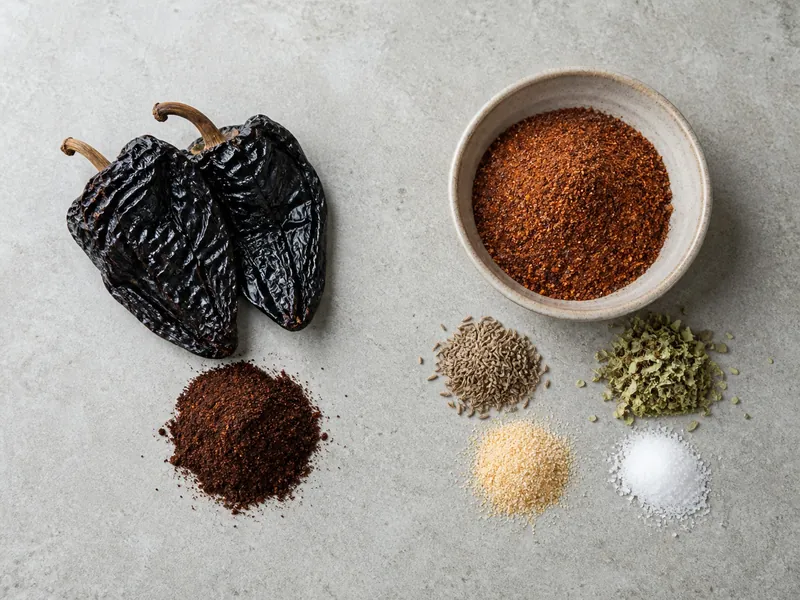
The distinction matters most when a recipe calls for tablespoons rather than pinches. A spoonful of mild seasoning blend spreads pepper flavor across cumin, garlic, oregano, and sometimes salt, while the same volume of pure cayenne concentrates far more heat and supplies none of those supporting flavors.
Spelling does not settle the question. Some companies use chile for the plant and chili for the prepared blend, but package naming is not consistent enough to replace reading the ingredients.
Look for several ingredients. It is designed to season a complete dish and may already contain salt and aromatics.
Look for one pepper name and a short ingredient list. It contributes that pepper's own flavor and heat without automatically adding cumin or oregano.
What does each chili powder ingredient do?
A useful ingredient list does more than answer what is present. It lets you predict whether the powder will build red chile body, warm spice aroma, herbal character, salt, color, or a cleaner pour from the jar.
Chile, paprika, and heat
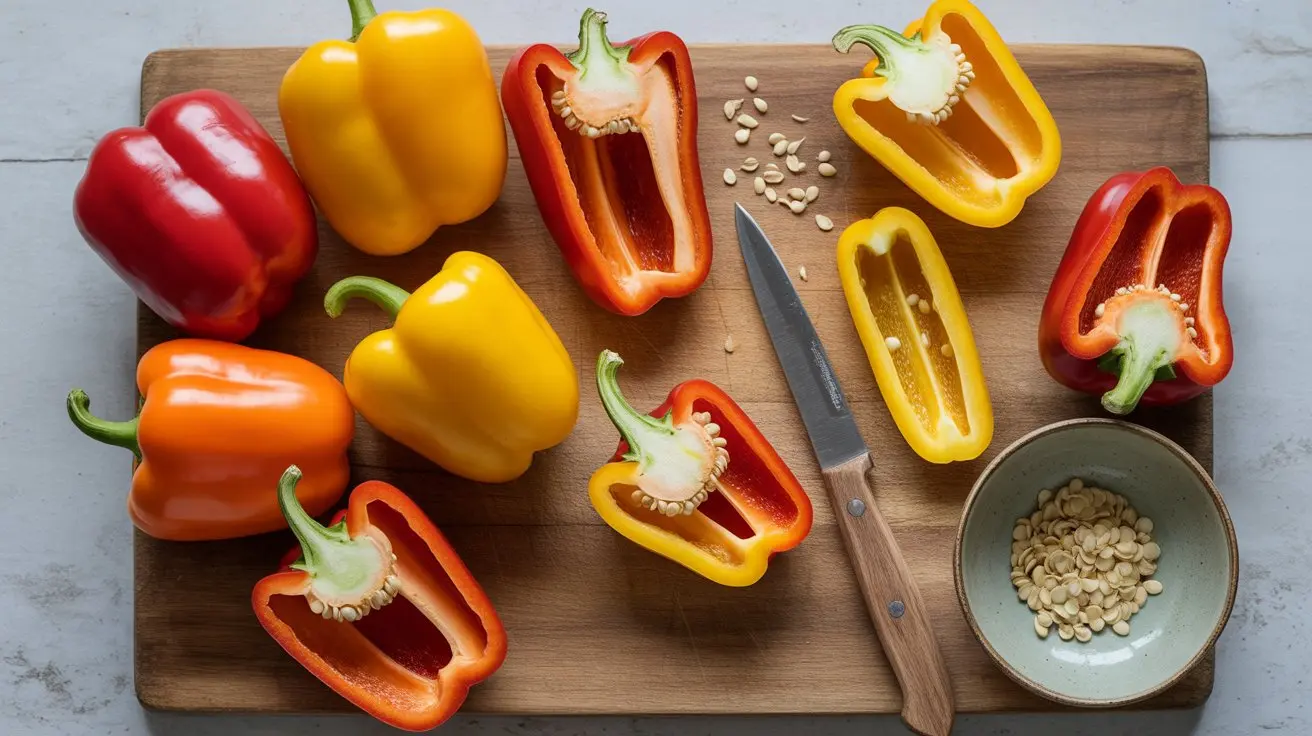
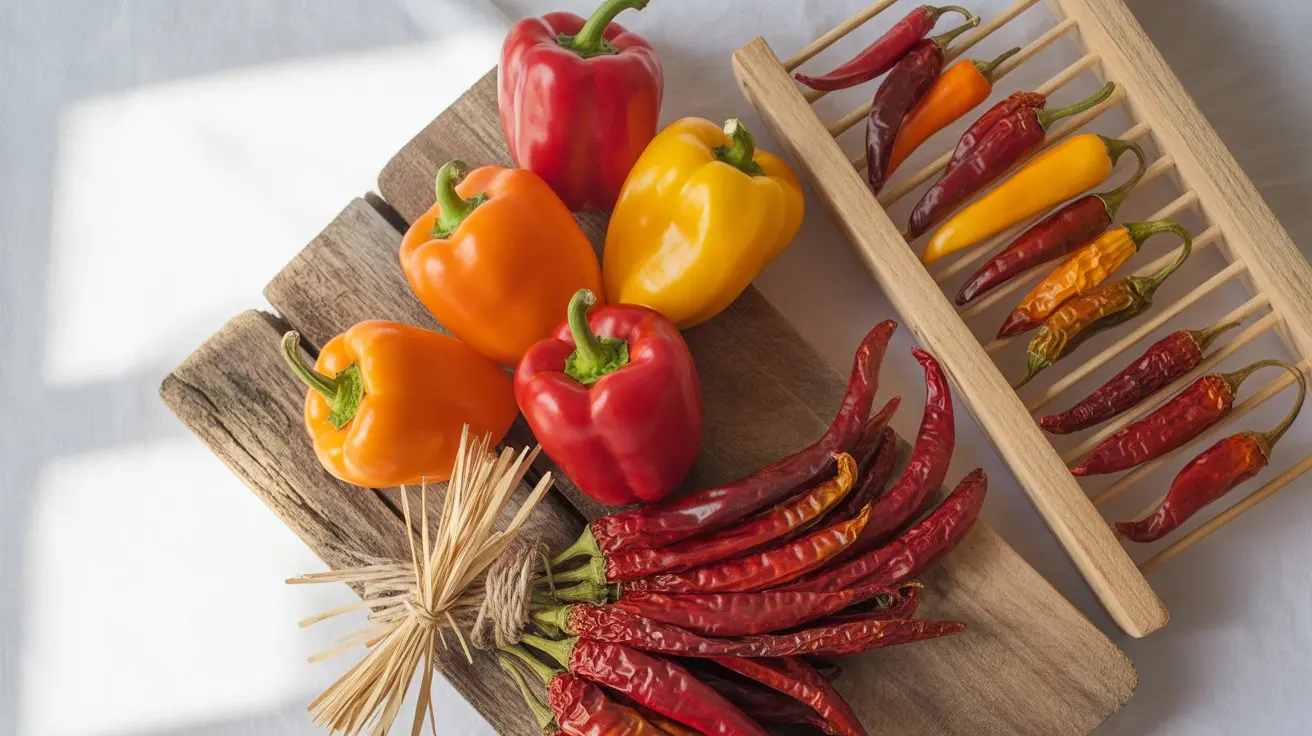
Ground chili pepper forms the base of all three commercial examples reviewed here. The label may not name the cultivar, so red color alone cannot identify whether the base is mild, hot, fruity, smoky, or earthy.
Paprika can deepen color and add a sweet or gently peppery background without adding much heat. New Mexico State University describes paprika as a red color source with little or no heat, which explains why a vivid blend can still taste mild.
Cumin and the aromatic layer
Cumin supplies the warm, earthy aroma many cooks associate with American chili. When it sits high in the ingredient list, adding the recipe's full separate cumin measure before tasting can make the dish heavy and bitter.
Garlic and onion add savory depth, while oregano introduces a dried herbal note. Products may name these ingredients directly or include part of the aromatic formula under the collective term spices.
Salt, oil, and anti-caking agents
Salt can turn a spice blend into a broader seasoning, but its position varies. A salted powder needs a different seasoning sequence from a salt-free chile powder because every extra spoonful raises sodium as well as flavor.
Silicon dioxide helps powdered ingredients remain free flowing. A small amount of canola oil can help processing or distribution, and neither ingredient means the blend is a sauce or adds meaningful cooking fat at normal spoon quantities.
| Ingredient family | Main contribution | What to watch in the recipe |
|---|---|---|
| Ground red chile | Pepper flavor, color, and some or most of the heat | A generic name does not disclose the cultivar or a reliable heat level |
| Paprika | Red color and mild pepper body | Bright red powder can still be mild |
| Cumin | Warm, earthy aroma | Too much can dominate beans, meat, and tomato |
| Garlic and onion | Savory background | Reduce separate powders only after checking the blend |
| Oregano | Dried herbal lift | More is not always useful in a recipe with fresh herbs |
| Salt | Seasoning and flavor amplification | Hold back other salt until the dish has simmered and been tasted |
| Silicon dioxide | Free-flowing texture | It is a functional ingredient, not a source of chile flavor |
| Small oil addition | Processing or powder distribution | It does not replace the cooking fat used to bloom spices |
What does the order of ingredients tell you?
The United States Food and Drug Administration requires ingredients to appear in descending order of predominance by weight. The first named ingredient therefore contributes more weight than an ingredient near the end, but the list does not reveal percentages or a copyable formula.
The FDA also allows manufacturers to declare several aromatic ingredients collectively as spices. That word can hide the exact mix of cumin, oregano, or another qualifying spice, so the label may support a broad flavor prediction without identifying every component.
- Confirm the product type. Decide whether the list describes one named chile or a multi-ingredient blend.
- Read the first three entries. They give the strongest weight-order clues about the base, salt, and major aromatics.
- Mark ingredients already in the recipe. Salt, cumin, garlic, onion, and oregano are the most common duplications.
- Look for a named hot pepper. Cayenne, red pepper, or another hot chile is a more useful heat clue than red color.
- Check the physical jar again. Online listings can lag behind a formula or package change.
Do not reverse-engineer percentages from the order. Two ingredients can appear close together while differing substantially by weight, and the collective word spices can combine several ingredients into one declaration.
Three current labels show why the jar matters
All three products below fit the broad idea of chili powder, but their ingredient statements are not interchangeable. The comparison records what each manufacturer currently publishes and does not imply that one formula is better.
| Product | Published ingredient statement | Useful cooking signal |
|---|---|---|
| McCormick Chili Powder | Chili pepper, spices, salt, silicon dioxide, garlic | The exact spice mix is not fully named, and garlic appears after the anti-caking ingredient |
| Spice Islands Chili Powder | Chili pepper, spices, salt, garlic powder, less than 2% silicon dioxide | The label confirms a salted blend and states an upper limit for the anti-caking ingredient |
| Badia Chili Powder | Chili pepper, salt, paprika, canola oil, ground cumin, garlic powder, ground oregano, silicon dioxide | More of the supporting formula is disclosed, with salt second and named cumin and oregano later |
Shared ingredients establish the category pattern. The differences explain why a recipe tested with one jar may need adjustment when another product moves salt, paprika, or cumin higher in the formula.
Labels can change, and package sizes can have separate product records. Verify the current container before making an allergy, sodium, or seasoning decision.
How hot is chili powder?
Capsaicinoids produce the heat in chile peppers. New Mexico State University notes that measured heat varies with genetics and growing environment, then a seasoning blend dilutes or concentrates that pepper heat according to its private formula.
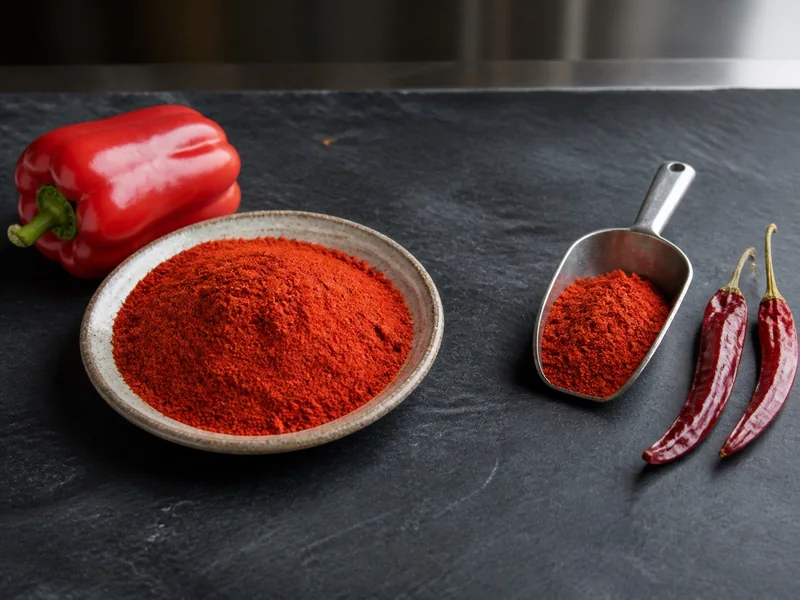
For that reason, chili powder has no universal Scoville rating. A manufacturer may publish a heat description for a specific product, but a number attached to generic chili powder cannot represent every blend.
Paprika, ancho, mild wording, and no named hot pepper usually point toward color and chile body rather than sharp burn.
Cayenne, hot red pepper, chipotle, or an explicit heat claim can signal more capsaicinoid heat, although the proportion still matters.
Chili pepper, red pepper, and spices are too broad to predict a precise level without a manufacturer statement or a small taste.
Color is especially misleading because paprika can make a powder intensely red while contributing little or no heat. Start below the recipe quantity when the jar is unfamiliar, let the powder disperse through the food, then taste before adding more.
Nutrition numbers depend on the serving printed on the jar
The FDA says every Nutrition Facts number applies to the serving size printed on that label. Spice jars often use fractions of a teaspoon, so a value that looks negligible may describe far less powder than the tablespoon used in a large pot.
That example describes one product at one half gram. It cannot establish the sodium for Badia, McCormick, a salt-free blend, or the total quantity added to a recipe.
Compare products at the same weight or the same teaspoon amount whenever possible. Calories and some nutrients may round to zero at tiny label servings, which does not mean the ingredients disappear when several teaspoons go into food.
Sodium deserves the closest look because some blends list salt near the beginning and others omit it. Multiply the labeled serving carefully when sodium matters, and rely on the current package rather than a generic spice database for an exact brand calculation.
Let the label set the rest of the seasoning
A blend can quietly duplicate five separate recipe ingredients. The safest method is to use the label as a map, hold back matching seasonings, and add them only after the powder has cooked into the dish.
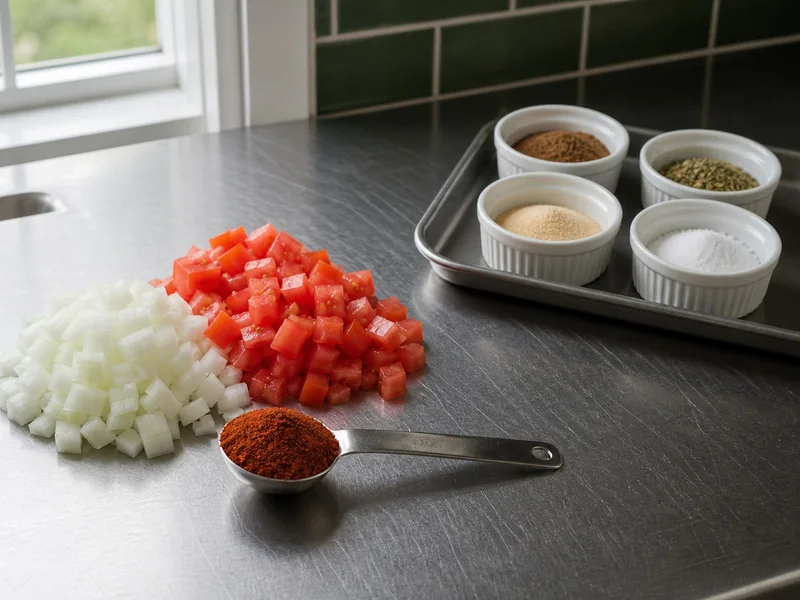
- Read the blend for salt, cumin, garlic, onion, oregano, and a named hot pepper.
- Add part of the chili powder while keeping the matching separate seasonings below their full recipe amounts.
- Disperse the powder in warm fat when the recipe permits, then add liquid before the spices darken or scorch.
- Let soups, chili, beans, and sauces simmer long enough for dried spices to hydrate.
- Taste for salt, earthiness, savory aroma, herbs, and heat as separate qualities before adjusting one at a time.
Salt and heat are the hardest additions to reverse, so they deserve the most restraint. Cumin can also become dominant before the dish tastes fully seasoned, especially when both the jar and the recipe supply a full measure.
This process does not require guessing the manufacturer's ratios. It preserves enough room to correct the dish with evidence from its actual flavor.
Which chili powder fits your recipe?
The best product is the one whose ingredient list supplies what the dish is missing. A longer label is useful when the powder must build the seasoning base, while a short single-chile label gives more control when the recipe already specifies its own cumin, garlic, oregano, and salt.
A balanced seasoning blend can combine red chile body with cumin and aromatics. Check salt before adding the recipe's full separate measure.
Choose a finely ground product with a heat level you know. A salt-free blend gives more control when the rub already has a measured salt ratio.
A named ancho, guajillo, New Mexico, or other single-chile powder can preserve a specific pepper flavor when the recipe supplies its own aromatics.
A single-chile powder avoids bringing cumin and oregano into a recipe where those flavors would feel out of place.
Look for mild wording and paprika or ancho signals, then avoid assuming that darker red means hotter.
Choose a salt-free product or compare labels at equal weights. Keep salt as a separate ingredient that can be measured once.
Smoky wording deserves the same scrutiny as heat wording. Chipotle or smoked paprika can suit barbecue, beans, and braises, but that smoke can dominate a clean tomato sauce or a delicate vegetable dish.
How do you fix too much chili powder?
Too much chili powder is not always a heat problem. Because the jar can contain chile, salt, cumin, garlic, and oregano, the right correction starts by naming the strongest fault.
Add more compatible unseasoned base such as beans, tomato, broth, vegetables, meat, or dairy when the recipe supports it. Fat can soften the perception of capsaicin, but dilution is what reduces its concentration.
Increase unsalted solids and liquid in the same proportions as the original dish. Extra water alone can thin texture while leaving the total salt unchanged.
Dilute with the unseasoned base, then rebuild tomato, fresh aromatics, or another defining flavor of the dish. More chili powder will repeat the same imbalance.
Check whether the powder scorched in the pan. Move usable food away from burnt residue, dilute, and add a small amount of acidity or sweetness only if it suits the recipe.
Give it moisture and gentle cooking time. A small amount of warm fat can disperse the spices, but further dry frying risks bitterness.
Let the dish simmer before making another change. Dried aromatics soften as they hydrate, while dilution remains the fallback if the flavor stays dominant.
Balancing is not removal Acid, sugar, dairy, or fat may change how excess seasoning tastes, but they do not take salt, cumin, or capsaicinoids out of the pot. Increase the compatible unseasoned base when the excess is substantial.
Correct a small test portion first when the pot is valuable. That trial shows whether tomato, dairy, acid, sweetness, or more base improves this particular dish without committing the entire batch to another irreversible addition.
Chili Powder Ingredients: What Is Really in the Jar? FAQ
- FDA - Types of Food Ingredients
- FDA - How to Understand and Use the Nutrition Facts Label
- McCormick - Chili Powder
- Spice Islands - Chili Powder
- Badia - Chili Powder
- New Mexico State University - Measuring Chile Pepper Heat
- New Mexico State University - The Chile Cultivars of New Mexico State University
- Sourcing note: manufacturer product pages are used only for each company's current ingredient statement