
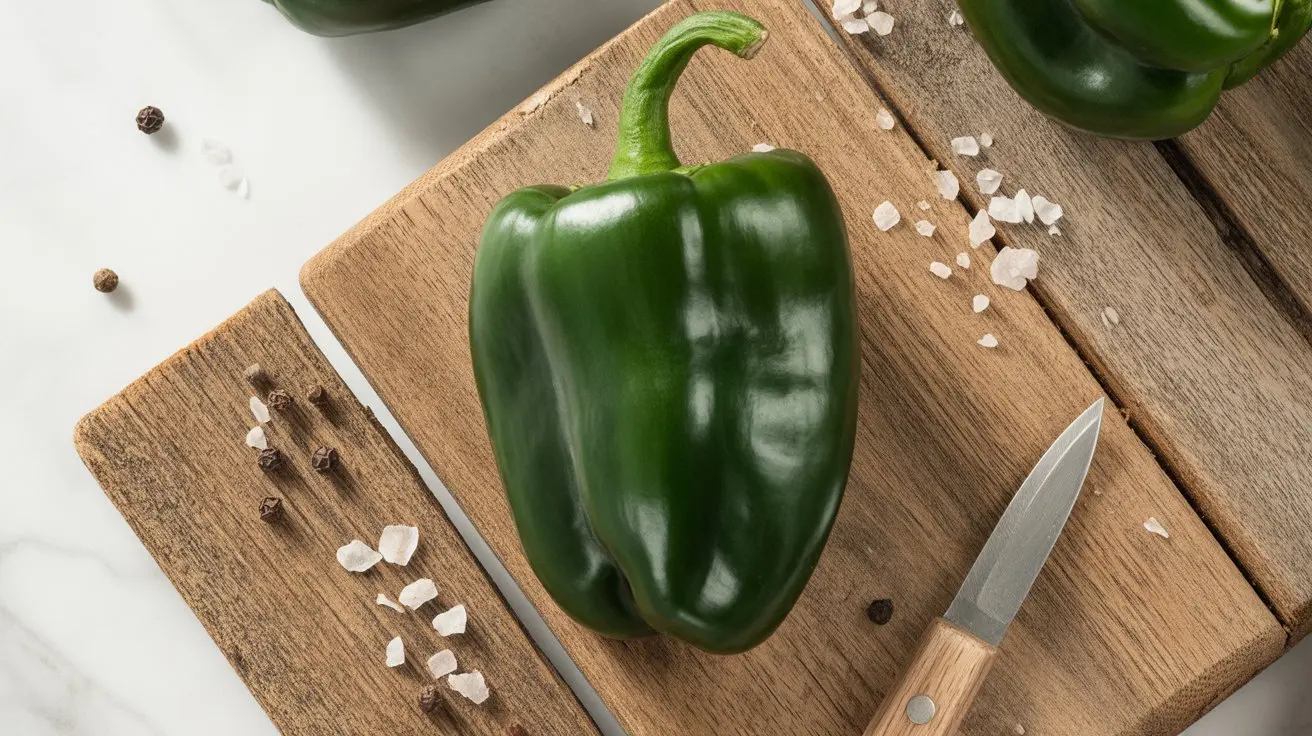
Best Pasilla Pepper substitutes and alternatives for cooking
Substitute Guide

7 Best Substitutes for Pasilla Pepper (Ranked)

Quick Summary

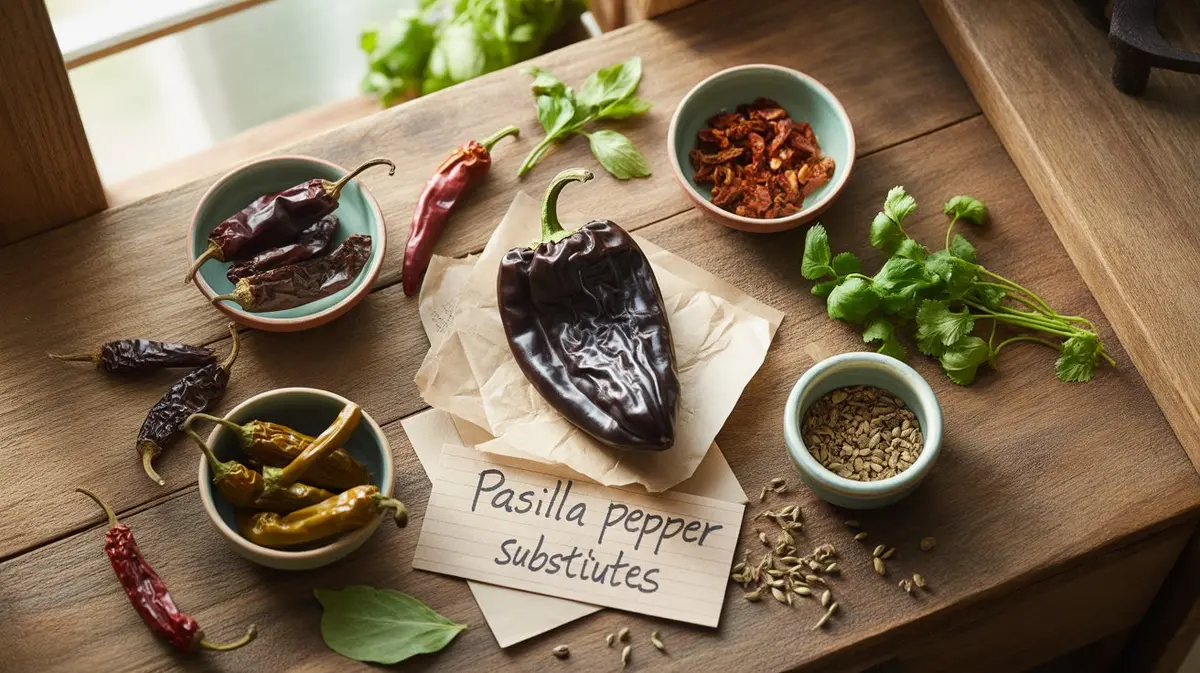
Pasilla peppers are dried chilacas with a deep, earthy, mildly smoky flavor that anchors countless mole sauces and Mexican braises. When you can't find them, the right substitute depends on whether you need that same dark, complex flavor profile or simply a mild dried pepper with body. The options below are ranked by how closely they replicate pasilla's distinctive character.

Advertisement

Best Pasilla Pepper Substitutes

These alternatives are ranked by how closely they match Pasilla Pepper’s heat level and flavor profile. Use the conversion ratios to adjust quantities in your recipe.
#1
Ancho Pepper Closest Match

Ancho is the closest match you'll find — it's also a dried Mexican chili in the mulato/pasilla/ancho trinity, with a similarly dark, wrinkled skin and 0-1,000 SHU heat. The flavor leans sweeter and fruitier than pasilla, with less of that tobacco-and-dried-fruit depth, but in mole sauces and red chile sauces, most cooks won't notice the difference. Use a 1:1 ratio by weight or by whole pod count.

If you want to see exactly where these two diverge, the side-by-side flavor contrast between ancho and pasilla breaks it down thoroughly.

#2
Mulato Pepper Runner-Up

Mulato is arguably even closer to pasilla than ancho is. It's a dried poblano variant with a 1,000-1,500 SHU range and a distinctly chocolatey, earthy tone that mirrors pasilla's dark complexity. The color is almost black when dried, just like pasilla, and it rehydrates with a similar leathery texture. Swap at 1:1 — mulato works especially well in mole negro where pasilla's bitterness is part of the sauce architecture.

#3
Poblano Pepper (fresh or dried) Also Great

Fresh poblano's mild, earthy green flavor is a reasonable stand-in when you need the pepper in its fresh form rather than dried. At 1,000-1,500 SHU, it's slightly warmer than a true pasilla but shares that grassy, mildly bitter backbone. For dried applications, the ancho form (dried poblano) is covered above. Use 1:1 fresh for fresh, or reconstitute dried ancho for dried pasilla. The comparison between pasilla and poblano's culinary roles is worth reading if you're deciding between the two.

Comparison of Pasilla Pepper with similar peppers for substitution
#4
Bell Pepper (with smoked paprika)

On its own, the sweet, crisp character of a bell pepper lacks the depth and smokiness of pasilla entirely. But when you combine 1 tablespoon of smoked paprika per 2 bell peppers, you get surprisingly close to the flavor profile in cooked applications like sauces, stews, and braises. The heat is identical — both are 0 SHU — so this works well for heat-sensitive recipes. Use 1 bell pepper + 1 tsp smoked paprika per whole pasilla pod called for. This is strictly a cooked-sauce substitute; it won't work for stuffed pepper applications.

#5
Habanada Pepper

The fruity, sweet intensity of the habanada makes it an unexpected but effective pasilla substitute in fresh preparations. Habanada is a heatless habanero — 0 SHU — bred to retain the floral, tropical fruitiness of its parent without the burn. It doesn't replicate pasilla's earthiness, but in salsas, fresh sauces, and roasted pepper dishes, the complexity it brings is welcome. Use 1 habanada per 1-2 pasilla peppers and add a pinch of smoked paprika to compensate for the missing earthy notes.

#6
NuMex Heritage Big Jim

The mild, thick-walled New Mexico green chile flavor of NuMex Heritage Big Jim makes it a practical fresh substitute, especially for roasting and stuffing. At a gentle heat level and with substantial flesh, it performs structurally like a pasilla in preparations where you need body and bulk. The flavor is less complex — more straightforward green chile than earthy dried fruit — but it holds up well when charred or slow-cooked. Substitute 1:1 by size.

#7
NuMex Joe E. Parker

NuMex Joe E. Parker's versatile mild heat rounds out this list as a reliable workhorse substitute for fresh or roasted pasilla applications. It's a classic New Mexico Hatch-style pepper with clean, grassy flavor and enough wall thickness to handle stuffing or roasting. Like Big Jim above, it lacks pasilla's depth but delivers in texture and mild heat balance. Use 1:1 by count in cooked dishes, and consider adding dried guajillo or a small amount of ancho powder to the recipe to compensate for the missing complexity.

Related Chocolate Habanero: 300K–425K SHU, Taste & Recipes
Peppers to Avoid as Pasilla Pepper Substitutes

Cayenne pepper looks like it belongs on this list because it's also dried and commonly used in Mexican cooking, but its heat — 30,000-50,000 SHU — is dramatically higher than pasilla's gentle warmth. Swapping cayenne into a mole or chile sauce will blow out the heat balance entirely.

Chipotle is another trap. Yes, it's a dried, smoky Mexican chili, but chipotle is a smoked jalapeño sitting at 2,500-8,000 SHU with a very assertive smokiness that tends to dominate rather than support a dish. Pasilla's smoke is subtle; chipotle's is not.

Guajillo, while genuinely useful in Mexican cooking, brings a bright, tangy, slightly berry-like flavor that points in the opposite direction from pasilla's dark, bitter earthiness. Using guajillo as a direct swap will shift the entire flavor profile of a mole or enchilada sauce toward something lighter and more acidic than intended.

Fact-Checked & Expert Reviewed
Editorial Standards: All facts verified against authoritative sources. Content reviewed by subject matter experts before publication.
Review Process: Written by Sofia Torres (Lead Culinary Reviewer) , reviewed by Karen Liu (Lead Fact-Checker & Science Editor) . Last updated February 19, 2026.

Related Pepper Comparisons: Side-by-Side Heat & Flavor

Pasilla Pepper Substitute FAQ

Yes, ancho is the most practical 1:1 swap for pasilla in mole negro, though it adds slightly more sweetness and less of the bitter, tobacco-like depth pasilla contributes. For a closer match, use mulato if you can find it, or combine ancho with a small amount of dried guajillo to add complexity.

They come from the same plant but represent different stages — poblano is the fresh green pepper, while pasilla is technically the dried form of the chilaca (a different variety), though labeling varies by region. In the United States, fresh poblanos are sometimes sold as 'pasilla,' which creates confusion; the side-by-side differences between pasilla and poblano clarify the distinction.

Ancho pepper is the best substitute for enchilada sauce — use the same weight of dried ancho pods, toast them briefly in a dry pan, and rehydrate as you would pasilla. If you want a slightly brighter sauce, a mix of ancho and guajillo (2:1 ratio) gets you close to the classic red enchilada flavor profile.

A plain bell pepper is too sweet and lacks the earthy depth of pasilla, but the combination of sweet bell pepper flavor plus smoked paprika works reasonably well in cooked sauces and braises. Use one bell pepper with one teaspoon of smoked paprika per whole pasilla pod called for in the recipe.

The fruity complexity of the habanada makes it more interesting than a standard bell pepper swap, especially in fresh salsas and roasted pepper dishes where floral, fruit-forward notes are welcome. It won't replicate pasilla's earthy smokiness, so add a pinch of smoked paprika or cumin to bridge the gap.

Sources & References
Karen Liu
Fact-checked by Karen Liu
Contributing Editor & Food Scientist
All Substitutes Browse Peppers Substitute Finder Tool