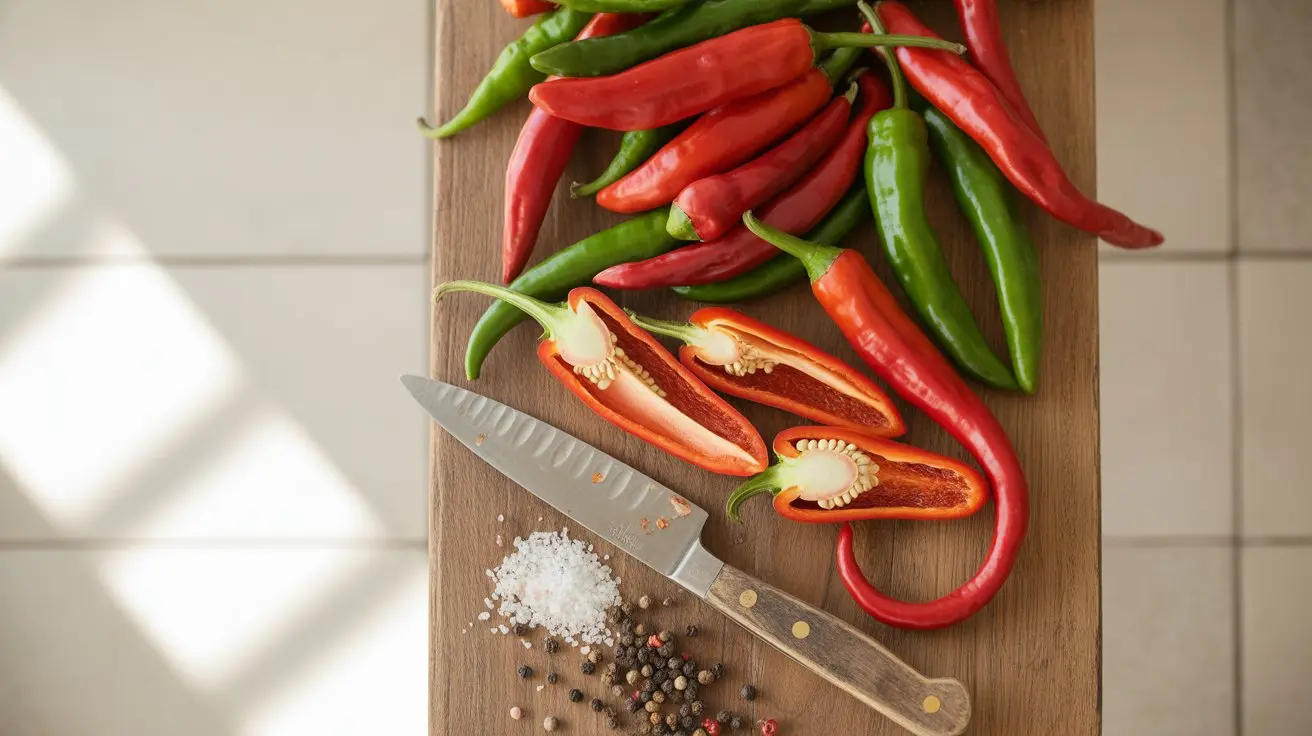
Thai Dragon

The Thai Dragon hits 50,000–100,000 SHU with a sharp, bright heat that builds fast and lingers. This small elongated C. annuum from Thailand punches well above its size, delivering clean fire without the fruity sweetness of habanero-style peppers. It belongs to the extra-hot heat category and runs roughly 20x hotter than a typical jalapeño.
- Species: C. annuum
- Heat tier: Extra-Hot (100K–1M SHU)
- Comparison: 20x hotter than a jalapeño
What is Thai Dragon?
The first thing you notice about a Thai Dragon is the aroma — green, almost grassy, with a faint citrus edge that doesn't prepare you for what follows. The heat arrives within seconds: sharp, direct, and bright rather than slow-building. There's a clean quality to it, more like a blade than a wave.
Flavor-wise, this pepper doesn't hide behind sweetness. The taste is herbaceous and slightly vegetal, with a thin-skinned bite that releases heat immediately. At 50,000–100,000 SHU, it sits comfortably in the extra-hot pepper range — comparable to the fiery intensity of small Thai-style chilis but with a slightly more elongated body and arguably sharper front-end heat.
The pods are small, typically 1–3 inches long, tapering to a point. They ripen from green through yellow to red, with red pods carrying the most heat. The plant is prolific — you'll get hundreds of pods per season from a single well-established specimen.
For context, the datil pepper tops out around 100,000 SHU, putting Thai Dragon at roughly equivalent intensity on its upper end. That's serious heat for a C. annuum variety, a species more commonly associated with bell peppers and mild chilis. Thai Dragon is the outlier in its own botanical family.
History & Origin of Thai Dragon
Thailand's chili culture traces back to the 16th century, when Portuguese traders introduced Capsicum peppers from the Americas to Southeast Asia. The region took to chilis with exceptional enthusiasm, breeding them toward intense heat and compact size suited to local cuisine.
The Thai Dragon specifically emerged from this tradition of selecting for extreme pungency in small pods. It became a fixture in Thai home gardens and commercial agriculture, prized for its reliable heat and heavy yields. The regional pepper tradition favors varieties that deliver consistent fire across a long growing season.
Western seed companies began importing Thai Dragon genetics in the 1980s and 1990s, and it's now widely grown outside Asia as both a culinary pepper and a garden ornamental. Its compact size and dramatic pod display made it popular with home growers in temperate climates looking for authentic Southeast Asian heat.
How Hot is Thai Dragon? Heat Level & Flavor
The Thai Dragon delivers 50K–100K Scoville Heat Units, placing it in the Extra-Hot tier (100K–1M SHU). That makes it roughly 20x hotter than a jalapeño.
Flavor notes: sharp and bright.
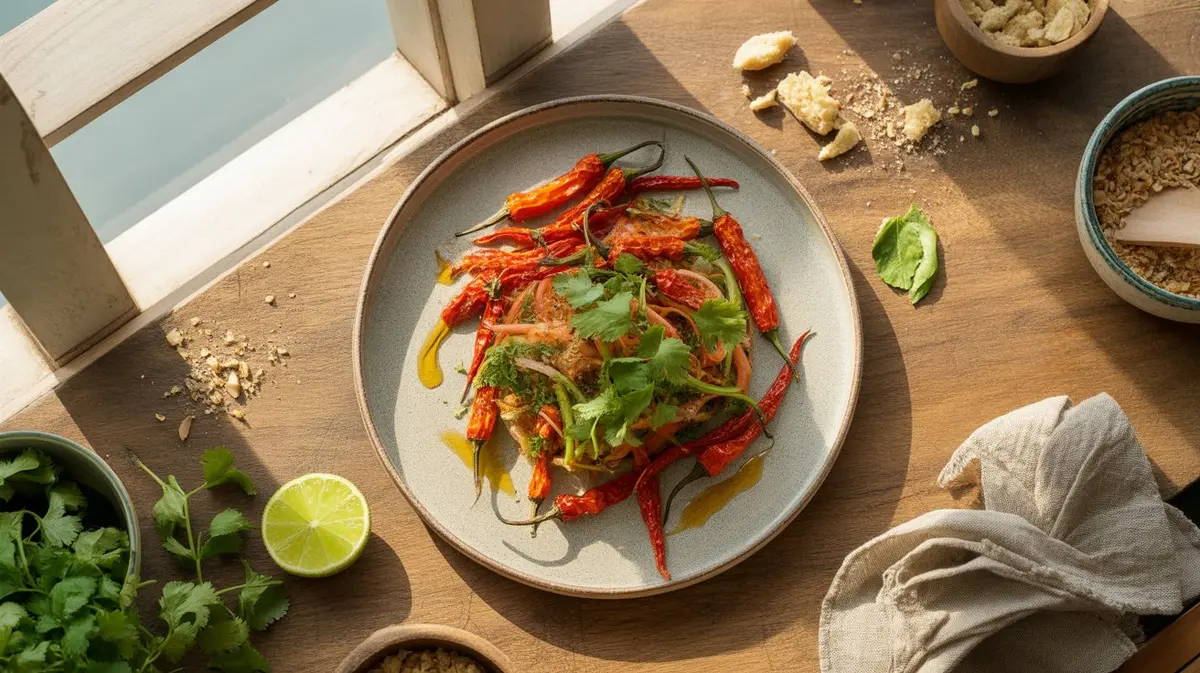
Thai Dragon Nutrition Facts & Health Benefits
Like most hot peppers, Thai Dragon delivers a solid nutritional profile relative to its small size. Capsaicin — the compound responsible for heat — has been studied for anti-inflammatory properties and potential metabolic effects, though eating Thai Dragon for health reasons requires some tolerance for pain.
Red pods contain significantly more vitamin C than green ones, often exceeding the content of citrus fruits by weight. They also provide vitamin A (from beta-carotene), vitamin B6, and small amounts of potassium and iron.
Calorie count is negligible — a few pods contribute fewer than 10 calories — while the capsaicin content sits high enough to trigger a measurable thermogenic response.
Best Ways to Cook with Thai Dragon Peppers
Thai Dragon earns its place in the kitchen through versatility and consistent heat. The sharp, bright flavor profile cuts through rich coconut-based curries without getting lost, and the pods hold up reasonably well to high-heat cooking — stir-fries, soups, and braised dishes all benefit from the clean fire they deliver.
Dried Thai Dragon pods are particularly useful. Ground into a coarse powder or crushed into flakes, they work as a direct substitute for commercial red pepper flakes, with noticeably more heat. A single dried pod in a pot of soup will season the whole batch.
For fresh applications, slicing thin and adding to nam prik (Thai chili dipping sauces) is the traditional approach. The thin skin means the pepper integrates quickly without the textural issues you get from thicker-walled varieties.
If you want something with similar heat but a different flavor angle, the sharp fruity bite of the Malagueta offers an interesting comparison — same SHU range, very different culinary tradition. For those curious about how peppers in this range get used across different cooking styles, the contrast is worth exploring.
Handle Thai Dragon with gloves. The capsaicin load is high enough that touching your eyes after prep is a genuinely bad afternoon.
Where to Buy Thai Dragon & How to Store
Fresh Thai Dragon pods appear at Asian grocery stores and farmers markets during summer and fall. Look for firm, unblemished pods with tight skin — soft spots indicate age.
Fresh pods keep 1–2 weeks refrigerated in a paper bag (not plastic, which traps moisture). For longer storage, drying is the traditional method: string them and hang in a warm, well-ventilated space for 2–3 weeks, or use a dehydrator at 125°F for 8–10 hours.
Dried pods stored in an airtight container away from light will hold heat and flavor for 12–18 months. Frozen fresh pods work too — no blanching needed, though texture suffers after thawing.
Best Thai Dragon Substitutes & Alternatives
Whether you ran out of thai dragon or just want to try something different, these peppers make solid stand-ins. We picked them based on heat range, flavor overlap, and how well they actually work in the same dishes.
Our top pick: Apollo Pepper (50K–100K SHU). Same species (C. annuum) and nearly the same heat, so it swaps in at a 1:1 ratio without changing the character of the dish. The flavor leans bright and crisp, which is close enough that most people won’t notice the difference in a cooked recipe.
How to Grow Thai Dragon Peppers
Thai Dragon is a strong performer in containers and garden beds alike. Start seeds 8–10 weeks before your last frost date — germination typically runs 10–21 days at soil temperatures between 75–85°F. For a full walkthrough on starting from seed, the pepper germination and growing guide covers the essentials.
The plants stay compact, usually 18–24 inches tall, which makes them manageable in 5-gallon containers if you're working with limited space. They need full sun — at least 6 hours daily — and consistent moisture without waterlogging.
Feed with a balanced fertilizer through vegetative growth, then shift to lower nitrogen once pods start forming. Too much nitrogen late in the season pushes leafy growth at the expense of fruit.
Pairing Thai Dragon with basil or marigolds can help with pest pressure — see practical guidance on pepper companion planting for specifics. Aphids and spider mites are the main threats; the pepper pests and diseases guide is worth bookmarking before problems appear.
Pods ripen over an extended window. Harvest red pods regularly to encourage continued production — leaving mature pods on the plant signals it to slow down.
Frequently Asked Questions
-
At 50,000–100,000 SHU, the Thai Dragon lands at roughly the same upper intensity as a datil pepper and about 20 times hotter than a typical jalapeño. It's significantly hotter than cayenne but well below the superhot tier occupied by ghost peppers and reapers.
-
They're related but distinct — both are small, hot Thai-style peppers, but the Thai Dragon has a more elongated shape than the compact, round-tipped appearance of bird's eye varieties. Heat levels overlap, but Thai Dragon tends to run slightly larger in pod size.
-
Yes, with some adjustment. Starting seeds indoors early and using containers that can be moved inside before frost extends the season considerably. The plants are compact enough to overwinter on a sunny windowsill in temperate zones, which lets you carry productive specimens into a second year.
-
Drying whole pods is the most practical approach — they retain heat well and take up minimal storage space. Alternatively, blending fresh pods with vinegar and salt makes a simple hot sauce that keeps refrigerated for several months.
-
Thai Dragon is generally more compact and faster to mature than the longer-season cultivation profile of the Sugar Rush Peach, which also tends toward sweeter flavor at similar SHU levels. For growers in short-season climates, Thai Dragon is the more forgiving choice.
- Chile Pepper Institute - New Mexico State University
- USDA Agricultural Research Service - Capsicum
- University of California Cooperative Extension - Hot Peppers
Species classification: C. annuum — based on published botanical taxonomy.