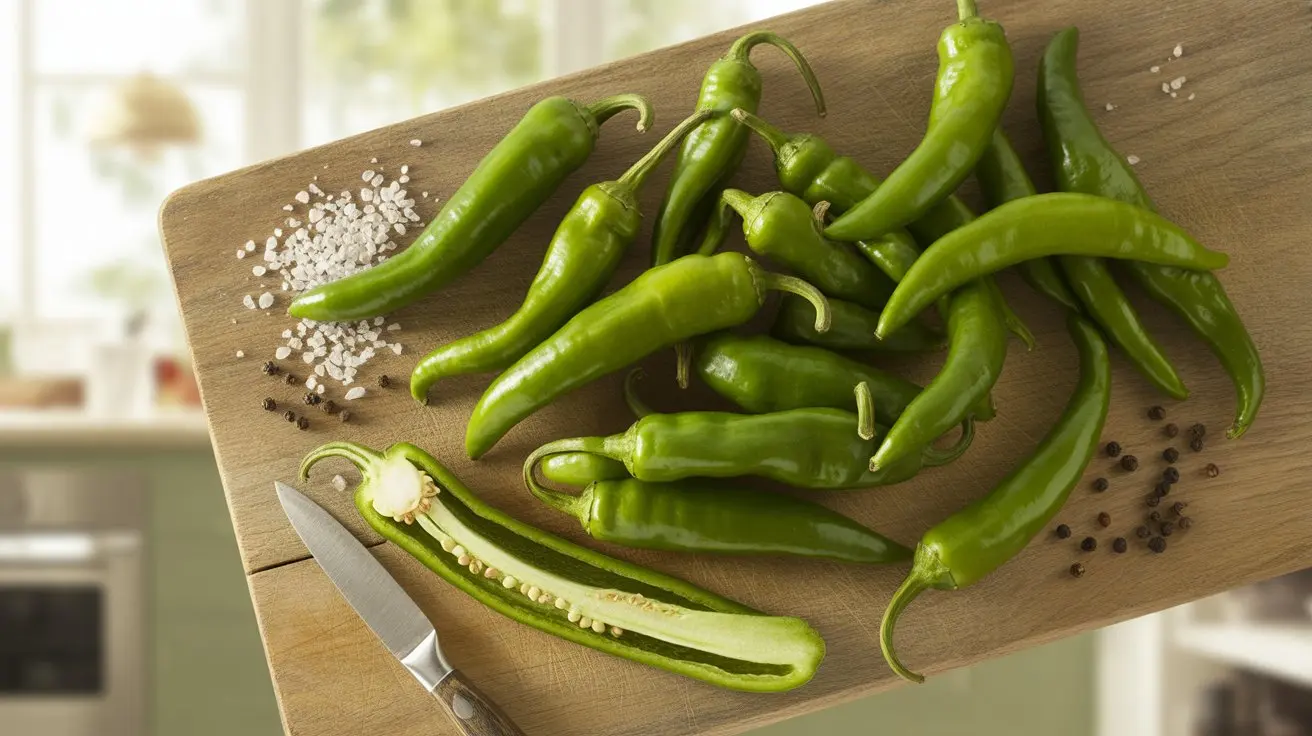
Serrano Pepper

The serrano pepper delivers 10,000–23,000 SHU of clean, grassy heat — roughly 5 times hotter than a jalapeño. Grown across Mexico's mountain pepper tradition, this bullet-shaped C. annuum species pepper is the go-to for fresh salsas, guacamole, and pico de gallo where you want heat that actually shows up.
- Species: C. annuum
- Heat tier: Hot (10K–100K SHU)
- Comparison: 5x hotter than a jalapeño
What is Serrano Pepper?
Bite into a raw serrano and the first thing you notice is the aroma — green, grassy, almost herbal, like a jalapeño that decided to be serious. The flavor follows quickly: bright, crisp, slightly vegetal, with a clean heat that builds fast and lingers without the slow creep you get from dried chiles.
At 10,000–23,000 SHU, serranos sit firmly in the hot pepper intensity zone — hotter than tabasco sauce by a meaningful margin. That heat comes on sharp and direct, which is exactly why Mexican cooks reach for them when they want fire that integrates into fresh preparations rather than sitting on top.
The bullet shape — typically 1–4 inches long, slender, with smooth skin — makes them easy to slice thin or leave whole for roasting. They start green and ripen through yellow, orange, and red, with heat intensifying slightly as they mature.
Compared to the Thai chili's piercing intensity vs. serrano's rounded bite, serranos have more body and flavor complexity. They're not just a heat delivery system — there's actual pepper character here worth tasting.
This is the pepper that belongs in your refrigerator year-round, not just when you're feeling adventurous.
History & Origin of Serrano Pepper
Serranos originate from the mountainous regions of Puebla and Hidalgo, Mexico — 'serrano' literally means 'from the mountains' in Spanish. They've been cultivated in these highlands for centuries, long before Spanish contact, as part of the complex chile culture that shaped Mexican cuisine.
Unlike many Mexican chiles that found global fame through export, serranos remained largely regional until the 20th century. Today they rank among the most commercially produced chiles in Mexico, with significant cultivation in Tamaulipas, Veracruz, and Sinaloa.
They crossed into American kitchens gradually through the Southwest, eventually becoming a fixture in grocery stores nationwide. Fresh serranos are now widely available across the U.S., though they're rarely dried commercially — their thin walls and moisture content make them better suited to fresh applications.
How Hot is Serrano Pepper? Heat Level & Flavor
The Serrano Pepper delivers 10K–23K Scoville Heat Units, placing it in the Hot tier (10K–100K SHU). That makes it roughly 5x hotter than a jalapeño.
Flavor notes: bright and crisp.
Serrano Pepper Nutrition Facts & Health Benefits
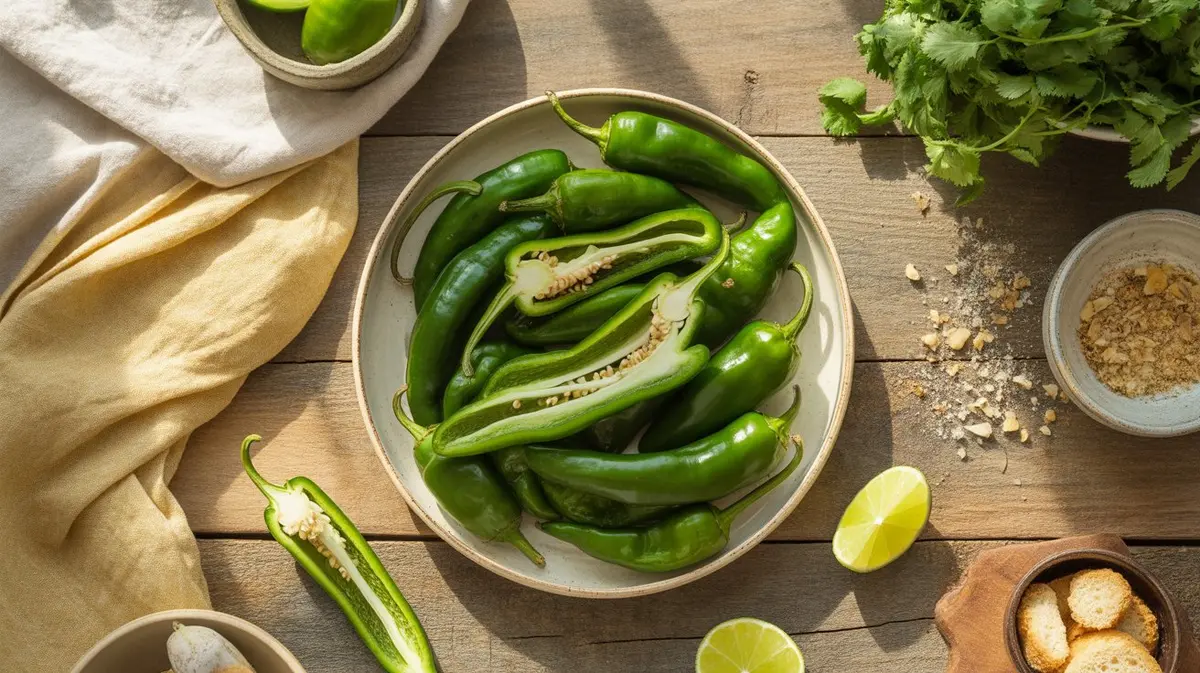
A 100g serving of raw serrano peppers contains approximately 32 calories, 6g carbohydrates, and 1.7g protein. They're an excellent source of vitamin C — often exceeding 100% of daily value — along with meaningful amounts of vitamin B6**, potassium, and vitamin A.
Capsaicin, the compound responsible for serrano heat, has been studied for its potential metabolism-boosting and anti-inflammatory properties, though most research uses concentrated extracts rather than whole peppers. The science behind why capsaicin triggers heat receptors explains why the burn feels so immediate with fresh serranos.
Best Ways to Cook with Serrano Peppers
Start with aroma when cooking serranos raw: that grassy, sharp scent tells you the heat is intact and the pepper hasn't oxidized. It's your cue that you're working with something alive.
Serranos are the default pepper in pico de gallo across most of Mexico, preferred over jalapeños precisely because the heat is sharper and the flavor cleaner. Dice them fine and the heat distributes evenly without any one bite being overwhelming.
For salsa verde, roast or blister serranos directly over a gas flame until charred in spots. The char softens the brightness and adds a subtle smokiness that balances tomatillos beautifully.
They work raw in guacamole, sliced thin into tacos, or floated whole in broth-based soups where they steep their heat slowly. Red-ripe serranos bring slightly more sweetness and are worth seeking out for sauces.
If the heat is too aggressive, relief from capsaicin's burn comes from dairy fat or starchy foods — water won't help. Remove seeds and inner membrane to dial down intensity by roughly 30–40% while keeping the flavor.
Serranos also pickle exceptionally well in quick brine, holding their crunch and heat for weeks.
Where to Buy Serrano Pepper & How to Store
Look for serranos with firm, smooth, glossy skin and no soft spots or wrinkles. Green pods are most common; red ones are riper, slightly sweeter, and worth grabbing when available.
Refrigerate unwashed in a paper bag or loosely wrapped — they keep 1–2 weeks this way. Wash just before use.
For longer storage, serranos freeze well whole: spread on a sheet pan to freeze individually, then transfer to a bag. Frozen serranos work fine in cooked applications but lose their crunch for raw use. They also pickle easily in a 5% brine and keep refrigerated for months.
Best Serrano Pepper Substitutes & Alternatives
Whether you ran out of serrano pepper or just want to try something different, these peppers make solid stand-ins. We picked them based on heat range, flavor overlap, and how well they actually work in the same dishes.
Our top pick: Isot Pepper (10K–23K SHU). Same species (C. annuum) and nearly the same heat, so it swaps in at a 1:1 ratio without changing the character of the dish. The flavor leans smoky and earthy, which is close enough that most people won’t notice the difference in a cooked recipe.
How to Grow Serrano Peppers
Serranos are reliable producers that reward patient gardeners. Start seeds indoors 8–10 weeks before last frost — germination takes 10–21 days at soil temperatures around 80–85°F. For a complete walkthrough, the serrano growing guide covers soil prep through harvest.
Transplant outdoors once nighttime temps stay above 55°F. Space plants 18–24 inches apart in full sun with well-draining soil amended with compost. They prefer consistent moisture but hate waterlogged roots.
Days to maturity runs 70–80 days from transplant to green-ripe. Letting pods fully ripen to red adds another 2–3 weeks but intensifies both flavor and heat.
Plants reach 18–36 inches tall and produce heavily — a single established plant can yield dozens of pods per season. Compared to some ornamental varieties like the distinctively shaped hot red pepper which grows similarly in containers, serranos need a bit more root space to hit full production.
Pinch early flowers if you want stronger plants before fruiting begins. In hot climates, afternoon shade prevents blossom drop during peak summer heat.
Frequently Asked Questions
-
Serranos measure 10,000–23,000 SHU versus a jalapeño's typical 2,500–8,000 SHU, making them roughly 3–5 times hotter depending on the individual pod. The heat also feels sharper and more immediate rather than the slower build you get from a jalapeño.
-
Yes, but use about half the amount by weight to match jalapeño heat levels. Serranos also have less moisture and a slightly different flavor profile, so the swap works best in cooked applications like salsas and sauces rather than stuffed preparations.
-
Red serranos are fully ripe versions of the same pepper, with slightly more sweetness and a touch more heat than green pods. The flavor is less grassy and more rounded — worth using in red salsas or sauces where you want a warmer flavor note.
-
The seeds themselves contain little capsaicin — most heat lives in the white inner membrane (placenta). Removing both the membrane and seeds reduces heat by 30–40% while keeping the pepper's flavor largely intact.
-
In most U.S. markets, serranos are reliably stocked year-round, though peak-season pods from summer through early fall tend to be firmer and more flavorful. Mexican grocery stores typically carry them consistently and often at lower prices than mainstream supermarkets.
- Chile Pepper Institute - New Mexico State University
- USDA FoodData Central - Peppers, serrano, raw
- University of California Cooperative Extension - Chile Peppers
- Bosland, P.W. & Votava, E.J. - Peppers: Vegetable and Spice Capsicums
Species classification: C. annuum — based on published botanical taxonomy.