Piquin Pepper

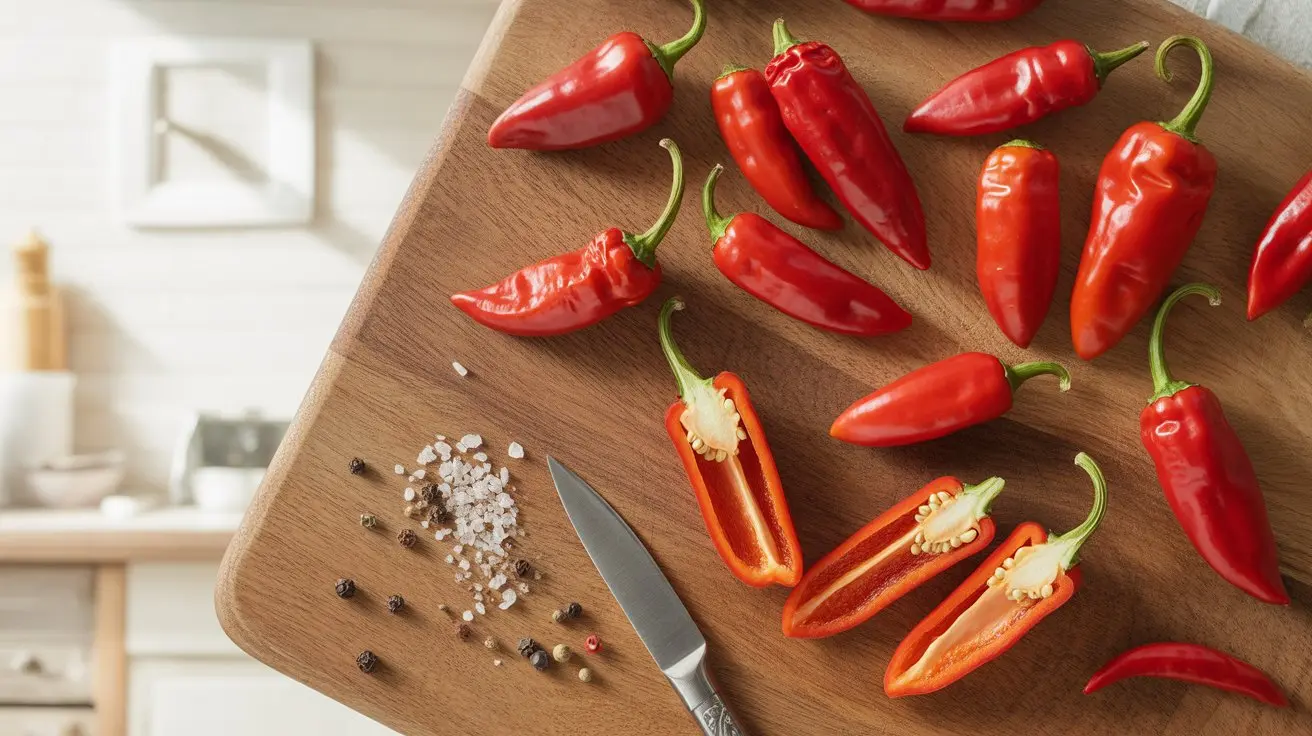
The piquin pepper is a wild-harvested Mexican chili sitting at 30,000–60,000 SHU — roughly twice the heat of a de arbol — with a distinctly smoky, nutty flavor that sets it apart from most small hot peppers. It belongs to the hot pepper tier and punches well above its tiny size. Most people don't realize it grows wild across northern Mexico and the American Southwest before ever reaching a kitchen.
- Species: C. annuum
- Heat tier: Hot (10K–100K SHU)
- Comparison: 12x hotter than a jalapeño
What is Piquin Pepper?
Most small round chilies get lumped together, but the piquin pepper is genuinely its own thing. At 30,000–60,000 SHU, it hits roughly twice as hard as a de arbol, yet the heat arrives with a smoky, nutty depth you don't find in most peppers of this size.
Botanically, it's part of the Capsicum annuum species — the same family as bell peppers and jalapeños — which surprises people given how far its flavor strays from those mild relatives. The fruits are tiny and round, barely the size of a pea, and they dry quickly on the plant, which is part of why they've been used for centuries without formal cultivation.
The piquin is one of the few chilies that still grows predominantly wild. Birds eat the fruits and distribute the seeds across scrubland and forest edges throughout northern Mexico and the broader Mexican pepper tradition. That wild origin shapes the flavor — there's a complexity here, something close to dried fruit and roasted nuts underneath the heat, that cultivated varieties rarely replicate.
Compared to a fruity Peruvian chili around the same SHU range, the piquin reads drier and smokier rather than bright and tropical. It's a pepper with a strong sense of place.
History & Origin of Piquin Pepper
Piquin peppers have been part of Mesoamerican food culture for thousands of years, long before formal agriculture shaped the chili landscape. Archaeological evidence points to wild Capsicum use in Mexico dating back at least 6,000 years, and the piquin — or chiltepín, its closely related cousin — sits near the base of that history.
The name "piquin" likely derives from the Spanish word for small, pequeño, though regional names vary widely across Mexico and Texas. In some areas it's called chile del monte (mountain chile) or chile mosquito.
Unlike most modern chilies, the piquin was never dramatically reshaped through selective breeding. What you grow or forage today closely resembles what indigenous communities harvested centuries ago. It remains a staple in Sonoran and Oaxacan cooking, and in parts of Texas it's considered a regional treasure — the state even designated the chiltepín as the official native pepper of Texas in 1997.
How Hot is Piquin Pepper? Heat Level & Flavor
The Piquin Pepper delivers 30K–60K Scoville Heat Units, placing it in the Hot tier (10K–100K SHU). That makes it roughly 12x hotter than a jalapeño.
Flavor notes: smoky and nutty.
Piquin Pepper Nutrition Facts & Health Benefits
Like most hot peppers, piquins deliver meaningful nutrition in a very small package. They're a solid source of vitamin C and vitamin A (from beta-carotene), and the capsaicin responsible for their heat has been studied for anti-inflammatory and metabolic effects — more on that in this overview of pepper health benefits.
Capsaicin in the 30,000–60,000 SHU range triggers a meaningful TRPV1 receptor response, which is linked to endorphin release and temporary metabolism increases. Dried piquins also contain small amounts of iron, potassium, and B vitamins. Because they're used in small quantities, the per-serving nutritional impact is modest but real.
Best Ways to Cook with Piquin Peppers
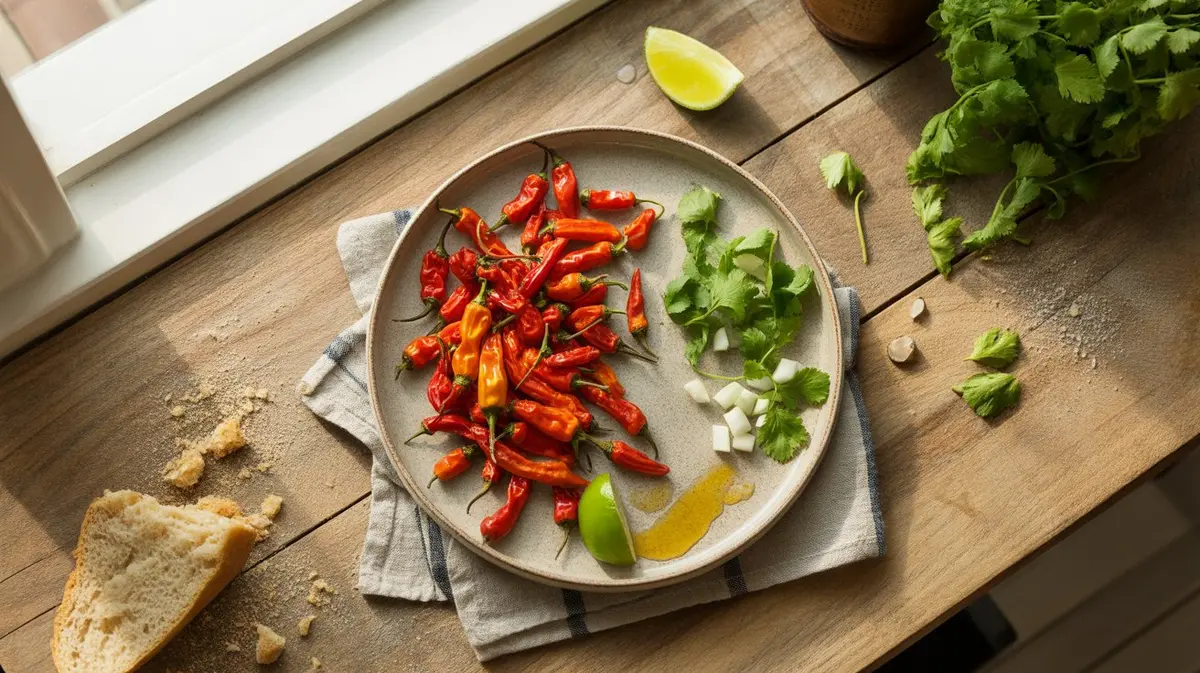
The smoky, nutty character of dried piquin peppers makes them genuinely flexible, though their intensity demands some restraint. A small handful crushed into a pot of black beans adds heat that builds slowly — nothing like the sharp front-loaded burn of the thin-walled bright heat you get from tabasco-style peppers.
Traditionally, piquins are used whole in salsas, soups, and stews, then removed before serving — similar to how bay leaves work, but contributing serious heat. Ground piquin is excellent as a finishing spice on grilled corn, roasted squash, or scrambled eggs.
Their smokiness pairs naturally with wood-fired cooking. Anyone interested in using peppers in smoking and low-heat cooking will find piquin a compelling addition — a pinch in a dry rub adds complexity that's hard to identify but easy to miss when it's gone.
For heat comparison, the Guntur chili's sustained high-end burn runs in a similar SHU range but reads sharper and more linear. Piquin heat is rounder, with more aftertaste. Fresh piquins (when you can find them) work in quick-cooked salsas; dried are better for long braises and spice blends.
Where to Buy Piquin Pepper & How to Store
Fresh piquins are rare outside of Mexico and the American Southwest — farmers markets in Texas and Arizona occasionally carry them in late summer. Dried whole piquins are more accessible through specialty spice retailers and Latin grocery stores.
Store dried piquins in an airtight container away from light and heat. Whole dried pods hold flavor for up to 2 years; ground piquin loses its smoky character faster, typically within 6–9 months. Freeze fresh piquins in a single layer, then transfer to bags — they hold up well for 12 months frozen without significant flavor loss.
Best Piquin Pepper Substitutes & Alternatives
Whether you ran out of piquin pepper or just want to try something different, these peppers make solid stand-ins. We picked them based on heat range, flavor overlap, and how well they actually work in the same dishes.
Our top pick: Dundicut Pepper (30K–65K SHU). Same species (C. annuum) and nearly the same heat, so it swaps in at a 1:1 ratio without changing the character of the dish. The flavor leans sharp and pungent, which is close enough that most people won’t notice the difference in a cooked recipe.
How to Grow Piquin Peppers
Growing piquin from seed takes patience — germination can be slow and erratic compared to commercial varieties. Starting seeds indoors 8–10 weeks before last frost gives them the head start they need. Soil temperature should stay above 80°F for reliable germination; a heat mat helps considerably.
Piquin plants are perennial in frost-free climates (USDA zones 9–11) and can live for years as small shrubs. In colder zones, they're grown as annuals or overwintered indoors. The plants prefer partial shade, which reflects their wild habitat under tree canopy — full sun can stress them in hot climates.
They're drought-tolerant once established, another trait from their wild origins. Overwatering is the more common mistake. Well-draining soil and infrequent deep watering produces better fruit set than frequent shallow irrigation.
For anyone starting from scratch, a solid step-by-step guide for growing peppers indoors covers the fundamentals that apply here. Piquins are slower to fruit than most C. annuum varieties — expect 90–120 days from transplant to first ripe fruit. The wait is worth it: a mature plant can produce hundreds of small fruits across a long season.
Frequently Asked Questions
-
Piquin peppers range from 30,000–60,000 SHU, which puts them roughly twice as hot as a typical de arbol at its upper end. The heat also feels different — piquin burns slower and lingers longer, while de arbol tends to hit sharper and fade faster.
-
The flavor is distinctly smoky and nutty, with a dried-fruit quality that's unusual for a small chili. That complexity comes partly from wild growing conditions — cultivated varieties tend to be hotter but less nuanced.
-
They're closely related and often used interchangeably, but they're technically distinct varieties within the wild Capsicum annuum lineage. Chiltepín tends to be rounder and slightly smaller; piquin can be slightly more elongated depending on the population.
-
Yes — piquin plants stay relatively compact and adapt well to large containers (at least 5 gallons). They're actually good candidates for patio growing in colder climates since you can bring them indoors before frost and keep a perennial plant going for multiple seasons.
-
Dried whole piquins are available at Latin grocery stores and specialty spice shops, or through online retailers like Penzeys or small Mexican spice importers. Fresh piquins are seasonal and highly regional — your best bet is farmers markets in Texas, New Mexico, or Arizona in late summer.
- Chile Pepper Institute — Wild Pepper Species
- Texas State Legislature — Official Native Pepper Designation
- USDA Plant Database — Capsicum annuum
- University of Arizona Cooperative Extension — Chiltepín and Piquin
Species classification: C. annuum — based on published botanical taxonomy.