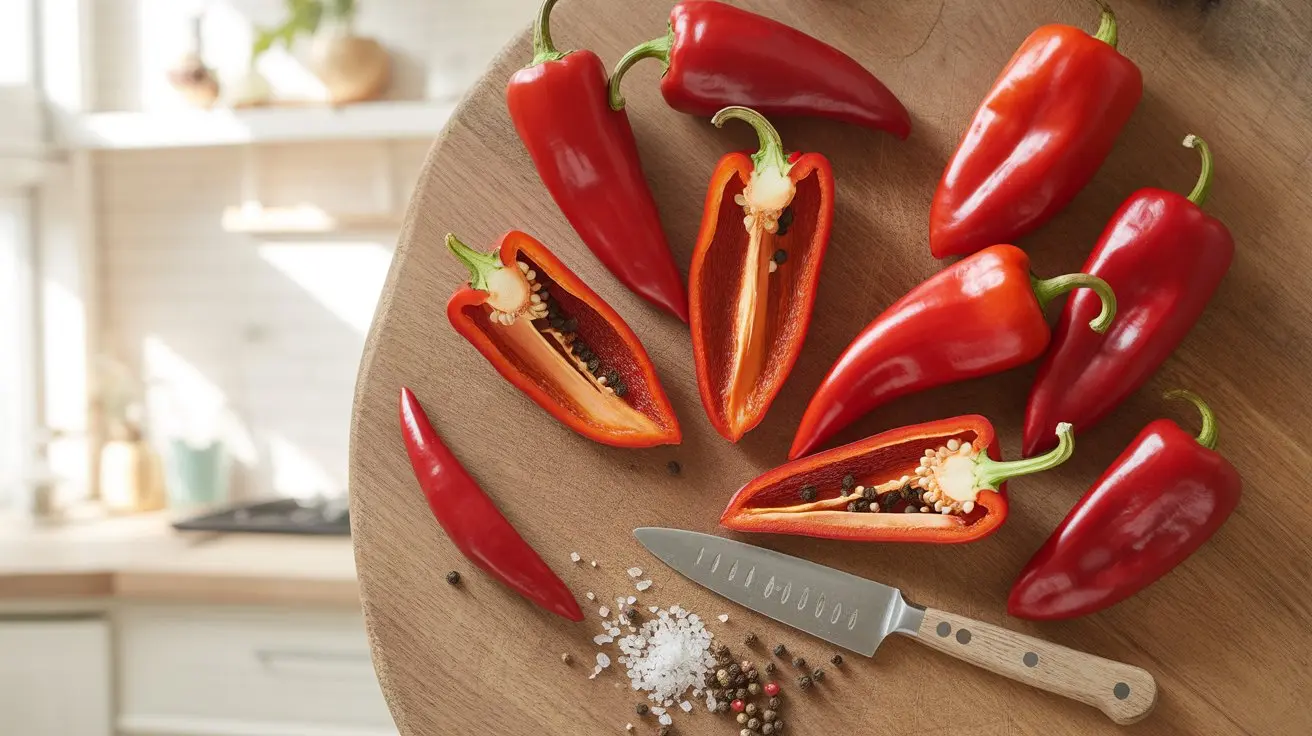
Smoked Paprika (Pimentón)

Smoked paprika (pimentón) is a Spanish-origin C. annuum spice ground from peppers slowly dried over oak wood fires. Ranging 250–1,000 SHU, it sits at the mild end of the heat spectrum — the smoke does more work than the capsaicin. The result is a deep, campfire-sweet powder that defines Spanish cooking from chorizo to paella.
- Species: C. annuum
- Heat tier: Medium (1K–10K SHU)
What is Smoked Paprika (Pimentón)?
Before you even taste smoked paprika, the aroma announces itself — that low, woody smoke layered over something almost caramel-sweet. It is the scent of slow-dried peppers over smoldering oak, a process that takes weeks in the La Vera region of Extremadura.
The flavor follows the smell closely. Pimentón de la Vera delivers a round, sweet pepper base with a smoke character that is earthy rather than sharp. Heat registers at 250–1,000 SHU, which puts it below most fresh peppers you would handle in a kitchen — compare that to the similarly mild sweet notes of standard paprika and you understand the range we are working in.
Three grades exist: dulce (sweet), agridulce (bittersweet), and picante (hot). Even the picante version stays mild by most standards, but its smoke amplifies the perceived intensity. The C. annuum botanical family produces the round, fleshy peppers that take on smoke best — the thick walls absorb it during drying without becoming bitter.
The color is a deep brick-red, almost rust, and it bleeds into oil immediately — a trait cooks rely on to build color in dishes without adding liquid. A single teaspoon transforms the surface of roasted potatoes or the fat in a pan of chorizo into something vivid and complex.
History & Origin of Smoked Paprika (Pimentón)
Spain's love of smoked paprika traces back to the 16th century, when Hieronymite monks at the Yuste Monastery in Extremadura began drying New World peppers over wood fires. The technique spread through the region, and La Vera became the protected heartland of production.
Pimentón de la Vera earned Protected Designation of Origin (PDO) status from the European Union, meaning authentic product must come from that specific Extremaduran valley. The Spanish pepper tradition gave the world not just pimentón but also the distinctively shaped piquillo and the dried choricero with its gentle warmth.
Hungary developed its own paprika tradition separately, but the oak-smoking method remains distinctly Iberian. Today, La Vera produces roughly 3,000 tons annually, split between the three flavor grades.
How Hot is Smoked Paprika (Pimentón)? Heat Level & Flavor
The Smoked Paprika (Pimentón) delivers 250–1K Scoville Heat Units, placing it in the Medium tier (1K–10K SHU).
Flavor notes: smoky and sweet.
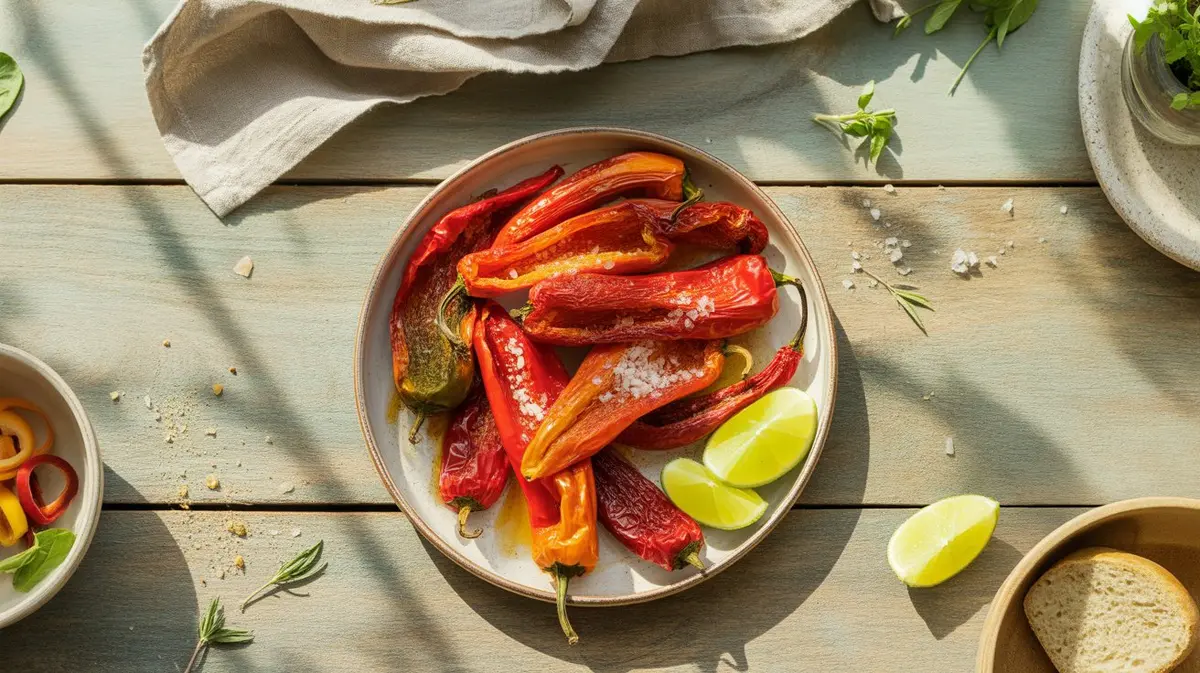
Smoked Paprika (Pimentón) Nutrition Facts & Health Benefits
A 1-teaspoon (2.3g) serving of smoked paprika contains roughly 6 calories, with minimal fat, no sodium, and about 1g of carbohydrate. It contributes meaningful amounts of Vitamin A — around 19% of the daily value — along with smaller amounts of Vitamin E and iron.
Capsaicin content is low at 250–1,000 SHU, but the antioxidant profile is strong. Paprika peppers are high in carotenoids, particularly capsanthin, which gives the powder its deep red color. These compounds have been studied for anti-inflammatory properties, though the quantities in culinary use are small.
Best Ways to Cook with Smoked Paprika (Pimentón) Peppers
Smoked paprika behaves differently from most spices — fat activates it. Bloom it in olive oil for 30–60 seconds before adding anything else, and the color deepens from brick to mahogany while the smoke rounds out.
Patatas bravas, Spanish chorizo, and paella all depend on pimentón for their characteristic color and base flavor. Beyond Spanish cooking, it works hard in dry rubs for pork shoulder, stirred into hummus, or dusted over deviled eggs.
For substitutions within the mild range, the sweet frying pepper character of cubanelle in fresh form cannot replicate smoke, but in a pinch, combining unsmoked paprika with a small amount of chipotle powder gets close. The alma paprika's Hungarian roots and cultural significance show how paprika traditions diverge — Hungarian versions are rarely smoked.
One practical note: smoked paprika scorches fast. Keep heat moderate when cooking it in oil. High heat turns the sugars bitter within seconds, and there is no recovering a dish once that happens.
Dulce grade suits everyday cooking. Picante grade, though still mild by the broader medium heat category standards, adds a noticeable back-of-throat warmth that works well in cured meats and stews.
Where to Buy Smoked Paprika (Pimentón) & How to Store
Look for tins or sealed jars labeled Pimentón de la Vera PDO — the PDO designation is your quality guarantee. Supermarket smoked paprika labeled only "smoked paprika" may be produced outside La Vera with different drying methods.
Store in a cool, dark pantry away from the stove. Heat and light degrade the volatile compounds responsible for smoke aroma faster than anything else. A properly sealed tin lasts 12–18 months, but the smoke character fades noticeably after 6 months. Buy smaller quantities more frequently rather than stocking a large container.
Best Smoked Paprika (Pimentón) Substitutes & Alternatives
Whether you ran out of smoked paprika (pimentón) or just want to try something different, these peppers make solid stand-ins. We picked them based on heat range, flavor overlap, and how well they actually work in the same dishes.
Our top pick: Cubanelle Pepper (100–1K SHU). Same species (C. annuum) and nearly the same heat, so it swaps in at a 1:1 ratio without changing the character of the dish. The flavor leans sweet and mild, which is close enough that most people won’t notice the difference in a cooked recipe.
How to Grow Smoked Paprika (Pimentón) Peppers
The peppers behind pimentón are standard C. annuum varieties — round, thick-walled, and suited to warm, dry climates. Start seeds indoors 8–10 weeks before last frost, as germination takes 10–21 days at soil temperatures around 80°F (27°C).
These plants prefer full sun and consistent moisture during fruit development. Inconsistent watering is one of the main reasons home growers lose blossoms — for practical guidance on why peppers drop flowers before fruiting, the cause is usually heat stress or moisture swings.
Days to maturity typically run 70–90 days from transplant to red-ripe fruit. For a full timeline breakdown, the guide on how long it takes peppers to reach harvest covers the stages in detail.
The Italian-style long pepper's growing behavior is comparable in terms of spacing and sun requirements — both appreciate 18–24 inches between plants and benefit from staking once fruit load increases.
For home smoking, thin-walled peppers dry faster but absorb less smoke. The authentic pimentón varieties have thick flesh specifically to slow the drying process and maximize smoke penetration. A cold smoker or stovetop smoker with oak chips can approximate the result over several hours.
Frequently Asked Questions
-
The three grades — dulce, agridulce, and picante — come from different pepper varieties grown in La Vera, not from different processing methods. Dulce is the mildest and most commonly sold internationally, while picante still stays well under 1,000 SHU even at its hottest.
-
Regular paprika provides similar color and mild pepper flavor but completely lacks the oak-smoke character that defines pimentón. A closer substitute is a mix of unsmoked paprika with a small amount of chipotle powder — about 3:1 ratio — which approximates the smoky depth without exact replication.
-
The natural sugars in paprika caramelize and then burn quickly at high temperatures, typically above 375°F (190°C) in oil. Blooming it over medium heat for under a minute, then immediately adding liquid or other ingredients, prevents scorching.
-
Pimentón de la Vera is the PDO-protected version made specifically in Extremadura, Spain using traditional oak-smoking methods. Generic smoked paprika sold outside this designation may be made with different pepper varieties or artificial smoke flavoring and will not have the same depth.
-
Fresh pimentón has a vivid brick-red color and a strong, campfire-sweet aroma when you open the tin. Stale paprika fades to a dull brownish-red and smells flat or dusty — at that point it contributes color but very little flavor to dishes.
- Pimentón de la Vera PDO - EU Protected Designations
- Chile Pepper Institute - Capsicum annuum Species Overview
- USDA FoodData Central - Paprika, Spices
- La Vera Designation of Origin - Official Regulatory Council
Species classification: C. annuum — based on published botanical taxonomy.