Peperoncino

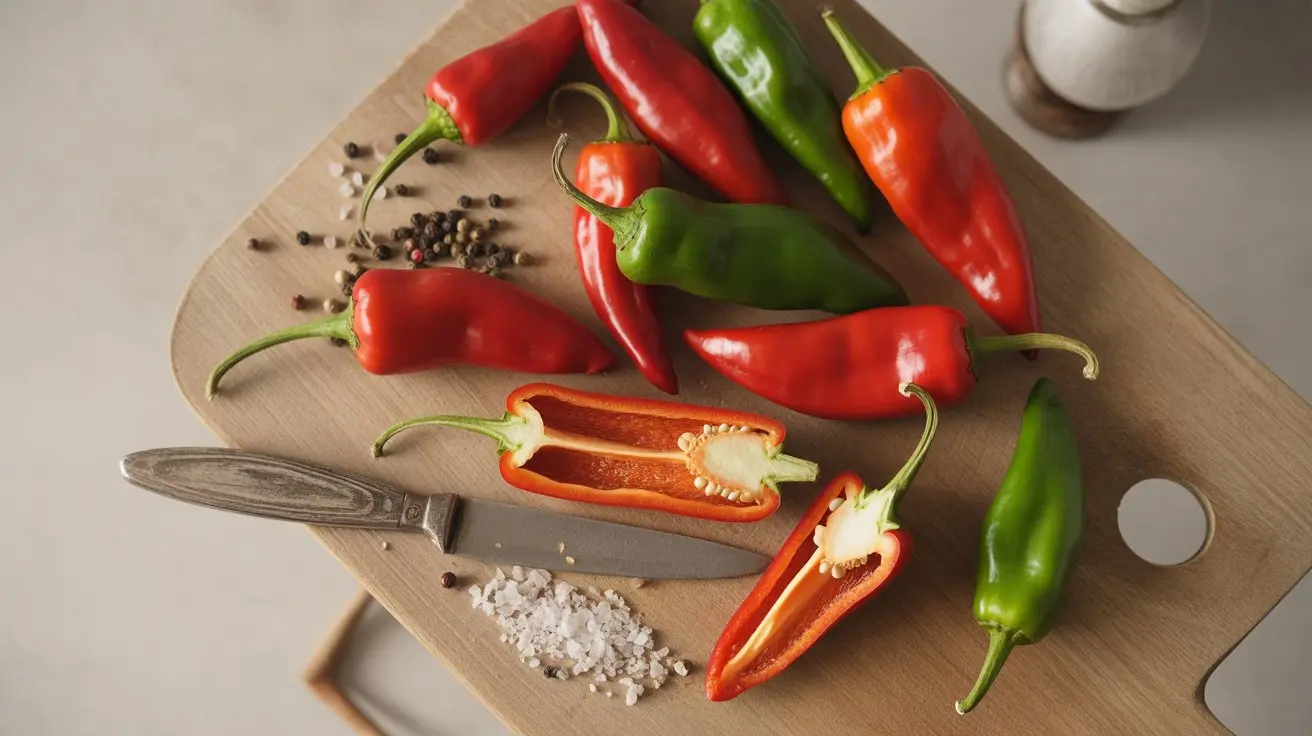
Peperoncino is Italy's beloved hot pepper, delivering a bright, sharp heat that lands at 15,000–30,000 SHU — roughly six times hotter than a serrano. A C. annuum variety grown across southern Italy for centuries, it's the backbone of Calabrian cuisine and a surprisingly rewarding garden plant. Compact, prolific, and adaptable, it thrives in containers and raised beds alike.
- Species: C. annuum
- Heat tier: Hot (10K–100K SHU)
- Comparison: 6x hotter than a jalapeño
What is Peperoncino?
That sharp, almost electric bite you get from a slice of spicy Italian salami? That's peperoncino at work.
Classified in the hot pepper intensity zone at 15,000–30,000 SHU, peperoncino sits above serrano territory without crossing into the face-numbing range. The heat is clean and immediate, fading relatively quickly — which is part of why Italian cooks have leaned on it so heavily for generations.
The pepper itself is elongated and slender, typically 2–4 inches long, ripening from green through red. Flavor-wise, it's bright and sharp with a slight fruitiness underneath the heat — nothing smoky, nothing earthy, just direct capsaicin-forward punch with enough complexity to make it interesting in food rather than just hot.
This is a C. annuum through and through, which means it shares botanical lineage with jalapeños, cayennes, and bell peppers. That species membership also means it's one of the easier hot peppers to grow, germinating reliably and producing heavily under decent conditions.
Peperoncino is the default hot pepper across Italian pepper-growing tradition, particularly in Calabria, where it appears dried, crushed, infused in oil, and packed into 'nduja. Outside Italy, it's gaining traction with home gardeners who want a manageable heat level with real culinary depth.
History & Origin of Peperoncino
Peppers arrived in Italy via Spanish trade routes in the early 16th century, and the southern regions took to them immediately. Calabria, with its hot dry summers and volcanic soil, proved ideal for growing what locals called peperoncino — a diminutive form of peperone (pepper).
By the 18th century, peperoncino had become nutritionally and economically significant to the poor populations of southern Italy. It provided heat, preserved food, and added flavor to otherwise spare diets. The pepper became deeply embedded in Calabrian identity — so much so that the town of Diamante hosts an annual Peperoncino Festival drawing thousands of visitors.
The variety spread through Italian emigrant communities worldwide during the 19th and 20th centuries, carrying the flavor of southern Italy into diaspora kitchens across North and South America.
How Hot is Peperoncino? Heat Level & Flavor
The Peperoncino delivers 15K–30K Scoville Heat Units, placing it in the Hot tier (10K–100K SHU). That makes it roughly 6x hotter than a jalapeño.
Flavor notes: bright and sharp.
Peperoncino Nutrition Facts & Health Benefits
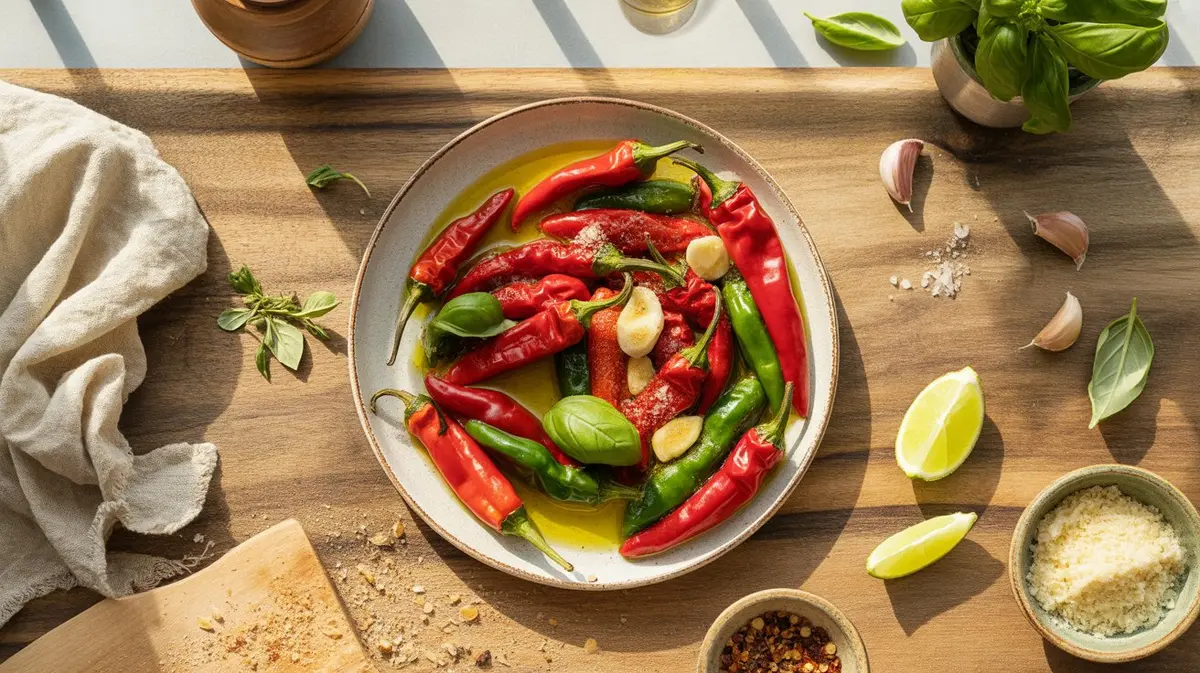
Like most hot peppers, peperoncino punches above its weight nutritionally. Fresh peppers are high in vitamin C — a single serving can cover over 100% of the daily recommended intake. They also provide vitamin A, vitamin B6, and potassium.
Capsaicin, the compound responsible for the heat, has been studied for its effects on metabolism and circulation. The chemistry behind how capsaicin interacts with pain receptors is well-documented — it binds to TRPV1 receptors, triggering the sensation of heat without actual tissue damage.
Dried peperoncino flakes are calorie-light — roughly 6 calories per teaspoon — making them a flavorful way to add intensity without adding significant macronutrients.
Best Ways to Cook with Peperoncino Peppers
Peperoncino's culinary range is genuinely wide. Dried and crumbled, it goes into pasta sauces, braised meats, and preserved vegetables. Infused in olive oil, it becomes olio piccante — the Italian answer to chili oil, drizzled over pizza and bruschetta.
The pepper's bright, sharp character means it cuts through fatty dishes without getting lost. It's the heat in 'nduja, the Calabrian spreadable salami that's having a global moment. It also appears fresh in quick sautés, where it behaves similarly to a cayenne but with a slightly more nuanced flavor.
For building your own homemade hot sauce, peperoncino makes an excellent base — the heat level is accessible enough for most palates, and the flavor holds up well through fermentation and cooking.
Compared to the distinctive wrinkled appearance of Aleppo-style dried chilies, peperoncino dries into tight, deep-red flakes that pack more direct punch with less residual sweetness. For those who like the angular, three-lobed shape used in stuffed pepper applications, peperoncino offers a different format — better suited to drying and oil infusions than fresh preparations.
Where to Buy Peperoncino & How to Store
Fresh peperoncino can be hard to find outside Italian specialty grocers, but dried flakes and whole dried peppers are increasingly available at well-stocked supermarkets and online.
Look for deep red color and no signs of moisture or mold in dried product. Whole dried peppers store longer than pre-ground flakes — grind your own for better flavor retention.
Fresh peppers keep 1–2 weeks refrigerated in a paper bag. Dried whole peppers last 12–18 months in a sealed container away from light and heat. Crushed flakes start losing potency after 6–8 months — buy in smaller quantities unless you cook with them constantly.
Best Peperoncino Substitutes & Alternatives
Whether you ran out of peperoncino or just want to try something different, these peppers make solid stand-ins. We picked them based on heat range, flavor overlap, and how well they actually work in the same dishes.
Our top pick: Lemon Drop (15K–30K SHU). The heat level is close enough for a direct swap in salsas, sauces, and stir-fries. Flavor leans citrusy and bright, so the taste will shift a bit — but the overall heat stays in the same range.
How to Grow Peperoncino Peppers
Peperoncino is one of the more grower-friendly hot peppers — a good entry point if you're moving beyond jalapeños, and a reliable producer even in less-than-ideal conditions.
Start seeds indoors 8–10 weeks before your last frost date. Check the full guide on when to start seeds for your specific region — timing matters more than most growers expect. Seeds germinate best at 75–85°F (24–29°C) soil temperature; a heat mat speeds things up significantly.
Transplant after all frost risk passes. Peperoncino prefers full sun (6+ hours daily) and well-draining soil with a pH of 6.0–6.8. It handles dry spells better than many peppers — southern Italian summers are no joke — but consistent moisture during flowering prevents blossom drop.
Plants reach 18–30 inches tall and produce heavily. A single established plant can yield dozens of peppers across a season. Container growing works well; use at least a 5-gallon pot with drainage holes.
Compared to the thin-walled, fast-drying cultivation traits of De Arbol-style peppers, peperoncino has thicker walls and benefits from a longer drying time — hang bunches in a warm, ventilated space for 2–3 weeks until fully desiccated. The dried peppers store well for 12+ months in an airtight container.
Frequently Asked Questions
-
At 15,000–30,000 SHU, peperoncino is noticeably hotter than a serrano but well below habanero territory. The heat is sharp and direct rather than slow-building, which makes it feel more intense than the numbers might suggest.
-
Yes — a 5-gallon pot with good drainage handles peperoncino well. The plants stay compact enough for balconies and patios, and container growing actually concentrates heat stress slightly, which can push fruit production.
-
Calabrian chili is essentially a preserved or processed form of peperoncino — the same pepper, but typically packed in oil or sold as a paste. The terms are often used interchangeably, though 'peperoncino' usually refers to the fresh or dried whole pepper.
-
Standard grocery store red pepper flakes are usually a blend of cayenne and other peppers, not specifically peperoncino. Authentic Italian peperoncino flakes have a brighter, sharper flavor profile and are worth seeking out separately.
-
String fresh peppers on thread through the stems and hang in a warm, well-ventilated spot out of direct sunlight for 2–3 weeks. You can also dry them in an oven at 150°F (65°C) for 6–8 hours if you need faster results.
- Chile Pepper Institute — Capsicum Species Overview
- University of California Cooperative Extension — Growing Peppers
- USDA FoodData Central — Raw Hot Peppers
- Diamante Peperoncino Festival — Official Site
Species classification: C. annuum — based on published botanical taxonomy.