Padrón Pepper

The Padrón pepper is a small Spanish variety ranging 500–2,500 SHU, famous for its unpredictable heat — most pods are mild and grassy, but roughly one in ten will surprise you with a sharp kick. Blistered in olive oil with sea salt, it is one of the great bar snacks of Spain. Its flavor is vegetal, bright, and slightly smoky when charred.
- Species: C. annuum
- Heat tier: Medium (1K–10K SHU)
What is Padrón Pepper?
Crack open a bag of Padrón peppers and you get something unusual: a built-in game of chance. Most pods in any given batch sit at the mild end of the medium heat pepper spectrum, delivering a clean, grassy bite with almost no fire. But roughly 10–20% of them carry a concentrated heat surge that can hit 2,500 SHU — comparable to a mild deep, earthy dried pepper from Oaxaca — and you never know which one until it's already in your mouth.
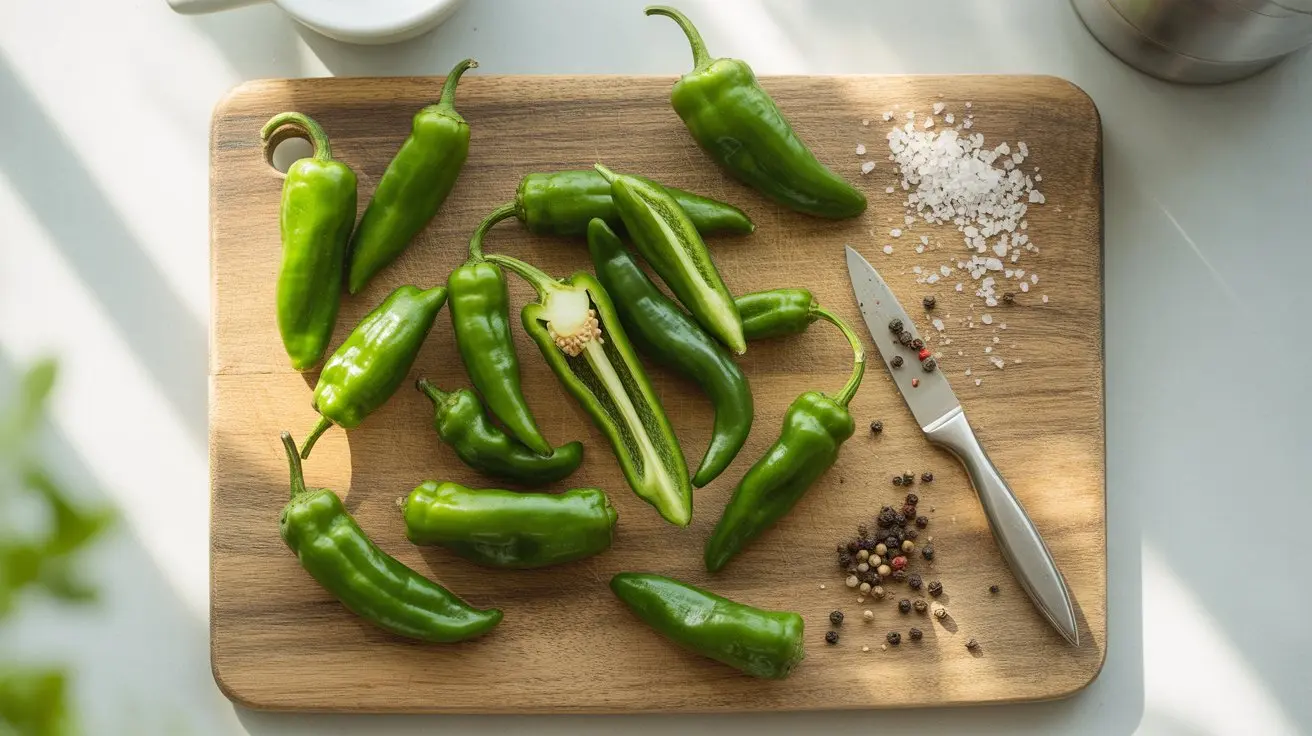
The pepper itself is a Capsicum annuum, small and elongated, typically 2–4 inches long with thin, wrinkled skin that blisters beautifully under high heat. Fresh pods are bright green, turning red as they mature, though they are almost always harvested young.
The aroma before cooking is herbal and faintly grassy — think green bell pepper crossed with a hint of fresh basil. Once they hit a hot pan or grill, that aroma transforms into something smoky and savory, which is where Padróns really find their identity.
Their origin in the Spanish pepper tradition gives them a culinary pedigree unlike most peppers grown elsewhere. They belong to the C. annuum botanical family, which also includes jalapeños, bells, and most of the world's common chile varieties. Within that family, Padróns are notable for their thin walls and quick cooking time — two minutes in a screaming-hot skillet is all they need.
History & Origin of Padrón Pepper
Padrón peppers take their name from the municipality of Padrón in Galicia, northwestern Spain, where Franciscan monks are believed to have introduced the seeds from the Americas in the 16th century. The variety adapted to Galicia's cool, wet climate over generations, developing the thin-walled, mild character that distinguishes it from hotter American relatives.
By the 20th century, Padróns had become an iconic tapa across Spain, particularly associated with the Galician summer harvest from July through September. The famous Spanish saying — "Os pementos de Padrón, uns pican e outros non" (Padrón peppers: some are hot, some are not) — entered common usage as a proverb about life's unpredictability.
The peppers received Protected Designation of Origin (PDO) status in Spain, meaning only peppers grown in the Padrón region can officially carry the name. Outside Spain, similar varieties are now grown across Europe, the Americas, and Asia.
How Hot is Padrón Pepper? Heat Level & Flavor
The Padrón Pepper delivers 500–3K Scoville Heat Units, placing it in the Medium tier (1K–10K SHU).
Flavor notes: mild and grassy.
Padrón Pepper Nutrition Facts & Health Benefits
A 100-gram serving of Padrón peppers provides roughly 30–35 calories, with minimal fat and about 6–7 grams of carbohydrates. They are a solid source of vitamin C, delivering upward of 100mg per 100g serving — well above daily requirements. Like most green peppers in the C. annuum species, they also supply vitamin A, potassium, and small amounts of folate and vitamin B6. The capsaicin content at 500–2,500 SHU is low enough that it contributes negligible metabolic effect compared to hotter varieties, but it still activates the same heat receptors.
Best Ways to Cook with Padrón Peppers
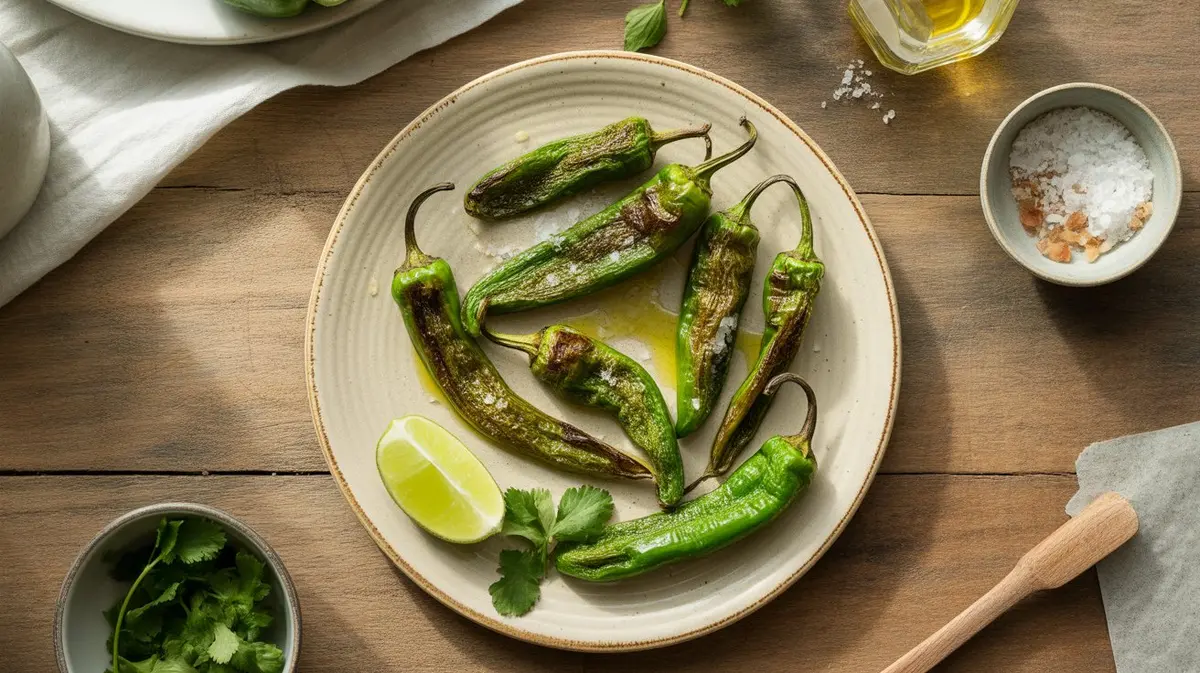
The classic preparation — pimientos de Padrón — is almost aggressively simple: whole peppers blistered in olive oil over high heat until the skins char and blister, then finished with coarse sea salt. No trimming, no seeding, no sauce. The stems become handles.
Aroma comes first when cooking them. The grassy, herbal scent of raw Padróns gives way to a nutty, slightly smoky fragrance as the skins blister — a sign the sugars are caramelizing and the peppers are ready.
Beyond the classic tapa, Padróns work well in any application calling for quick-cooked mild peppers. Toss them into a frittata, layer them onto flatbread, or use them as a topping for grilled fish. Their thin walls mean they break down fast — useful when you want pepper flavor without bulk.
For stuffed preparations, look to heartier varieties instead: the mild, wide-shouldered Hatch chile or the large, meaty NuMex Big Jim hold fillings far better. Check out this stuffed poblano technique guide for ideas that adapt easily to similar peppers.
Padróns also work in harissa-style sauces — the harissa preparation guide shows how mild peppers can anchor a paste when balanced with dried chiles and spice.
Where to Buy Padrón Pepper & How to Store
Fresh Padróns appear at farmers markets and specialty grocers from late summer into fall. Look for firm, glossy pods with no soft spots or wrinkled skin — those are past their prime. Avoid any with yellowing, which signals overripeness and higher heat.
Store unwashed in a paper bag in the refrigerator crisper drawer for up to one week. Moisture accelerates decay with thin-walled peppers, so skip plastic bags.
For longer storage, blister and freeze them whole — texture softens but flavor holds. Dried Padróns are uncommon; their thin walls don't lend themselves to drying the way the ancho's thick, dark flesh does.
Best Padrón Pepper Substitutes & Alternatives
Whether you ran out of padrón pepper or just want to try something different, these peppers make solid stand-ins. We picked them based on heat range, flavor overlap, and how well they actually work in the same dishes.
Our top pick: Pasilla Pepper (1K–3K SHU). Same species (C. annuum) and nearly the same heat, so it swaps in at a 1:1 ratio without changing the character of the dish. The flavor leans earthy and rich, which is close enough that most people won’t notice the difference in a cooked recipe.
How to Grow Padrón Peppers
Padrón peppers follow the same basic calendar as most C. annuum varieties: start seeds indoors 8–10 weeks before last frost, transplant after soil temperatures reach 60°F, and expect first harvest roughly 70–80 days after transplant.
They prefer full sun and consistent moisture — Galicia's cool, humid climate shaped them, so they tolerate cooler summers better than most peppers. That said, they still need warmth to fruit well. In short-season climates, black plastic mulch and row covers help push soil temps and extend the window.
Plant spacing of 18 inches between plants gives enough airflow to reduce fungal issues, which matter more with thin-walled varieties. Unlike the long-season cultivation requirements of large Anaheim-type peppers, Padróns fruit relatively early and keep producing through the season if you harvest consistently.
Harvest pods when they reach 1.5–3 inches and are still deep green. Leaving them on the plant too long increases the odds of a hot pod — later-season fruits tend to run hotter, which is why summer Padróns are milder than fall ones. Pinch off early flowers to encourage stronger plant structure before fruiting begins.
Frequently Asked Questions
-
Heat variation in Padróns is driven by environmental stress during pod development — drought, heat, and nutrient fluctuations during the growing season push capsaicin production higher in individual fruits. Later-season pods tend to run hotter because the plant has experienced more cumulative stress by fall.
-
Padróns range 500–2,500 SHU on the Scoville pepper rating scale, which puts them well below a jalapeño's typical 2,500–8,000 SHU ceiling. Most pods in a given batch land at the lower end of that range, with the occasional hot outlier reaching the top.
-
Shishitos and Padróns are frequently swapped in recipes — both are small, thin-walled, and blister well in a hot pan. Shishitos run slightly milder on average and have a more delicate, almost sweet flavor compared to the grassier bite of a Padrón.
-
They are one of the more forgiving peppers for new growers, fruiting relatively early and tolerating cooler conditions better than most varieties. The main challenge is consistent harvesting — leaving pods on the plant too long reduces yield and increases heat.
-
The Korean green pepper's mild-to-medium heat character overlaps with Padróns in SHU range, but Korean greens tend to be more consistently mild without the random hot outliers. Padróns have a grassier, more herbaceous flavor versus the slightly sweeter, thinner-skinned Korean variety.
- Padrón Pepper PDO — European Commission Agricultural Products
- Chile Pepper Institute — Capsicum annuum Overview
- University of California Cooperative Extension — Pepper Production Guide
Species classification: C. annuum — based on published botanical taxonomy.