
NuMex Suave Orange

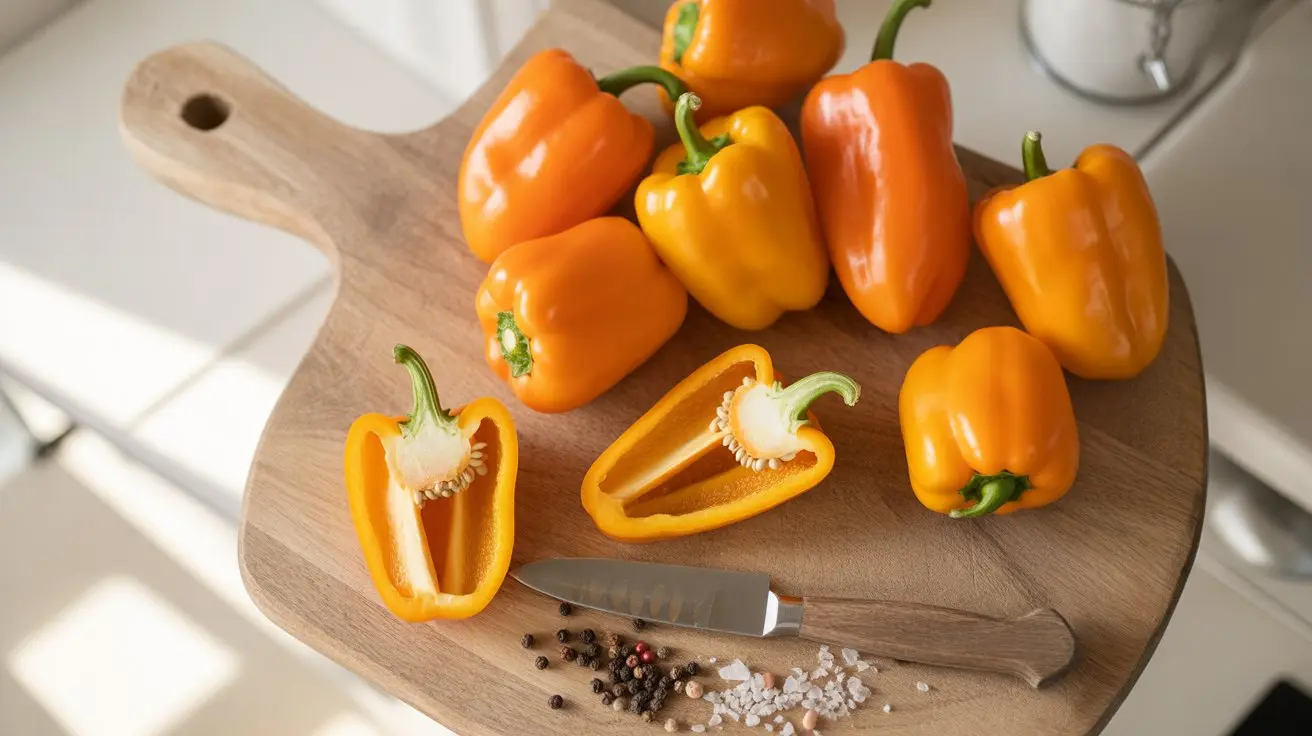
The NuMex Suave Orange is a habanero-type pepper bred at New Mexico State University to deliver the fruity, tropical flavor of a habanero with virtually none of the burn. Registering just 0–800 SHU, it sits firmly in the mild heat range and makes habanero flavor accessible to anyone who wants it without the fire.
- Species: C. chinense
- Heat tier: Mild (0–999 SHU)
What is NuMex Suave Orange?
Most habaneros clock in somewhere between 100,000 and 350,000 SHU. The NuMex Suave Orange lands at 0–800 SHU — a figure so low it barely registers on the pepper heat chart compared to its fiery relatives. That gap is the whole point.
Bred by Dr. Paul Bosland and the team at the Chile Pepper Institute at NMSU, this pepper belongs to Capsicum chinense — the same species as the habanero — but through careful selection, capsaicin production was bred almost entirely out of it. What remains is a lantern-shaped, vibrantly orange fruit with genuine tropical fruitiness: hints of citrus, apricot, and a floral quality that standard habaneros hide behind their heat.
At roughly the same intensity as a banana pepper, the NuMex Suave Orange is milder than the lightly pungent, sweet Santa Fe Grande used widely in pickled applications. The shape and size mirror a standard habanero, making it visually identical in the garden and on the plate.
For cooks who want habanero flavor in a dish served to heat-sensitive guests, this pepper is genuinely useful. Children, people with capsaicin sensitivities, and anyone who simply prefers flavor over fire can eat it freely. It brings the fruity depth that makes habanero-style sauces so appealing without the physiological consequences.
History & Origin of NuMex Suave Orange
The NuMex Suave Orange was developed at New Mexico State University through the Chile Pepper Institute, one of the leading pepper research programs in the world. Dr. Paul Bosland, who has led the breeding of dozens of named NuMex varieties, developed the Suave line specifically to address a gap: habanero flavor without habanero heat.
The name reflects this intent directly — suave means smooth or mild in Spanish, a nod to the pepper's character and the region's linguistic heritage. NMSU released the variety in the early 2000s as part of a broader effort to make C. chinense varieties more accessible in commercial food production and home cooking.
The program builds on a long tradition of American pepper breeding innovation centered in the Southwest, where chiles have been cultivated for centuries. The Suave Orange joined a family that includes the NuMex Suave Red, offering growers and processors a choice of color profiles with the same near-zero heat.
How Hot is NuMex Suave Orange? Heat Level & Flavor
The NuMex Suave Orange delivers 0–800 Scoville Heat Units, placing it in the Mild tier (0–999 SHU).
Flavor notes: fruity and mild.
NuMex Suave Orange Nutrition Facts & Health Benefits
Like all Capsicum chinense types, the NuMex Suave Orange is a solid source of vitamin C — orange-ripe peppers generally contain more than green ones, and chinense varieties tend to be particularly rich. Expect meaningful amounts of vitamin A from the carotenoids that produce the orange color, along with smaller contributions of vitamin B6, potassium, and folate.
Calorie content is negligible — roughly 20–30 calories per 100g of fresh pepper. Because capsaicin is essentially absent, none of the metabolic effects sometimes associated with hot peppers apply here. The fiber content supports digestive health, and the antioxidant profile from carotenoids and flavonoids remains intact regardless of heat level.
Best Ways to Cook with NuMex Suave Orange Peppers
The NuMex Suave Orange performs best when habanero flavor is the goal but heat is a constraint. Its fruity, citrus-forward profile works beautifully in mango salsas, tropical vinaigrettes, and fruit-based hot sauces where the aromatics carry the dish.
Because capsaicin is nearly absent, the pepper can be used in larger quantities than a standard habanero — whole roasted, blended into dressings, or finely minced into ceviche without overwhelming anyone at the table. A dish that would call for a quarter of a habanero can take two or three Suave Oranges without issue.
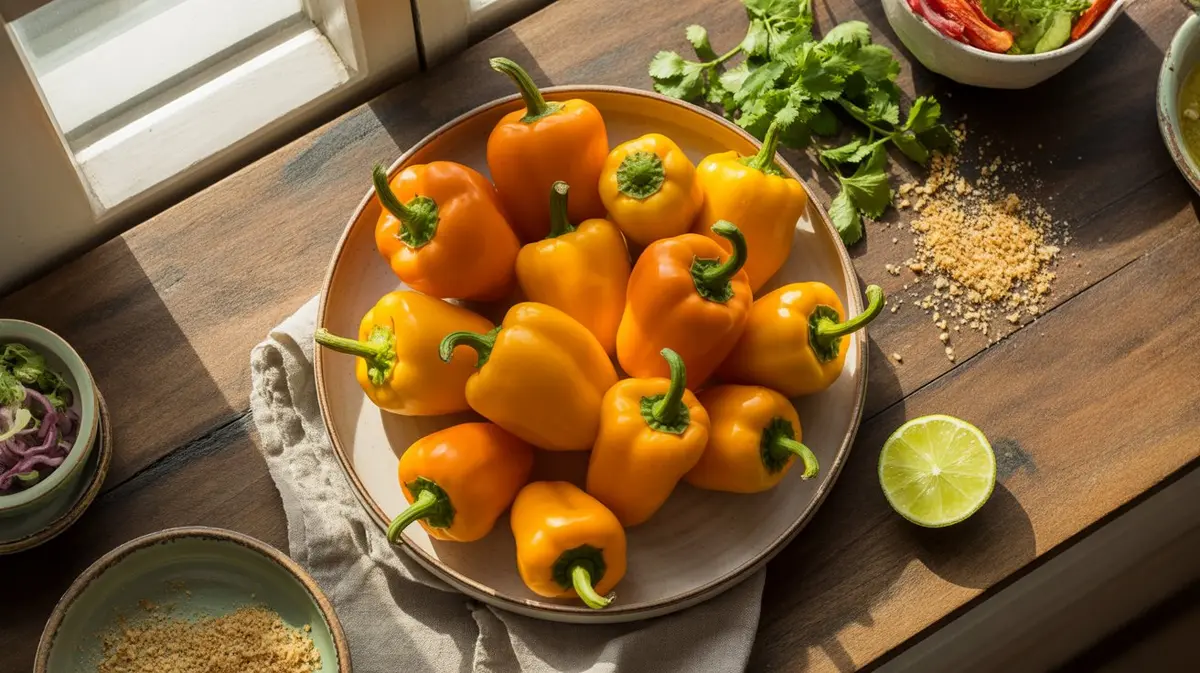
It pairs naturally with pineapple, peach, coconut, and lime. Roasting deepens the flavor considerably, bringing out caramelized sweetness alongside the floral notes. The texture holds up well when stuffed and baked — its thick walls and lantern shape make it a natural candidate for small stuffed pepper applications.
For comparison, the fragrant, nearly heat-free Trinidad Perfume occupies similar territory, while the sweet, paprika-style Alma Paprika with its mild pungency and thick flesh offers a different texture option in the same heat band. Neither delivers the same habanero-specific fruitiness the Suave Orange brings.
Where to Buy NuMex Suave Orange & How to Store
The NuMex Suave Orange is a specialty variety, so availability follows the summer and early fall growing season at farmers markets, specialty grocers, and farm stands in pepper-growing regions. Online seed sources including Baker Creek and Pepper Joe's carry seeds year-round for home growers.
Fresh peppers keep well in the refrigerator for 1–2 weeks in a paper bag or loosely wrapped. For longer storage, roast and freeze them — the flavor holds excellently and the texture softens appropriately for sauces. Dried Suave Orange peppers retain their fruity aroma and work well ground into spice blends alongside the smoke-forward, mild dried pimenton or sweet Hungarian-style paprika.
Best NuMex Suave Orange Substitutes & Alternatives
Whether you ran out of numex suave orange or just want to try something different, these peppers make solid stand-ins. We picked them based on heat range, flavor overlap, and how well they actually work in the same dishes.
Our top pick: Holy Mole Pepper (700–800 SHU). The heat level is close enough for a direct swap in salsas, sauces, and stir-fries.
How to Grow NuMex Suave Orange Peppers
Growing the NuMex Suave Orange follows the same path as any C. chinense variety — which means patience. Start seeds 8–10 weeks before your last frost date. Germination is slow without bottom heat; a seedling mat holding soil at 80–85°F makes a real difference.
Transplant outdoors only after nighttime temperatures stay reliably above 55°F. The plants prefer full sun and well-drained soil with consistent moisture. They reach 24–36 inches tall and tend to be productive once established, setting clusters of pendant fruits that ripen from green to bright orange.
Days to maturity typically run 90–100 days from transplant — longer than a jalapeño or bell pepper, so plan accordingly in short-season climates. Container growing works well; a 5-gallon pot is sufficient for one plant.
For those new to chinense varieties, guides on how to grow habaneros from seed to harvest apply directly here. The Suave Orange is somewhat more forgiving than its hot relatives, possibly because the lack of capsaicin stress doesn't affect plant vigor. The sweet, mild Aji Dulce from the Caribbean is another chinense variety with similar growing demands and a comparable absence of heat.
Frequently Asked Questions
-
A standard habanero runs 100,000–350,000 SHU, while the NuMex Suave Orange tops out at just 800 SHU — making it roughly 125 to 400 times milder. In practical terms, it eats more like a mild banana pepper than anything resembling its habanero relatives.
-
Yes — the fruity, citrusy, floral flavor profile is genuinely habanero-like, which is the entire point of the breeding program. Without capsaicin masking or competing with those aromatics, some tasters find the fruit flavor even more pronounced than in a standard habanero.
-
You can substitute it by volume, but you will lose all the heat. If a recipe calls for one habanero and you want both the flavor and some warmth, consider adding a small amount of a hotter pepper alongside the Suave Orange. For heat-free applications — salsas, fruit sauces, stuffed peppers — it is a direct swap.
-
No — it was developed through traditional selective breeding at New Mexico State University, not genetic modification. Breeders selected plants that naturally produced less capsaicin over multiple generations until the trait was stabilized.
-
Expect 90–100 days from transplant to fully ripe orange fruit, which is typical for Capsicum chinense varieties. Starting seeds indoors 8–10 weeks before your last frost date gives the plants enough lead time to produce a full harvest before cold weather arrives.
- Chile Pepper Institute — NuMex Varieties
- Bosland, P.W. — Capsicum Breeding at NMSU
- USDA Agricultural Research Service — Capsicum Nutritional Data
- Baker Creek Heirloom Seeds — NuMex Suave Orange
Species classification: C. chinense — based on published botanical taxonomy.
