
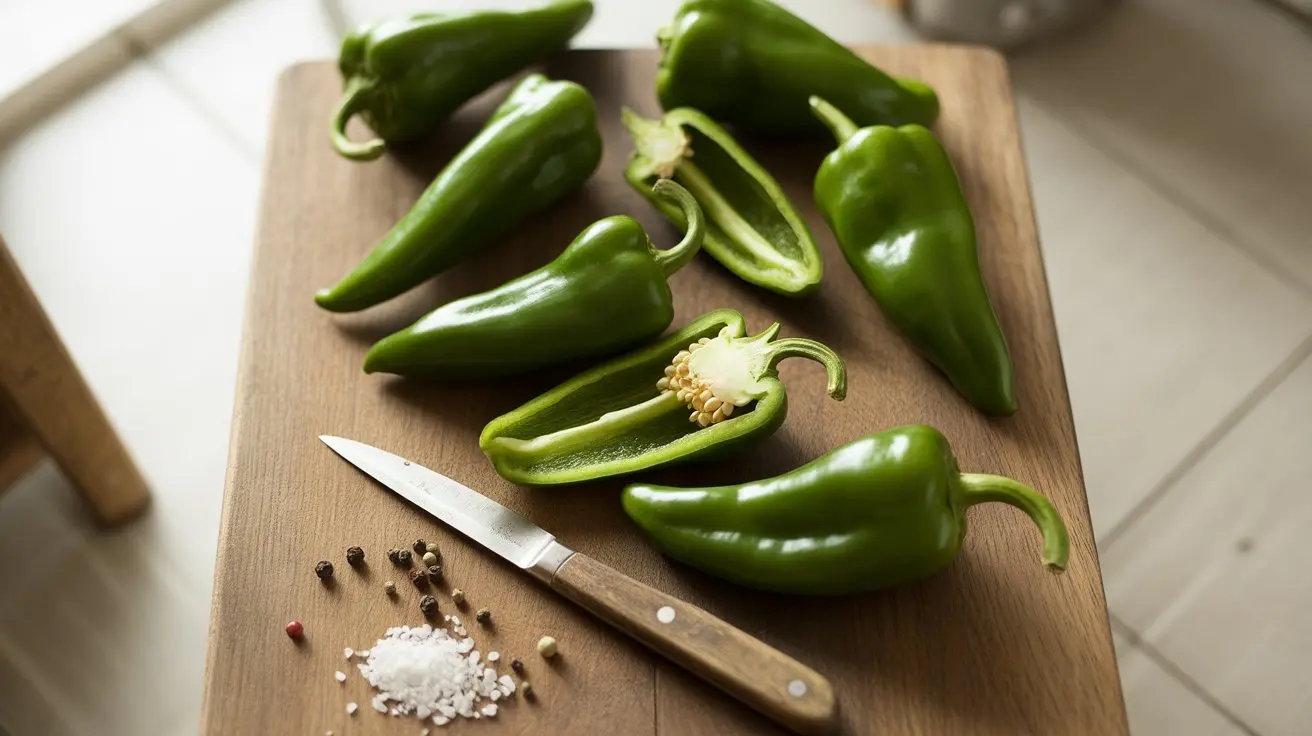

The NuMex Joe E. Parker is a Hatch-style New Mexico chile developed at New Mexico State University, prized across the Southwest for its thick walls, mild heat, and rich roasted flavor. It is one of the most widely grown Hatch chiles, appearing fresh at late-summer markets and canned year-round. Ideal for green chile sauce, enchiladas, and stews.
- Heat tier: Mild (0–999 SHU)
What is ?
Few peppers carry the cultural weight of a true Hatch chile, and the NuMex Joe E. Parker sits near the top of that tradition. Released by New Mexico State University's Chile Pepper Institute in 1990 and named after a longtime New Mexico chile farmer, it was bred to meet the demands of both commercial growers and home cooks who wanted a reliable, meaty, mild-heat pepper for roasting.
The pods grow 6 to 8 inches long with thick, sturdy walls that hold up beautifully on a grill or under a broiler. Skin blistering is even and consistent, which makes peeling straightforward compared to thinner-walled varieties. Fresh pods start out a glossy dark green, ripening to red if left on the plant long enough - though most are harvested green for that classic Hatch flavor.
Heat sits firmly in the mild pepper range, making it accessible to people who want the full roasted chile experience without significant burn. The flavor profile is earthy, slightly sweet, and deeply savory once charred - a combination that defines New Mexico cooking as much as any single ingredient.
For anyone who has tasted a bowl of authentic green chile stew or a smothered breakfast burrito in Albuquerque, there is a good chance Joe E. Parker was part of that experience.
History & Origin of
The NuMex Joe E. Parker was released in 1990 by New Mexico State University's Chile Pepper Institute, one of the most prolific pepper breeding programs in the United States. The variety was named in honor of Joe E. Parker, a New Mexico farmer who contributed decades of work to the state's chile industry.
New Mexico's chile culture stretches back centuries, rooted in Indigenous agricultural traditions long before Spanish colonizers arrived in the region. The NMSU breeding program formalized that heritage into improved commercial varieties starting in the mid-20th century, with the earthier dried flavor of the Pasilla and similar mild chiles influencing how breeders thought about flavor targets.
Joe E. Parker became a standard in Hatch Valley fields quickly after release, favored for its disease resistance, consistent pod size, and high yield - traits that matter enormously in commercial production.
How Hot is ? Heat Level & Flavor
The delivers 0 Scoville Heat Units, placing it in the Mild tier (0–999 SHU).
Nutrition Facts & Health Benefits
A 100-gram serving of raw green New Mexico-type chile like Joe E. Parker provides roughly 27 calories, 1.3g protein, 6.3g carbohydrates, and 1g fat. Dietary fiber runs about 1.5g per serving.
Vitamin C content is notably high - green chiles deliver well over 100mg per 100g, exceeding most citrus fruits. Roasting reduces some vitamin C but concentrates other compounds.
These peppers also provide vitamin A precursors, potassium, and folate in meaningful amounts. The mild heat means capsaicin content is minimal, though trace amounts are still present.
Best Ways to Cook with Peppers
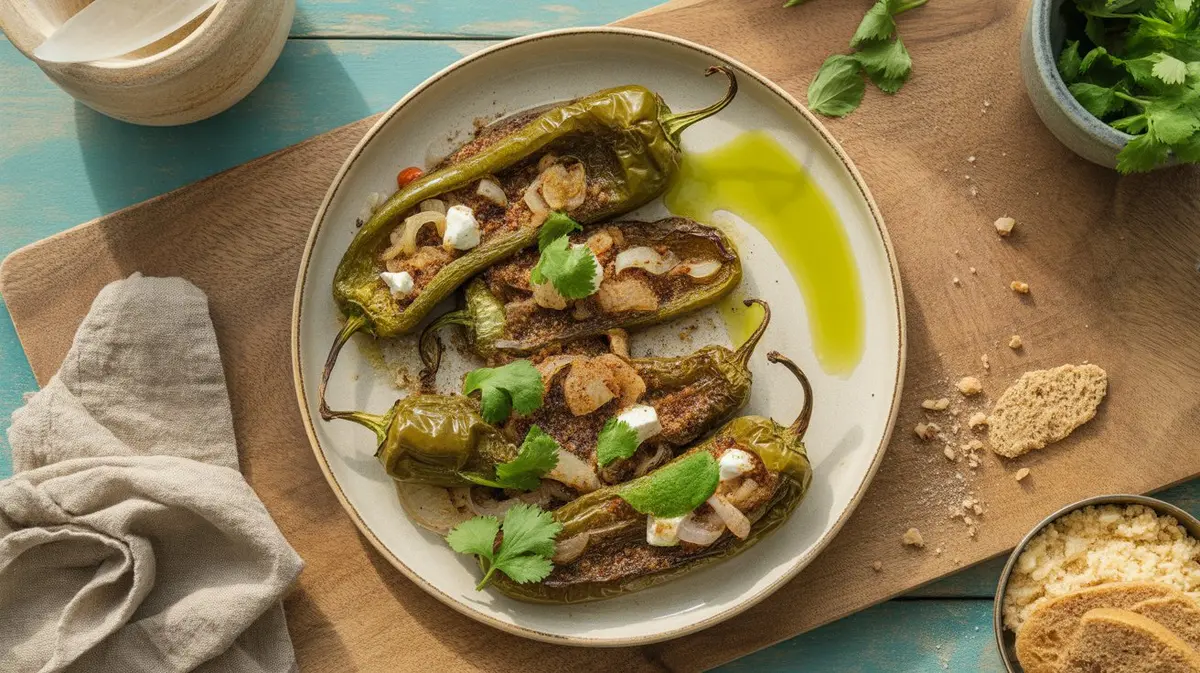
Roasting is where NuMex Joe E. Parker shows its full character. The thick walls allow the skin to blister and blacken without the flesh turning mushy, giving you clean, smoky strips after peeling that hold their shape in sauces, stews, and casseroles.
Green chile sauce made from Joe E. Parker is the backbone of New Mexico cuisine. Simmer roasted, peeled, and chopped pods with garlic, onion, and chicken or vegetable broth for a sauce that goes over eggs, burritos, tamales, or grilled pork. The mild heat means you can use a generous amount without overwhelming the dish.
For anyone comparing options, the zero-heat sweetness of a thick-walled sweet pepper offers a useful flavor baseline - Joe E. Parker adds that roasted earthiness on top of similar structural qualities.
Stuffed preparations work well too. The pods are large enough to hold cheese, ground meat, or a grain filling, and they stay intact through baking. Chiles rellenos made with Joe E. Parker have a cleaner, less bitter skin than smaller varieties.
Canned green chile is often Joe E. Parker or a close relative - if you have used canned Hatch chile, you already know this pepper's flavor.
Where to Buy & How to Store
Fresh NuMex Joe E. Parker pods show up at farmers markets and specialty grocers in August and September, especially in the Southwest. Look for firm, glossy, unblemished green pods with no soft spots or wrinkling.
For practical guidance on how to store peppers long-term, roasting and freezing is the standard approach - charred, peeled pods freeze well for up to 12 months with minimal quality loss.
Canned Hatch green chile (often Joe E. Parker) is available year-round at most grocery stores. Dried red pods appear occasionally at specialty markets. Check the regional pepper tradition section for sourcing context by growing region.
Best Substitutes & Alternatives
Whether you ran out of or just want to try something different, these peppers make solid stand-ins. We picked them based on heat range, flavor overlap, and how well they actually work in the same dishes.
Our top pick: Sweet Italian Pepper (0–100 SHU). The heat level is close enough for a direct swap in salsas, sauces, and stir-fries. Flavor leans sweet and mild, so the taste will shift a bit — but the overall heat stays in the same range.
How to Grow Peppers
NuMex Joe E. Parker performs best in hot, dry climates that mirror its New Mexico origins, but it adapts reasonably well across USDA zones 5-10 with proper timing. Start seeds indoors 8 to 10 weeks before your last frost date - indoor starting and transplanting is the right move in most of the country since this variety needs a long season.
Transplant outdoors once nighttime temperatures stay consistently above 55°F. Plants reach 24 to 30 inches tall and benefit from staking once pods develop, since the large fruit can cause stems to lean.
Full sun and well-draining soil are non-negotiable. Water deeply but infrequently - consistent moisture during pod development prevents cracking, but waterlogged roots will stunt the plant quickly.
Days to maturity run approximately 75 to 80 days from transplant to green harvest, longer if you want red-ripe pods. Compared to the faster-maturing, smaller-podded Lumbre chile, Joe E. Parker takes more patience but delivers much larger pods with thicker walls.
Harvest green pods before any hint of red appears if you want the classic Hatch flavor. The plant continues producing through the season if you pick consistently.
Frequently Asked Questions
-
NuMex Joe E. Parker sits at the mild end of the Hatch chile spectrum, typically measuring well under 1,000 SHU. Varieties like Big Jim can run hotter, while Joe E. Parker was specifically bred for consistent mild heat and commercial reliability.
-
Yes - this variety adapts to any region with a long, hot summer and well-draining soil. Starting seeds indoors 8 to 10 weeks before last frost gives it enough runway to produce full-sized pods even in shorter-season climates.
-
Place roasted pods immediately into a sealed plastic bag or covered bowl for 10 to 15 minutes - the steam loosens the skin dramatically. The thick walls of Joe E. Parker make peeling cleaner and faster than thinner-walled varieties.
-
Many commercial Hatch green chile products use Joe E. Parker or closely related NMSU varieties because of their consistent pod size and flavor. The label rarely specifies the exact cultivar, but the flavor profile is nearly identical.
-
Joe E. Parker is primarily a fresh-use and roasted green chile, while the deep, chocolatey dried character of the Mulato develops through a completely different drying process. The two serve different culinary purposes despite both being mild.
