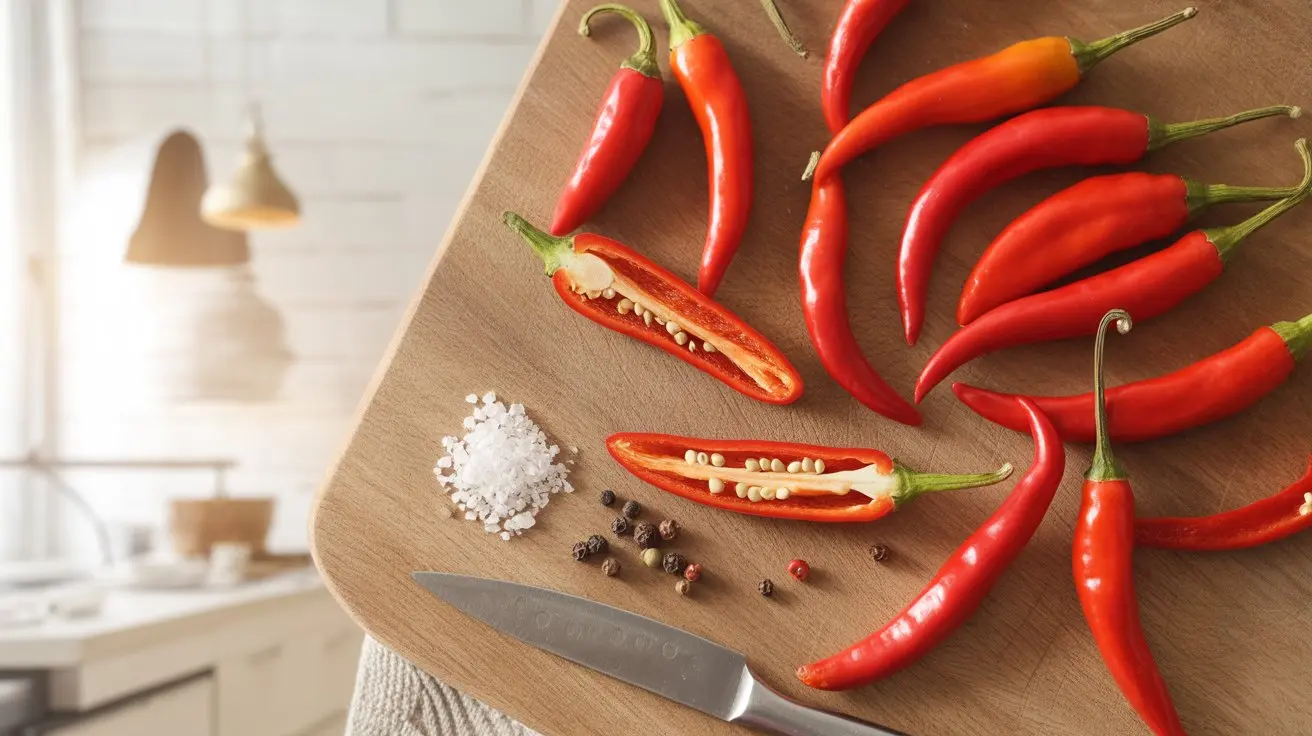
Kanthari Chili

The kanthari chili is a small but ferocious C. frutescens pepper from Kerala, India, registering 50,000–100,000 SHU. Roughly equal in heat to a scotch bonnet, it carries a bright, fruity character beneath its searing burn. A cornerstone of South Indian cooking for centuries, this tiny pepper punches well above its size in both heat and cultural significance.
- Species: C. frutescens
- Heat tier: Extra-Hot (100K–1M SHU)
- Comparison: 20x hotter than a jalapeño
What is Kanthari Chili?
Kanthari chilis are small, round pods — often no bigger than a pea — that grow prolifically on compact bushes across Kerala and neighboring South Indian states. Despite their diminutive size, they sit firmly in the extra-hot pepper category, delivering 50,000–100,000 SHU with a clean, bright fruitiness that distinguishes them from the earthier heat of many Southeast Asian varieties.
The pepper belongs to C. frutescens, the same botanical family as Tabasco, which explains the upright pod orientation and the characteristic quick-onset burn. Unlike the slow creep of a habanero, kanthari heat hits fast and lingers at the front of the palate.
Two color forms exist in Kerala markets: the white (or pale yellow) kanthari, considered more pungent by local cooks, and the red-ripe form used in chutneys and pickling. Both share that signature fruity brightness, though the white variety tends to carry more intensity relative to its size.
At peak ripeness, the pods measure roughly 1–2 cm in length. The Indian pepper-growing tradition has cultivated this variety for generations without much commercial hybridization, keeping it largely true to its wild frutescens roots. That genetic consistency is part of what makes kanthari so distinct from the more widely commercialized Thai-style chilis that have come to dominate global spice markets.
History & Origin of Kanthari Chili
Kerala's culinary identity is inseparable from the kanthari chili. Historical records and Ayurvedic texts reference small, intensely hot frutescens peppers in South Indian cooking as far back as the 17th century, shortly after Portuguese traders introduced Capsicum to the Indian subcontinent through Goa.
The name 'kanthari' derives from the Malayalam word for a type of small, potent pod — a linguistic marker of just how embedded this pepper became in regional food culture. Unlike many Indian chilis that were bred for commercial scale, kanthari remained a smallholder crop, grown in household gardens and traded in local markets rather than exported.
Ayurvedic practitioners historically valued the pepper for its perceived medicinal properties, using it in preparations for digestion and fever. That dual identity — culinary staple and traditional remedy — kept kanthari cultivation alive even as larger commercial varieties overtook Kerala's agricultural export economy. Today it remains a point of regional pride, particularly in the Wayanad and Palakkad districts.
How Hot is Kanthari Chili? Heat Level & Flavor
The Kanthari Chili delivers 50K–100K Scoville Heat Units, placing it in the Extra-Hot tier (100K–1M SHU). That makes it roughly 20x hotter than a jalapeño.
Flavor notes: bright and fruity.
Kanthari Chili Nutrition Facts & Health Benefits
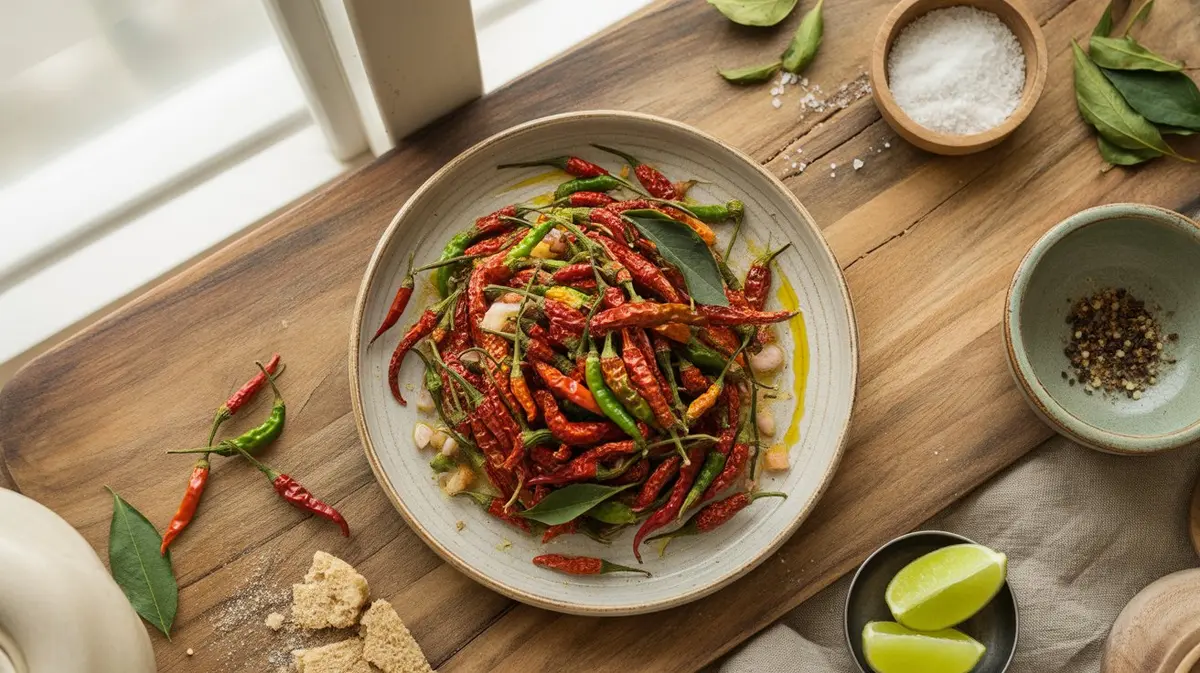
Like most small hot chilis, kanthari delivers meaningful nutrition in tiny doses. A 10g serving (roughly 5–6 fresh pods) provides approximately 4 calories, with notable concentrations of vitamin C — small chilis often exceed bell peppers in vitamin C density per gram. Capsaicin, the compound responsible for the heat, has been studied for anti-inflammatory properties; the chemistry behind how capsaicin triggers pain receptors explains why the burn feels so immediate in high-frutescens varieties.
Kanthari also contributes vitamin A precursors (from carotenoids in the ripe red form), small amounts of potassium, and dietary fiber. Ayurvedic tradition's use of this pepper for digestive support has some basis in capsaicin's documented effect on gastric motility.
Best Ways to Cook with Kanthari Chili Peppers
In Kerala households, kanthari chilis appear in almost everything: ground into fresh chutneys, dropped whole into coconut-based curries, or crushed with oil and salt as a table condiment. The white variety is prized for its raw applications — the fruity brightness survives without cooking better than most peppers at this heat level.
For comparison, the sharp, penetrating burn of bird's eye chili is similar in character, though kanthari carries a slightly rounder fruitiness. Substituting one for the other in Thai-influenced dishes works reasonably well, though the flavor profiles diverge enough that experienced cooks will notice.
The classic Kerala preparation is kanthari mulaku achar — a simple pickle of fresh chilis in oil, vinegar, and mustard seeds. The fruity notes concentrate beautifully in the pickling liquid. Kanthari also works well in coconut milk-based fish curries, where the fat tempers the heat without erasing the pepper's character.
For those building heat tolerance, starting with half a pod in a curry is practical advice. The burn builds quickly. Dried kanthari can be ground into a coarse powder that works as a finishing spice — sharper and brighter than standard red chili powder. If sourcing fresh kanthari is difficult, the fruity, similarly-ranged heat of sugar rush peach varieties can approximate the brightness, though the flavor profile differs considerably.
Where to Buy Kanthari Chili & How to Store
Fresh kanthari chilis are most available from July through October in Kerala and in South Indian grocery markets globally. Outside India, look in specialty Indian grocery stores — the white variety appears less frequently than the red-ripe form. Frozen kanthari, imported from Kerala, is increasingly available online and retains heat and flavor well.
Store fresh pods in the refrigerator in a paper bag for up to two weeks. For longer storage, freeze whole pods without blanching — they hold their heat and fruity character remarkably well. Dried kanthari keeps for 6 months in an airtight container away from light. Avoid buying pods that show soft spots or wrinkling, which indicate moisture loss and diminished flavor.
Best Kanthari Chili Substitutes & Alternatives
Whether you ran out of kanthari chili or just want to try something different, these peppers make solid stand-ins. We picked them based on heat range, flavor overlap, and how well they actually work in the same dishes.
Our top pick: Apollo Pepper (50K–100K SHU). The heat level is close enough for a direct swap in salsas, sauces, and stir-fries. Flavor leans bright and crisp, so the taste will shift a bit — but the overall heat stays in the same range.
How to Grow Kanthari Chili Peppers
Kanthari chilis thrive in warm, humid conditions that mirror their Kerala origins — USDA zones 10–12 for outdoor growing, or container cultivation in cooler climates where they can be brought indoors before frost. Start seeds indoors 8–10 weeks before the last frost date.
Germination is reliable at 80–85°F soil temperature, typically within 10–14 days. C. frutescens varieties like kanthari tend to be slower starters than annuum types, so patience pays off. Following solid guidance on transplant timing and hardening off seedlings matters more than usual here — these plants dislike cold soil.
For soil, kanthari performs best in well-draining, slightly acidic media with good organic matter. Detailed recommendations on soil composition and pH for pepper crops apply directly here; heavy clay will stunt root development significantly.
The plants grow compact — typically 60–90 cm tall — and produce prolifically once established. Upright pod orientation (characteristic of frutescens) makes harvest easy. Consistent moisture matters; drought stress drops yields noticeably. Full sun is non-negotiable. Expect 90–120 days to first ripe fruit from transplant. Container growers should use at minimum a 5-gallon pot to accommodate the root system.
Frequently Asked Questions
-
Kanthari chilis range 50,000–100,000 SHU, which puts them roughly on par with a scotch bonnet at the upper end. The burn character differs — kanthari hits faster and brighter, while scotch bonnet carries more fruity sweetness before the heat develops.
-
White (pale yellow) kanthari are harvested before full ripeness and are generally considered more pungent by Kerala cooks. Red kanthari are fully ripe, slightly sweeter in flavor, and commonly used in pickles and cooked preparations.
-
Yes — kanthari grows well in containers in any climate where summer temperatures stay above 70°F consistently. In USDA zones below 10, treat them as annuals or overwinter the plants indoors under grow lights.
-
The fiery, compact-fruited Thai Dragon with its Southeast Asian heat profile is the closest widely available substitute for fresh kanthari in most markets. Dried bird's eye chilis also approximate the heat level, though the flavor nuance won't be identical.
-
They are closely related — both are C. frutescens — but kanthari is a distinct regional variety with a rounder pod shape and slightly different flavor character. The similarly intense, sharp-fruited heat of the bird's eye comes from the same species, but kanthari is specific to Kerala's cultivation tradition.
- Kerala Agricultural University - Traditional Chili Varieties of Kerala
- Chile Pepper Institute - C. frutescens Species Overview
- Indian Council of Agricultural Research - Spice Crops Database
Species classification: C. frutescens — based on published botanical taxonomy.