
Jalapeño

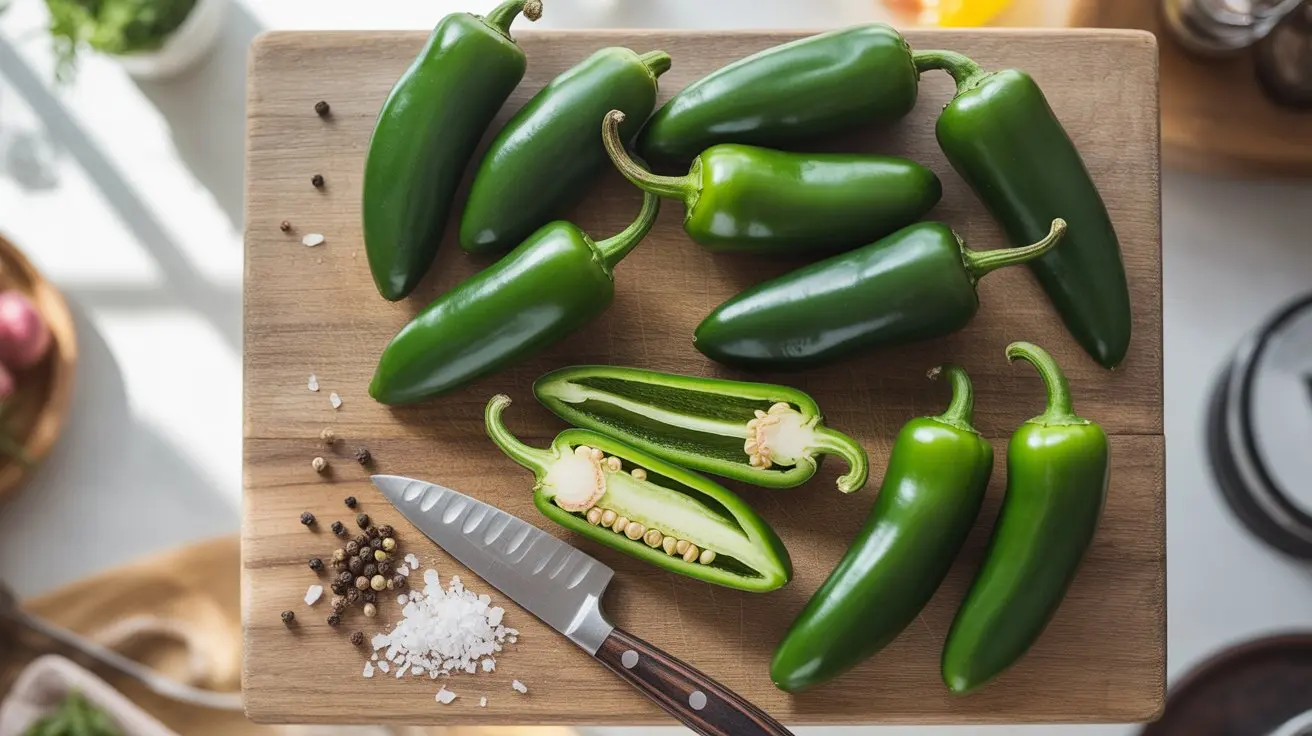
The jalapeño is the benchmark pepper for millions of home cooks and gardeners. Clocking in at 2,500–8,000 SHU, it sits squarely in the medium heat zone — enough bite to notice, manageable enough to eat daily. Bullet-shaped, bright, and grassy-flavored, it grows reliably in most climates and produces heavily all season long.
- Species: C. annuum
- Heat tier: Medium (1K–10K SHU)
- Comparison: 2x hotter than a jalapeño
What is Jalapeño?
Few peppers have earned their reputation as thoroughly as the jalapeño. Native to Mexico and a cornerstone of Mexican pepper tradition, it belongs to the Capsicum annuum species — the same botanical family that includes bells, poblanos, and cayennes.
The heat range of 2,500–8,000 SHU means individual fruits vary considerably. Cooler growing conditions, less water stress, and younger harvests tend toward the lower end. Push the plant hard — heat, drought, late-season picking — and you'll climb toward 8K. That variability is part of what makes jalapeños interesting to grow.
Flavor-wise, the fresh pepper has a distinctly bright, grassy character with a slight vegetal sweetness. It's not a one-note heat delivery system. Roasting softens that grassiness into something richer, while smoking the ripe red fruits transforms them entirely — which is exactly how smoky, slow-dried chipotle flavor is made.
The bullet shape — typically 2–3.5 inches long with thick walls — makes it ideal for stuffing, slicing, or pickling. Thick flesh holds up to heat without turning mushy, and the skin chars cleanly under a broiler.
For anyone new to growing hot peppers, jalapeños are a natural starting point. They germinate readily, tolerate a range of soils, and produce dozens of fruits per plant without demanding much in return. Experienced growers keep them in rotation because they're simply useful — in the garden and in the kitchen.
History & Origin of Jalapeño
The jalapeño takes its name from Xalapa (Jalapa), the capital of Veracruz, Mexico, where it was historically cultivated and traded. Pre-Columbian peoples had been growing Capsicum annuum varieties across Mesoamerica for thousands of years before Spanish contact brought chiles to European attention in the 16th century.
By the 20th century, the Veracruz region had formalized jalapeño cultivation, and the pepper became one of Mexico's most commercially significant crops. In 1992, a jalapeño traveled aboard Space Shuttle Endeavour — reportedly the first pepper in space, a milestone that says something about its cultural standing.
Today it ranks as the most widely consumed fresh chile in the United States. Its close relative, the deeply flavored dried guajillo, shares roots in the same regional pepper traditions that shaped Mexican cooking over centuries.
How Hot is Jalapeño? Heat Level & Flavor
The Jalapeño delivers 3K–8K Scoville Heat Units, placing it in the Medium tier (1K–10K SHU). That makes it roughly 2x hotter than a jalapeño.
Flavor notes: bright and grassy.
Jalapeño Nutrition Facts & Health Benefits
A 100-gram serving of raw jalapeño provides approximately 29 calories, 1.4g protein, 0.4g fat, and 6.5g carbohydrates. Dietary fiber comes in at about 2.8g.
Jalapeños are a solid source of vitamin C — around 119mg per 100g, exceeding the daily recommended intake. They also contribute vitamin B6, vitamin K, folate, and potassium.
Capsaicin, the compound responsible for heat, has been studied for its effects on metabolism and inflammation. The receptor science behind why capsaicin produces a burn sensation is well-documented in pharmacological literature. Calorie-for-calorie, jalapeños punch well above their weight nutritionally.
Best Ways to Cook with Jalapeño Peppers
Jalapeño poppers are probably the pepper's most famous application — stuffed, breaded, and baked or fried into something that balances heat with creamy richness. But the pepper's range goes well beyond that.
Fresh slices work on tacos, nachos, grain bowls, and sandwiches. The grassy brightness cuts through fatty proteins and rich sauces without overwhelming other flavors. For salsa verde, raw jalapeños provide backbone heat while tomatillos handle the acidity.
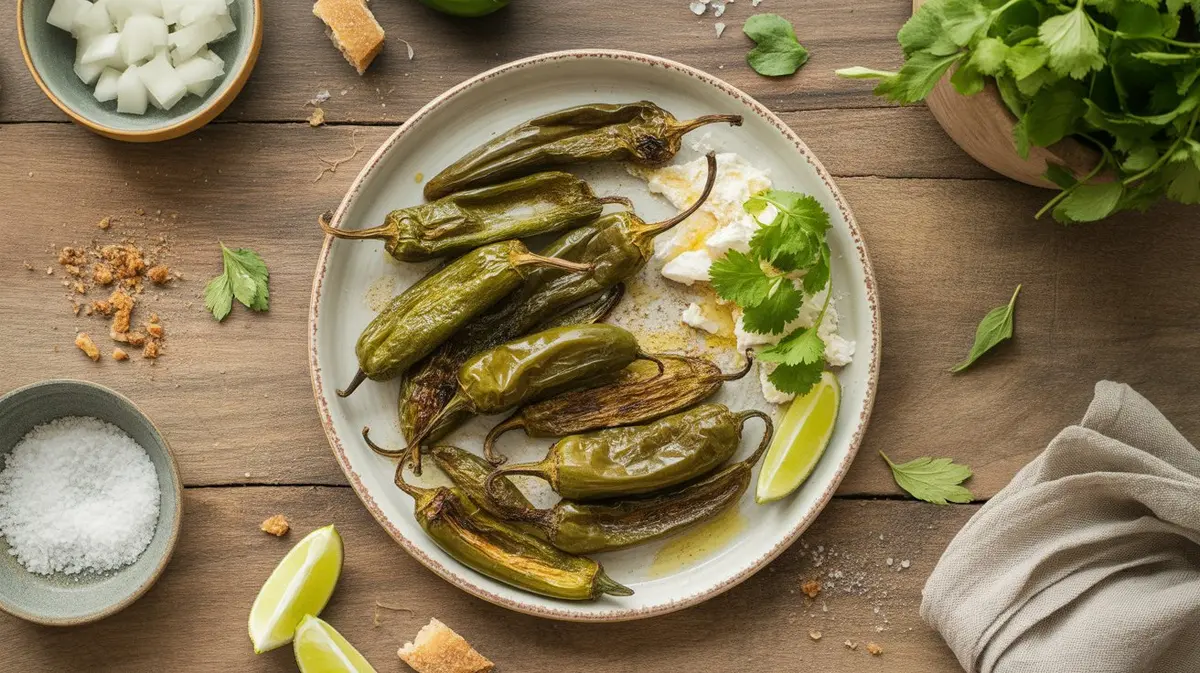
Roasting changes everything. A few minutes under a broiler or directly over a gas flame softens the sharpness and introduces char notes that make the pepper taste almost smoky. Blended into a roasted salsa or stirred into guacamole, roasted jalapeños add depth that fresh ones can't match.
Pickling is another strong move. Sliced into rings and quick-pickled in vinegar brine, jalapeños mellow in heat but gain a tangy complexity that pairs well with rich foods. The flavor profile of Hatch chiles — earthy and slightly sweet — offers an interesting contrast if you want to mix peppers in a relish or salsa.
For heat calibration, note that a fresh jalapeño runs about twice as hot as a Fresno pepper at equivalent SHU positions. Knowing how to cut jalapeños safely — removing seeds and pith to dial back heat — gives you real control over the final dish.
Where to Buy Jalapeño & How to Store
Fresh jalapeños are available year-round in most grocery stores. Look for firm, glossy fruits with smooth skin and no soft spots. Corking — the white stretch marks running lengthwise — indicates a more mature, often hotter pepper; it's normal and not a defect.
Refrigerate fresh jalapeños in a paper bag or loosely wrapped in a dry towel. They hold well for 1–2 weeks at around 45°F.
For longer storage, slice and freeze on a sheet tray before transferring to a bag — no blanching required. Pickled jalapeños keep refrigerated for several months. Whole dried or smoked versions (chipotles) store in a cool, dark pantry for up to a year.
Best Jalapeño Substitutes & Alternatives
Whether you ran out of jalapeño or just want to try something different, these peppers make solid stand-ins. We picked them based on heat range, flavor overlap, and how well they actually work in the same dishes.
Our top pick: Puya Pepper (5K–8K SHU). Same species (C. annuum) and nearly the same heat, so it swaps in at a 1:1 ratio without changing the character of the dish. The flavor leans fruity and smoky, which is close enough that most people won’t notice the difference in a cooked recipe.
How to Grow Jalapeño Peppers
Jalapeños are among the most forgiving hot peppers to grow, but they do have preferences worth knowing.
Start seeds indoors 8–10 weeks before your last frost date. Soil temperature for germination should stay between 75–85°F — a heat mat under the seed tray makes a real difference in germination speed and uniformity. Our full pepper germination walkthrough covers the timing in detail.
Transplant outdoors once nighttime temps stay consistently above 55°F. Jalapeños want full sun — at least 6 hours daily — and well-drained soil with a pH around 6.0–6.8. Space plants 18–24 inches apart to allow airflow and reduce disease pressure.
Watering consistency matters more than volume. Irregular moisture causes blossom drop and contributes to blossom end rot. Deep watering 2–3 times per week outperforms daily shallow watering in most climates.
Fertilize with a balanced feed early in the season, then shift to a lower-nitrogen formula once flowering begins. Too much nitrogen late in the season pushes leafy growth at the expense of fruit.
Fruits are ready to harvest at green stage in 70–85 days from transplant. Leaving them on the plant to ripen red intensifies both heat and sweetness — those fully red fruits are what get smoked into the dried, smoky pepper used in chipotles. The vivid color shift in fully ripened jalapeños is a reliable harvest indicator.
The ornamental purple-fruited variant sits in the same 2,500–8,000 SHU range and grows identically — worth adding if you want visual variety in the garden.
Frequently Asked Questions
-
Heat in jalapeños varies based on growing conditions — water stress, high temperatures, and late-season harvests all push capsaicin production higher within the 2,500–8,000 SHU range. The same plant can produce noticeably hotter fruits late in the season compared to early pickings.
-
Those white or tan stretch marks (corking) appear when the pepper's skin grows more slowly than the flesh inside, usually on older or more stressed fruits. Corked jalapeños tend to be hotter and more mature — they're perfectly good to eat.
-
Serranos are smaller, thinner-walled, and significantly hotter — typically 10,000–23,000 SHU compared to the jalapeño's 2,500–8,000 SHU. Check the jalapeño vs. serrano matchup for a full breakdown of when to swap one for the other.
-
Absolutely — red jalapeños are fully ripe and tend to be sweeter and hotter than green ones. They're the same pepper at a later stage, and the flavor and heat of fully ripe red jalapeños make them worth letting mature if you have the patience.
-
Poblanos are considerably milder, ranging from 1,000–2,000 SHU versus the jalapeño's floor of 2,500 SHU. The jalapeño vs. poblano comparison breaks down their flavor and cooking differences in detail.
- Chile Pepper Institute — Capsicum Species Information
- USDA FoodData Central — Raw Jalapeño Nutritional Profile
- New Mexico State University Extension — Growing Chile Peppers
Species classification: C. annuum — based on published botanical taxonomy.
