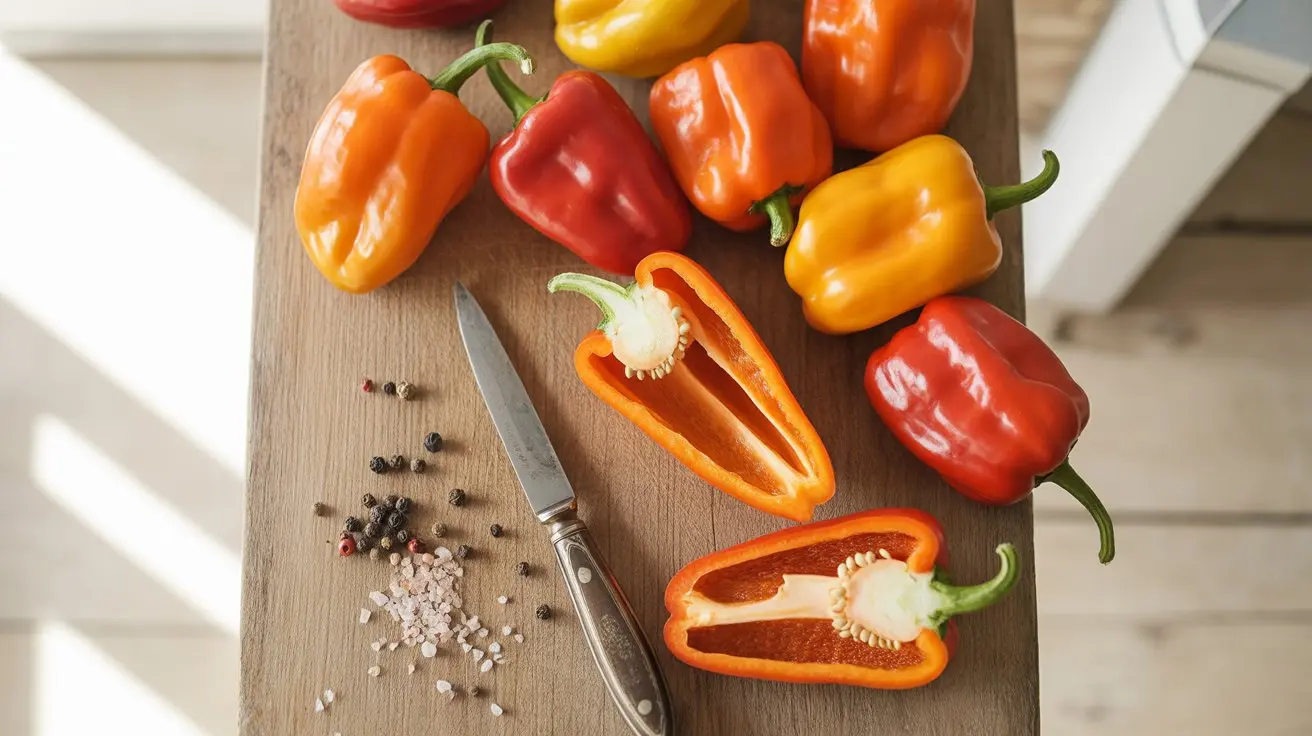
Hot Paper Lantern Pepper

The hot paper lantern pepper sits at 300,000–400,000 SHU, putting it at the upper end of the habanero family's firepower. It shares the elongated, wrinkled shape of a paper lantern and delivers serious heat with a fruity undertone. Cooks who want habanero-level intensity with slightly more pod volume per plant tend to reach for this variety.
- Species: Capsicum chinense
- Heat tier: Extra-Hot (100K–1M SHU)
- Comparison: 80x hotter than a jalapeño
What is Hot Paper Lantern Pepper?
At 300,000–400,000 SHU, the hot paper lantern is one of the hotter members of the extra-hot SHU bracket — comfortably above most standard habaneros and right alongside the deep, smoky depth of chocolate habanero's culinary range.
The pods are elongated and tapered, resembling a crinkled paper lantern — hence the name. They ripen from green through orange to a vivid red-orange at full maturity, which is when flavor and heat peak simultaneously.
This is a Capsicum chinense variety, placing it in the same botanical family as habaneros and Scotch bonnets. The species is responsible for that characteristic fruity sweetness that underlies the burn — a quality that makes hot paper lanterns genuinely useful in the kitchen rather than just a heat spectacle.
The heat itself builds steadily rather than hitting all at once. That slow escalation gives you a window to appreciate the fruity notes before the full burn arrives. Compared to the intense heat profile of the Fatalii's citrus-forward character, the hot paper lantern skews slightly more tropical and less sharp.
Grown widely by home gardeners and specialty growers, this pepper produces well in warm climates and has developed a following among hot sauce makers who want serious heat without sacrificing fruit complexity.
History & Origin of Hot Paper Lantern Pepper
The exact origin of the hot paper lantern is not well-documented — unlike peppers with clear regional histories tied to specific cuisines or agricultural traditions, this variety appears to have emerged through selection within the broader habanero family rather than from a distinct geographic source.
What is clear is its Capsicum chinense lineage, a species domesticated in South America thousands of years ago and later spread throughout the Caribbean and Central America. The fruity, floral sensory character common to Surinamese varieties like Madame Jeanette suggests shared ancestry across this entire pepper family.
The name itself is descriptive — the elongated, crinkled pod shape genuinely does resemble a folded paper lantern. Specialty seed companies began offering it more widely in the early 2000s as demand for habanero-adjacent varieties with higher yields grew among home growers.
How Hot is Hot Paper Lantern Pepper? Heat Level & Flavor
The Hot Paper Lantern Pepper delivers 300K–400K Scoville Heat Units, placing it in the Extra-Hot tier (100K–1M SHU). That makes it roughly 80x hotter than a jalapeño.
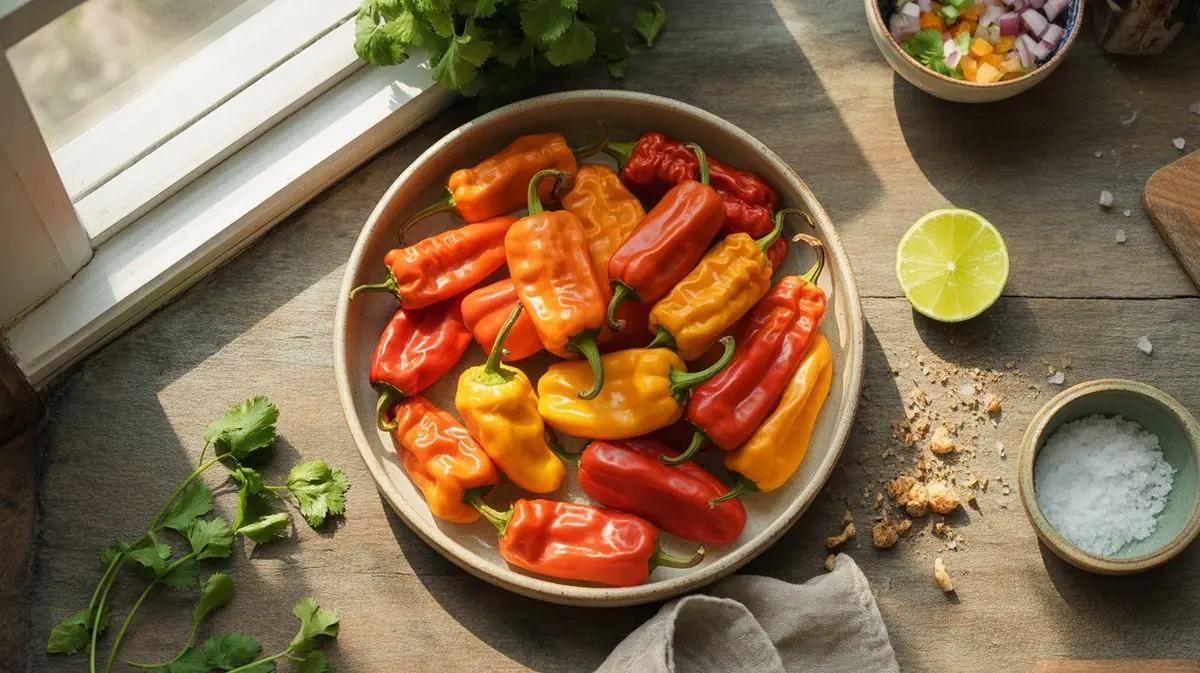
Hot Paper Lantern Pepper Nutrition Facts & Health Benefits
Like other Capsicum chinense peppers, hot paper lanterns are nutritionally dense relative to their size. A single pod provides a meaningful dose of vitamin C — often exceeding the daily recommended value — along with vitamin A from the carotenoids responsible for the orange-red color.
Capsaicin, the compound driving the 300,000–400,000 SHU heat, has been studied for potential metabolic and anti-inflammatory effects. The calorie count is negligible — a whole fresh pod runs under 10 calories. These peppers also contain small amounts of potassium and B vitamins, though the quantities consumed per serving are modest.
Best Ways to Cook with Hot Paper Lantern Peppers
The hot paper lantern earns its place in the kitchen through a combination of heat and flavor that rewards careful use. The fruity undertone — somewhere between mango and peach — comes through clearly when the pepper is used fresh in salsas or blended into vinegar-based hot sauces.
For hot sauce work, roasting the pods first mellows the sharpest edges of the heat and deepens the fruit character considerably. A small batch sauce with roasted hot paper lanterns, mango, lime, and garlic is genuinely excellent — the pepper's 300,000–400,000 SHU range means even a few pods go a long way.
Dried and ground, the powder works well in dry rubs for pork or chicken where you want background heat that builds over the course of a meal. The Caribbean-rooted cooking tradition behind Scotch bonnet's culinary identity offers a useful template — jerk-style applications where fruity heat is the point, not just a byproduct.
Pickled hot paper lanterns hold up well in brine and make a striking condiment — the red-orange color stays vivid. Use them anywhere you'd reach for a habanero but want slightly more pod volume per jar.
Seed and membrane removal drops the heat substantially if you need the fruit flavor without maximum intensity.
Where to Buy Hot Paper Lantern Pepper & How to Store
Fresh hot paper lanterns are rarely found in standard grocery stores — specialty markets, farmers markets, and online pepper vendors are your best options during late summer harvest season. Look for pods with firm skin, vivid color, and no soft spots.
Fresh pods keep 1–2 weeks refrigerated in a paper bag. For longer storage, freeze whole pods or slice and freeze on a sheet tray before bagging — frozen peppers work fine for sauces and cooked applications. Dried pods or powder store well in airtight containers away from light for up to 12 months. Wear gloves when handling fresh pods at this heat level.
Best Hot Paper Lantern Pepper Substitutes & Alternatives
Whether you ran out of hot paper lantern pepper or just want to try something different, these peppers make solid stand-ins. We picked them based on heat range, flavor overlap, and how well they actually work in the same dishes.
Our top pick: Fatalii (125K–400K SHU). The heat level is close enough for a direct swap in salsas, sauces, and stir-fries. Flavor leans citrusy and fruity, so the taste will shift a bit — but the overall heat stays in the same range.
How to Grow Hot Paper Lantern Peppers
Hot paper lanterns grow with the typical requirements of the Capsicum chinense family — they want heat, consistent moisture, and a long season. Start seeds indoors 10–12 weeks before your last frost date; germination is slow at room temperature, so bottom heat around 80–85°F speeds things up considerably.
Transplant outdoors only after nighttime temps stay reliably above 55°F. These plants are sensitive to cold snaps at any stage. For anyone working through the full process, the seed-starting full guide for peppers covers the details worth knowing before your first season.
Plant spacing of 18–24 inches gives the bushy plants room to spread. They respond well to consistent watering but dislike waterlogged roots — well-draining soil is non-negotiable. A mid-season side dressing of balanced fertilizer supports pod development without pushing excessive vegetative growth.
One thing worth knowing: C. chinense varieties are prone to blossom drop during heat waves or when night temperatures stay above 75°F. If your plants are flowering but not setting fruit, understanding pepper flower drop causes will point you toward solutions.
For gardeners who want to save seed or expand their planting, hand-pollinating pepper flowers is straightforward with this variety. Days to maturity typically run 90–100 days from transplant.
Frequently Asked Questions
-
The hot paper lantern measures 300,000–400,000 SHU, while standard habaneros in the 100,000–350,000 SHU range typically land toward the lower end of that bracket. In practice, hot paper lanterns often run noticeably hotter than the habaneros most people encounter at grocery stores.
-
Yes, with adjustment — use roughly half the quantity called for if the recipe was developed with standard habaneros, then taste and add more. The flavor profile is similar enough that the substitution works well in sauces, salsas, and marinades.
-
Blossom drop in Capsicum chinense varieties is commonly triggered by temperature extremes — either nights above 75°F or daytime temps below 60°F during flowering. Inconsistent watering and low humidity can also contribute to the problem.
-
The flavor has a fruity, tropical quality — mango and peach notes are commonly described — similar to other habanero-family peppers. The heat builds gradually, which gives that fruit character a moment to register before the full intensity arrives.
-
From transplant, expect 90–100 days to reach full red-orange maturity. Starting seeds indoors 10–12 weeks before last frost and using bottom heat for germination gives you the head start this long-season variety needs.
- Chile Pepper Institute - Capsicum chinense Species Overview
- USDA Plant Database - Capsicum chinense
- Baker Creek Heirloom Seeds - Hot Paper Lantern
- Johnny's Selected Seeds - Pepper Growing Guide
Species classification: Capsicum chinense — based on published botanical taxonomy.