Holy Mole Pepper

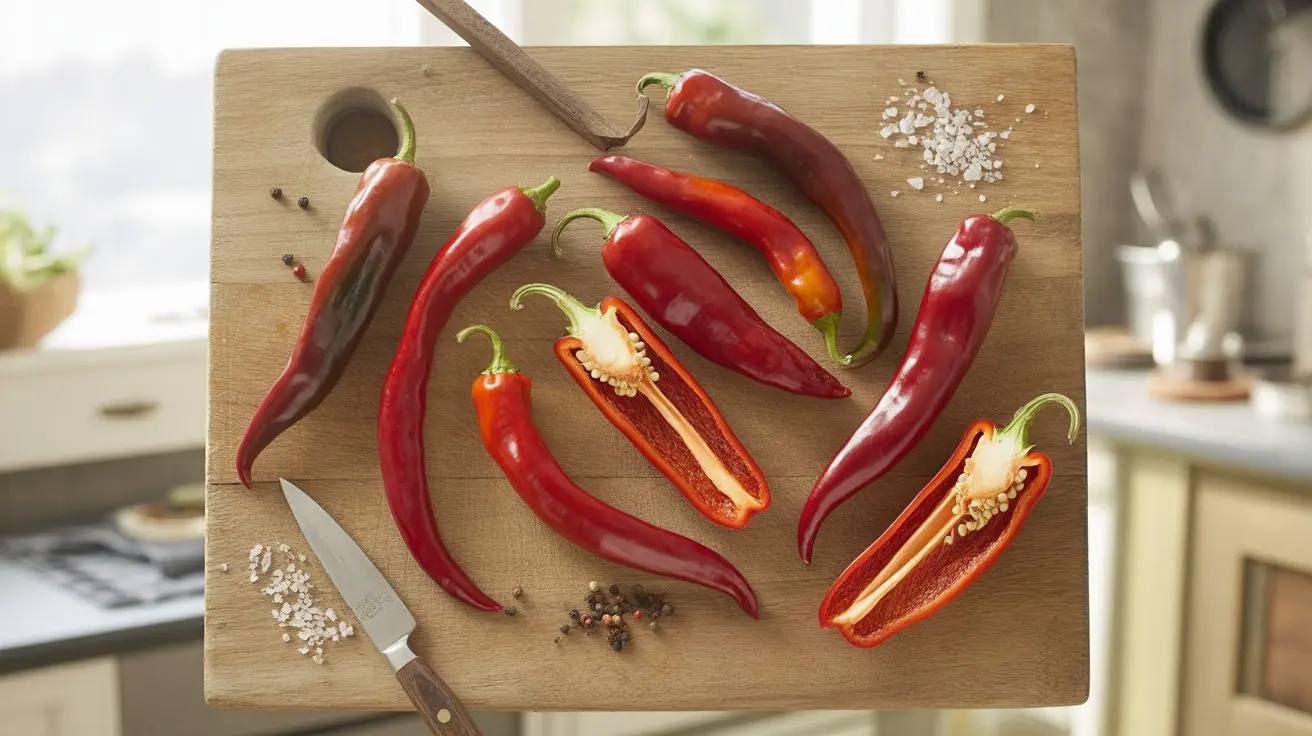
The Holy Mole pepper is a mild Capsicum annuum variety bred specifically for mole sauce, registering just 700-800 SHU - a gentle warmth that barely registers as heat. Its long, dark brown pods carry earthy, chocolatey depth without the fire. Gardeners love it for its ornamental appeal and productive plants, while cooks prize it as a low-heat pepper built from the ground up for Mexican sauces.
- Species: Capsicum annuum
- Heat tier: Mild (0–999 SHU)
What is Holy Mole Pepper?
At 700-800 SHU, the Holy Mole sits at the quieter end of the mild heat band - closer to a sweet, nearly heatless Caribbean-style pepper than anything that makes you reach for water. The warmth is a background whisper, present but polite, letting the pepper's earthy, slightly smoky flavor carry the dish.
This variety earned its name honestly. Unlike poblanos or anchos that bring moderate heat alongside their chocolate-forward flavor, the Holy Mole was specifically developed to deliver that deep, mole-ready taste profile at a fraction of the intensity. Think of it as a poblano's mild-mannered sibling - same culinary DNA, lower capsaicin output.
The pods grow long and tapered, maturing from green through to a rich, dark brown. That mature color is significant: it signals peak flavor development, the point when the pepper's complex, earthy notes are fully expressed. Fresh off the plant, the pods have a firm, waxy skin. Dried, they concentrate those flavors considerably.
For gardeners, Holy Mole is a rewarding grow. Plants reach a substantial size, produce generously, and carry visual appeal through the season as pods transition through their color stages. The full range of mild-pepper growing techniques applies here, with a few nuances worth knowing for maximizing pod quality and flavor depth.
History & Origin of Holy Mole Pepper
The Holy Mole pepper is a relatively modern variety, developed through deliberate breeding rather than centuries of regional cultivation. It was created to serve a specific culinary need: a pepper that delivers the flavor profile expected in mole negro and similar complex Mexican sauces without the heat that makes those dishes inaccessible to heat-sensitive cooks.
The variety was introduced by Burpee Seed Company and received the All-America Selections award in 2007, which marked it as a standout performer in trials across North America. That recognition helped it reach a broad gardening audience quickly.
Unlike heirloom varieties with deep regional roots - such as the Italian-origin sweet pepper with mild fruity notes - Holy Mole was engineered for the modern kitchen garden. Its lineage traces to Capsicum annuum stock selected for low pungency and high flavor complexity, a combination that took deliberate breeding effort to stabilize.
How Hot is Holy Mole Pepper? Heat Level & Flavor
The Holy Mole Pepper delivers 700–800 Scoville Heat Units, placing it in the Mild tier (0–999 SHU).
Holy Mole Pepper Nutrition Facts & Health Benefits
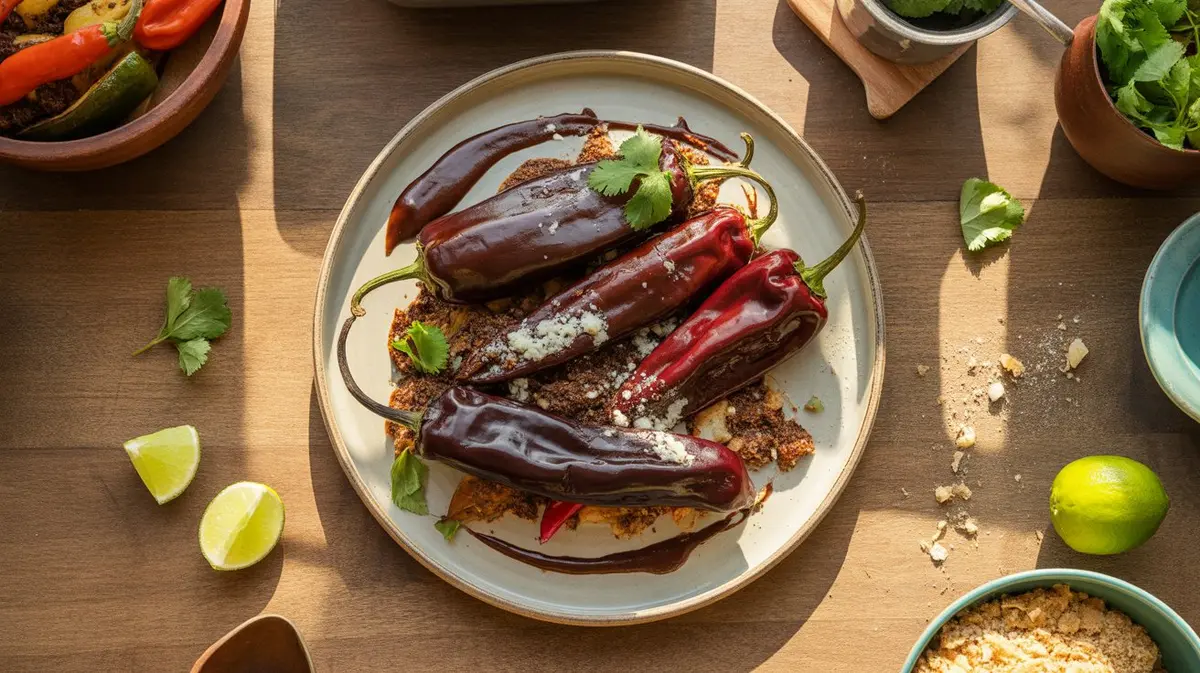
Like most Capsicum annuum varieties, Holy Mole peppers offer solid nutritional value relative to their calorie load. A 100g serving of fresh pods provides roughly 31 calories, with meaningful amounts of vitamin C (around 80mg, supporting immune function) and vitamin A from carotenoid pigments.
The sweet pepper end of the paprika spectrum shares a similar nutritional profile - low fat, moderate fiber, and antioxidant compounds including capsanthin and beta-carotene.
Dried Holy Mole pods concentrate these nutrients considerably, though vitamin C degrades with heat and drying. The capsaicin content at 700-800 SHU is low enough that its metabolic effects are minimal compared to hotter varieties.
Best Ways to Cook with Holy Mole Peppers
Holy Mole's primary application is exactly what the name suggests: mole sauce. The pepper's earthy, chocolate-adjacent flavor contributes the backbone notes that define mole negro without adding heat that might overwhelm the sauce's careful balance of chiles, spices, and chocolate.
Dried Holy Mole pods behave similarly to the deep, smoky character of dried smoked paprika peppers - toasting them briefly in a dry pan before rehydrating amplifies their complexity considerably. That step takes maybe two minutes and makes a real difference in the final sauce.
Fresh pods work well roasted and peeled, stuffed (they hold their shape nicely), or sliced into salsas where you want body and flavor without heat. The thick walls make them suited to longer cooking applications.
For sauce work, a ratio of roughly 3-4 dried pods per cup of sauce provides solid flavor without overpowering other ingredients. They rehydrate well in warm water or stock over 20-30 minutes.
Those exploring how to build habanero hot sauce from scratch will find Holy Mole useful as a base-layer pepper that adds depth without competing with hotter varieties in blended sauces. The culinary range this pepper covers extends from fresh applications through dried and powdered forms.
Where to Buy Holy Mole Pepper & How to Store
Fresh Holy Mole pods are rarely found in standard grocery stores - this is primarily a gardener's pepper or a specialty market find. Dried pods occasionally appear in Latin grocery stores or online from specialty spice retailers.
For fresh pods, look for firm skin, no soft spots, and consistent dark coloring if buying at full maturity. Store fresh pods in the refrigerator in a paper bag for up to two weeks.
Dried pods keep well in an airtight container away from light and heat for 12-18 months. The mild, sweet depth of the Piquillo pepper is a reasonable fresh substitute if Holy Mole isn't available locally.
Best Holy Mole Pepper Substitutes & Alternatives
Whether you ran out of holy mole pepper or just want to try something different, these peppers make solid stand-ins. We picked them based on heat range, flavor overlap, and how well they actually work in the same dishes.
Our top pick: NuMex Suave Orange (0–800 SHU). The heat level is close enough for a direct swap in salsas, sauces, and stir-fries. Flavor leans fruity and mild, so the taste will shift a bit — but the overall heat stays in the same range.
How to Grow Holy Mole Peppers
Holy Mole plants are vigorous growers that reward attentive care. Start seeds 8-10 weeks before last frost indoors, maintaining soil temperature around 80-85°F for germination. Germination typically takes 10-14 days at proper temperatures.
Transplant outdoors once nighttime temperatures stay consistently above 55°F. Plants reach 24-36 inches tall and benefit from staking once they load up with pods - the long, heavy fruits can stress branches without support.
Full sun is non-negotiable. These plants want 6-8 hours of direct light daily. In partial shade, you'll get foliage but sparse fruiting.
Soil prep matters more than most gardeners expect. Holy Mole performs best in well-draining, slightly acidic soil (pH 6.0-6.8) amended with compost. Consistent moisture during fruit set prevents blossom drop - irregular watering at that stage costs you pods.
For color development - that signature dark brown maturity - leave pods on the plant well past the green stage. Patience here pays off in flavor. Compare this to the compact, round shape and thick walls of the Alma Paprika, which matures to red; Holy Mole's brown finish is its visual indicator of peak readiness.
Days to maturity run approximately 75-80 days to green harvest, longer to full brown maturity. Plan your transplant timing accordingly if you want fully mature pods before first frost.
Frequently Asked Questions
-
The Holy Mole registers 700-800 SHU, while poblanos typically land between 1,000-2,000 SHU, making Holy Mole noticeably milder. In practice, the heat difference is subtle - both are gentle peppers, but Holy Mole was specifically bred to reduce pungency while preserving the earthy, mole-ready flavor profile.
-
Fresh Holy Mole pods are fully edible and work well roasted, stuffed, or sliced into salsas. That said, the pepper's flavor profile deepens considerably when dried or toasted, which is why most recipes call for dried pods when making mole sauce.
-
Plants typically reach green maturity around 75-80 days after transplant, but full brown maturity - the stage where flavor is most developed - takes an additional 2-3 weeks on the plant. Consistent warm temperatures and full sun accelerate the color transition.
-
No - Holy Mole is an F1 hybrid developed by Burpee and introduced around the time of its 2007 All-America Selections award. Seeds saved from Holy Mole plants will not reliably reproduce the parent plant's characteristics, so new seed should be purchased each season.
-
Dried ancho or mulato chiles are the closest functional substitutes, offering similar earthy, chocolate-forward flavor though with moderately more heat. The NuMex Suave Orange's low-heat characteristics make it another option worth considering if you want minimal pungency in the final sauce.
- All-America Selections - Holy Mole Pepper (2007 Winner)
- Burpee Seeds - Holy Mole Pepper
- Chile Pepper Institute - New Mexico State University
- USDA Plant Hardiness Zone Map
Species classification: Capsicum annuum — based on published botanical taxonomy.