Goat Horn Pepper

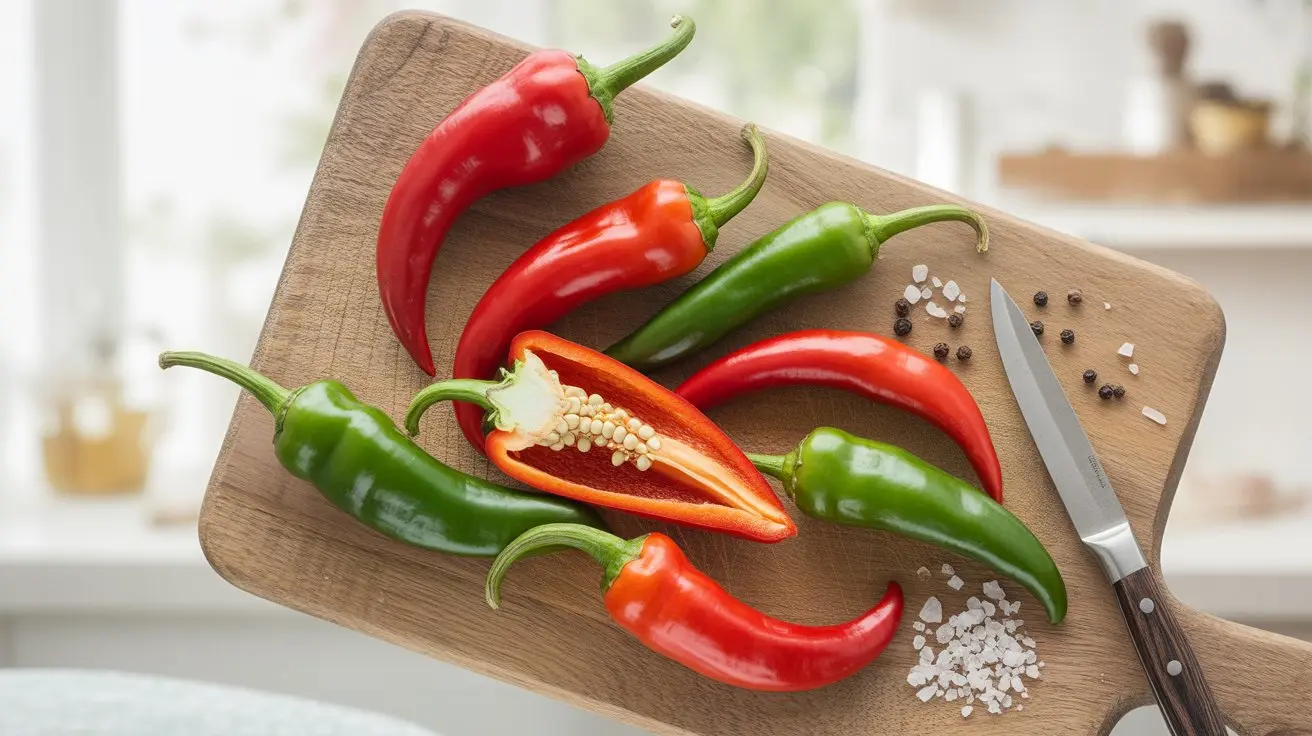
The goat horn pepper earns its name from its curved, tapered shape — a C. annuum variety from China that delivers 1,500–5,000 SHU of gentle warmth with a genuinely sweet flavor. It sits comfortably in the medium heat pepper category and works beautifully in stir-fries, pickles, and slow-cooked sauces where you want flavor depth without overwhelming fire.
- Species: C. annuum
- Heat tier: Medium (1K–10K SHU)
What is Goat Horn Pepper?
Most peppers from China stay off Western radar, but the goat horn pepper has quietly built a following among cooks who want heat with actual sweetness behind it.
At 1,500–5,000 SHU, it sits at roughly the same intensity as a jalapeño — maybe a touch milder at the low end. That range puts it in the medium heat tier where it has plenty of company, but the goat horn's curved, elongated form sets it apart visually from most of its peers.
The flavor is the real selling point. Unlike some medium-heat varieties that lean grassy or vegetal, the goat horn tastes genuinely sweet when fresh — almost fruity — with a slow-building warmth that doesn't spike. That combination makes it far more flexible than its SHU number suggests.
Botanically it belongs to Capsicum annuum, the most widely cultivated pepper species on the planet. That species encompasses everything from bell peppers to cayennes, and the goat horn slots in on the milder, sweeter end of that enormous family.
In Chinese cooking, this pepper appears in both fresh and dried applications — stir-fried whole, fermented into chili pastes, or dried and ground for seasoning blends. Its thick flesh holds up well to high heat, which is exactly what you want when a wok is involved.
History & Origin of Goat Horn Pepper
The goat horn pepper originates in China, where curved, elongated pepper varieties have been cultivated for centuries. China is one of the world's largest pepper producers, and regional varieties like this one developed through generations of selection for flavor, texture, and adaptability to local growing conditions.
The name references the pepper's distinctive silhouette — a long, gently curved pod that tapers to a point, resembling an animal horn. This naming convention is common across pepper cultures; you see similar logic in the vertically clustered ornamental heat of the Medusa pepper and the thin, pointed form of Thai chili peppers.
As Chinese cuisine gained global reach, ingredients like the goat horn pepper followed. Today it appears in Asian grocery markets across North America and Europe, and home gardeners have adopted it as a productive, low-maintenance crop with genuine culinary payoff.
How Hot is Goat Horn Pepper? Heat Level & Flavor
The Goat Horn Pepper delivers 2K–5K Scoville Heat Units, placing it in the Medium tier (1K–10K SHU).
Flavor notes: sweet and mild.
Goat Horn Pepper Nutrition Facts & Health Benefits
A 100g serving of fresh goat horn pepper contains roughly 30–40 calories, with the exact profile varying by ripeness. Red-ripe pods deliver significantly more vitamin C than green-harvested ones — often exceeding 100mg, well above the daily recommended intake.
Vitamin A content increases with ripening as chlorophyll breaks down and carotenoids become visible. The pepper also provides modest amounts of vitamin B6, potassium, and folate.
Capsaicin at 1,500–5,000 SHU is present in low enough concentrations that the molecular burn pathway is mild for most people. Capsaicin itself has been studied for metabolic and anti-inflammatory effects at higher concentrations than this pepper delivers.
Best Ways to Cook with Goat Horn Peppers
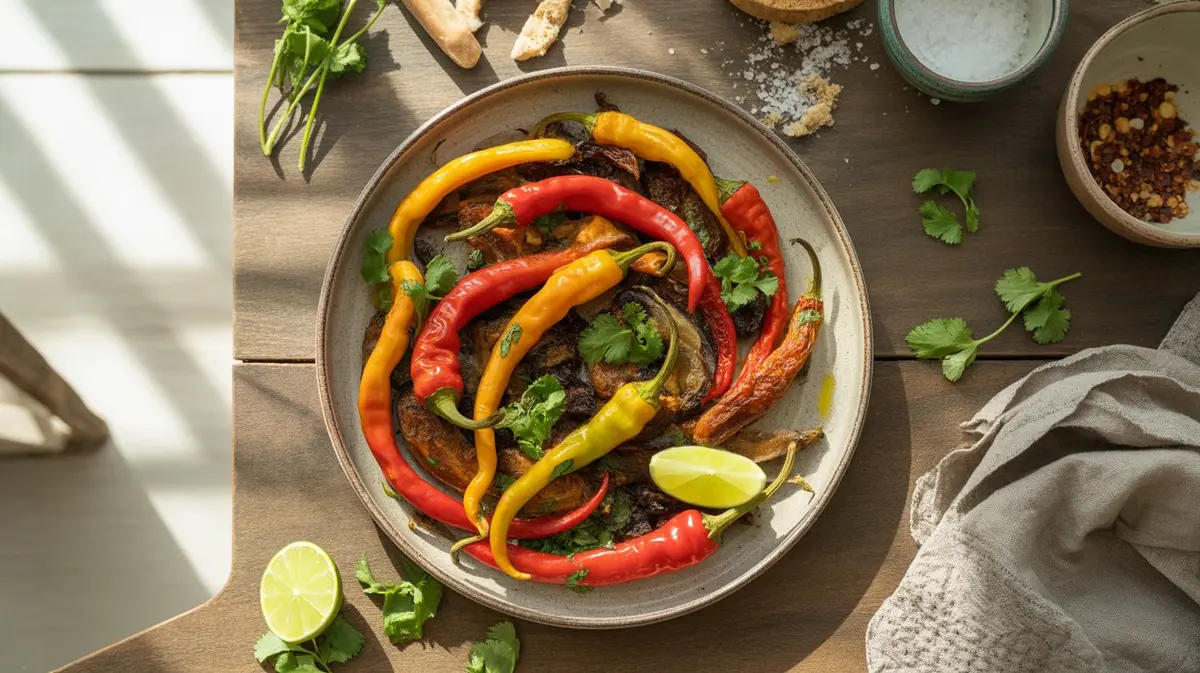
The goat horn pepper's sweet, mild character makes it one of the more approachable peppers for everyday cooking. Fresh pods work well sliced into stir-fries — the thick walls hold their texture through high-heat cooking better than thinner-walled varieties.
Pickling is another strong application. The natural sweetness balances vinegar brine nicely, and the curved shape makes for attractive whole-pickled peppers in a jar. Try a quick rice vinegar brine with garlic and ginger to stay in the pepper's culinary lane.
For dried applications, the goat horn concentrates into a moderately spiced powder with more sweetness than most dried red chiles. If you're familiar with the earthy, moderate warmth of dried guajillo, think of goat horn powder as a sweeter, less complex alternative for everyday seasoning.
It also pairs well with fermented ingredients. Mix fresh-sliced goat horn into kimchi-style preparations or blend into a gochujang-adjacent paste. The fresh-versus-dried pepper guide covers how drying transforms flavor compounds — relevant here since goat horn behaves quite differently fresh versus dried.
For heat balance in a dish, the goat horn sits in the same range as the round, thick-walled cherry bomb pepper's Italian-American roots, making them interchangeable in many recipes.
Where to Buy Goat Horn Pepper & How to Store
Fresh goat horn peppers appear most reliably at Asian grocery stores and farmers markets with Chinese vegetable growers. Look for firm, glossy pods without soft spots or wrinkling — both indicate age.
Red-ripe pods have fuller sweetness; green pods offer a sharper, grassier bite. Both are useful depending on the application.
Fresh peppers keep 1–2 weeks refrigerated in a paper bag or loosely wrapped. For longer storage, roast and freeze whole or slice and freeze on a sheet pan before bagging. Dried goat horn peppers store 6–12 months in an airtight container away from light.
Best Goat Horn Pepper Substitutes & Alternatives
Whether you ran out of goat horn pepper or just want to try something different, these peppers make solid stand-ins. We picked them based on heat range, flavor overlap, and how well they actually work in the same dishes.
Our top pick: Mirasol Pepper (3K–5K SHU). Same species (C. annuum) and nearly the same heat, so it swaps in at a 1:1 ratio without changing the character of the dish. The flavor leans fruity and bright, which is close enough that most people won’t notice the difference in a cooked recipe.
How to Grow Goat Horn Peppers
Goat horn peppers follow standard C. annuum cultivation patterns — start seeds indoors 8–10 weeks before the last frost, transplant once nighttime temps stay above 55°F, and give plants 18–24 inches of spacing in the garden.
Full sun is non-negotiable. Six-plus hours daily drives both pod development and that characteristic sweetness. The transplanting and cultivation guide covers hardening-off schedules that apply directly to this variety.
Soil should drain well but retain some moisture — goat horn plants are sensitive to waterlogged roots. A slightly acidic pH around 6.0–6.8 is ideal. Side-dress with a balanced fertilizer once flowering begins, then switch to a lower-nitrogen formula to push fruit development over foliage.
The curved pods reach 4–6 inches at maturity and ripen from green to red. You can harvest green for a grassier flavor or wait for full red color to get the sweetness the variety is known for.
Compared to the compact ornamental growth habit of Sangria peppers, goat horn plants grow taller and bushier — plan for 24–30 inches of height. Stakes or cages help once the pods start weighing down branches.
Frequently Asked Questions
-
The goat horn pepper ranges from 1,500–5,000 SHU, which puts it roughly on par with an average jalapeño at the high end and noticeably milder at the low end. Most people find it produces a slow, manageable warmth rather than an immediate spike.
-
Yes — fresh goat horn peppers are sweet and mildly spicy raw, making them a solid choice for slicing into salads or eating with dips. The thick walls give them a satisfying crunch that holds up well without cooking.
-
The similarly mild Costeño pepper's gentle heat or the Mirasol pepper's upright, slender profile both work as substitutes depending on whether you want a dried or fresh swap. Fresno or Anaheim peppers are easier to find at mainstream supermarkets and land in a similar heat range.
-
They dry well — the thick flesh takes longer than thin-walled varieties but produces a flavorful, moderately spiced powder with notable sweetness. Check the fresh vs dried pepper guide for drying methods that preserve the most flavor from fleshy peppers like this one.
-
The name refers directly to the pod's shape — a long, curved, tapering form that resembles an animal horn. This type of descriptive naming is common across pepper-growing cultures and helps distinguish this variety from the many other red Chinese chiles in the same heat range.
- Capsicum annuum Species Overview — Chile Pepper Institute, NMSU
- China Pepper Production and Variety Data — FAO
- Capsaicin and Capsaicinoids in Capsicum — Journal of Agricultural and Food Chemistry
- Vitamin C in Fresh Peppers — USDA FoodData Central
Species classification: C. annuum — based on published botanical taxonomy.