Dundicut Pepper

The Dundicut pepper is a small, elongated Pakistani chili hitting 30,000–65,000 SHU — roughly twice the heat of a tabasco pepper. Sharp, pungent, and deeply savory, it anchors some of South Asia's most complex spice blends. Dried Dundicits are far more common than fresh, and their concentrated heat makes them a serious kitchen tool.
- Species: C. annuum
- Heat tier: Hot (10K–100K SHU)
- Comparison: 13x hotter than a jalapeño
What is Dundicut Pepper?
First time I cracked open a bag of dried Dundicits, the smell alone told me this wasn't a decorative chili. Sharp, almost metallic heat with a deep earthy undertone — the kind of aroma that clears a room.
The Dundicut belongs to the C. annuum botanical group but punches well above the typical range for that species. At 30,000–65,000 SHU, it sits firmly in the hot pepper category, outpacing the sharp, vinegary bite of the Tabasco at its upper end and matching the intensity of dried Chinese chilis used in Sichuan cooking.
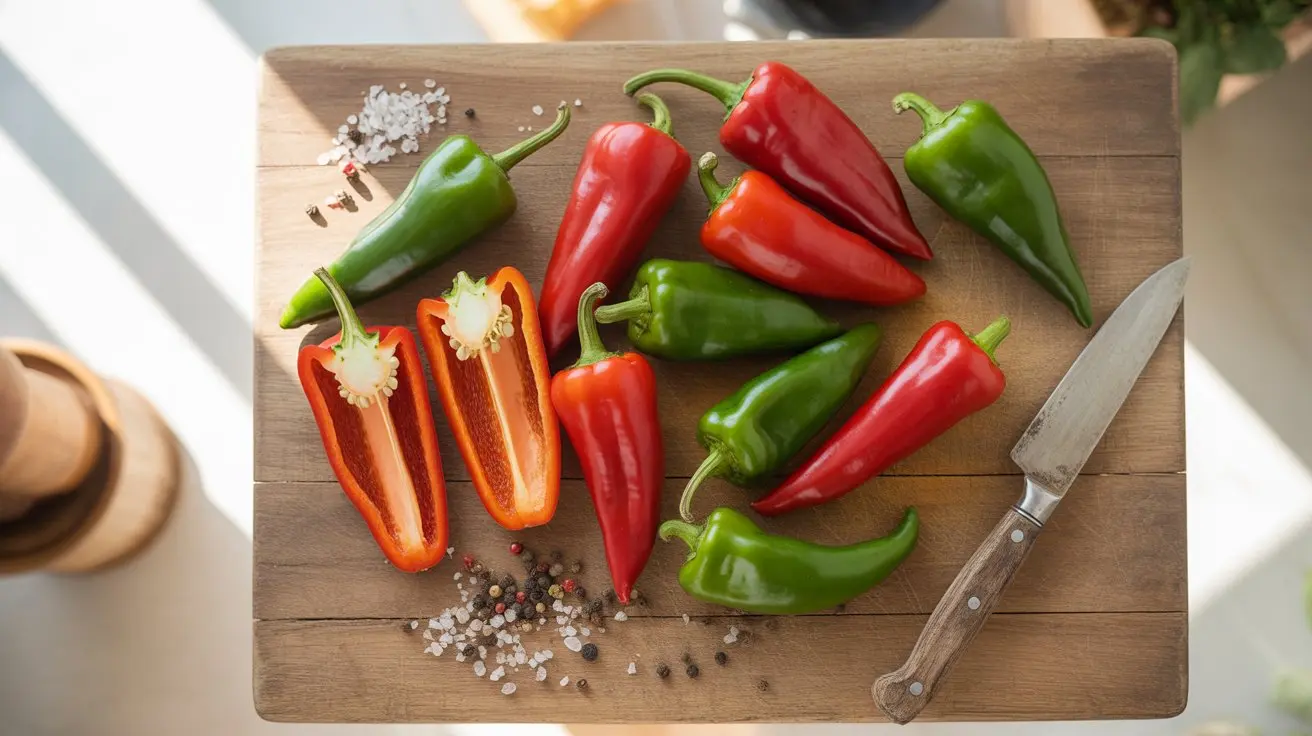
The pepper's shape is slender and elongated, tapering to a fine point. Skins are thin, which means they dry quickly and rehydrate cleanly — a practical advantage for a chili that's almost exclusively traded and cooked in its dried form. Color shifts from bright red to a deep burgundy as it dries.
Flavor sits in a different register than fruity superhots. There's no tropical sweetness here. Instead, expect a sharp, pungent heat with savory depth — closer to a concentrated spice than a fresh fruit. The heat hits fast and lingers without the delayed creep you get from the fruity, slow-building warmth of Aji Amarillo.
For anyone cooking Pakistani regional pepper traditions, the Dundicut is essentially non-negotiable. It's the backbone of dozens of spice blends, chutneys, and slow-cooked meat dishes.
History & Origin of Dundicut Pepper
The Dundicut originates from the Sindh and Punjab regions of Pakistan, where it has been cultivated for generations as a commercial and culinary staple. The name itself is tied to the Dandu region, reflecting deeply local agricultural roots.
Unlike many South Asian chilis that traveled along colonial trade routes, the Dundicut remained largely regional — prized within Pakistani and Indian cooking but slow to reach Western markets. Export interest grew through the late 20th century as South Asian diaspora communities created demand for authentic spice profiles abroad.
Today, Pakistan is a significant exporter of dried Dundicut chilis, shipping primarily to the Middle East, UK, and North America. It shares the hot pepper tier with well-traveled chilis like the smoke-forward heat of De Arbol, but its specific flavor character remains distinctively regional.
How Hot is Dundicut Pepper? Heat Level & Flavor
The Dundicut Pepper delivers 30K–65K Scoville Heat Units, placing it in the Hot tier (10K–100K SHU). That makes it roughly 13x hotter than a jalapeño.
Flavor notes: sharp and pungent.
Dundicut Pepper Nutrition Facts & Health Benefits
Like most hot chilis in the 30,000–65,000 SHU range, Dundicut is nutritionally dense relative to its small size. Dried chilis concentrate nutrients significantly — a single gram of dried Dundicut delivers meaningful amounts of vitamin C, vitamin A (as beta-carotene), and iron.
Capsaicin, the compound responsible for heat, has been studied for metabolic and anti-inflammatory effects. Understanding the heat trigger behind capsaicin's effects helps explain why high-SHU peppers like Dundicut have attracted research interest beyond culinary use. Sodium is negligible in the raw dried form.
Best Ways to Cook with Dundicut Peppers
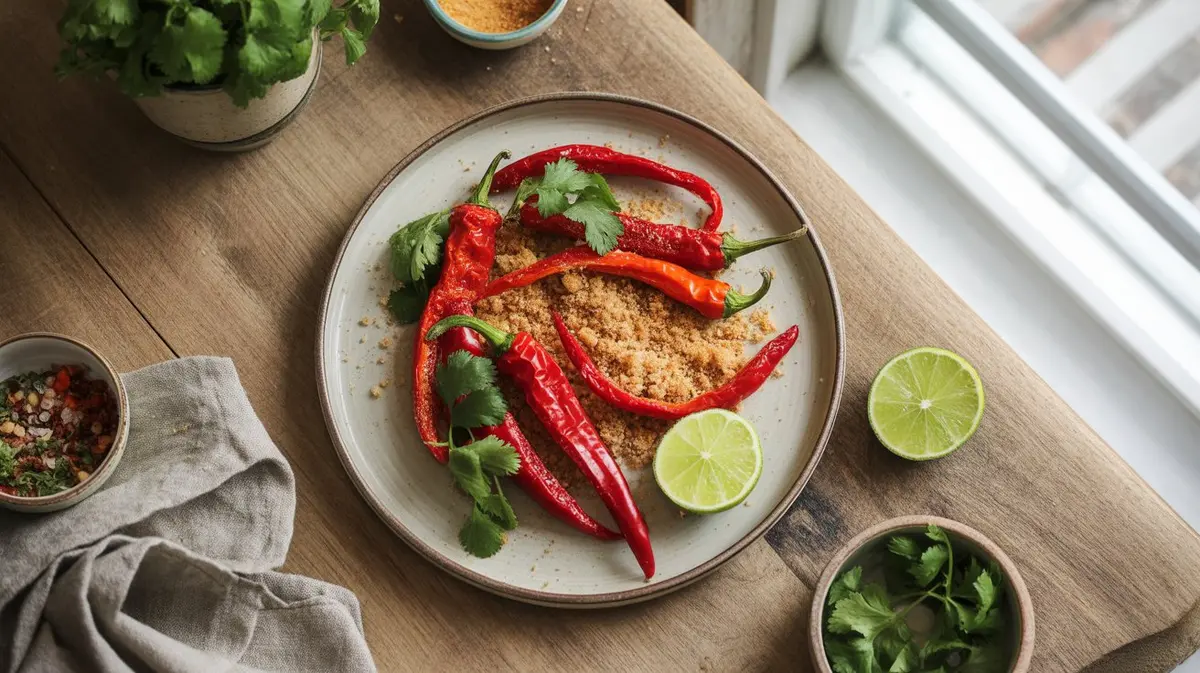
Dundicut's primary form in cooking is dried and whole or ground into powder. The thin skin makes it easy to toast in a dry pan — 30 to 60 seconds over medium heat releases the oils and deepens the flavor before grinding.
In Pakistani cooking, it anchors karahi dishes, nihari, and various spice-heavy braises. Ground Dundicut adds a sharp, pungent baseline heat that integrates differently than the bright, grassy burn of cayenne-style chilis — it's earthier and less acidic.
For chili oil, whole Dundicits infused into neutral oil produce a deeply savory result. Crack them slightly before infusing to release more capsaicin and flavor compounds. The pepper health benefits from capsaicin-rich chilis like this one are well-documented, including anti-inflammatory effects.
Substitution ratio: if a recipe calls for Dundicut powder, start with 3/4 teaspoon where 1 teaspoon of standard chili powder is used — the heat concentration is noticeably higher. It also works in homemade pepper jelly for anyone wanting a South Asian-inflected heat profile instead of the usual jalapeño base.
Where to Buy Dundicut Pepper & How to Store
Dried Dundicut chilis are available through South Asian grocery stores and online spice retailers. Look for pods with deep burgundy-red color — faded or brownish pods signal age and diminished heat.
Store whole dried pods in an airtight container away from light and heat. Properly stored, they hold potency for 12–18 months. Ground Dundicut powder degrades faster; use within 6 months for best heat and flavor.
For freshness comparison, the slender elongated pods of Tabasco-type chilis follow similar storage rules — whole always outlasts ground. Avoid refrigerating dried pods unless humidity is extreme, as moisture accelerates mold.
Best Dundicut Pepper Substitutes & Alternatives
Whether you ran out of dundicut pepper or just want to try something different, these peppers make solid stand-ins. We picked them based on heat range, flavor overlap, and how well they actually work in the same dishes.
Our top pick: Piquin Pepper (30K–60K SHU). Same species (C. annuum) and nearly the same heat, so it swaps in at a 1:1 ratio without changing the character of the dish. The flavor leans smoky and nutty, which is close enough that most people won’t notice the difference in a cooked recipe.
How to Grow Dundicut Peppers
Dundicut performs best in hot, dry climates — conditions that mirror its native Sindh region. In North American gardens, that means full sun, well-drained soil, and consistent warmth above 70°F at night before transplanting outdoors.
Start seeds indoors 10–12 weeks before last frost. Germination runs 10–21 days at soil temperatures between 80–85°F. The plants stay relatively compact — typically 24–36 inches tall — which makes them manageable in containers if your growing season is short.
Drought tolerance is moderate. Consistent moisture during fruit set matters, but waterlogged roots will stunt the plant fast. Reduce watering slightly as fruits approach maturity to concentrate flavor and heat in the pods.
For anyone working through a step-by-step pepper growing guide, Dundicut responds well to standard hot-pepper protocols. It shares some cultivation traits with wild-type small-fruited chilis in that it prefers lean soil over heavily fertilized beds — excess nitrogen pushes vegetative growth at the expense of fruit production.
Harvest when pods turn deep red. Dry them in a single layer in low humidity or use a dehydrator at 135°F for 8–10 hours.
Frequently Asked Questions
-
At 30,000–65,000 SHU, the Dundicut is roughly 13 times hotter than a typical jalapeño. Even at its lower end, it exceeds the heat of most grocery-store hot peppers by a significant margin.
-
Dundicut is considerably hotter and less fruity than Kashmiri chili, which runs only 1,000–2,000 SHU. For color with less heat, Kashmiri is the better choice; for heat with savory depth, Dundicut delivers but use a fraction of the quantity.
-
South Asian grocery stores are the most reliable source, typically stocking whole dried pods or ground powder. Several online spice retailers also carry them, often labeled as 'Pakistani red chili' or by the Dundicut name directly.
-
Dundicut is one of several Pakistani red chili varieties, but the name specifically refers to chilis grown in the Dandu region of Sindh. Other Pakistani red chilis may differ in heat level and flavor profile.
-
The flavor is sharp and pungent with an earthy, savory backbone — there's no sweetness or fruitiness to it. Heat hits quickly and lingers, making it more of a spice-forward chili than a flavor-forward one.
- Chile Pepper Institute - New Mexico State University
- Pakistan Agricultural Research Council - Spice Crops
- USDA FoodData Central - Dried Chili Peppers
- Journal of Food Science - Capsaicin in Dried Peppers
Species classification: C. annuum — based on published botanical taxonomy.