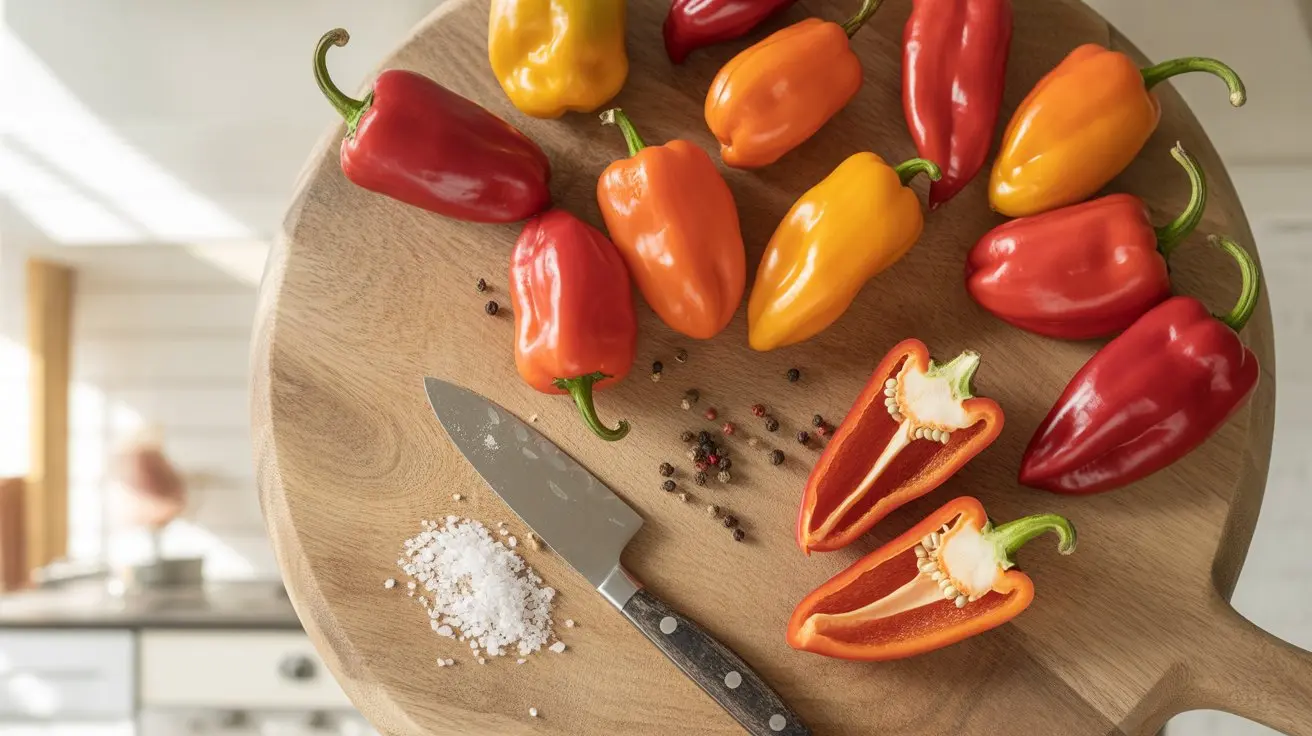
Dragon's Breath

Dragon's Breath is a British-bred super-hot clocking between 2,480,000 and 2,500,000 SHU — roughly 500 times hotter than a jalapeño and nearly 10 times the heat of a habanero. Developed in Wales and briefly considered the world's hottest pepper, it belongs to the super-hot tier of C. chinense and was originally explored for medical anesthetic applications.
- Species: C. chinense
- Heat tier: Super-Hot (1M+ SHU)
- Comparison: 500x hotter than a jalapeño
What is Dragon's Breath?
Dragon's Breath emerged from an unlikely collaboration between a Welsh farmer, Mike Smith, and Nottingham Trent University researchers. The pepper wasn't bred for competitive eating or hot sauce bragging rights — scientists were investigating whether its extreme capsaicin concentration could serve as a topical anesthetic for patients allergic to conventional numbing agents.
At 2,480,000–2,500,000 SHU, it sits among the most potent peppers ever measured. The C. chinense botanical family produces most of the world's extreme heat, and Dragon's Breath fits squarely in that lineage — small, wrinkled pods with an intense, almost chemical-grade burn.
The pepper's wrinkled skin and compact shape concentrate capsaicinoids in a way that makes even handling the fresh pods risky without gloves. Unlike some super-hots that deliver waves of fruity flavor before the heat arrives, Dragon's Breath is heat-forward from the first contact — the flavor profile is described as extremely intense with very little sweetness to buffer the capsaicin load.
For context, a standard habanero tops out around 350,000 SHU. Dragon's Breath exceeds that by nearly 7x. Understanding practical guidance on capsaicin chemistry helps explain why this pepper affects the body so differently from anything in the mild-to-medium range — the concentration simply overwhelms normal receptor responses.
History & Origin of Dragon's Breath
Dragon's Breath was developed around 2017 by Mike Smith, a farmer from St. Asaph in North Wales, working alongside researchers at Nottingham Trent University. The collaboration was funded partly by agrochemical company Senomyx and was presented at the RHS Chelsea Flower Show that year.
The pepper briefly claimed the title of world's hottest, though Guinness World Records never officially confirmed it — the Carolina Reaper's extreme fruity heat profile retained the official record at the time, and Pepper X's distinctive elongated pods later pushed the boundaries further.
What made Dragon's Breath notable beyond heat records was its origin story: a pepper bred not for culinary thrill but for potential medical use. Researchers proposed it as a capsaicin-based anesthetic that could numb skin without entering the bloodstream — a significant distinction from conventional local anesthetics.
How Hot is Dragon's Breath? Heat Level & Flavor
The Dragon's Breath delivers 2.5M–2.5M Scoville Heat Units, placing it in the Super-Hot tier (1M+ SHU). That makes it roughly 500x hotter than a jalapeño.
Flavor notes: extremely intense.
Dragon's Breath Nutrition Facts & Health Benefits
Like other super-hot C. chinense peppers, Dragon's Breath pods are extremely high in capsaicinoids — the compounds responsible for both the heat and documented anti-inflammatory, analgesic properties that initially drew researchers to the variety.
Hot peppers generally provide vitamin C, vitamin A, and B6, along with antioxidants including flavonoids. Given that Dragon's Breath is consumed only in trace amounts, its direct nutritional contribution per serving is negligible.
The medical interest in this pepper centered on topical capsaicin application rather than dietary use — concentrated capsaicin has established applications in pain management research.
Best Ways to Cook with Dragon's Breath Peppers
Dragon's Breath is not a cooking pepper in any conventional sense. At 2.48–2.5 million SHU, even a fragment of the pod would overwhelm any dish with pure, undiluted heat. Professional chefs and extreme hot sauce manufacturers occasionally use it in micro-quantities — measured in milligrams, not grams.
If you're interested in the flavor territory near this heat tier without the intensity, the Komodo Dragon's cooking versatility offers some of the same C. chinense character at a more manageable level.
For those building genuinely extreme sauces, Dragon's Breath pods are typically dried and powdered, then used as a capsaicin booster rather than a flavor ingredient. The dried chile preparation methods that work for milder varieties apply here too, though the ventilation requirements are dramatically higher — grinding Dragon's Breath powder indoors without respiratory protection is a serious mistake.
Gloves are mandatory for any fresh pod handling. Eye protection is strongly recommended. The oils transfer easily and persist on skin for hours even after washing.
Where to Buy Dragon's Breath & How to Store
Fresh Dragon's Breath pods are rarely found in retail — most supply comes through specialty pepper growers and online seed vendors. Seeds are the more accessible purchase, available from UK-based seed companies and specialty hot pepper seed suppliers.
Dried pods and powders appear occasionally through extreme hot sauce retailers. Store dried pods in an airtight container away from light and moisture; they retain potency for 12–18 months. Fresh pods should be refrigerated and used within 1–2 weeks, though freezing whole pods extends shelf life considerably without significant loss of heat.
Best Dragon's Breath Substitutes & Alternatives
Whether you ran out of dragon's breath or just want to try something different, these peppers make solid stand-ins. We picked them based on heat range, flavor overlap, and how well they actually work in the same dishes.
Our top pick: Carolina Reaper (1.4M–2.2M SHU). Both belong to C. chinense, so you get a similar fruity, aromatic base with fruity and sweet notes. It runs milder though — roughly 0.9x the heat — so use about 1.1x as much to match the kick.
How to Grow Dragon's Breath Peppers
The hardest part of growing Dragon's Breath isn't germination — it's maintaining consistent heat through a long season. These plants need 90–100+ days of warm weather after transplant, which makes them a challenge outside of USDA zones 9–11 unless you're running a greenhouse or a very long indoor start.
Germination itself requires soil temps of 80–85°F and typically takes 2–4 weeks. Start seeds indoors 10–12 weeks before last frost. The plants grow moderately compact but benefit from staking once pod load increases.
Soil drainage matters more than fertility for this variety. Like most C. chinense super-hots, Dragon's Breath stalls in waterlogged conditions. A well-draining mix with slightly acidic pH (6.0–6.5) keeps root development on track.
For growers curious about how cultivation compares to other extreme varieties, the Trinidad Moruga Scorpion's growing season requirements follow a similar timeline and offer a useful benchmark.
Full sun — 6–8 hours minimum — is non-negotiable. Pods won't develop full heat potential in partial shade. Harvest when pods shift from green to their mature red color and the skin develops its characteristic wrinkling.
Frequently Asked Questions
-
Dragon's Breath was never officially confirmed as the world record holder by Guinness World Records — the Carolina Reaper held that title at the time of its 2017 announcement. Since then, Pepper X has been measured even higher, pushing past 3 million SHU in testing.
-
Technically yes, but there is no practical culinary reason to eat a whole pod. The capsaicin concentration is high enough that ingestion could cause serious physical distress, including vomiting, throat swelling, and breathing difficulty in sensitive individuals.
-
Researchers at Nottingham Trent University bred it to explore whether extreme capsaicin concentration could function as a topical anesthetic — specifically for patients with allergies to conventional numbing agents. The medical application, not culinary use, drove the original breeding work.
-
A standard habanero measures around 100,000–350,000 SHU, making Dragon's Breath approximately 7 to 25 times hotter depending on which end of the habanero range you use. The difference isn't just degree — it's a fundamentally different category of capsaicin exposure.
-
Specialty hot pepper seed vendors in the UK and US carry them, with availability varying by season. Look for suppliers who list verified SHU testing and clear germination rates — mislabeled super-hot seeds are common in the extreme pepper market.
- Nottingham Trent University - Dragon's Breath Research Background
- RHS Chelsea Flower Show 2017 Coverage
- Chile Pepper Institute - Super-Hot Varieties
- USDA Plant Hardiness Zone Map
Species classification: C. chinense — based on published botanical taxonomy.