
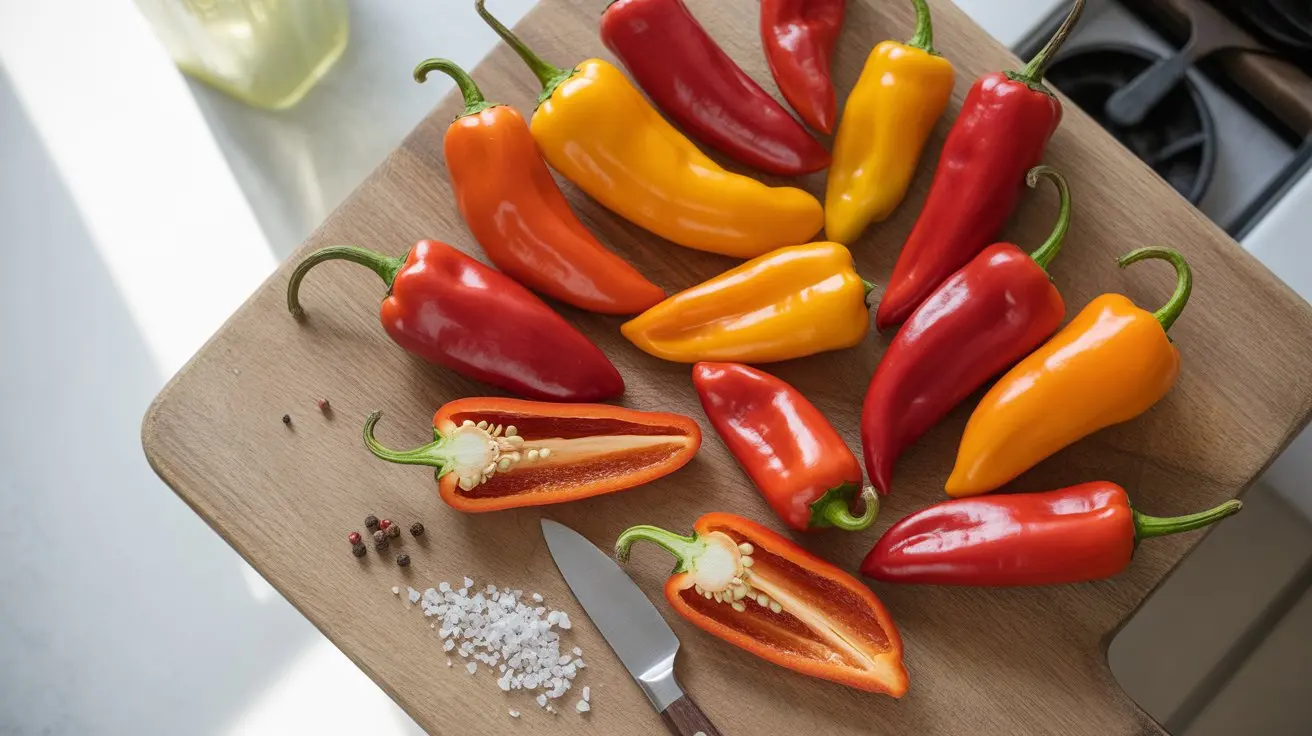
Costeño Pepper

The costeño pepper is a slender, elongated C. annuum from Mexico's Oaxacan coast, registering 2,500–5,000 SHU — roughly on par with a chipotle. Its smoky, citrus-forward flavor makes it indispensable in regional mole negro and yellow mole sauces. Dried costeños are the form you'll most commonly encounter, and they're worth tracking down for any serious Mexican cooking project.
- Species: C. annuum
- Heat tier: Medium (1K–10K SHU)
What is Costeño Pepper?
Long before it became a niche find at specialty grocers, the costeño pepper was simply what coastal Oaxacans cooked with. The name translates loosely to 'coastal one,' and this pepper has been woven into the food culture of Mexico's Pacific coast for generations.
The fresh pod is elongated and relatively thin-walled, ripening from green through orange to a deep red. Dried, it shrinks to a leathery, brick-colored pod roughly 3–4 inches long — light in weight, with a papery skin that crisps easily in a dry skillet.
At 2,500–5,000 SHU, heat sits squarely in the medium heat classification on the Scoville scale — accessible but not timid. The flavor profile is where this pepper earns its reputation: a smoky base note underpinned by bright citrus acidity, which is unusual for dried Mexican chiles. That combination is why Oaxacan cooks reach for it in mole amarillo and mole negro, where the citrus note cuts through rich, fatty sauces.
Compared to the tangy dried complexity of a guajillo, the costeño reads fruitier and slightly more acidic. It belongs to the broader C. annuum botanical family, which includes most of the world's cultivated peppers, from bell peppers to jalapeños.
History & Origin of Costeño Pepper
The costeño's roots are in the Cañada and Sierra Sur regions of Oaxaca, Mexico, where it has been cultivated for centuries as a staple of coastal indigenous cooking. Unlike many Mexican chiles that spread widely through colonial trade routes, the costeño remained largely regional — a pepper that thrived in specific microclimates and stayed close to home.
Two main variants exist: costeño rojo (red) and the rarer costeño amarillo (yellow), the latter being particularly prized in mole amarillo. The rich tradition of Mexican regional peppers produced dozens of hyper-local varieties like this one, many of which are still grown by small-scale farmers using seed stocks passed down through families.
Interest from chefs outside Oaxaca has grown steadily since the 1990s, when Diana Kennedy and Rick Bayless brought Oaxacan cuisine to broader attention in North America.
How Hot is Costeño Pepper? Heat Level & Flavor
The Costeño Pepper delivers 3K–5K Scoville Heat Units, placing it in the Medium tier (1K–10K SHU).
Flavor notes: smoky and citrus.
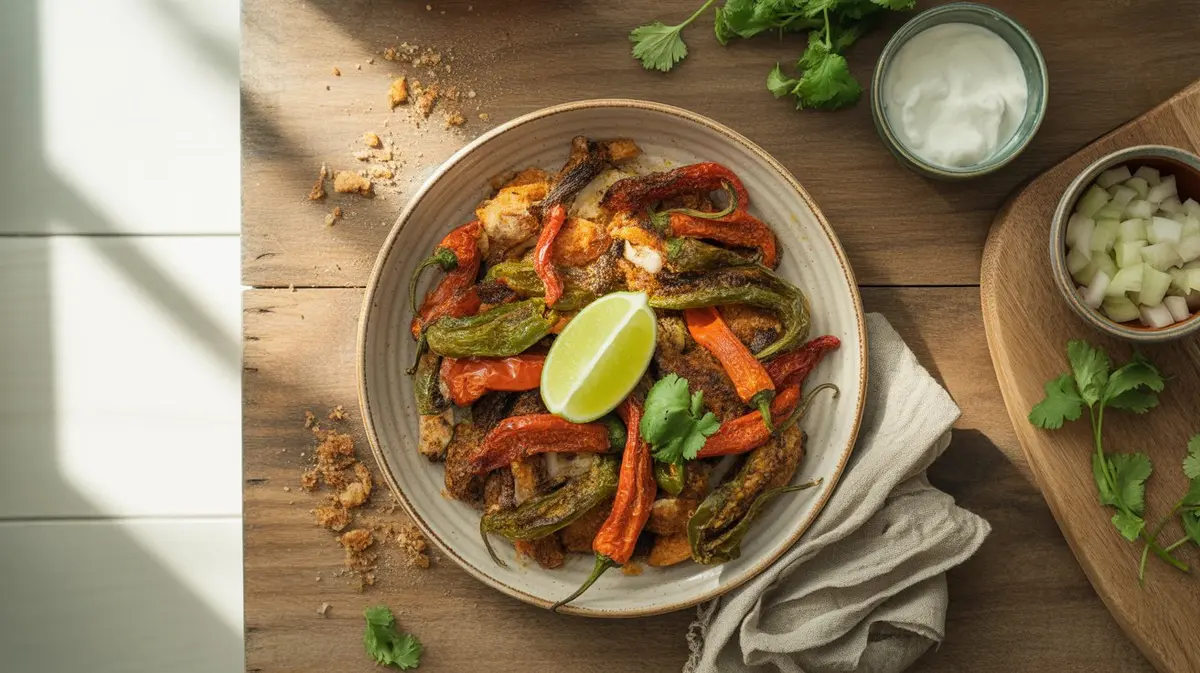
Costeño Pepper Nutrition Facts & Health Benefits
A single dried costeño pod (roughly 5 grams) delivers meaningful nutritional value despite its small size. Dried chiles concentrate vitamin C, though some degrades during drying; the antioxidant capsaicin content aligns with the pepper's 2,500–5,000 SHU range.
Dried costeños are low in calories — approximately 15–20 calories per pod — and contain trace amounts of iron, potassium, and B vitamins. The red pigment comes from carotenoids including capsanthin, which has antioxidant properties. As with most dried chiles, sodium content is negligible unless processed with added salt.
Best Ways to Cook with Costeño Peppers
Dried costeños need heat to open up. A 30-second dry toast in a cast iron skillet — pressing the pod flat, flipping once — releases the smoky, citrusy aromatics before you rehydrate in hot water for 20 minutes.
The resulting chile paste forms the backbone of mole amarillo, one of Oaxaca's seven canonical moles, where the costeño's citrus note balances earthy tomatillos and dried herbs. It also appears in tasajo marinades and black bean soups.
For anyone already comfortable working with the moderate dried heat of guajillo-style chiles, the costeño will feel familiar but brighter. The acidity means it pairs particularly well with seafood — fitting for a coastal pepper — and with chicken in adobo-style preparations.
Ground costeño can substitute for ancho in recipes where you want less sweetness and more citrus lift. It also blends well with mirasol's toasted, fruity sensory character when building complex red sauces. Start with 2–3 pods per serving of sauce; the flavor is concentrated but the heat is forgiving enough to adjust freely.
Where to Buy Costeño Pepper & How to Store
Fresh costeños rarely leave Oaxaca. What you'll find in North America is almost exclusively dried pods, available at Mexican grocery stores, Latin food markets, and online specialty retailers like MexGrocer or Rancho Gordo.
Select pods that are pliable, not brittle — brittleness signals age or improper storage. Color should be a rich brick-red to dark burgundy. Avoid bags with visible mold or excessive dust.
Store dried pods in an airtight container away from light and heat. Properly stored, they hold peak flavor for up to a year. For longer storage, vacuum-seal and freeze — flavor loss is minimal. Ground costeño powder degrades faster; use within 6 months.
Best Costeño Pepper Substitutes & Alternatives
Whether you ran out of costeño pepper or just want to try something different, these peppers make solid stand-ins. We picked them based on heat range, flavor overlap, and how well they actually work in the same dishes.
Our top pick: Mirasol Pepper (3K–5K SHU). Same species (C. annuum) and nearly the same heat, so it swaps in at a 1:1 ratio without changing the character of the dish. The flavor leans fruity and bright, which is close enough that most people won’t notice the difference in a cooked recipe.
How to Grow Costeño Peppers
Costeño plants behave like most C. annuum varieties — they want warmth, consistent moisture, and patience. Start seeds indoors 8–10 weeks before last frost, using bottom heat to maintain soil temperature around 80°F for germination.
Transplant outdoors after nighttime temps stay above 55°F. The plants reach 24–30 inches tall and produce pods that take roughly 80–90 days from transplant to red maturity. Full sun is non-negotiable; partial shade stunts both yield and flavor development.
For growers interested in the indoor starting and transplanting process for hot peppers, costeños are a reasonable intermediate-level project — not as finicky as a superhot, but they do reward attentive watering. Let soil dry slightly between waterings to concentrate flavor compounds in the pod.
Harvest when pods shift from orange to deep red and the skin begins to wrinkle slightly at the shoulders. Dry them on a rack in a warm, low-humidity space for 2–3 weeks, or use a dehydrator at 125°F until fully leathery. Compare the growth and fruiting habit of cherry-type pepper cultivation if you're planning a mixed garden — the spacing requirements differ significantly.
Frequently Asked Questions
-
The flavor is distinctly smoky with a bright citrus note — more acidic and fruity than most dried Mexican chiles. That combination makes it stand out in mole sauces where the citrus lifts heavier, earthier ingredients.
-
The costeño sits at 2,500–5,000 SHU, which puts it in the same heat range as a chipotle (2,500–8,000 SHU). Both are moderate, but the costeño's citrus flavor makes the heat feel slightly brighter rather than smoky-sweet.
-
Yes — the heat levels are nearly identical, but expect a more acidic, citrusy result with costeño versus guajillo's berry-like sweetness. Use a 1:1 swap and adjust other acid components (tomato, vinegar) accordingly.
-
Mexican grocery stores in cities with large Latin American communities are your best bet; look for them labeled costeño rojo. Online retailers like Rancho Gordo and MexGrocer also carry them regularly.
-
Costeño amarillo is a yellow-ripening variant used specifically in Oaxaca's mole amarillo — it has a slightly milder, more floral flavor than the red version. It's significantly rarer outside of Oaxaca and harder to source in North America.
- Kennedy, Diana. The Art of Mexican Cooking. Clarkson Potter, 2008.
- Chile Pepper Institute, New Mexico State University — Chile Types and Uses
- Bayless, Rick. Mexico One Plate at a Time. Scribner, 2000.
- USDA FoodData Central — Peppers, dried
Species classification: C. annuum — based on published botanical taxonomy.
