
Chocolate Scotch Bonnet

The chocolate scotch bonnet is a dark, bonnet-shaped Capsicum chinense from the Caribbean, registering 100,000-350,000 SHU - roughly 70x hotter than a jalapeño. Its defining trait is a smoky depth layered beneath the fruity sweetness typical of the scotch bonnet family, making it one of the more culinarily interesting peppers in the extra-hot tier.
- Species: Capsicum chinense
- Heat tier: Extra-Hot (100K–1M SHU)
- Comparison: 70x hotter than a jalapeño
What is Chocolate Scotch Bonnet?
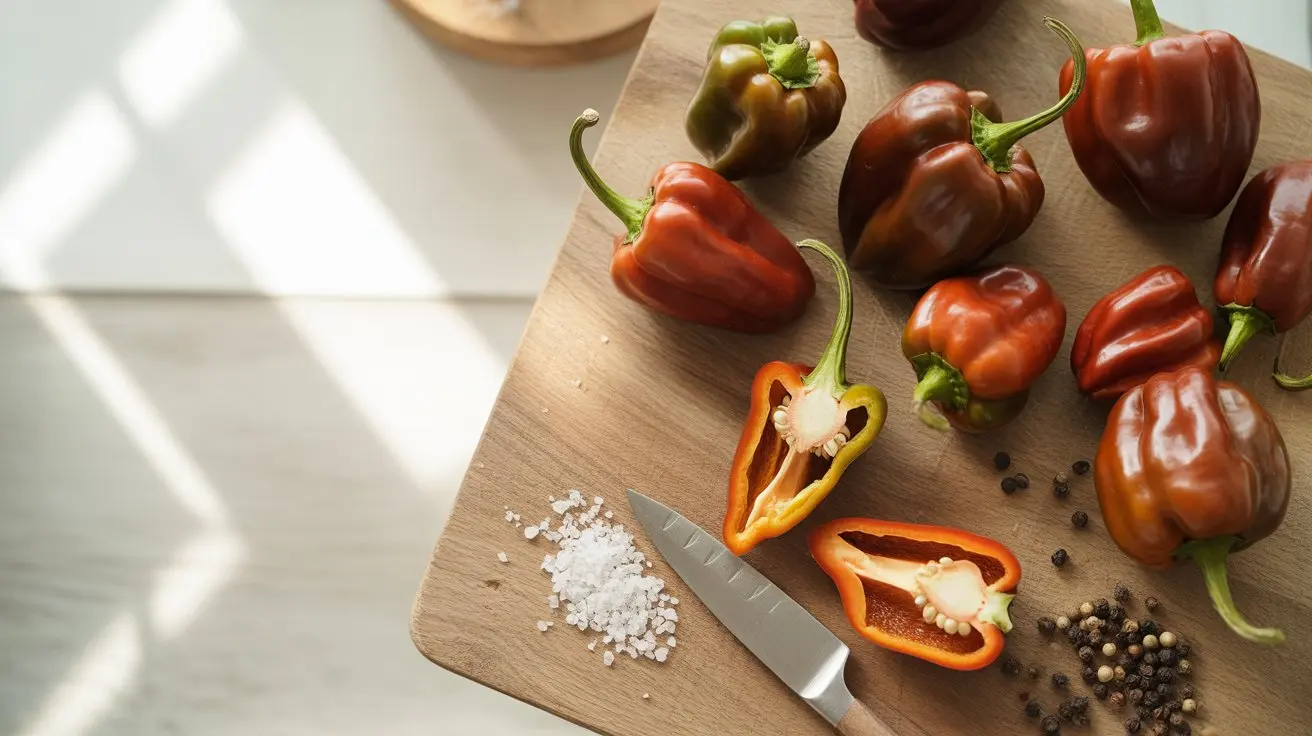
Pull apart a ripe chocolate scotch bonnet and the aroma hits before the heat does - dark fruit, a faint earthiness, and something almost tobacco-like that sets it apart from its orange and red cousins.
The pepper belongs to Capsicum chinense, the same species behind some of the hottest and most flavorful peppers on the planet. Its characteristic flattened, bonnet-like shape and wrinkled skin develop a deep chocolate-brown color at full maturity, which is where the name originates.
At 100,000-350,000 SHU, the heat range overlaps with the fiery fruity profile of the classic orange bonnet and sits in the same bracket as the intense citrus-forward burn of habanero-type peppers. But the chocolate variant carries a smokiness those peppers lack - a quality that makes it genuinely more interesting in slow-cooked applications.
The fruity character is still present and prominent. Think dark plum and tamarind rather than the brighter tropical notes of the standard scotch bonnet. That combination of smoke, dark fruit, and serious heat makes it a standout for cooks who want complexity without reaching for a separate smoked pepper.
Sizes typically run 1-2 inches across, and the walls are thin enough that the pepper dries well, concentrating all that flavor into powder or flakes.
History & Origin of Chocolate Scotch Bonnet
Scotch bonnets have been central to Caribbean cooking for centuries, cultivated across Jamaica, Trinidad, Barbados, and the surrounding islands long before colonial contact. The chocolate color variant emerged through natural selection and deliberate cultivation within those same growing traditions.
The brown pigmentation in Capsicum chinense fruits comes from anthocyanins and altered carotenoid expression - a trait that appears across several Caribbean landraces. The deep smoky richness found in Panama's traditional pepper shares some of this genetic background.
The chocolate scotch bonnet never achieved the commercial visibility of the orange variety, which became the dominant export type. It remained largely a specialty and home-garden pepper, traded among growers and preserved through seed-saving rather than industrial production. That relative obscurity kept it out of mainstream markets until the specialty pepper boom of the 2010s brought renewed interest in heirloom Capsicum chinense varieties.
How Hot is Chocolate Scotch Bonnet? Heat Level & Flavor
The Chocolate Scotch Bonnet delivers 100K–350K Scoville Heat Units, placing it in the Extra-Hot tier (100K–1M SHU). That makes it roughly 70x hotter than a jalapeño.
Flavor notes: smoky and fruity.
Chocolate Scotch Bonnet Nutrition Facts & Health Benefits
Like other Capsicum chinense peppers, the chocolate scotch bonnet delivers meaningful nutritional value alongside its heat. A single pepper provides a significant portion of the daily recommended vitamin C - often exceeding what you'd get from an orange, gram for gram.
Capsaicin, the compound responsible for the heat, has been studied for its anti-inflammatory and metabolism-boosting properties. The peppers also contain vitamin A, vitamin B6, and potassium.
Calorie count is negligible - a fresh pepper runs roughly 5-10 calories. The chemistry behind how capsaicin triggers the burning sensation explains why the heat feels so different from spicy foods that use non-capsaicinoid compounds.
Best Ways to Cook with Chocolate Scotch Bonnet Peppers
The smoky-fruity combination is what drives most cooking decisions with this pepper. It performs exceptionally in applications where heat has time to mellow and flavor has room to develop - jerk marinades, slow-braised stews, and fermented hot sauces all benefit from the dark fruit notes and that underlying earthiness.
For jerk seasoning specifically, the chocolate scotch bonnet is arguably the more interesting choice over the standard orange type. The smokiness complements allspice and thyme without requiring liquid smoke or other additives.
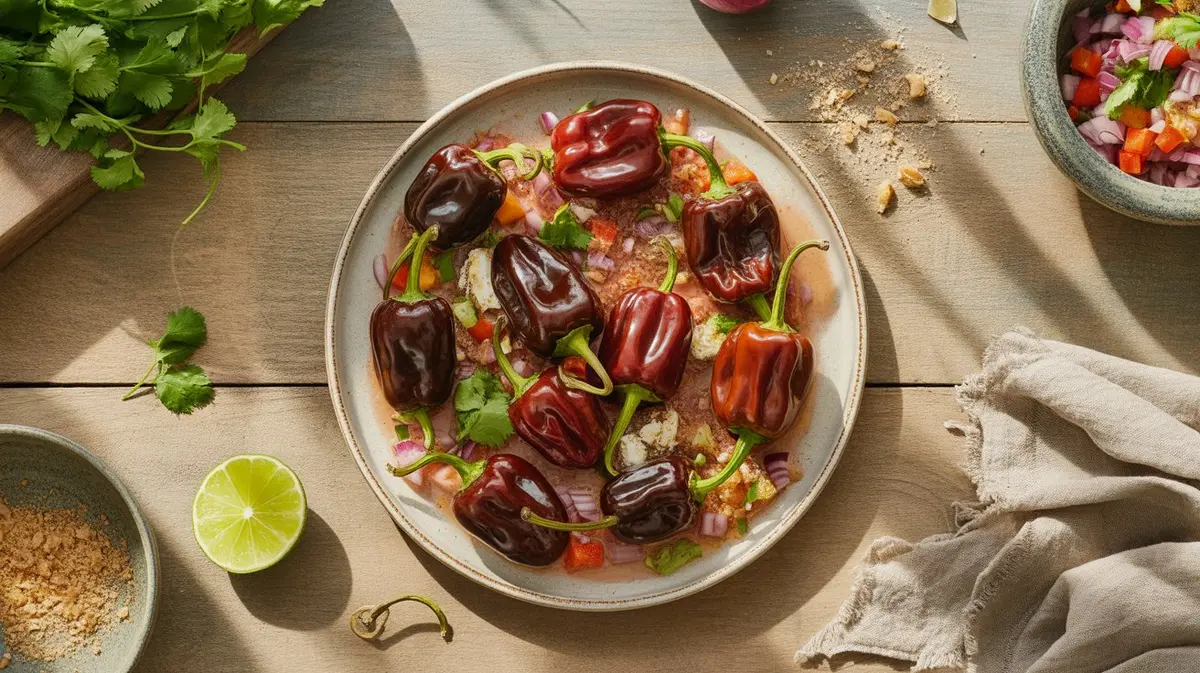
Raw applications work too, but the heat is more confrontational without cooking time to tame it. Finely minced into a fresh salsa or escovitch sauce, even a small amount carries serious weight.
The floral Caribbean heat found in Surinamese cooking peppers offers a useful contrast - that pepper leans sweeter and brighter, while the chocolate scotch bonnet pulls darker and smokier. Both sit in the same heat bracket, so substituting one for the other is a flavor swap more than a heat adjustment.
Pair it with mango, pineapple, or dark rum-based sauces where the fruit notes can amplify each other. Coconut milk tempers the burn while letting the smoky character come through. Chocolate and coffee rubs for grilled meat are a natural fit - this pepper belongs in that flavor space.
Where to Buy Chocolate Scotch Bonnet & How to Store
Fresh chocolate scotch bonnets are rare outside Caribbean specialty markets and farmers' markets in growing regions. Online retailers and specialty pepper vendors are the most reliable source for both fresh fruit and seeds.
Check that the skin is firm and unwrinkled - soft spots indicate age. The color should be a deep, even brown at full ripeness, not mottled or greenish.
Fresh peppers keep 1-2 weeks refrigerated in a paper bag or loosely wrapped. For longer storage, freeze whole without blanching - they hold flavor well and go directly from freezer to pot. Dried and powdered, they last 6-12 months in an airtight container away from light.
Best Chocolate Scotch Bonnet Substitutes & Alternatives
Whether you ran out of chocolate scotch bonnet or just want to try something different, these peppers make solid stand-ins. We picked them based on heat range, flavor overlap, and how well they actually work in the same dishes.
Our top pick: Habanero (100K–350K SHU). The heat level is close enough for a direct swap in salsas, sauces, and stir-fries. Flavor leans fruity and citrusy, so the taste will shift a bit — but the overall heat stays in the same range.
How to Grow Chocolate Scotch Bonnet Peppers
Like most Capsicum chinense varieties, the chocolate scotch bonnet needs a long season - 90-120 days from transplant to full maturity. Starting seeds indoors 10-12 weeks before the last frost gives the plants enough runway.
Germination is slow at low temperatures. Soil temperature of 80-85°F significantly improves strike rate; a heat mat under the seed tray is worth using. If you want a broader reference on seed-starting timing and technique, the full guide to starting peppers from seed covers the fundamentals well.
Plants grow to 2-3 feet in containers and slightly taller in ground beds with good drainage. They're heavy feeders once fruiting begins - a phosphorus-heavy fertilizer at transplant and a potassium boost during fruit set helps production. The technique for hand-pollinating pepper flowers is worth learning if you're growing in a low-pollinator environment or want to save seeds true-to-type.
The tricky cultivation quirks of ivory-fruited habanero relatives apply here too - Capsicum chinense generally needs consistent moisture and dislikes temperature swings during fruit set. Mulch heavily to regulate soil temperature and reduce water stress. Fruits take several weeks to transition from green through tan to full chocolate brown.
Frequently Asked Questions
-
Both share the same 100,000-350,000 SHU range, so the heat level is comparable - the heat characteristics of the standard orange bonnet and the chocolate variant overlap significantly. The real difference is flavor: the chocolate type carries a smokier, darker fruit profile rather than the brighter tropical sweetness of the orange.
-
The flavor combines dark fruit notes - think plum and tamarind - with a distinctive smokiness that most other scotch bonnet variants lack. That smoky quality, layered beneath serious heat, is what separates it from the bright citrus-forward burn of other extra-hot chinense peppers.
-
Yes, the heat levels are equivalent so the swap works on that front. Keep in mind the chocolate variety will shift the flavor profile darker and smokier, which is an improvement in slow-cooked dishes but may alter the character of fresh preparations like raw salsas.
-
Fresh peppers appear occasionally at Caribbean specialty grocers and farmers' markets, but seeds are more consistently available through specialty seed companies like Baker Creek or Pepper Joe's. The deep smoky notes of the Jamaican brown pepper variety is a closely related type you may also encounter from the same vendors.
-
It's excellent for hot sauce, particularly fermented styles where the smoky-fruity complexity has time to develop. The dark fruity depth found in similar brown-fruited chinense types works in comparable ways - both reward slow fermentation over quick vinegar-based processing.
- Chile Pepper Institute - Capsicum chinense Species Overview
- USDA Agricultural Research Service - Capsicum Diversity
- Bosland, P.W. & Votava, E.J. - Peppers: Vegetable and Spice Capsicums
Species classification: Capsicum chinense — based on published botanical taxonomy.