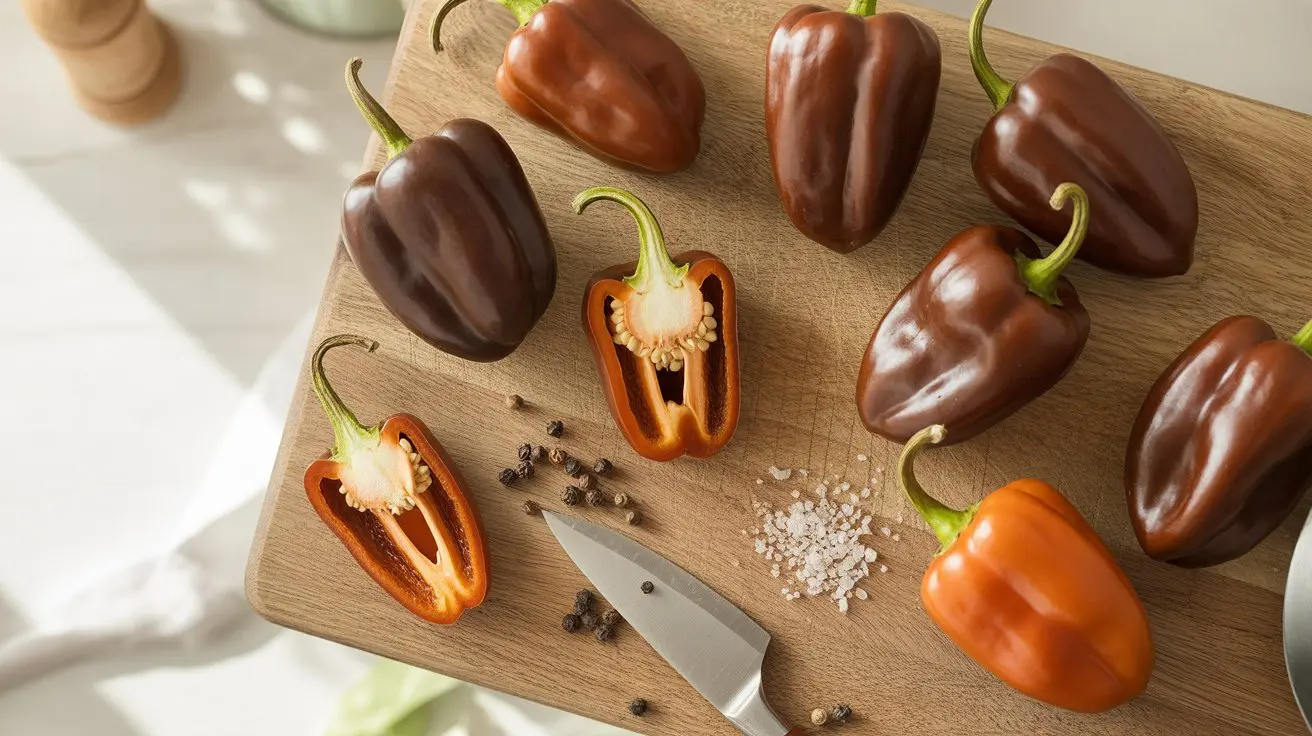
Chocolate Habanero

The chocolate habanero delivers a slow-building, smoky burn that eventually settles somewhere between 300,000 and 425,000 SHU — roughly 85 times hotter than a jalapeño. Its dark mahogany pods carry genuine fruity depth beneath the fire, making it a favorite for hot sauces and Caribbean-style cooking. Gardeners prize it for heavy yields and ornamental appeal.
- Species: C. chinense
- Heat tier: Extra-Hot (100K–1M SHU)
- Comparison: 85x hotter than a jalapeño
What is Chocolate Habanero?
Pull a ripe chocolate habanero off the vine and you notice the color first — deep mahogany, almost brown-black, nothing like the orange or red you'd expect from a habanero. Bite in, and the heat arrives in waves rather than all at once: a fruity sweetness upfront, then a smoky, earthy undercurrent, then the full 300,000–425,000 SHU wall of capsaicin hitting the back of your throat.
This is a C. chinense species pepper through and through — the same botanical family that gave us the round, wrinkled shape of the Scotch Bonnet and the bright orange heat of the standard habanero. The chocolate variety's darker pigmentation comes from anthocyanins that develop during ripening, and those same compounds contribute to its distinctive smoky flavor note that separates it from its orange relatives.
At full maturity, pods reach 1–2 inches in length with the classic lantern shape. Plants grow 2–4 feet tall under good conditions and produce prolifically from midsummer through first frost. The combination of striking pod color, manageable plant size, and serious heat has made this one of the more sought-after habanero variants among home growers and professional hot sauce producers alike.
History & Origin of Chocolate Habanero
The chocolate habanero traces its roots to the Caribbean, where C. chinense peppers have been cultivated for centuries. While the exact origin story is murky — most accounts point to Jamaica or the broader Caribbean basin — the variety gained wider recognition in the late 20th century as specialty pepper growing expanded in North America and Europe.
The Caribbean pepper tradition has long favored intensely hot, fruity varieties, and the chocolate habanero fits squarely within that lineage. Its dark coloration is a naturally occurring trait rather than a hybrid development, making it a true heirloom type. Seed savers and small-batch growers helped preserve and spread the variety before it appeared in mainstream seed catalogs during the 1990s and 2000s. Today it is widely available and has become a benchmark variety in the extra-hot heat category.
How Hot is Chocolate Habanero? Heat Level & Flavor
The Chocolate Habanero delivers 300K–425K Scoville Heat Units, placing it in the Extra-Hot tier (100K–1M SHU). That makes it roughly 85x hotter than a jalapeño.
Flavor notes: smoky and fruity.
Chocolate Habanero Nutrition Facts & Health Benefits
Like other C. chinense varieties, chocolate habaneros are nutritionally dense relative to their small size. A single pod provides a meaningful dose of vitamin C — often exceeding the daily recommended intake — along with vitamin A, potassium, and dietary fiber.
The compound responsible for the heat, capsaicin, has been studied for its potential anti-inflammatory properties and its role in metabolic function. Research from institutions including the [Chile Pepper Institute at NMSU](https://cpi.nmsu.edu/) has documented capsaicin's interaction with pain receptors. Anthocyanins in the dark skin also function as antioxidants. Calorie count per pod is negligible — roughly 5–8 calories for a fresh 1-inch pod.
Best Ways to Cook with Chocolate Habanero Peppers
The smoky-fruity flavor profile makes the chocolate habanero genuinely well-suited for an extra-hot pepper. Unlike purely fiery varieties where heat dominates everything else, this one brings enough flavor complexity to justify using it as an ingredient rather than just a heat source.
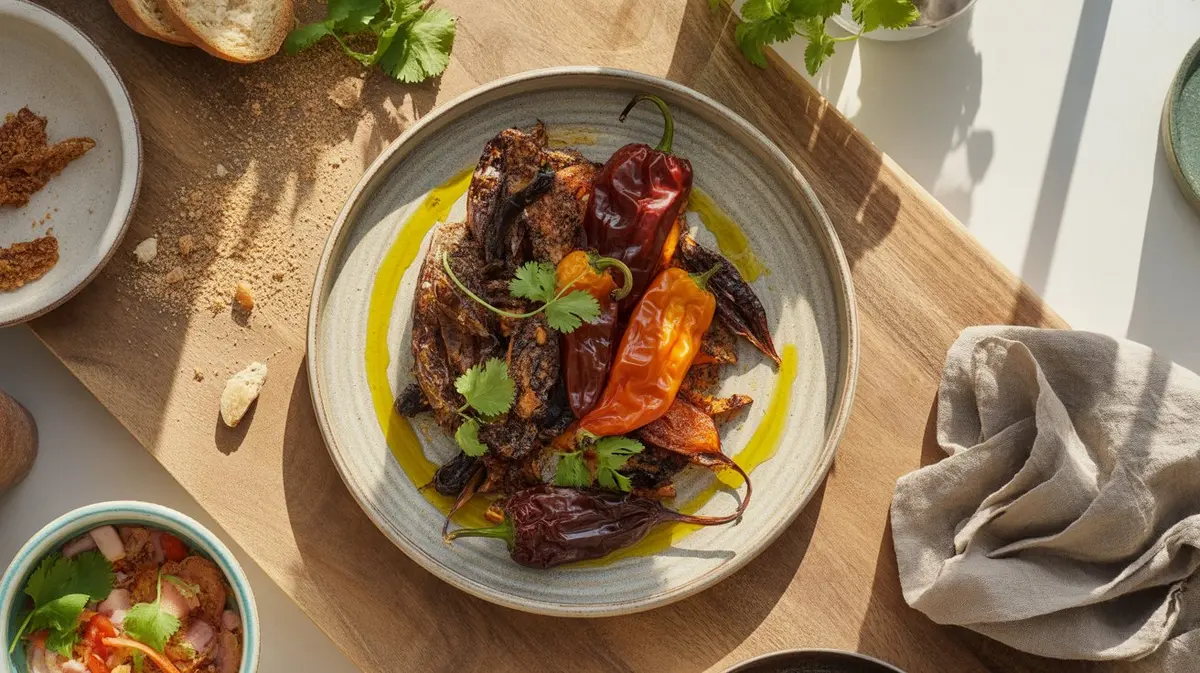
Hot sauce is the obvious application — the smokiness pairs well with roasted tomatoes, mango, or tamarind. A small batch blended with the Caribbean-rooted intensity of the aji chombo and citrus produces a sauce with real layered depth. For cooking, dried and ground chocolate habanero adds a smoky heat to dry rubs and marinades without needing actual smoke.
The flexible cooking applications of similar lantern-shaped peppers translate well here: roasting mellows the raw edge and amplifies the fruity notes. Pickling is another strong option — the acidity cuts the heat slightly while preserving the pepper's character.
Quantity matters. One medium pod is enough to season a pot of chili for four people. Two pods in a salsa batch will produce something that requires warning labels. Wear gloves when processing — the oils are persistent and will transfer to anything you touch for hours afterward.
Where to Buy Chocolate Habanero & How to Store
Fresh chocolate habaneros appear at farmers markets and specialty grocers in late summer and fall. Look for pods with deep, uniform mahogany color and firm, unwrinkled skin — any softness indicates age.
Refrigerate fresh pods in a paper bag or breathable container for up to 2 weeks. For longer storage, freeze whole pods without blanching; they hold heat and flavor well for 6–12 months and can go directly from freezer to pot.
Dried chocolate habaneros store even longer — 1–2 years in an airtight container away from light. Whole dried pods rehydrate well in warm water for sauces. Ground powder should be used within 6 months before the smoky aromatics fade.
Best Chocolate Habanero Substitutes & Alternatives
Whether you ran out of chocolate habanero or just want to try something different, these peppers make solid stand-ins. We picked them based on heat range, flavor overlap, and how well they actually work in the same dishes.
Our top pick: Fatalii (125K–400K SHU). Same species (C. chinense) and nearly the same heat, so it swaps in at a 1:1 ratio without changing the character of the dish. The flavor leans citrusy and fruity, which is close enough that most people won’t notice the difference in a cooked recipe.
How to Grow Chocolate Habanero Peppers
Chocolate habaneros reward patient gardeners. Start seeds indoors 10–12 weeks before your last frost date — this variety needs a long growing season to reach peak production, and rushing it shortens your harvest window significantly.
Soil temperature for germination should stay between 80–90°F. A heat mat under your seed trays is not optional here; germination rates drop sharply below 75°F. Expect 14–21 days to germination under good conditions.
Once seedlings are established, proper pepper plant spacing makes a real difference in yield — give each plant at least 18–24 inches in all directions. Crowded plants compete for light and airflow, which invites fungal problems and reduces fruit set.
Transplant outdoors only after nighttime temperatures stay consistently above 55°F. These are tropical plants and cold soil stresses them hard. Full sun — 6–8 hours minimum — is non-negotiable for good fruit production.
Mid-season pruning of pepper plants encourages branching and can significantly increase pod count on established plants. Remove the first few flower buds that appear to redirect energy into plant structure before fruit set begins.
In containers, a 5-gallon pot minimum per plant keeps roots from getting bound. Consistent watering matters more than volume — irregular moisture leads to blossom drop. Pods turn from green to full chocolate brown at maturity, typically 90–100 days from transplant.
Frequently Asked Questions
-
A chocolate habanero ranges from 300,000 to 425,000 SHU, while bird's eye chilies typically top out around 100,000 SHU — making the chocolate habanero roughly 3–4 times hotter. The burn also lasts longer and builds more slowly than the sharp, immediate heat of a bird's eye.
-
Not exactly — the name refers to the pod's dark mahogany color at maturity, not a cocoa flavor. That said, the smoky, earthy undertones in the flavor profile do read as vaguely chocolatey to some tasters alongside the dominant fruity notes.
-
Yes, and they do well in pots as long as you use a 5-gallon container minimum per plant and maintain consistent watering. Container plants may produce slightly fewer pods than in-ground plants but are otherwise fully productive given adequate sun and warmth.
-
Beyond the obvious color difference, the chocolate variety tends to have a smokier, earthier flavor compared to the brighter, more citrusy profile of standard orange habaneros. Heat levels overlap significantly, though chocolate habaneros can reach slightly higher on the Scoville scale.
-
Pods are fully ripe when they reach a deep, uniform mahogany brown with no green patches remaining. Ripe pods will also release easily from the stem with gentle pressure — if you're pulling hard, give them another few days.
- Chile Pepper Institute — New Mexico State University
- Capsicum annuum and C. chinense Cultivar Guide — Johnny's Selected Seeds
- USDA FoodData Central — Hot Peppers, Raw
- Baker Creek Heirloom Seeds — Chocolate Habanero
Species classification: C. chinense — based on published botanical taxonomy.