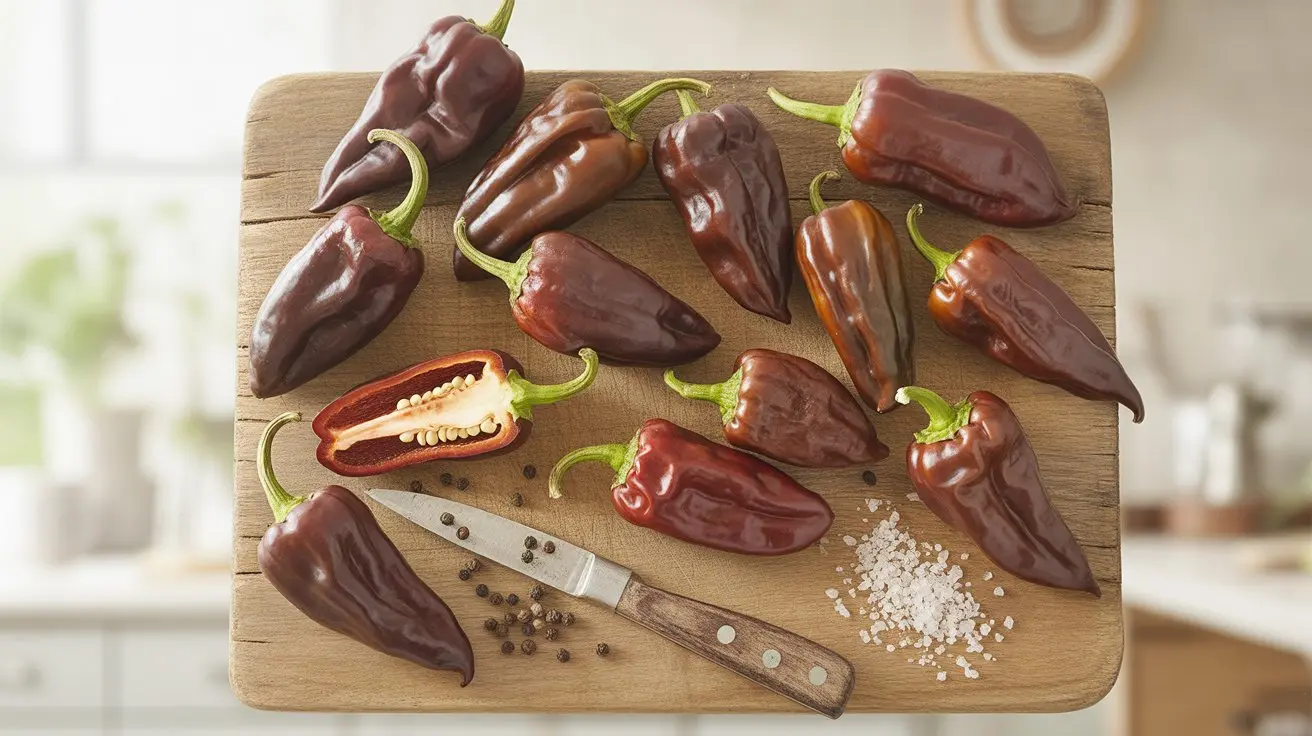
Chocolate Bhutlah

The Chocolate Bhutlah registers 1,500,000-2,000,000 SHU — a cross between the Bhut Jolokia and 7 Pot Douglah that delivers scorching heat wrapped in a deep, smoky flavor profile. Roughly 400 times hotter than a jalapeño, this wrinkled, dark-brown pod sits firmly in the super-hot tier and demands serious respect in the kitchen.
- Species: C. chinense
- Heat tier: Super-Hot (1M+ SHU)
- Comparison: 400x hotter than a jalapeño
What is Chocolate Bhutlah?
Before the numbers even come up, the Chocolate Bhutlah announces itself through smell — a dark, almost tobacco-like smokiness that sets it apart from the sharp, fruity blast you get from something like the Reaper's intense culinary heat. The flavor has genuine depth: chocolate, earth, and a slow-building burn that doesn't peak for a full minute after contact.
Botanically, this is a C. chinense variety — the same species responsible for most of the world's most extreme peppers. The pods grow wrinkled and lumpy, turning from green to a deep chocolate brown at full maturity, typically reaching 2-3 inches in length.
At 1,500,000-2,000,000 SHU, the Bhutlah sits comfortably above a ghost pepper (roughly 1,000,000 SHU), making it about twice as hot by comparison. The heat is total-body: throat, chest, and a lingering warmth that can last 20-30 minutes.
This pepper originated in the USA as a deliberate hybrid — breeders wanted the Douglah's famous chocolate flavor combined with the Bhut Jolokia's structural intensity. The result is a pod that serious hot sauce makers and extract producers treat as a prized ingredient, not a novelty. Handled correctly, the smoky depth actually contributes something meaningful to a finished product.
History & Origin of Chocolate Bhutlah
The Chocolate Bhutlah emerged from American superhot breeding circles in the early 2010s, created by crossing the Bhut Jolokia (ghost pepper) with the deep chocolatey burn of the 7 Pot Douglah. The goal was specific: combine the Douglah's dark, complex flavor with the ghost pepper's structural ferocity.
This kind of deliberate hybridization became common as the American pepper-growing tradition shifted from preservation to innovation. Breeders began treating superhots as raw material for new varieties rather than endpoints.
The Bhutlah gained traction quickly in hot sauce and competition communities, where its extreme output and distinctive flavor made it a standout. It belongs to the same breeding era that produced several record-chasing varieties — though unlike some, the Bhutlah earned its reputation on flavor as much as raw heat.
How Hot is Chocolate Bhutlah? Heat Level & Flavor
The Chocolate Bhutlah delivers 1.5M–2M Scoville Heat Units, placing it in the Super-Hot tier (1M+ SHU). That makes it roughly 400x hotter than a jalapeño.
Flavor notes: smoky and intense.
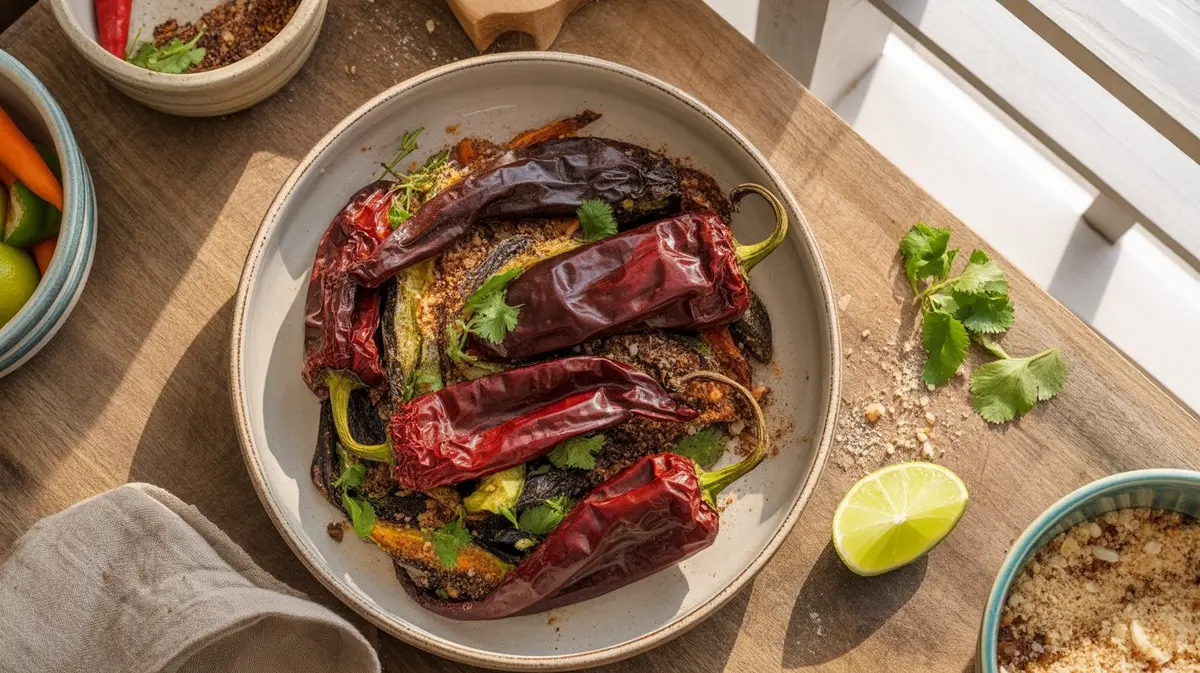
Chocolate Bhutlah Nutrition Facts & Health Benefits
Like most superhots, the Chocolate Bhutlah delivers vitamin C in meaningful quantities — fresh hot peppers can contain more per gram than citrus fruit. Capsaicin, the compound responsible for the heat, has been studied for potential anti-inflammatory and metabolic effects, though the quantities consumed in cooking are modest.
The pods also provide vitamin A (from beta-carotene in the dark flesh), small amounts of potassium, and dietary fiber. Calorie content is negligible — roughly 5-10 calories per pod. The dark chocolate-brown pigmentation suggests higher concentrations of flavonoid compounds compared to red-fruited varieties.
Best Ways to Cook with Chocolate Bhutlah Peppers
Working with the Chocolate Bhutlah requires restraint — a single pod can carry enough capsaicin to dominate a full pot of sauce. Gloves are non-negotiable, and good ventilation matters when you're cutting into them.
The smoky, earthy flavor profile makes this pepper genuinely useful in dark hot sauces, chocolate-based mole-style preparations, and dry rubs for smoked meats. The depth pairs well with ingredients that can hold their own: dark chocolate, roasted garlic, smoked paprika, black beans, and aged vinegars.
For hot sauce production, a ratio of one pod per quart of sauce base is a reasonable starting point for experienced makers. The flavor contribution is real — unlike some extreme peppers that taste like pure heat and nothing else, the Bhutlah adds something worth keeping.
Dried and powdered, it works as a finishing spice for chili, barbecue rubs, or compound butters. Start with 1/8 teaspoon in a dish serving four people and adjust from there.
Those curious about the scorching fruity heat of similar super-hots will find the Bhutlah distinctly earthier — less fruit-forward, more brooding. It's a different kind of extreme.
Where to Buy Chocolate Bhutlah & How to Store
Fresh Chocolate Bhutlah pods appear occasionally at farmers markets and specialty grocers, but dried pods and powder are far more common online. Reputable superhot seed suppliers including [Baker Creek](https://www.rareseeds.com) and specialty hot pepper vendors carry both seeds and dried product.
Store fresh pods in the refrigerator for up to 2 weeks in a paper bag. Dried pods keep for 12-18 months in an airtight container away from light and heat. Powder should be stored the same way and used within 6-12 months for best flavor intensity. Freeze fresh pods for longer-term storage — they hold up well and retain most of their heat.
Best Chocolate Bhutlah Substitutes & Alternatives
Whether you ran out of chocolate bhutlah or just want to try something different, these peppers make solid stand-ins. We picked them based on heat range, flavor overlap, and how well they actually work in the same dishes.
Our top pick: Trinidad Moruga Scorpion (1.2M–2M SHU). Same species (C. chinense) and nearly the same heat, so it swaps in at a 1:1 ratio without changing the character of the dish. The flavor leans fruity and floral, which is close enough that most people won’t notice the difference in a cooked recipe.
How to Grow Chocolate Bhutlah Peppers
The Chocolate Bhutlah grows like most extreme C. chinense varieties — slowly, demandingly, and with significant reward for patient gardeners. Start seeds 10-12 weeks before last frost indoors; germination at soil temperatures of 80-85°F typically takes 14-21 days.
Transplant outdoors only after nighttime temperatures stay consistently above 60°F. These plants need full sun — 8+ hours daily — and warm soil to perform. Container growing in 5-gallon or larger pots works well in cooler climates, since you can move them to maximize heat exposure.
Feed with a balanced fertilizer through vegetative growth, then shift to a lower-nitrogen, higher-phosphorus formula once flowers appear. Inconsistent watering causes blossom drop, which is the most common frustration with this variety.
For guidance on pepper pests and diseases, aphids and spider mites are the primary threats — both manageable with neem oil applied early. Days to maturity run 120-150 days from transplant, so plan accordingly in short-season climates.
If you want to save seed stock, check the pepper seed saving guide — isolation from other chinense varieties is important to maintain true Bhutlah characteristics. The plants can reach 3-4 feet tall in ideal conditions.
Frequently Asked Questions
-
The Chocolate Bhutlah measures 1,500,000-2,000,000 SHU, putting it roughly twice as hot as a ghost pepper at its upper range. The burn is slower to peak but longer-lasting, with full intensity typically arriving 60-90 seconds after contact.
-
The flavor is distinctly smoky and earthy with dark chocolate undertones — noticeably different from the fruity brightness of many other superhots. The heat builds gradually rather than hitting immediately, which gives the flavor a brief window to register before the capsaicin takes over.
-
It's genuinely useful in dark hot sauces, mole-inspired preparations, and smoked meat rubs where the earthy depth adds something beyond raw heat. One pod per quart of sauce base is a reasonable starting point — the flavor contribution is real enough to justify the handling effort.
-
Expect 120-150 days from transplant to ripe pods, which means starting seeds indoors 10-12 weeks before last frost is essential in most climates. The plants are slow but productive once they hit their stride in warm summer conditions.
-
Their ranges overlap significantly — the Bhutlah tops out around 2,000,000 SHU while the Reaper reaches 2,200,000 SHU at its upper limit. In practice, individual pod variation means either could test hotter on a given day, and both sit in the same extreme tier of heat.
- Chile Pepper Institute - Superhot Varieties Overview
- USDA Plant Hardiness Zone Map
- Baker Creek Heirloom Seeds - Hot Pepper Catalog
- PubMed - Capsaicin and Metabolic Effects Research
Species classification: C. chinense — based on published botanical taxonomy.