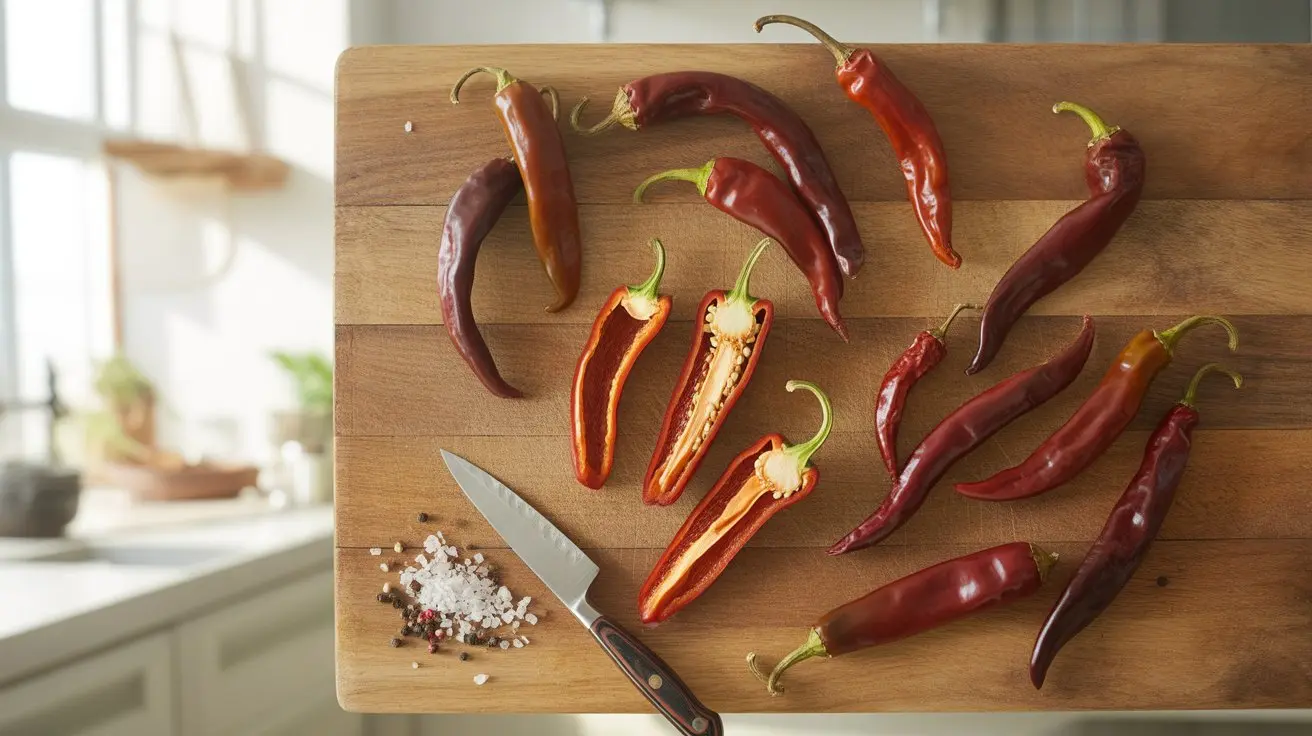
Chipotle

Chipotle is a smoke-dried jalapeño with a flavor unlike any other pepper in the 2,500–8,000 SHU range. The drying process transforms a fresh green chile into something earthy, sweet, and deeply smoky — heat you can taste coming through layers of wood and char. It anchors Mexican cooking and has become one of the most recognized chile flavors worldwide.
- Species: C. annuum
- Heat tier: Medium (1K–10K SHU)
- Comparison: 2x hotter than a jalapeño
What is Chipotle?
The first time I tasted a chipotle straight from an adobo can, the smokiness hit before the heat — a slow, woody burn that felt nothing like the fresh medium-heat jalapeño it came from. That transformation is the whole point.
Chipotle is simply a ripe red jalapeño that has been smoke-dried, typically over pecan or mesquite wood for several days. The process reduces the pepper to roughly one-fifth of its original weight, concentrating everything: the natural sugars, the capsaicin, and the complex char notes that define the flavor.
At 2,500–8,000 Scoville Heat Units, chipotles sit squarely in the 1K–10K medium heat zone, but the heat reads differently than most fresh peppers in that range. It builds gradually and lingers, partly because the fat-soluble capsaicin binds more effectively in the oily, dense flesh of a dried chile. If you want to understand why peppers create that lasting burn sensation, chipotle is a good study subject — the slow release is textbook.
Two main types exist: chipotle meco, a tan-gray pepper with a more intense, tobacco-like smokiness, and chipotle morita, which is smaller, darker, and fruitier. Moritas are smoked for less time, retaining more moisture and a slightly brighter flavor. Most canned chipotles in adobo sauce are moritas.
The wrinkled, leathery exterior and reddish-brown color are reliable identifiers. Fresh chipotles don't exist — by definition, it's a dried product.
History & Origin of Chipotle
The word chipotle comes from the Nahuatl chilpoctli, meaning "smoked chile." The Aztecs developed smoke-drying as a preservation method for jalapeños, which are too fleshy to air-dry effectively without rotting. Archaeological evidence places this practice in central Mexico well before Spanish colonization.
The technique spread through Mexico's rich regional chile traditions and became especially important in the state of Veracruz and surrounding areas where jalapeño cultivation concentrated. Smoke-drying allowed farmers to preserve surplus harvests through winter months.
In the United States, chipotle gained mainstream visibility in the 1990s, largely through the fast-casual restaurant industry and the proliferation of canned chipotles in adobo. Today Mexico exports significant quantities annually, with Chihuahua and Veracruz as the primary producing states. The pepper remains a cornerstone of the C. annuum botanical lineage that includes most of the world's commercial chiles.
How Hot is Chipotle? Heat Level & Flavor
The Chipotle delivers 3K–8K Scoville Heat Units, placing it in the Medium tier (1K–10K SHU). That makes it roughly 2x hotter than a jalapeño.
Flavor notes: smoky and sweet.
Chipotle Nutrition Facts & Health Benefits
A single dried chipotle pepper (roughly 5–7 grams) provides about 15–20 calories, primarily from carbohydrates. Chipotles are a meaningful source of vitamin C (though some degrades during smoking), vitamin A from beta-carotene, and small amounts of iron and potassium.
The smoking process does not significantly alter capsaicin content — the 2,500–8,000 SHU heat level is retained through drying. Chipotles contain antioxidant compounds including capsanthin and quercetin. Because they are typically used in small quantities, macro contributions are minimal, but the micronutrient density per calorie is solid.
Best Ways to Cook with Chipotle Peppers
Smokiness drives every chipotle application. The pepper doesn't just add heat — it adds dimension, turning simple dishes into something that tastes like it cooked for hours.
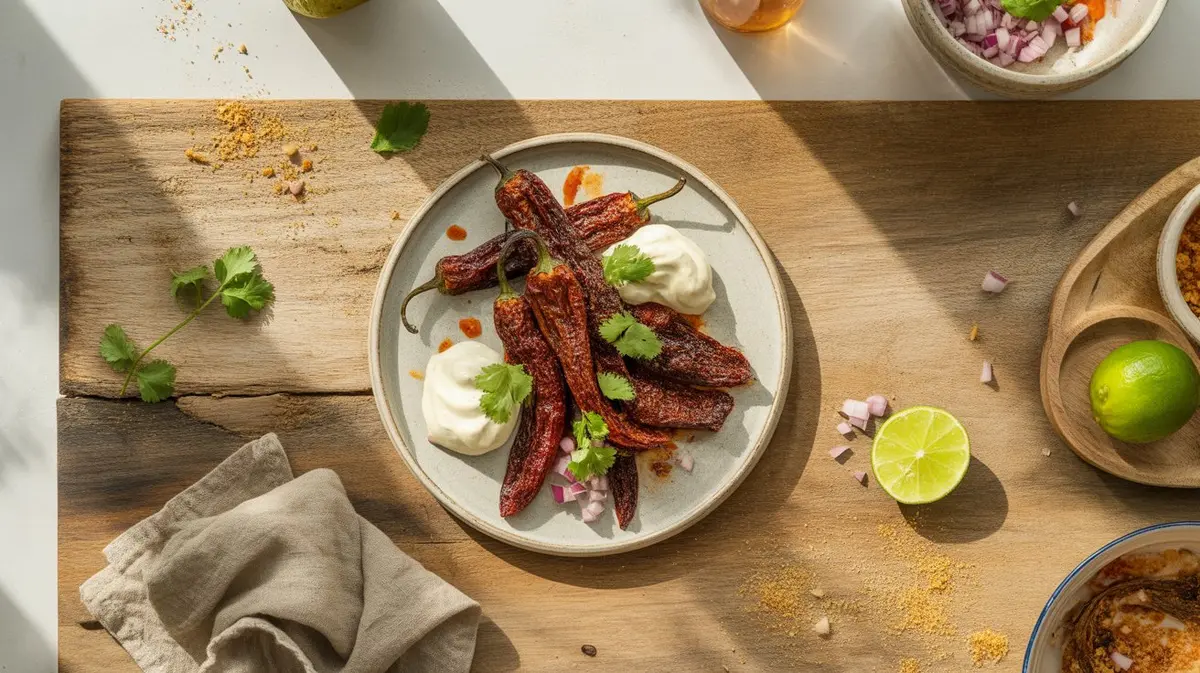
Chipotles in adobo are the most accessible form: canned chipotles packed in a tomato-vinegar sauce. One or two peppers, minced with some sauce, will transform mayonnaise, marinades, or braising liquids. The adobo sauce itself is worth saving — freeze it in ice cube trays for easy portioning.
Dried whole chipotles need rehydration: soak in hot water for 20–30 minutes, then blend into sauces or moles. This is where the meco variety shines, lending a deeper, more complex base note to slow-cooked dishes.
Ground chipotle powder is the most convenient format for dry rubs. A teaspoon in a beef rub or sweet potato seasoning delivers immediate smoke without any prep. Pair it with cumin, brown sugar, or dark chocolate to reinforce its natural flavor compounds.
Chipotle works well alongside the earthy dried notes of a pasilla chile or the richer depth of mulato's chocolate undertones. For practical guidance on building smoke into your chile lineup, chipotles are usually the starting point. It also integrates naturally into North African harissa blends when you want a smoky American twist on the traditional recipe.
Where to Buy Chipotle & How to Store
Canned chipotles in adobo are the most practical purchase — widely available, shelf-stable, and ready to use. Check that the can lists actual chipotle peppers, not just "chipotle flavor."
For dried whole chipotles, look for pliable, leathery texture with reddish-brown color. Brittle or faded peppers are old. Mexican grocery stores typically stock better quality than generic supermarkets.
Once opened, transfer canned chipotles to a glass jar and refrigerate — they keep 2–3 weeks. For longer storage, freeze individual peppers on a sheet pan, then bag them. Whole dried chipotles stored in an airtight container away from light last up to 1 year.
Best Chipotle Substitutes & Alternatives
Whether you ran out of chipotle or just want to try something different, these peppers make solid stand-ins. We picked them based on heat range, flavor overlap, and how well they actually work in the same dishes.
Our top pick: Puya Pepper (5K–8K SHU). Same species (C. annuum) and nearly the same heat, so it swaps in at a 1:1 ratio without changing the character of the dish. The flavor leans fruity and smoky, which is close enough that most people won’t notice the difference in a cooked recipe.
How to Grow Chipotle Peppers
Growing chipotle starts with growing jalapeños — because that is exactly what they are before smoking. The distinction is purely in post-harvest processing.
Capsicum annuum jalapeños thrive in well-drained soil with full sun and consistent moisture. Start seeds indoors 8–10 weeks before your last frost date. Transplant when nighttime temps stay above 55°F; jalapeños stall in cold soil and rarely recover their vigor.
For chipotles specifically, you want the peppers to ripen fully to red before harvest. Most growers pick jalapeños green, but chipotle production requires patience — leave them on the plant until they turn deep red and the skin begins to show slight wrinkling. This increases sugar content and produces better smoke flavor.
The growing traits of the puya chile share some overlap here — both benefit from warm, dry conditions during the ripening phase to concentrate flavor compounds.
After harvest, smoke the peppers over indirect heat at 150–200°F for 24–48 hours using pecan, mesquite, or apple wood. A standard backyard smoker works fine. Peppers are done when they're fully dried and leathery, with no soft spots. Store in airtight containers — properly dried chipotles last 12+ months.
Frequently Asked Questions
-
A chipotle is a fully ripened red jalapeño that has been smoke-dried, typically over pecan or mesquite wood for 24–48 hours. The process concentrates the pepper's sugars, capsaicin, and flavor compounds into a leathery, wrinkled chile with a distinctly smoky character.
-
Chipotles range from 2,500–8,000 SHU, while guajillos typically land between 2,500–5,000 SHU — putting chipotle at potentially twice the heat at the upper end. The more meaningful difference is flavor: guajillos are fruity and tannic, while chipotles lead with smoke.
-
Morita chipotles are smoked for less time, leaving them smaller, darker, and slightly fruity — these are what you find in most canned adobo products. Meco chipotles are smoked longer to a tan-gray color, with a more intense, tobacco-like flavor preferred in traditional Mexican cooking.
-
Yes, though the adobo sauce adds tomato, vinegar, and garlic notes that powder alone won't replicate. Start with 1/2 teaspoon of chipotle powder per canned pepper called for, and add a splash of tomato paste and cider vinegar to approximate the full flavor profile.
-
The perceived heat mellows somewhat during long cooking as capsaicin disperses through the dish, but the total capsaicin content doesn't degrade significantly at normal cooking temperatures. Acid — like tomato or lime — can slightly suppress the burn sensation without reducing actual SHU.
- Chile Pepper Institute — Capsicum Species and Varieties
- USDA FoodData Central — Peppers, dried
- Nahuatl Etymology — chilpoctli
- University of California Cooperative Extension — Chile Pepper Production
Species classification: C. annuum — based on published botanical taxonomy.