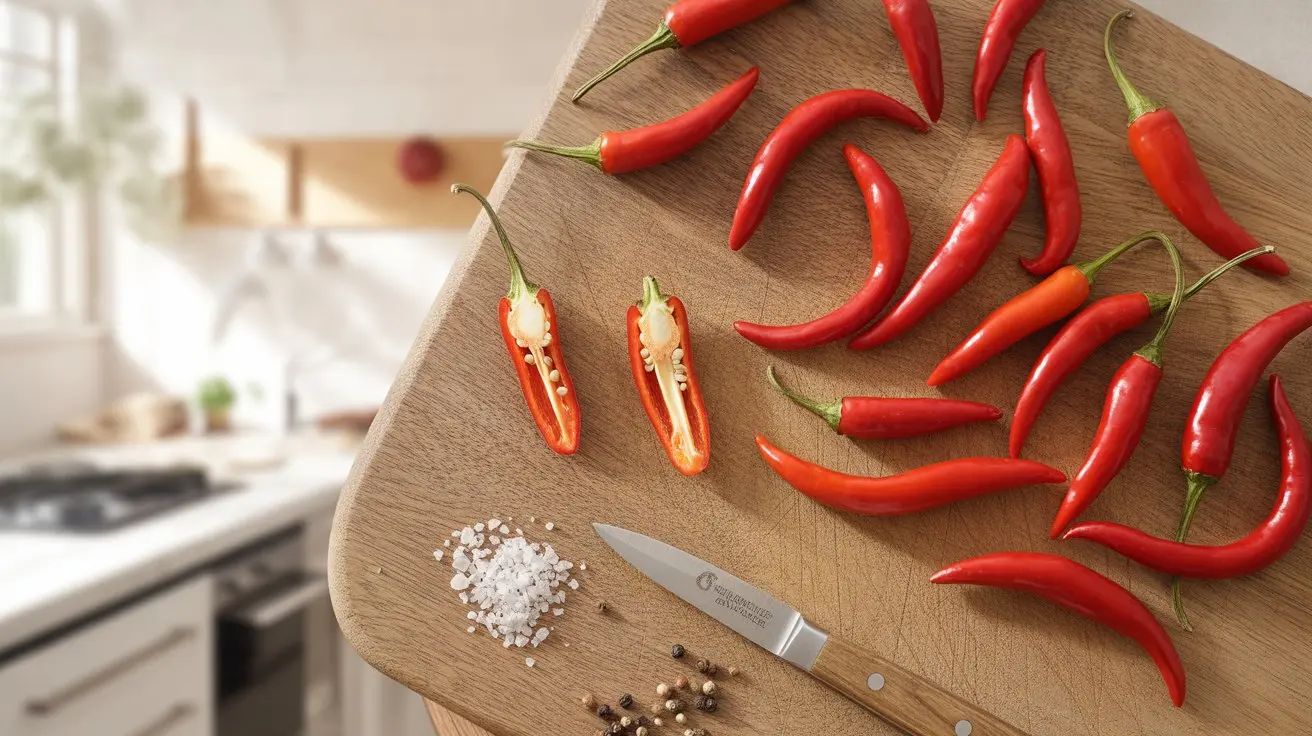
Chiltepin

The chiltepin is a wild-harvested Capsicum annuum native to Mexico, clocking in at 50,000–100,000 SHU — roughly 20 times hotter than a jalapeño. Its tiny round pods deliver a sharp, smoky-citrus bite that fades faster than most chiles. Prized by foragers and backyard growers alike, it thrives with minimal care once established and holds a special place in North American pepper traditions.
- Species: C. annuum
- Heat tier: Extra-Hot (100K–1M SHU)
- Comparison: 20x hotter than a jalapeño
What is Chiltepin?
Called the "mother of all peppers" in some Mexican traditions, the chiltepin is one of the oldest wild chiles still in common use. The pods are tiny — barely the size of a pea — and ripen from green to red. Despite that small footprint, the heat is serious: 50,000–100,000 SHU puts it firmly in the extra-hot category, well above the everyday grocery store range.
The flavor is what separates it from other high-heat options. There's a smokiness baked into the raw pod, plus a citrus brightness that hits before the capsaicin does. The burn itself is intense but short-lived — it spikes quickly and drops off in a few minutes, unlike the lingering heat of something like the fiercely sharp bite of bird's eye chili.
Botanically, it belongs to C. annuum, the same species as bell peppers and jalapeños — which makes its ferocity all the more surprising to newcomers. The plant grows as a perennial in frost-free climates, producing hundreds of small pods per season. In colder zones it's treated as an annual, but with enough sun and warmth it performs well in containers too.
For growers, the chiltepin is a rewarding project. It's slower to germinate than most commercial varieties, but once it establishes, it's surprisingly drought-tolerant and productive.
History & Origin of Chiltepin
Chiltepin populations grow wild across northern Mexico, southern Texas, and parts of Arizona — some botanists consider it the closest living relative to the ancestral wild Capsicum annuum from which most modern chiles descend. Indigenous communities in Sonora and Chihuahua have harvested it for centuries, using it medicinally and as a table condiment.
Spanish colonizers documented the chile in the 16th century, though it was already deeply embedded in regional foodways long before contact. Unlike most cultivated chiles that spread globally through colonial trade routes, the chiltepin remained largely local — its wild habit and tiny yield made mass cultivation impractical.
Today it holds protected status as a "native plant" in parts of Arizona, and wild harvesting continues in Sonora, where the dried pods command premium prices at markets. It's one of the few chiles where the wild form is still preferred over any cultivated selection.
How Hot is Chiltepin? Heat Level & Flavor
The Chiltepin delivers 50K–100K Scoville Heat Units, placing it in the Extra-Hot tier (100K–1M SHU). That makes it roughly 20x hotter than a jalapeño.
Flavor notes: smoky and citrus.
Chiltepin Nutrition Facts & Health Benefits
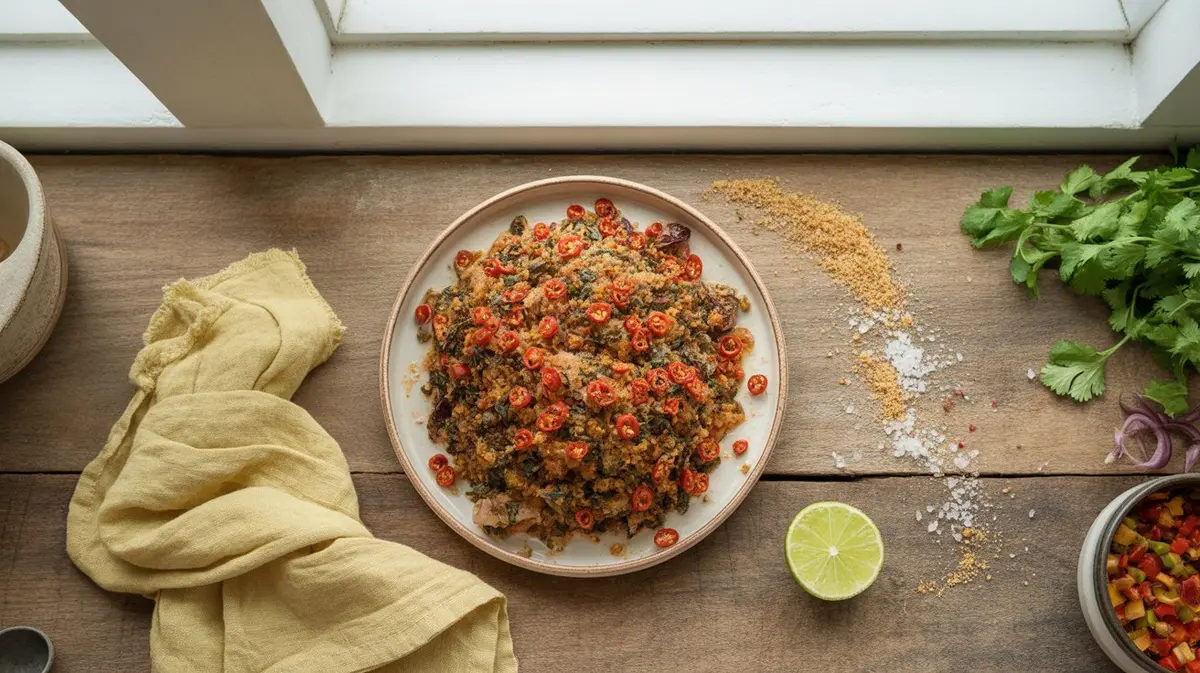
Like most hot chiles, the chiltepin delivers meaningful nutrition in small doses. The pods are high in vitamin C — fresh chiles can contain more per gram than citrus fruit. They also provide vitamin A from carotenoid pigments, particularly in the ripe red stage.
Capsaicin, the compound responsible for the heat, has been studied for its role in metabolism and pain modulation. The receptor science behind capsaicin's effects on pain pathways is well-documented in peer-reviewed literature.
Given the tiny serving size typical with chiltepins, macronutrient contribution is minimal — but the micronutrient density per calorie is high. Dried pods concentrate these nutrients further.
Best Ways to Cook with Chiltepin Peppers
Salsa de chiltepin is where this pepper shines most clearly. A handful of dried pods, tomatoes, garlic, and salt — blended or ground on a molcajete — produces a condiment with a heat that surprises even experienced chile eaters. The smoky-citrus character comes through cleanly because the preparation is so minimal.
Dried chiltepins are the most common form in cooking. Drop two or three whole pods into a pot of beans or pozole while they simmer — the pods infuse the broth without disintegrating, and you can fish them out before serving if you want to control intensity. Crushing them between your fingers releases more capsaicin and flavor.
Fresh pods work well pickled in vinegar with oregano and onion, a common preparation in Sonoran households. The vinegar softens the citrus edge and makes the smokiness more pronounced.
For heat reference, the de arbol's dry, clean burn is often compared to chiltepin in Mexican cooking contexts — both are used as finishing heat rather than base flavor. The tabasco's tangy liquid heat sits in a similar SHU range but delivers a very different flavor profile. Chiltepin is rarely used fresh in large quantities; the potency per pod means a little goes a long way.
Where to Buy Chiltepin & How to Store
Fresh chiltepins are almost never found in mainstream grocery stores. Mexican markets in border states — Texas, Arizona, New Mexico — occasionally carry them dried. Online specialty spice retailers and seed companies like [Baker Creek](https://www.rareseeds.com/) stock dried pods and seeds.
Dried pods keep well in an airtight container away from light and heat — 12–18 months before flavor degrades noticeably. Whole pods hold up better than crushed. If you grow your own and end up with a surplus, freezing the harvest preserves both heat and the smoky-citrus character effectively. Avoid refrigerating dried pods; moisture shortens shelf life.
Best Chiltepin Substitutes & Alternatives
Whether you ran out of chiltepin or just want to try something different, these peppers make solid stand-ins. We picked them based on heat range, flavor overlap, and how well they actually work in the same dishes.
Our top pick: Apollo Pepper (50K–100K SHU). Same species (C. annuum) and nearly the same heat, so it swaps in at a 1:1 ratio without changing the character of the dish. The flavor leans bright and crisp, which is close enough that most people won’t notice the difference in a cooked recipe.
How to Grow Chiltepin Peppers
Germination is the first hurdle. Chiltepin seeds have a notoriously low germination rate without pre-treatment — soak them in warm water for 24 hours before planting, or use a dilute gibberellic acid solution if you can source it. Soil temperature should stay above 80°F (27°C) for best results; a heat mat is worth it.
Expect 25–35 days to germination under good conditions, slower than most C. annuum varieties. Starting seeds indoors 10–12 weeks before last frost gives the plants enough runway to produce before the season ends in colder climates.
Outdoors, the chiltepin prefers partial shade — in its native habitat it grows under mesquite and oak canopy. Full sun works in cooler climates, but in hot summers, afternoon shade prevents leaf scorch and improves fruit set.
Soil should be well-draining with moderate fertility. Overfertilizing with nitrogen produces lush foliage at the expense of pod production. Once established, the plants are drought-tolerant, though consistent moisture during flowering improves yield.
In USDA zones 9–11, chiltepin grows as a perennial shrub reaching 3–5 feet tall. Container growing works well in colder zones — bring the plant indoors before frost and it may survive for several years. Our step-by-step germination guide covers seed-starting fundamentals that apply directly to this species. For preserving your harvest, freezing whole pods locks in flavor well.
Frequently Asked Questions
-
Both land in the 50,000–100,000 SHU range, so they're comparable in raw heat — but the chiltepin's burn fades faster, while the intense, sustained heat of bird's eye chili tends to linger longer on the palate. Flavor-wise, the chiltepin's smoky-citrus character is quite different from bird's eye's sharp, clean heat.
-
Yes — a 5-gallon container is the minimum workable size, and a 10-gallon pot gives roots enough room to support a productive plant. In cold climates, container growing is actually the preferred method because you can bring the plant indoors before frost and potentially keep it alive for multiple years.
-
Chiltepin seeds have natural dormancy mechanisms that slow germination — a 24-hour warm water soak before planting helps significantly. Soil temperature below 75°F is the other common culprit; a seedling heat mat keeping the medium at 80–85°F makes a measurable difference in both germination rate and speed.
-
The flavor profile is genuinely distinctive: there's a dry smokiness present even in fresh pods, plus a citrus brightness that arrives before the heat builds. This combination is part of why traditional Sonoran cooks prefer it over cultivated substitutes — the flavor isn't just heat delivery, it's a seasoning in its own right.
-
The names are used interchangeably in most contexts — both refer to the same wild Capsicum annuum var. glabriusculum. Regional naming varies across Mexico and the American Southwest, with "tepín" more common in some Sonoran communities and "chiltepin" used more broadly in commercial and botanical contexts.
- Chile Pepper Institute — Native Capsicum Species
- USDA Plants Database — Capsicum annuum
- University of Arizona Cooperative Extension — Chiltepin
- Bosland, P.W. — Capsicums: Innovative Uses of an Ancient Crop (ASHS Press)
Species classification: C. annuum — based on published botanical taxonomy.