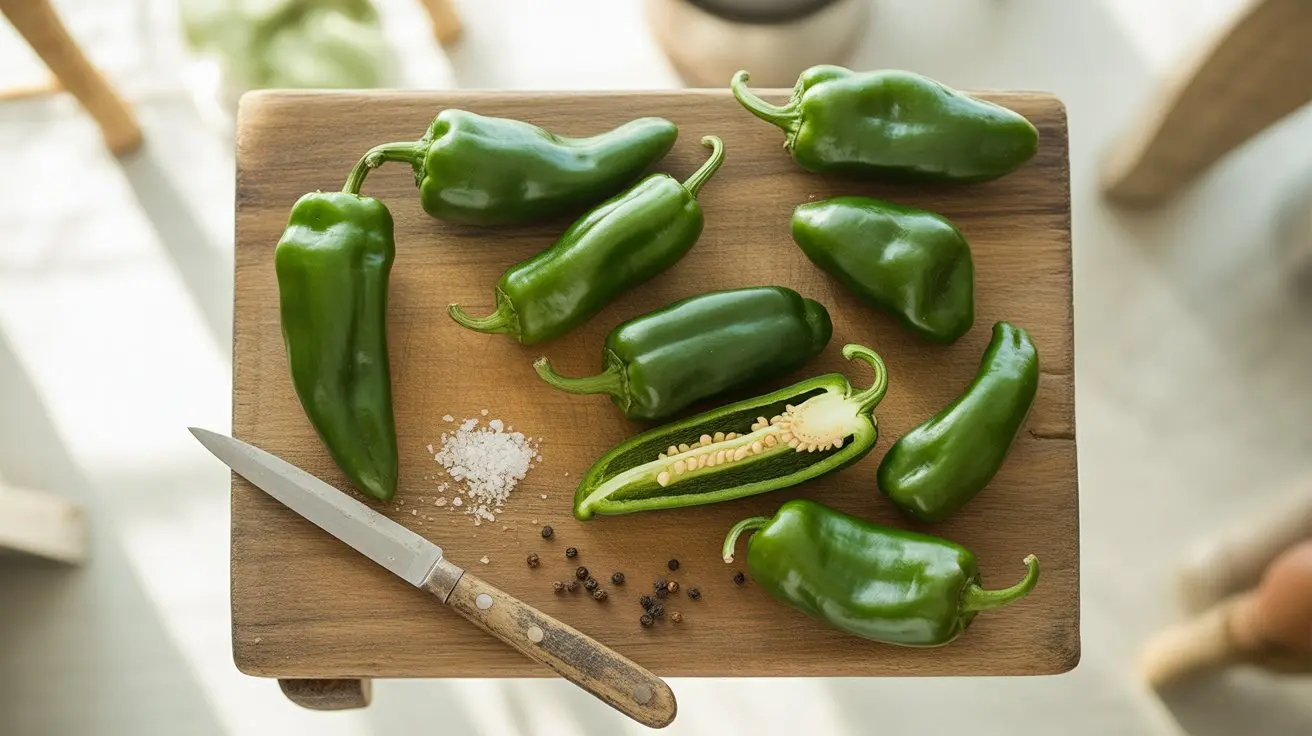
Chilaca/Pasilla Relationship

The chilaca is a fresh Mexican pepper that becomes the pasilla when dried - same fruit, two identities. Running 1,000-2,500 SHU, it sits in the same mild-to-moderate heat band as the guajillo, with a dark green color and earthy, slightly chocolatey flavor that deepens dramatically after drying.
- Species: Capsicum annuum
- Heat tier: Medium (1K–10K SHU)
What is Chilaca/Pasilla Relationship?
The first time I sliced open a fresh chilaca, I expected something generic - just another long green pepper. What I got instead was this dark, almost black-green fruit with a flavor that stopped me mid-bite. Earthy, rich, faintly chocolatey, with a gentle warmth that builds slowly rather than hitting immediately.
The chilaca (Capsicum annuum) registers 1,000-2,500 SHU - comparable to the smoky depth of a dried guajillo but delivered fresh. That puts it well below a jalapeño in raw intensity, though the flavor complexity more than compensates.
What makes this pepper genuinely interesting is its dual identity. Fresh, it is the chilaca. Dried, that same pepper becomes the pasilla with its deep raisin-like dried character - one of Mexico's most important dried chiles. The transformation is dramatic: the dark green flesh dries to near-black, concentrating sugars and intensifying those earthy, berry-adjacent notes.
The elongated dark form with its distinctive curved profile is immediately recognizable once you know what to look for - typically 6-9 inches long, slender, and often slightly twisted. Most of what reaches US markets gets sold dried as pasilla, which is why fresh chilacas remain relatively rare outside of specialty grocers and Mexican markets.
For cooks interested in Mexican cuisine beyond the basics, understanding this fresh-to-dried relationship unlocks an entirely different approach to building flavor.
History & Origin of Chilaca/Pasilla Relationship
The chilaca belongs to Capsicum annuum, the most domesticated pepper species on the planet, with origins tracing to central Mexico where it has been cultivated for centuries. Its name derives from the Nahuatl word for "old" or "gray," likely referencing the darkened color the pepper develops as it matures and dries.
The pasilla designation - meaning "little raisin" in Spanish - captures exactly what happens to the chilaca post-harvest: it shrivels and darkens into something that resembles a dried raisin in both appearance and aromatic profile.
This pepper sits at the heart of traditional Mexican mole negro, where dried pasillas contribute that characteristic dark, complex base note. Unlike the Padrón's Galician roots and Spanish culinary tradition, the chilaca-pasilla relationship is purely a product of central Mexican agricultural tradition, where drying was the primary preservation method for the harvest.
How Hot is Chilaca/Pasilla Relationship? Heat Level & Flavor
The Chilaca/Pasilla Relationship delivers 1K–3K Scoville Heat Units, placing it in the Medium tier (1K–10K SHU).
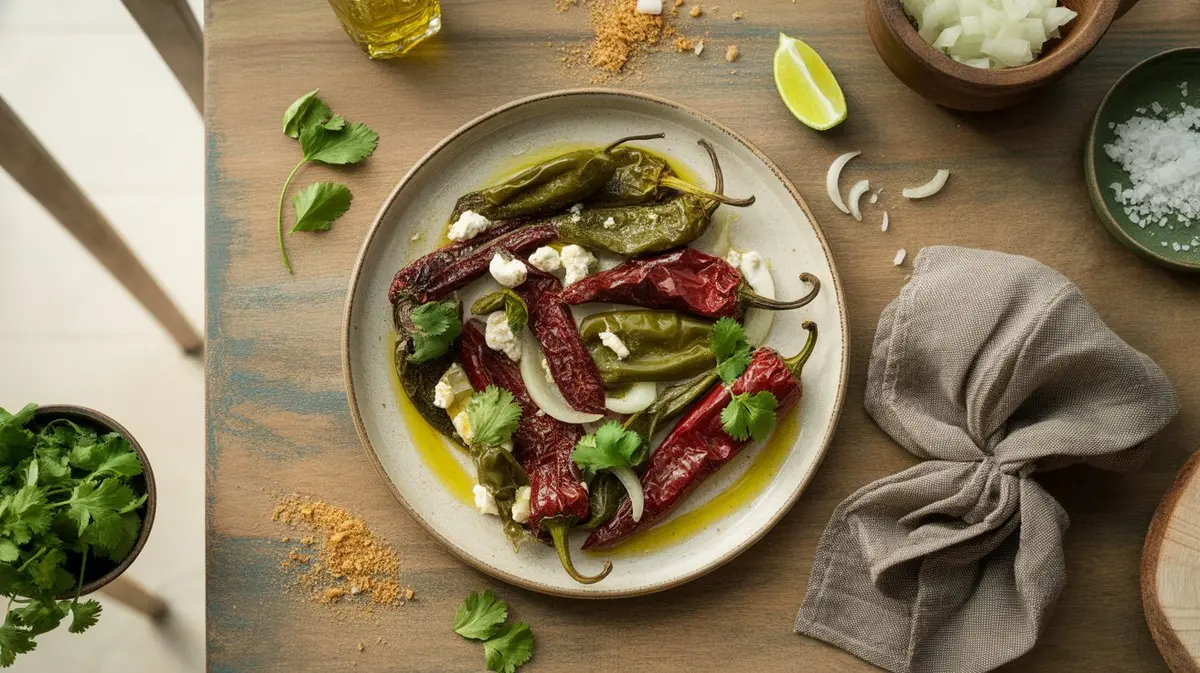
Chilaca/Pasilla Relationship Nutrition Facts & Health Benefits
Fresh chilacas deliver a solid nutritional profile consistent with dark-fleshed sweet peppers. A 100g serving provides roughly 30-35 calories, with meaningful amounts of vitamin C - though the dark green color signals higher chlorophyll content relative to red-stage peppers, which typically contain more beta-carotene.
The dried pasilla form concentrates nutrients significantly: iron, potassium, and B vitamins all increase per gram as moisture leaves. Capsaicin at 1,000-2,500 SHU is present in modest amounts - enough to trigger mild thermogenic effects but well below the threshold where the heat mechanism behind capsaicin's burn becomes a significant factor for most people.
Fiber content in the dried form is notably higher than fresh.
Best Ways to Cook with Chilaca/Pasilla Relationship Peppers
Fresh chilacas work best when you treat them like a poblano but expect more intensity. They char beautifully under a broiler or directly over a gas flame, and that slight bitterness in the raw skin transforms into something genuinely savory once roasted.
Rajas - strips of roasted pepper cooked with onion and cream - are a natural application. The chilaca's earthiness holds up against dairy in a way that milder options like the crisp, approachable flavor of an Anaheim sometimes do not.
For dried pasilla applications, the pepper anchors mole negro alongside mulato and ancho chiles. Toasting dried pasillas briefly in a dry skillet before rehydrating releases their volatile aromatics - skip this step and you lose about half the flavor.
The 1,000-2,500 SHU range means the heat rarely dominates. Think of it as background warmth that keeps a dish interesting without making it confrontational. That positions it differently from the moderate bite of a Chilhuacle - the chilaca is gentler, more about flavor architecture than heat delivery.
Soups, enchilada sauces, and braised meats all benefit from either form of this pepper. The dried version rehydrates in about 20 minutes in hot water.
Where to Buy Chilaca/Pasilla Relationship & How to Store
Fresh chilacas appear in Mexican grocery stores and specialty produce markets, typically in late summer through fall. Look for dark green to near-black skin that is firm and unwrinkled - any softness signals age.
Dried pasillas are far more accessible year-round. Quality dried chiles should be pliable, not brittle. Brittle pasillas have been stored too long and will taste flat.
Store fresh chilacas in the refrigerator crisper for up to one week. Dried pasillas keep for 6-12 months in an airtight container away from light and heat. Vacuum-sealed dried chiles last considerably longer without flavor loss.
Frozen roasted chilaca strips hold well for 3-4 months and are ready to drop directly into dishes.
Best Chilaca/Pasilla Relationship Substitutes & Alternatives
Whether you ran out of chilaca/pasilla relationship or just want to try something different, these peppers make solid stand-ins. We picked them based on heat range, flavor overlap, and how well they actually work in the same dishes.
Our top pick: Pasilla Pepper (1K–3K SHU). The heat level is close enough for a direct swap in salsas, sauces, and stir-fries. Flavor leans earthy and rich, so the taste will shift a bit — but the overall heat stays in the same range.
How to Grow Chilaca/Pasilla Relationship Peppers
Chilacas follow the standard Capsicum annuum calendar: start seeds indoors 8-10 weeks before last frost, transplant after soil temperatures reach 60°F, and expect fruit around 80-85 days from transplant.
They want full sun and consistent moisture - irregular watering produces stressed plants that either abort fruit or develop uneven heat. A drip system or consistent hand-watering schedule makes a real difference in yield quality.
The plants grow upright to roughly 24-30 inches and benefit from a single stake once the fruit load builds up. The long, heavy pods can pull branches down in wind.
For anyone interested in the dried pasilla side of this pepper, harvest timing matters. Leave the fruit on the plant until it begins transitioning from dark green toward brown-black. Fully mature pods dry more evenly and develop better flavor than those picked early.
If you want a broader framework for starting from seed, the step-by-step walkthrough for growing peppers from scratch covers transplant timing and soil preparation that applies across most Capsicum annuum varieties. The chilaca is not a particularly demanding plant - consistent sun and water carry most of the work.
Frequently Asked Questions
-
Yes - the chilaca and pasilla are the same Capsicum annuum variety at different stages. Fresh off the plant it is called chilaca; once dried to that characteristic dark, wrinkled state, it becomes the pasilla used in mole and enchilada sauces.
-
Chilacas measure 1,000-2,500 SHU on the Scoville scale's unit measurement system, placing them in the same general range as a mild guajillo. The heat is gentle and slow-building rather than sharp or immediate.
-
A poblano works as a reasonable substitute in roasted applications, though it lacks the chilaca's darker, earthier flavor profile. The mild, versatile warmth of a Hungarian Wax is another option if you want more acidity alongside similar heat.
-
Fresh chilacas are earthy and mildly bitter with a subtle chocolate undertone - think green pepper but darker and more complex. Drying concentrates those flavors into something closer to dried fruit and cocoa, which is why pasillas anchor deep mole sauces so effectively.
-
Mexican grocery stores and specialty produce markets are your best bet, particularly in late summer and fall when the harvest peaks. The smoky, dried version sold as morita is easier to find year-round if you want a dried chile with comparable depth for cooking.
- Chile Pepper Institute - New Mexico State University
- USDA Agricultural Research Service - Capsicum annuum
- Kennedy, Diana. The Essential Cuisines of Mexico. Clarkson Potter, 2000.
- Bosland, Paul W. and Votava, Eric J. Peppers: Vegetable and Spice Capsicums. CABI, 2012.
Species classification: Capsicum annuum — based on published botanical taxonomy.