
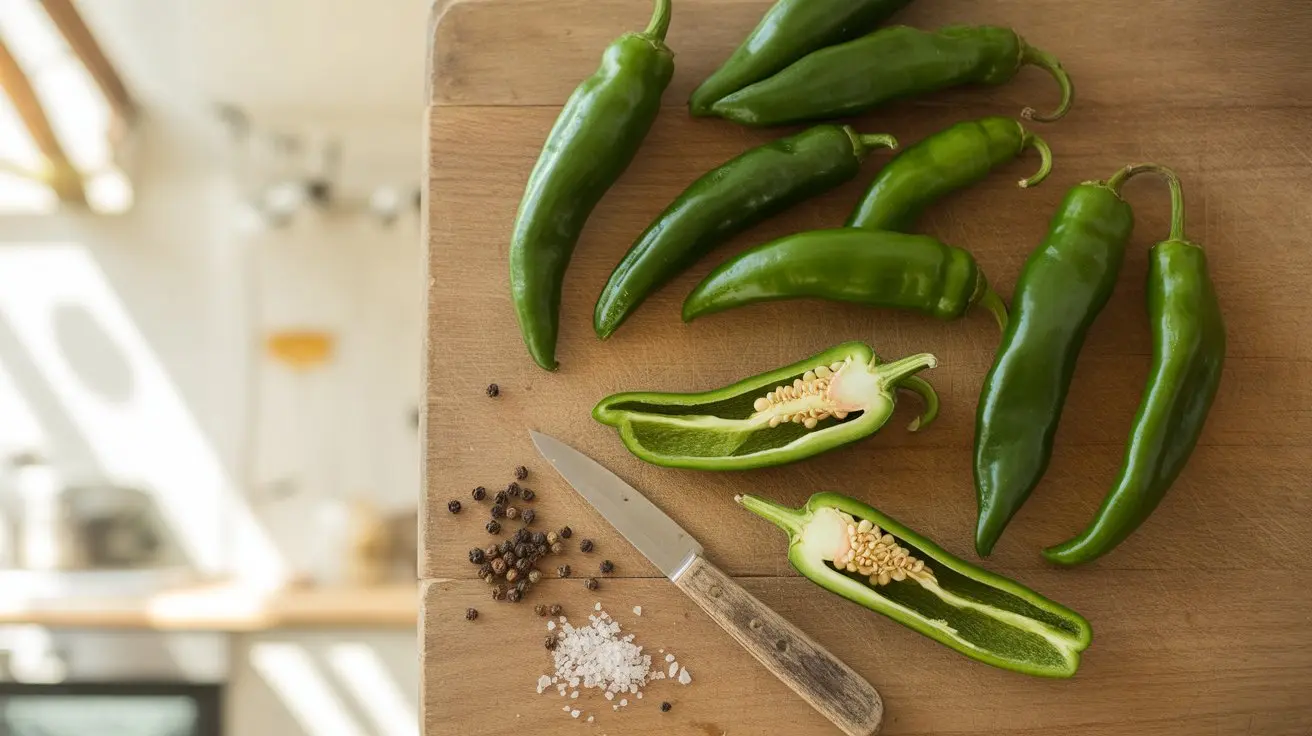
Chilaca Pepper

The chilaca pepper is a long, dark green Mexican chile measuring 1,000–2,500 SHU — milder than a serrano by a factor of roughly 5. Its flavor is earthy and rich, with a slight bitterness that deepens when roasted. Fresh, it goes into salsas and rajas; dried into pasilla negro, it becomes one of Mexico's most important mole ingredients.
- Species: Capsicum annuum
- Heat tier: Medium (1K–10K SHU)
What is Chilaca Pepper?
Long, narrow, and nearly black-green at full maturity, the chilaca is one of those peppers that rewards patience. Most fresh chiles look their best at the red stage, but the chilaca hits its flavor peak when the skin turns a deep, almost chocolate-brown green — wrinkled, glossy, and dense with earthy aroma.
At 1,000–2,500 SHU, the heat sits at the lower end of the medium SHU intensity band, making it approachable for cooks who want depth without fire. The burn is gentle and slow-building, nothing like the sharp sting of a serrano. What you notice instead is flavor — a rich, tobacco-like earthiness with hints of dried fruit.
The pepper is almost exclusively grown in the Mexican states of Michoacán, Jalisco, and Zacatecas. Its distinctive long, curved shape — often reaching 6–9 inches — makes it immediately recognizable at a market stall, though outside Mexico it rarely appears fresh.
Most chilacas are destined for the drying rack. Once dried and blackened, they become pasilla negro chiles, a cornerstone of traditional mole negro. That transformation — from fresh green chile to wrinkled black pod — is one of the more dramatic identity shifts in Mexican cooking, and it's why the chilaca is frequently misidentified or overlooked entirely in its fresh form.
History & Origin of Chilaca Pepper
The chilaca's roots are firmly pre-Columbian. Capsicum annuum peppers were cultivated across Mesoamerica for thousands of years before Spanish contact, and the chilaca was among the varieties developed in central and western Mexico, where the climate and altitude of the Bajío region favored long, thin pod types.
The name itself is believed to derive from the Nahuatl word for "old" or "gray-haired," a reference to the wrinkled, darkened skin of a mature pod. Spanish chroniclers documented dark-fruited chiles in the 16th century, though precise variety-level records are difficult to trace.
What's well-documented is the pepper's role in traditional Mexican cooking practices. The dried form — pasilla — appears in recipes for mole negro, enchilada sauces, and adobos that date back centuries. The chilaca's identity as the fresh version of the pasilla was only formally clarified in relatively recent horticultural literature, which explains the persistent naming confusion that still exists today.
How Hot is Chilaca Pepper? Heat Level & Flavor
The Chilaca Pepper delivers 1K–3K Scoville Heat Units, placing it in the Medium tier (1K–10K SHU).
Flavor notes: earthy and rich.
Chilaca Pepper Nutrition Facts & Health Benefits
A 100g serving of fresh chilaca pepper contains approximately 27 calories, with minimal fat and around 6g of carbohydrates. Like most fresh chiles, it delivers a solid dose of vitamin C — roughly 80–100% of the daily recommended value — along with meaningful amounts of vitamin A and potassium.
The capsaicin content at 1,000–2,500 SHU is low enough that it contributes anti-inflammatory properties without significant GI irritation for most people. The chemistry behind how capsaicin interacts with pain receptors explains why even mild chiles like the chilaca can have measurable health effects at regular consumption.
Best Ways to Cook with Chilaca Peppers
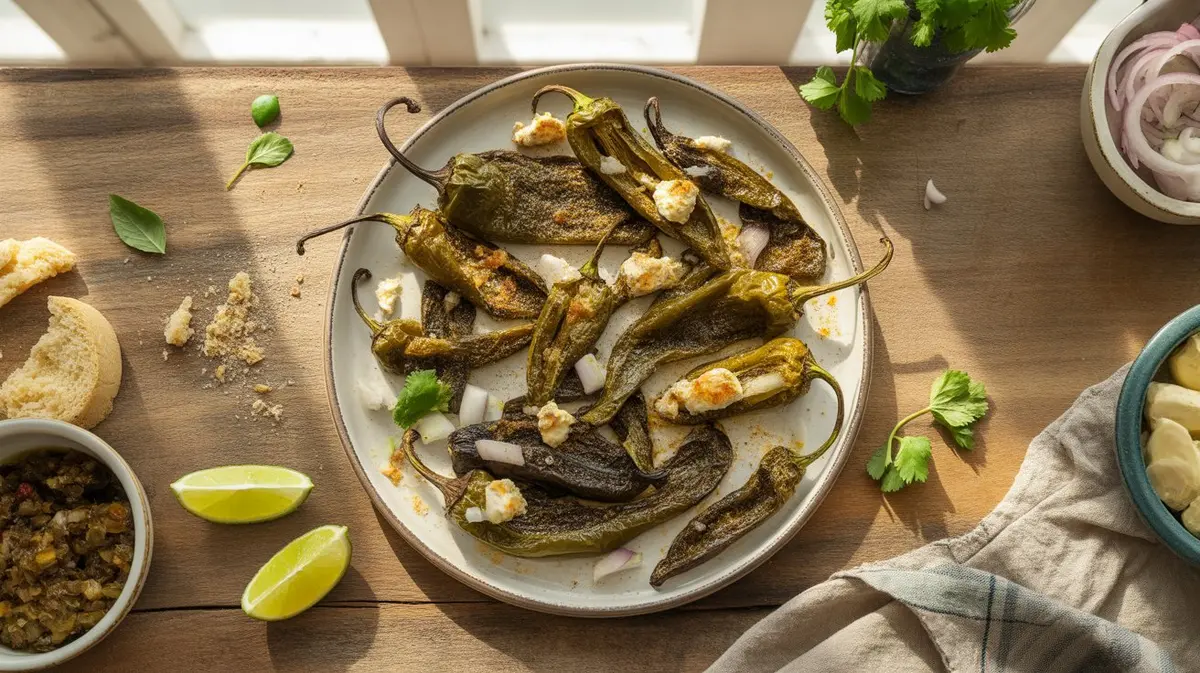
Fresh chilacas are most often roasted directly over a flame or under a broiler until the skin blisters and blackens. Peeled and sliced into strips, they become rajas — a classic preparation that pairs the chile's earthy richness with crema, corn, and cheese. The flavor after roasting is noticeably sweeter and more complex than raw.
For building depth in chili or braised dishes, chilacas add a background richness that bell peppers can't replicate. The sensory profile of the fresh-to-dried transformation is worth understanding: dried pasilla negro carries concentrated versions of the same earthy, slightly fruity notes present in the fresh chile, which is why the two are used interchangeably in some recipes.
Compared to the smoky medium heat of chipotle, the chilaca is cleaner and more straightforward — no smoke, just earth. For salsas verde, it can substitute anywhere you'd use a mildly pungent, flexible roasting pepper but want more flavor complexity.
The earthy richness of guajillo-based sauces shares some DNA with chilaca-forward preparations, though guajillo runs hotter and sharper. In mole negro, dried chilaca (pasilla) is non-negotiable — its bitterness balances chocolate and spice in a way no other chile replicates.
Where to Buy Chilaca Pepper & How to Store
Fresh chilacas are rarely found outside Mexican markets and specialty grocers in the U.S. Southwest. If you spot them, look for pods that are deep dark green, firm, and glossy — avoid anything with soft spots or yellowing.
Fresh chilacas keep 5–7 days refrigerated in a paper bag. For longer storage, roast and peel them, then freeze in portions — they hold well for up to 3 months.
Dried pasilla negro (the dried form) is far easier to source and stores 12–18 months in a sealed container away from light. Rehydrate in warm water for 20–30 minutes before using in sauces or moles.
Best Chilaca Pepper Substitutes & Alternatives
Whether you ran out of chilaca pepper or just want to try something different, these peppers make solid stand-ins. We picked them based on heat range, flavor overlap, and how well they actually work in the same dishes.
Our top pick: Pasilla Pepper (1K–3K SHU). The heat level is close enough for a direct swap in salsas, sauces, and stir-fries. Flavor leans earthy and rich, so the taste will shift a bit — but the overall heat stays in the same range.
How to Grow Chilaca Peppers
The hardest part of growing chilacas isn't germination — it's getting the pods to reach full dark-green maturity without losing them to fungal issues. The long, thin fruit tends to trap moisture against the skin, especially in humid climates, which invites anthracnose and soft rot late in the season.
Good airflow matters more with chilacas than with most medium-heat varieties. Space plants at least 18–24 inches apart, and avoid overhead watering once fruit sets. Drip irrigation at the base significantly reduces disease pressure.
The plants prefer warm days (75–85°F) and do best in well-draining, slightly acidic soil with consistent moisture. They're not drought-tolerant — irregular watering causes the long pods to crack.
Days to maturity runs 80–85 days from transplant to the dark-green harvest stage. If you're growing for fresh use, harvest when pods reach that deep chocolate-green and have some flexibility when bent. For drying into pasilla negro, leave them on the plant until they begin to wrinkle naturally, then finish drying in a warm, ventilated space.
For anyone newer to growing long-fruited Mexican varieties, the full pepper growing guide covers staking and support — chilaca's long pods benefit from caging to prevent stem breakage.
Frequently Asked Questions
-
They are the same variety at different stages — chilaca refers to the fresh dark-green pod, while pasilla negro is what it becomes after drying. The drying process concentrates the flavor and deepens the color to near-black, which is why the two are treated as distinct ingredients in Mexican cooking despite sharing the same plant.
-
The chilaca tops out around 2,500 SHU, while a serrano typically runs 10,000–23,000 SHU — making a serrano roughly 4–9 times hotter. The chilaca's heat is mild and slow-building, focused more on flavor than fire.
-
An Anaheim's mild, thin-walled structure makes it a reasonable fresh substitute in roasted preparations, though you'll lose some of the earthy depth that defines the chilaca. For mole or braised sauces, dried pasilla negro is the only real substitute — no fresh pepper replicates it well.
-
Chilacas are primarily cultivated in the Mexican states of Michoacán, Jalisco, and Zacatecas, where the altitude and dry climate favor long-season chile production. Commercial cultivation outside Mexico is limited, which is why fresh chilacas rarely appear in U.S. supermarkets.
-
Raw chilacas are grassy and slightly bitter with a firm crunch — pleasant but not especially complex. Roasting transforms them dramatically, drawing out a rich, earthy sweetness with hints of dried fruit that makes them one of the more flavorful mild chiles in Mexican cooking.
- Chile Pepper Institute — Capsicum Varieties
- USDA Plants Database — Capsicum annuum
- Diana Kennedy, The Cuisines of Mexico (1972)
- Rick Bayless, Mexican Kitchen — Pasilla/Chilaca Notes
- University of California Cooperative Extension — Chile Production
Species classification: Capsicum annuum — based on published botanical taxonomy.