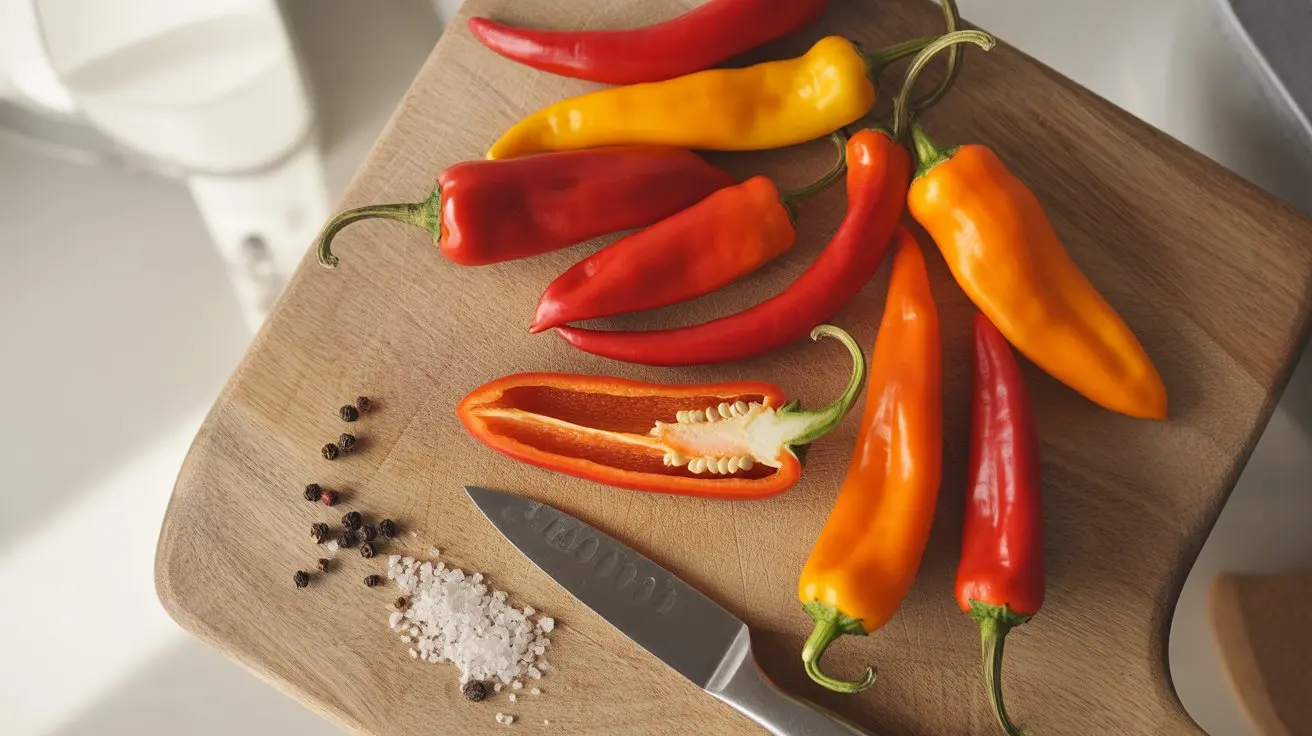

The Charleston Hot is a USDA-bred cayenne-type pepper hitting 70,000-100,000 SHU - roughly one-fifth the heat of a habanero - with a sweet, fruity flavor that makes it far more flexible in the kitchen than its heat level suggests. Developed for disease resistance and high yield, it brings serious fire alongside genuine flavor depth.
- Species: C. annuum
- Heat tier: Extra-Hot (100K–1M SHU)
- Comparison: 20x hotter than a jalapeño
What is ?
Born from agricultural research rather than backyard tinkering, the Charleston Hot is a cayenne-type pepper developed by the USDA's vegetable research station in Charleston, South Carolina. It belongs to Capsicum annuum - the same species as bell peppers and jalapeños - but sits at the far end of that family's heat spectrum.
At 70,000-100,000 SHU, it lands in the extra-hot pepper category alongside better-known varieties like the fruity floral heat of the Scotch Bonnet. The Charleston Hot's heat is real and sustained, but what separates it from purely punishing peppers is flavor: genuinely sweet and fruity, with the brightness you'd expect from a fresh cayenne but more complexity.
The pods grow elongated and slender, typically 4-6 inches long, ripening from green through yellow to a deep red. That color progression matters in the kitchen - green pods deliver more vegetal sharpness, while fully ripe red ones carry the sweetest, most rounded heat.
It was specifically bred for resistance to tobacco etch virus and Phytophthora blight, making it a practical choice for southeastern US growers dealing with humid conditions. The plant produces prolifically, and the pods dry beautifully - which explains why this variety found its way into commercial hot sauce production and dried pepper markets shortly after its release.
History & Origin of
The Charleston Hot came out of USDA breeding work at the U.S. Vegetable Laboratory in Charleston, South Carolina, released in the 1980s as part of an effort to give commercial growers a high-yielding cayenne with better disease tolerance.
Unlike heirloom peppers with centuries of folk history, this one has a documented paper trail: it was deliberately engineered for agricultural performance, not culinary fame. The USDA prioritized resistance to Phytophthora root rot and tobacco etch virus - two problems that plagued cayenne production in the humid Southeast.
Despite its institutional origins, the Charleston Hot earned genuine culinary respect. Hot sauce producers in the Carolinas adopted it quickly, and home growers discovered that disease resistance paired with excellent flavor was a rare combination. It remains a staple in southeastern US regional pepper traditions and has spread to home gardens nationally.
How Hot is ? Heat Level & Flavor
The delivers 70K–100K Scoville Heat Units, placing it in the Extra-Hot tier (100K–1M SHU). That makes it roughly 20x hotter than a jalapeño.
Flavor notes: sweet and fruity.
Nutrition Facts & Health Benefits
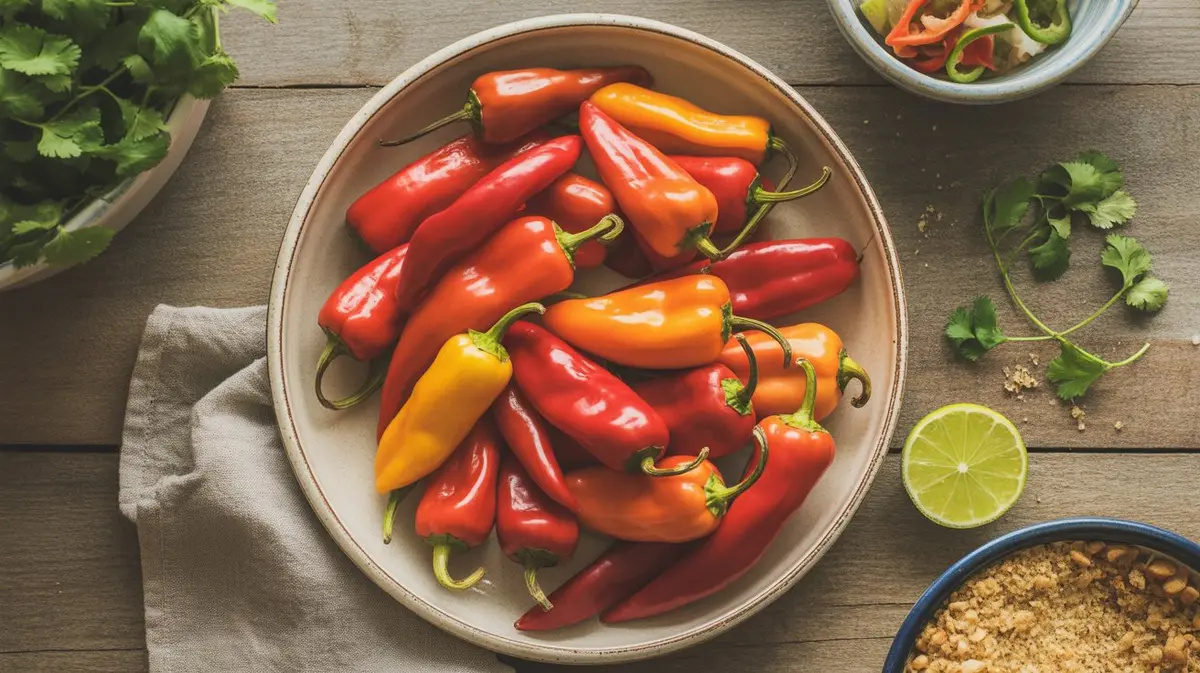
Like most hot peppers, the Charleston Hot is nutrient-dense relative to its calorie load. A 100g serving of fresh red pods delivers substantial vitamin C - often exceeding 100mg, which surpasses most citrus fruits. Red-ripe pods contain significantly more vitamin C and beta-carotene than green-harvested ones.
Capsaicin, the compound responsible for the heat, has been studied for anti-inflammatory and metabolic effects, though research is ongoing. The pods also provide vitamin B6, potassium, and dietary fiber. Dried powder concentrates these nutrients while dramatically reducing water content. Calorie counts per serving are negligible - a teaspoon of dried powder adds almost no caloric load to a dish.
Best Ways to Cook with Peppers
The sweet-fruity character of the Charleston Hot is what keeps cooks coming back after the heat fades. Think of it as a cayenne with ambition - it brings the same thin-walled, easy-drying structure, but the flavor is richer and more fruit-forward than standard cayenne.
Fresh pods work well in salsas and hot sauces where you want heat that builds gradually rather than hitting immediately. The sweetness balances acidic tomatoes and citrus without needing added sugar. Compared to the deep smoky burn of a Chocolate Habanero, the Charleston Hot reads cleaner and brighter on the palate.
Drying is where this pepper really earns its keep. The thin walls dehydrate quickly and evenly, and ground Charleston Hot makes an excellent cayenne substitute with noticeably more complexity. Mix it into dry rubs for pork or chicken, or bloom it in oil as a base for stir-fries.
For hot sauce makers, the fruity notes pair especially well with mango, peach, and pineapple. Fermented mash made from ripe red pods develops a depth that straight vinegar sauces can't match. At 70,000-100,000 SHU, the heat is significant but not overwhelming - you can use enough of it to actually taste the flavor, unlike peppers where a small amount dominates everything else.
Seed removal reduces heat noticeably without sacrificing much flavor, making it more accessible for dishes where you want warmth rather than fire.
Where to Buy & How to Store
Fresh Charleston Hot peppers are rarely found in mainstream grocery stores - specialty markets, farmers markets in the Southeast, and online pepper vendors are your best options. Look for firm pods without soft spots; red-ripe ones should be fully colored without wrinkling.
Fresh pods keep 1-2 weeks refrigerated in a paper bag. For longer storage, drying is the obvious choice given the thin walls - a dehydrator at 135°F takes about 8 hours. Dried pods or ground powder store well in airtight containers away from light for up to a year. Freezing fresh pods whole works fine; they'll soften on thaw but retain heat and flavor perfectly for cooked applications.
Best Substitutes & Alternatives
Whether you ran out of or just want to try something different, these peppers make solid stand-ins. We picked them based on heat range, flavor overlap, and how well they actually work in the same dishes.
Our top pick: Apollo Pepper (50K–100K SHU). Same species (C. annuum) and nearly the same heat, so it swaps in at a 1:1 ratio without changing the character of the dish. The flavor leans bright and crisp, which is close enough that most people won’t notice the difference in a cooked recipe.
How to Grow Peppers
Charleston Hot plants are genuinely easy to manage by hot pepper standards - the disease resistance that made them commercially viable translates directly to backyard garden success.
Start seeds indoors 8-10 weeks before last frost. Germination is reliable at soil temperatures of 80-85°F. Transplant outdoors after nighttime temps stay above 55°F consistently. For proper pepper plant spacing, give each plant 18-24 inches - the plants get bushy and productive, and crowding invites the fungal issues this variety was bred to resist.
They perform best in full sun with well-draining soil amended with compost. In humid southeastern climates - exactly where the variety was developed - the Phytophthora resistance pays off visibly. Raised beds improve drainage further if your soil is heavy clay.
Pods mature in approximately 70-80 days from transplant. Harvest green for sharper heat, or leave them to ripen red for maximum sweetness. The plants continue producing through frost if kept healthy. Pruning pepper plants after the first heavy set encourages a second flush of pods, which is worth doing given how prolifically these plants set fruit.
Container growing works - use at least a 5-gallon pot and expect slightly smaller plants than in-ground specimens. Consistent watering matters more in containers; dry-wet cycles stress the plants and can cause blossom drop.
Frequently Asked Questions
-
The Charleston Hot tops out at 100,000 SHU, which puts it at roughly one-fifth the intensity of a typical habanero's scorching fruity punch, which runs 100,000-350,000 SHU. In practical cooking terms, you can use the Charleston Hot more liberally without the dish becoming inedibly hot.
-
Yes, but know that Charleston Hot runs significantly hotter than commercial cayenne powder, which typically measures 30,000-50,000 SHU. Start with about half the amount called for in the recipe and adjust upward to taste.
-
The USDA bred it specifically for resistance to Phytophthora blight and tobacco etch virus, two diseases that caused significant losses in commercial cayenne production across the humid Southeast. The goal was a high-yield, disease-tolerant pepper that could thrive in challenging growing conditions without sacrificing heat or flavor.
-
Drying is the most practical method - the thin walls dehydrate quickly and the dried pods or ground powder keep well for up to a year in airtight containers. Fermentation is another excellent option for hot sauce production, as the fruity flavor develops additional complexity during the fermentation process.
-
It is one of the more forgiving hot peppers for new growers, particularly in humid climates where disease pressure is high. The built-in resistance to common pepper diseases reduces the main failure point for beginners, and the plants produce heavily even without intensive care.
- USDA Agricultural Research Service - Vegetable Crop Breeding
- Chile Pepper Institute - New Mexico State University
- Scoville Scale Reference - American Spice Trade Association
Species classification: C. annuum — based on published botanical taxonomy.