
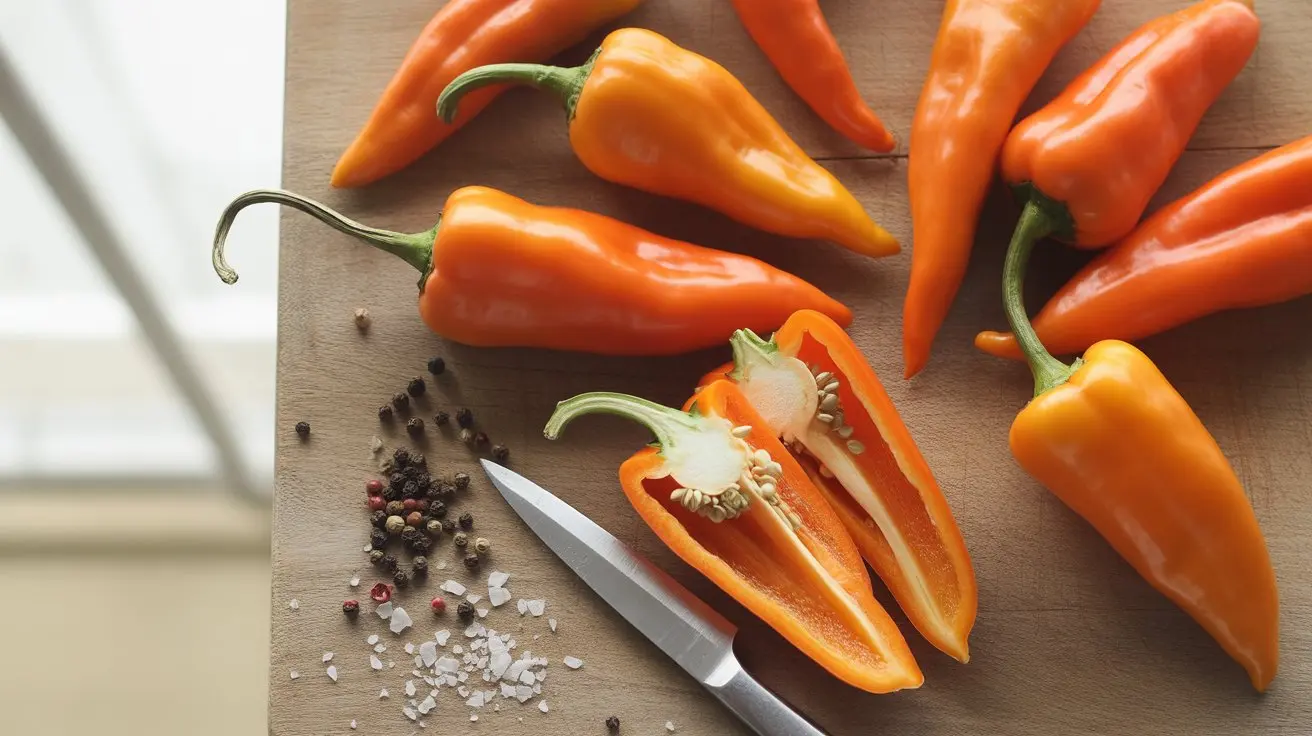
Bulgarian Carrot Pepper

Despite the name, the Bulgarian Carrot Pepper has nothing to do with carrots beyond its shape and color. This Capsicum annuum from Bulgaria registers 5,000-30,000 SHU - up to roughly twice the heat of a thin-walled pepper with intense dried-chile flavor - with surprisingly fruity, bright flavor that catches first-timers off guard. It's a garden standout and a genuinely flexible kitchen pepper.
- Species: Capsicum annuum
- Heat tier: Hot (10K–100K SHU)
- Comparison: 6x hotter than a jalapeño
What is Bulgarian Carrot Pepper?
Most people expect a pepper called 'carrot' to be mild. That assumption gets corrected fast.
Bulgarian Carrot Pepper (Capsicum annuum) produces tapered, 3-4 inch fruits that ripen from green through yellow to a vivid orange-red, looking nearly identical to a small carrot hanging from the plant. The resemblance is purely visual - the heat sitting at 5,000-30,000 SHU puts it firmly in the peppers registering genuine burn bracket.
The flavor is where this pepper earns its fans. Beneath the heat is a bright, fruity quality - almost citrusy - that distinguishes it from hotter but less complex peppers. That combination of accessible heat and genuine flavor depth makes it a go-to for cooks who want more than just fire.
The wide SHU range reflects real variability. Fruits from the same plant can differ noticeably depending on growing conditions, soil stress, and water availability. Hotter summers tend to push individual fruits toward the upper end of that range.
Originally brought to North American growers through seed-saving communities in the 1980s and 1990s, the Bulgarian Carrot has developed a loyal following among home gardeners who appreciate its productivity, ornamental appeal, and genuine culinary usefulness. Plants are compact, prolific, and visually striking when loaded with orange fruit.
History & Origin of Bulgarian Carrot Pepper
The Bulgarian Carrot Pepper's documented history outside Eastern Europe is relatively short. It arrived in North American seed-saving circles during the 1980s, reportedly brought over by travelers and immigrants from Bulgaria, where peppers have been a central part of the local diet for centuries.
Bulgaria has a long tradition of pepper cultivation - the country produces significant quantities of paprika-type peppers and consumes them heavily in pickled, roasted, and fresh forms. The carrot-shaped variety likely developed through generations of regional selection, prized for its productivity and distinctive appearance.
By the 1990s, it had gained a foothold in heirloom seed catalogs, with Baker Creek Heirloom Seeds helping to popularize it among North American growers. Its combination of ornamental appeal and genuine heat made it a natural fit for the growing heirloom vegetable movement. Today it appears regularly in specialty seed catalogs and farmers markets across the US and Canada.
How Hot is Bulgarian Carrot Pepper? Heat Level & Flavor
The Bulgarian Carrot Pepper delivers 5K–30K Scoville Heat Units, placing it in the Hot tier (10K–100K SHU). That makes it roughly 6x hotter than a jalapeño.
Flavor notes: fruity and hot.
Bulgarian Carrot Pepper Nutrition Facts & Health Benefits
Like most Capsicum annuum peppers, Bulgarian Carrot provides a solid nutritional profile relative to its caloric footprint. A 100g serving of fresh fruit delivers roughly 30-40 calories, with meaningful amounts of Vitamin C - often exceeding the daily recommended intake in a single pepper.
Vitamin A content increases significantly as fruits ripen to orange-red, driven by beta-carotene accumulation. The pepper also provides Vitamin B6, folate, and potassium in modest amounts.
Capsaicin, the compound responsible for the heat, has been studied for potential metabolic and anti-inflammatory effects, though the amounts in a typical serving are modest. Dietary fiber content is low but present.
Best Ways to Cook with Bulgarian Carrot Peppers
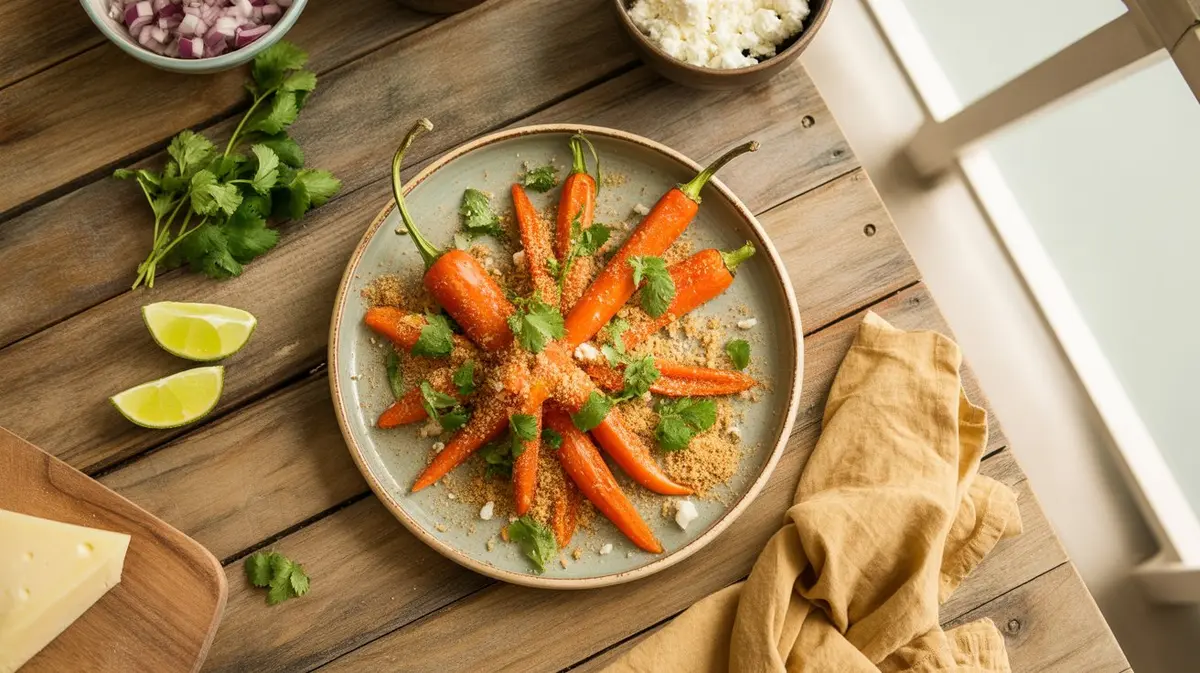
The Bulgarian Carrot's fruity heat makes it more flexible than its SHU range might suggest. Fresh, it adds brightness and a citrus-adjacent note to salsas and relishes - it won't disappear behind tomatoes the way milder peppers can.
Pickling is where this pepper particularly shines. The firm flesh holds its texture well in brine, and the fruity character intensifies rather than disappearing. Fermented Bulgarian Carrot hot sauce has developed a following among home fermenters for exactly this reason.
For cooking, the pepper works well in stir-fries, roasted vegetable dishes, and egg preparations. The heat level sits close to the warm, fruity burn of Peruvian-origin peppers like aji amarillo, making it a reasonable stand-in when that citrusy heat profile is what you're after.
Dried Bulgarian Carrot pepper has a different character - the fruitiness concentrates, and it develops some of the complexity you'd find in peppers prized for their rich culinary depth in Middle Eastern cooking. Grind it into a powder for seasoning blends or use whole dried pods in braised dishes.
Seeds and inner membrane carry the most capsaicin. Removing them drops the heat significantly while preserving most of the flavor.
Where to Buy Bulgarian Carrot Pepper & How to Store
Fresh Bulgarian Carrot Peppers appear occasionally at farmers markets and specialty grocers during late summer, but they're far more common as seeds than as produce. Most people grow their own.
When selecting fresh fruit, look for firm flesh and fully developed orange color - pale or greenish fruit hasn't developed its characteristic flavor yet.
Fresh peppers keep 1-2 weeks refrigerated in a paper bag or unsealed container. For longer storage, roasting and freezing preserves both heat and flavor well. Drying is equally effective - a food dehydrator at 135°F for 8-12 hours produces shelf-stable dried pods. Seeds from ripe fruit remain viable for 3-5 years when stored cool and dry.
Best Bulgarian Carrot Pepper Substitutes & Alternatives
Whether you ran out of bulgarian carrot pepper or just want to try something different, these peppers make solid stand-ins. We picked them based on heat range, flavor overlap, and how well they actually work in the same dishes.
Our top pick: Lemon Drop (15K–30K SHU). The heat level is close enough for a direct swap in salsas, sauces, and stir-fries. Flavor leans citrusy and bright, so the taste will shift a bit — but the overall heat stays in the same range.
How to Grow Bulgarian Carrot Peppers
Bulgarian Carrot Pepper is a reliable producer and a good choice for growers who want both ornamental impact and actual yield. Plants stay relatively compact - typically 18-24 inches tall - making them manageable in containers or raised beds.
Start seeds indoors 8-10 weeks before last frost. Germination is straightforward at 75-85°F soil temperature; a heat mat helps considerably. For a detailed indoor-starting process, the step-by-step guidance for starting peppers indoors covers the fundamentals that apply here.
Transplant after all frost risk has passed and nights stay above 55°F. Bulgarian Carrot peppers fruit best in full sun with consistent moisture, though mild drought stress during the fruiting phase can push heat levels higher - a useful tool if you want hotter fruit.
Days to maturity run approximately 70-80 days from transplant to ripe orange fruit. Green fruits are edible but lack the fruity character that develops with full ripening.
Plants are heavy producers. Expect multiple flushes of fruit through the season. In hot climates, afternoon shade can prevent blossom drop during peak summer heat - the same challenge that affects growing high-heat varieties like Carolina Reaper, though the Bulgarian Carrot is considerably more forgiving.
Frequently Asked Questions
-
Yes - it originates from Bulgaria, where pepper cultivation has a long regional history. It arrived in North American seed catalogs during the 1980s through seed-saving communities and immigrant networks, and has since become a popular heirloom variety.
-
At 5,000-30,000 SHU, it ranges from roughly equal to a jalapeño at the low end to about 6 times hotter at its peak. The upper range puts individual fruits close to a thin-walled, intensely hot dried chile in terms of burn intensity.
-
Green fruits are edible but significantly less flavorful - the fruity, citrusy character that defines this pepper develops only as it ripens to orange or red. Waiting for full color is worth it both for flavor and for maximum Vitamin A content.
-
Pickling and fermentation are the most popular options, as the firm flesh holds up well and the fruity flavor intensifies in brine. Drying is equally effective - dehydrated pods can be ground into powder or rehydrated for sauces.
-
Yes - their compact size (18-24 inches tall) makes them well-suited to large containers or raised beds. They're productive plants that also serve as ornamentals when loaded with bright orange fruit, which makes them popular for patio growing.
- Baker Creek Heirloom Seeds - Bulgarian Carrot Pepper
- Chile Pepper Institute, New Mexico State University
- USDA FoodData Central - Sweet and Hot Peppers
Species classification: Capsicum annuum — based on published botanical taxonomy.