
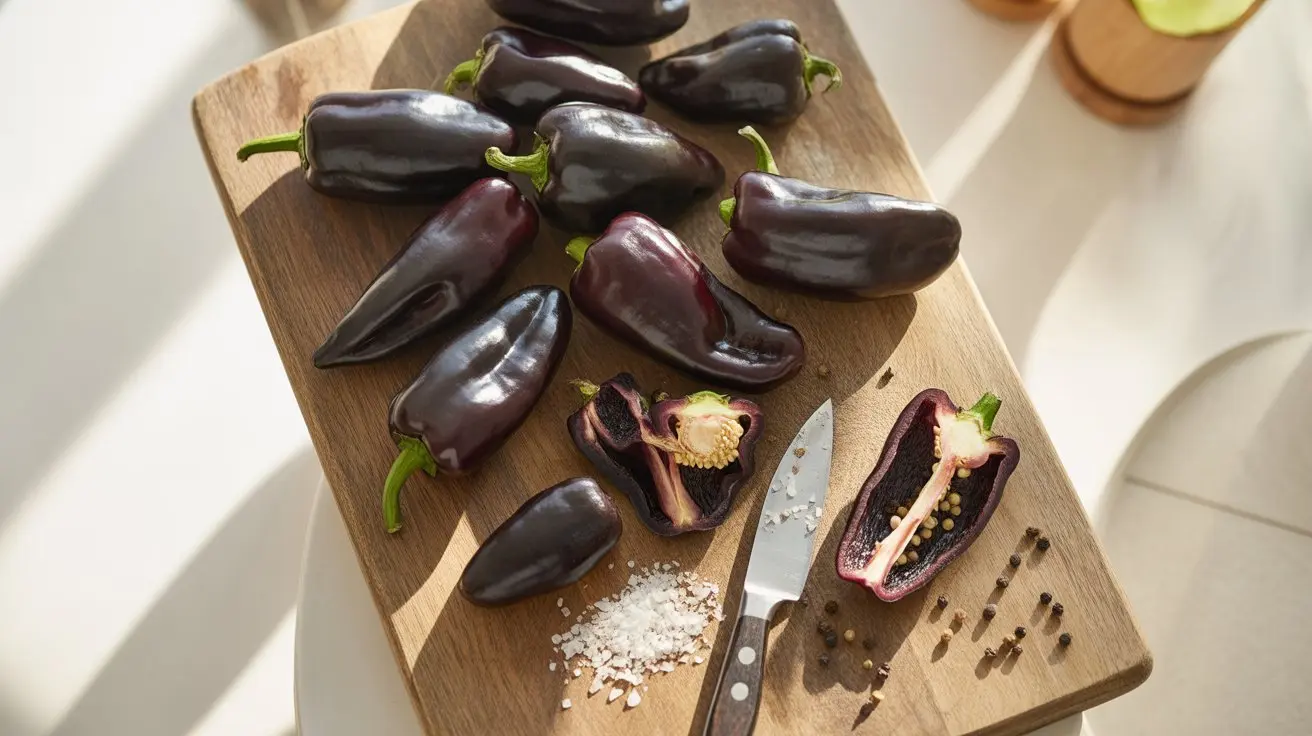
Black Pearl Pepper

The Black Pearl Pepper is a striking ornamental-edible C. annuum variety developed in the USA, producing clusters of small, round, jet-black fruits that ripen to deep red. At 10,000–30,000 SHU, it sits in the peppers with genuine kick range — roughly 6 times hotter than a jalapeño. Gorgeous in the garden, functional in the kitchen.
- Species: C. annuum
- Heat tier: Hot (10K–100K SHU)
- Comparison: 6x hotter than a jalapeño
What is Black Pearl Pepper?
Few peppers earn their place in the garden on looks alone, but the Black Pearl makes a compelling case. Bred as an ornamental variety and introduced by Ball Horticultural Company, it won an All-America Selections award in 2006 — a recognition that validated both its visual impact and garden performance.
The plant itself is a showpiece. Deep purple-black foliage sets off clusters of small, round fruits that start glossy black and ripen through red as the season progresses. At peak production, a single plant carries fruits in multiple color stages simultaneously, creating a dramatic contrast against the dark leaves.
Heat sits at 10,000–30,000 SHU on the Scoville rating scale — call it roughly half the ceiling of a serrano on a moderate day. The flavor beneath the heat is mild and crisp, without the fruity or smoky complexity you'd get from a habanero or chipotle. What you get is clean, direct heat.
As a C. annuum species member, it shares the same botanical family as bell peppers and cayennes — which means it's reasonably approachable to grow and crosses readily with other annuums if you're not careful about isolation.
Think of it as the pepper that earns its place in the landscape and then surprises you with actual heat when you finally taste one.
History & Origin of Black Pearl Pepper
The Black Pearl is a modern American creation, developed by Ball Horticultural Company and released around 2006. Its All-America Selections designation that year marked it as one of the standout new introductions for home gardeners — a rare achievement for a pepper variety.
Unlike many peppers in the American pepper tradition that carry centuries of indigenous cultivation behind them, Black Pearl was purpose-bred for ornamental impact. The goal was a plant that could hold its own in a flower border while still producing edible fruit.
The combination of black foliage, black fruit clusters, and genuine heat was intentional — breeders wanted something that looked exotic without requiring exotic growing conditions. That calculation paid off, and Black Pearl became one of the more recognizable ornamental pepper varieties in North American gardening.
How Hot is Black Pearl Pepper? Heat Level & Flavor
The Black Pearl Pepper delivers 10K–30K Scoville Heat Units, placing it in the Hot tier (10K–100K SHU). That makes it roughly 6x hotter than a jalapeño.
Flavor notes: mild and crisp.
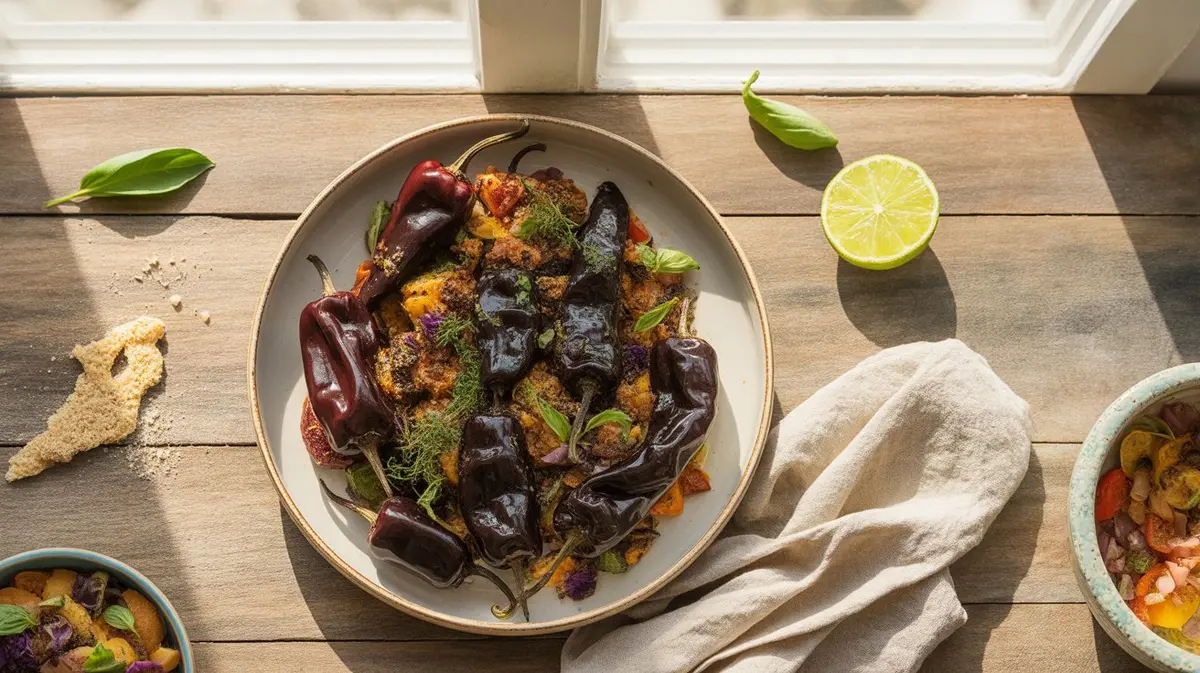
Black Pearl Pepper Nutrition Facts & Health Benefits
Like most C. annuum peppers, Black Pearl fruits are low in calories and provide a useful dose of vitamin C — particularly in ripe red-stage fruits, which contain significantly more than immature black ones. Capsaicin, the compound responsible for heat in the 10,000–30,000 SHU range, has been studied for its role in metabolism and pain response. Understanding how capsaicin interacts with heat receptors helps explain why the burn feels different at different concentrations. Small fruits mean smaller portions per use, so nutritional contribution per serving is modest but real.
Best Ways to Cook with Black Pearl Peppers
Shakshuka with Black Pearl peppers is worth making at least once — the heat integrates cleanly into the tomato base, and a handful of ripe red fruits adds both color and a serrano-level kick without muddying the flavor.
The mild, crisp flavor profile means Black Pearl works best where you want heat without a lot of competing pepper character. Pickling is a natural fit; the small round fruits hold their shape well in brine, and the technique works much like making pickled jalapeños at home — just expect a sharper result.
Ripe red fruits carry more sweetness than the immature black ones, so timing your harvest matters depending on what you're cooking. For salsas and fresh preparations, red-stage fruits give you a slightly rounder flavor. For infused oils or dried chile flakes, the black-stage fruits work fine.
Compared to something like the tangy, sun-dried warmth of an Aleppo-style dried pepper at a similar SHU ceiling, Black Pearl is less complex but more flexible across applications. It's a workhorse heat source that happens to look beautiful on the plant.
Dried and ground, the fruits make a decent chile powder with straightforward heat. Use sparingly — 10,000–30,000 SHU concentrates significantly when dried.
Where to Buy Black Pearl Pepper & How to Store
Black Pearl is rarely found fresh in grocery stores — this is primarily a grow-your-own or farmers market variety. Seeds are widely available from specialty seed retailers including Baker Creek and Burpee.
If you do find fresh fruits, store them unwashed in the refrigerator for up to 1–2 weeks. Ripe red fruits deteriorate faster than the firmer black-stage ones. For longer storage, drying works well — spread fruits on a rack in a warm, well-ventilated space or use a dehydrator at 135°F until fully dry. Dried fruits keep for up to a year in an airtight container away from light.
Best Black Pearl Pepper Substitutes & Alternatives
Whether you ran out of black pearl pepper or just want to try something different, these peppers make solid stand-ins. We picked them based on heat range, flavor overlap, and how well they actually work in the same dishes.
Our top pick: Lemon Drop (15K–30K SHU). The heat level is close enough for a direct swap in salsas, sauces, and stir-fries. Flavor leans citrusy and bright, so the taste will shift a bit — but the overall heat stays in the same range.
How to Grow Black Pearl Peppers
Black Pearl is genuinely one of the easier ornamental peppers to grow, partly because its ornamental breeding prioritized plant health and vigor alongside appearance. Start seeds indoors 8–10 weeks before last frost — germination takes 10–21 days at soil temperatures around 80–85°F. A heat mat makes a real difference here.
Transplant outdoors after all frost risk has passed. The plant thrives in full sun and reaches 18–24 inches in height with a similar spread, making it compact enough for container growing. A 3-gallon pot works; a 5-gallon gives more root room and typically produces heavier fruit loads.
For a complete step-by-step germination walkthrough, the fundamentals apply here as they do for most annuums. Black Pearl is slightly more forgiving of heat and moderate drought than some thin-walled varieties, but consistent moisture during fruit set prevents blossom drop.
The dark foliage can make it harder to spot pests — check leaf undersides for aphids regularly. Fertilize with a balanced formula until flowering begins, then switch to a lower-nitrogen option to encourage fruit production over foliage.
Growers interested in how Black Pearl's container adaptability compares to similarly sized ornamental types with three-lobed fruit shapes will find Black Pearl generally easier to manage in tight spaces. It's a strong performer even for first-season pepper growers.
Frequently Asked Questions
-
They are fully edible at any color stage, from immature black through ripe red. The heat sits at 10,000–30,000 SHU, so treat them like a firm serrano rather than a decorative garnish.
-
You can harvest at the black stage for a crisper, sharper heat, or wait for full red ripeness for slightly more sweetness. Most plants carry both stages simultaneously, so harvest based on your intended use.
-
It runs hotter than most ornamentals — 10,000–30,000 SHU puts it in the same bracket as a moderately hot dried Mexican chile with thin walls rather than the mild ornamentals sold purely for color. That heat is real and functional in cooking.
-
Yes, and it performs well in containers — a 5-gallon pot with full sun and consistent watering produces a full, productive plant. The compact 18–24 inch size makes it one of the better pepper choices for patio growing.
-
That dark pigmentation is a defining feature of the variety, caused by anthocyanins — the same pigments found in purple basil and red cabbage. It's not a sign of stress; it's exactly what the plant is supposed to look like.
- All-America Selections: Black Pearl Pepper Winner 2006
- Chile Pepper Institute — Capsicum Species Overview
- Baker Creek Heirloom Seeds — Black Pearl Pepper
Species classification: C. annuum — based on published botanical taxonomy.
