Anaheim Pepper

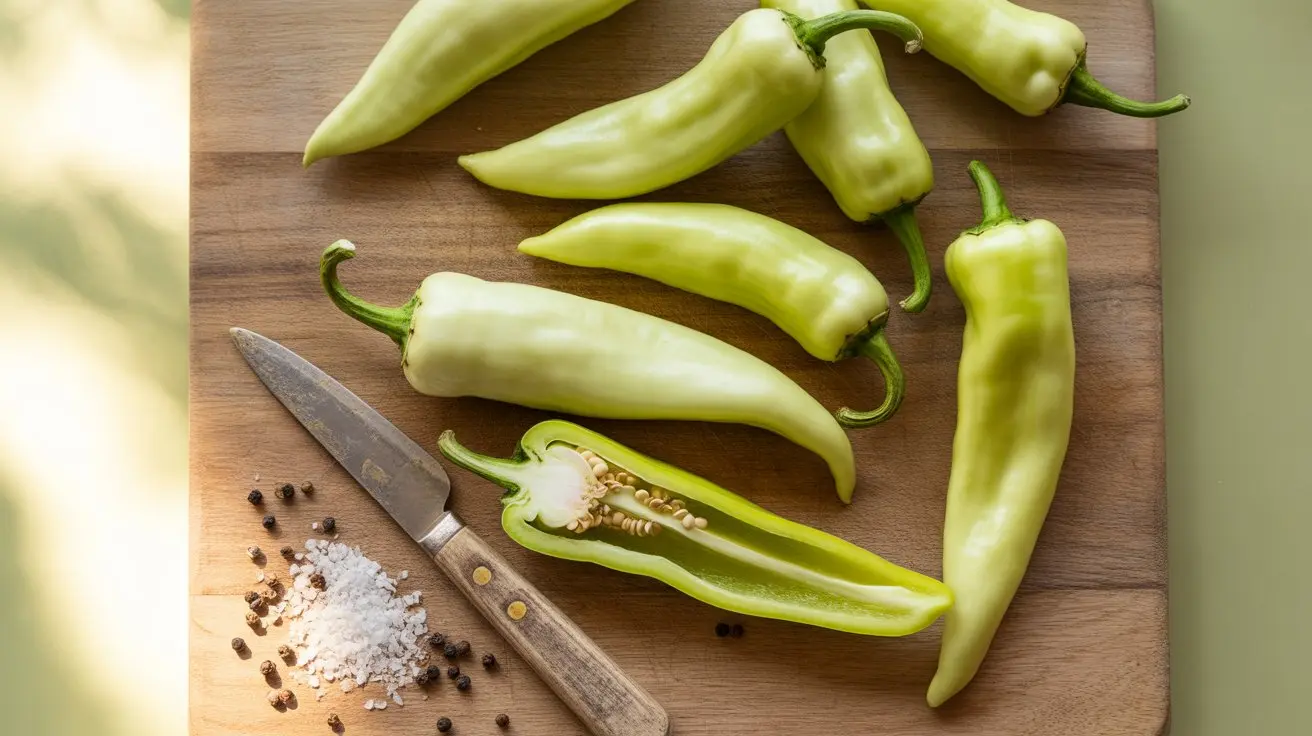
The Anaheim pepper is a mild, elongated C. annuum variety from California, ranging 500–2,500 SHU. Its sweet, slightly earthy flavor makes it one of the most flexible chiles in American kitchens — roasted, stuffed, or blended into sauces. If you want chile flavor without serious heat, this is your starting point.
- Species: C. annuum
- Heat tier: Medium (1K–10K SHU)
What is Anaheim Pepper?
At 500–2,500 SHU, the Anaheim sits at the gentler end of the medium heat peppers category — closer to a bell pepper in burn than anything that'll make you reach for milk. What it lacks in fire it compensates for with flavor: a clean, mildly sweet taste with subtle earthiness that gets considerably more complex when roasted.
The pods grow 6–10 inches long, tapering to a blunt tip, with thick walls that hold up beautifully under heat. Skin color runs from bright green when unripe to deep red at full maturity. Both stages are edible and used in cooking, though the green form dominates American grocery shelves.
As part of the C. annuum species, the Anaheim shares botanical roots with jalapeños, bells, and poblanos. Its thin skin and high water content make it ideal for roasting and peeling — a technique that transforms the pepper's flavor profile entirely, adding smokiness and concentrating sweetness.
For cooks new to fresh chiles, the Anaheim is a reliable entry point. The heat is approachable enough that most people can eat it freely, yet the flavor is assertive enough to anchor a dish. Compare it to the smoky depth of dried chipotle and you start to understand how dramatically preparation method shapes a pepper's character.
History & Origin of Anaheim Pepper
The Anaheim traces directly to New Mexico, not California. Emilio Ortega, a farmer, brought New Mexico No. 9 chile seeds to Anaheim, California around 1900, establishing the commercial growing operations that gave the pepper its current name.
New Mexico remains the larger producer today — the same variety grown there is typically called a Hatch chile or New Mexico chile, especially when grown in the Hatch Valley. The distinction is more geographic than botanical.
This pepper belongs to the broader American pepper growing tradition, where mild chiles became central to Southwestern cuisine. Canned green chiles — ubiquitous in American pantries — are almost exclusively Anaheims. The variety's commercial success helped establish the chile pepper as a mainstream ingredient outside of Mexican and Southwestern communities.
How Hot is Anaheim Pepper? Heat Level & Flavor
The Anaheim Pepper delivers 500–3K Scoville Heat Units, placing it in the Medium tier (1K–10K SHU).
Flavor notes: mild and sweet.
Anaheim Pepper Nutrition Facts & Health Benefits
One medium Anaheim pepper (approximately 100g) provides roughly 18–20 calories, making it one of the lower-calorie fresh chiles available. It delivers a meaningful dose of vitamin C — often exceeding 100% of the daily recommended value — along with vitamin A, potassium, and dietary fiber.
The capsaicin content is low given the 500–2,500 SHU range, but even at these levels, capsaicin contributes mild anti-inflammatory effects. The pepper's high water content (over 90%) keeps calorie density minimal while supporting hydration. Red-ripe Anaheims contain more antioxidants than green ones.
Best Ways to Cook with Anaheim Peppers
Roasting is where the Anaheim truly earns its reputation. Charring the skin over an open flame or under a broiler softens the flesh, loosens the papery skin for easy peeling, and deepens the flavor considerably. Follow a solid roasting technique and the result is a flexible base for sauces, soups, and fillings.
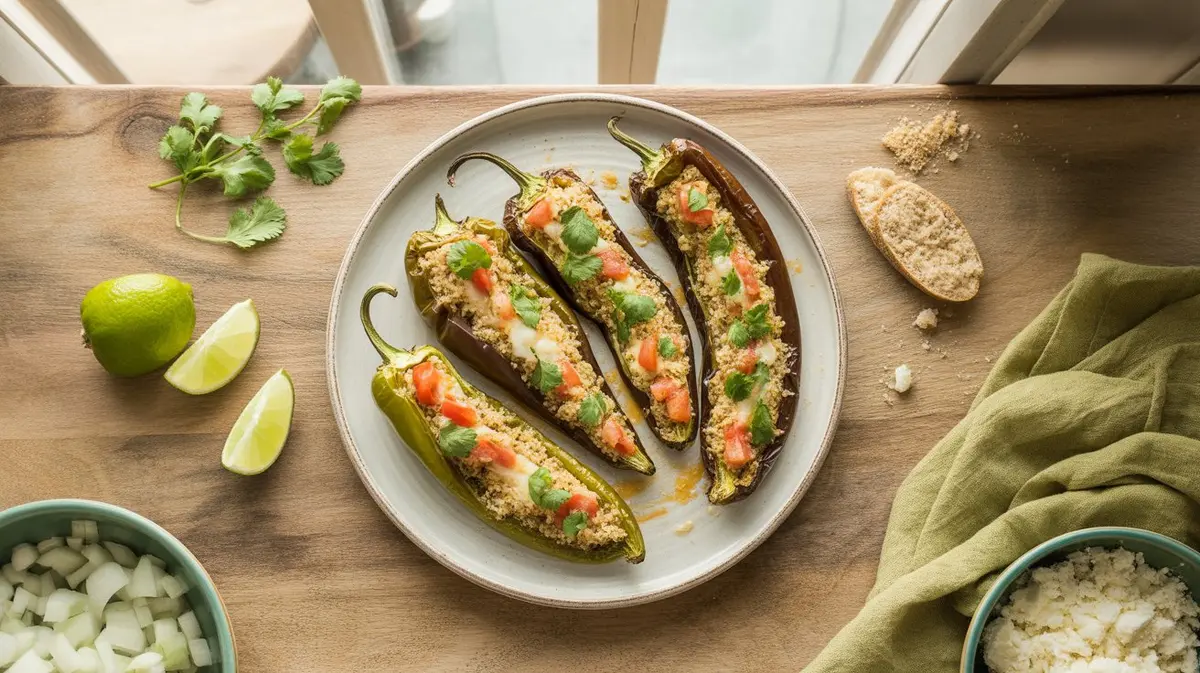
Chile rellenos — stuffed and battered chiles — are the classic application. The Anaheim's thick walls and manageable size make it structurally ideal. Stuff with cheese, meat, or beans, then fry or bake. The mild heat means the filling flavors dominate rather than the pepper itself.
In green chile sauce, Anaheims form the backbone. Roasted, peeled, and blended with garlic, onion, and stock, they produce the sauce that blankets enchiladas, smothers burritos, and elevates scrambled eggs across the American Southwest.
Raw, the pepper works well in salsas where you want body and mild chile flavor without heat. Thin strips add crunch to tacos and grain bowls. For longer-term storage, freezing roasted Anaheims is practical — they retain flavor well and eliminate the peeling step later.
Compared to the fruity sharpness of a Fresno, Anaheims are notably sweeter and less assertive — a different tool for a different job.
Where to Buy Anaheim Pepper & How to Store
Fresh Anaheims are widely available in American grocery stores year-round, typically in the produce section near bell peppers. Look for firm, glossy pods without soft spots or wrinkling. Length doesn't indicate quality — choose based on skin condition.
Refrigerate unwashed in a plastic bag for up to two weeks. Roasted and peeled Anaheims keep in the refrigerator for 4–5 days in an airtight container, or freeze for up to 6 months. Canned green chiles (usually Anaheims) are a shelf-stable alternative with comparable flavor for cooked applications.
Best Anaheim Pepper Substitutes & Alternatives
Whether you ran out of anaheim pepper or just want to try something different, these peppers make solid stand-ins. We picked them based on heat range, flavor overlap, and how well they actually work in the same dishes.
Our top pick: Pasilla Pepper (1K–3K SHU). Same species (C. annuum) and nearly the same heat, so it swaps in at a 1:1 ratio without changing the character of the dish. The flavor leans earthy and rich, which is close enough that most people won’t notice the difference in a cooked recipe.
How to Grow Anaheim Peppers
Anaheims are among the more forgiving chiles to grow, though they still need warm conditions to produce well. Start seeds indoors 8–10 weeks before last frost. Germination is reliable at soil temperatures between 75–85°F.
Transplant outdoors after all frost risk has passed, spacing plants 18–24 inches apart. They prefer full sun and well-drained soil with consistent moisture. Unlike some of the cultivation-demanding varieties in the medium heat tier, Anaheims don't require particularly rich soil — moderate fertility is sufficient.
Plants reach 24–36 inches tall and begin producing pods around 75–80 days after transplant. Green pods are ready to harvest when they reach full size; leave them longer for red-ripe fruit. Regular harvesting encourages continued production.
The variety performs well across USDA zones 5–11 as an annual. In containers, use at least a 5-gallon pot. Aphids and pepper weevils are the main pest concerns — inspect undersides of leaves regularly. For anyone starting from seed for the first time, a comprehensive seed-starting and transplant guide is worth reading before you begin.
Frequently Asked Questions
-
Anaheims range 500–2,500 SHU, while jalapeños typically register 2,500–8,000 SHU — meaning a jalapeño can be several times hotter than an Anaheim at its peak. Most people find Anaheims mild enough to eat in large quantities without discomfort, which is why they work so well as stuffed chiles.
-
Botanically, they are the same variety — both descend from New Mexico No. 9 stock. The distinction is geographic: peppers grown in New Mexico's Hatch Valley are marketed as Hatch chiles, while those grown in California retain the Anaheim name.
-
Yes — raw Anaheims have a crisp texture and mild, slightly grassy sweetness that works well in salsas, salads, and fresh sauces. Roasting dramatically changes the flavor profile, adding smokiness and softening the flesh, so both preparations are valid depending on the application.
-
In most cases, yes — commercially canned green chiles sold in the United States are predominantly Anaheim or New Mexico-type peppers that have been roasted, peeled, and packed. They are a convenient substitute for fresh roasted Anaheims in cooked dishes.
-
Place whole pods directly over a gas flame or under a broiler, turning occasionally, until the skin is charred and blistered all over — typically 5–8 minutes. Transfer immediately to a sealed bag or covered bowl for 10–15 minutes, then the skin slips off easily with your fingers or a paper towel.
- Chile Pepper Institute - New Mexico State University
- USDA Agricultural Research Service - Capsicum
- University of California Cooperative Extension - Chile Peppers
- Ortega Foods History - Anaheim Chile Origins
- USDA FoodData Central - Green Chile Peppers
Species classification: C. annuum — based on published botanical taxonomy.