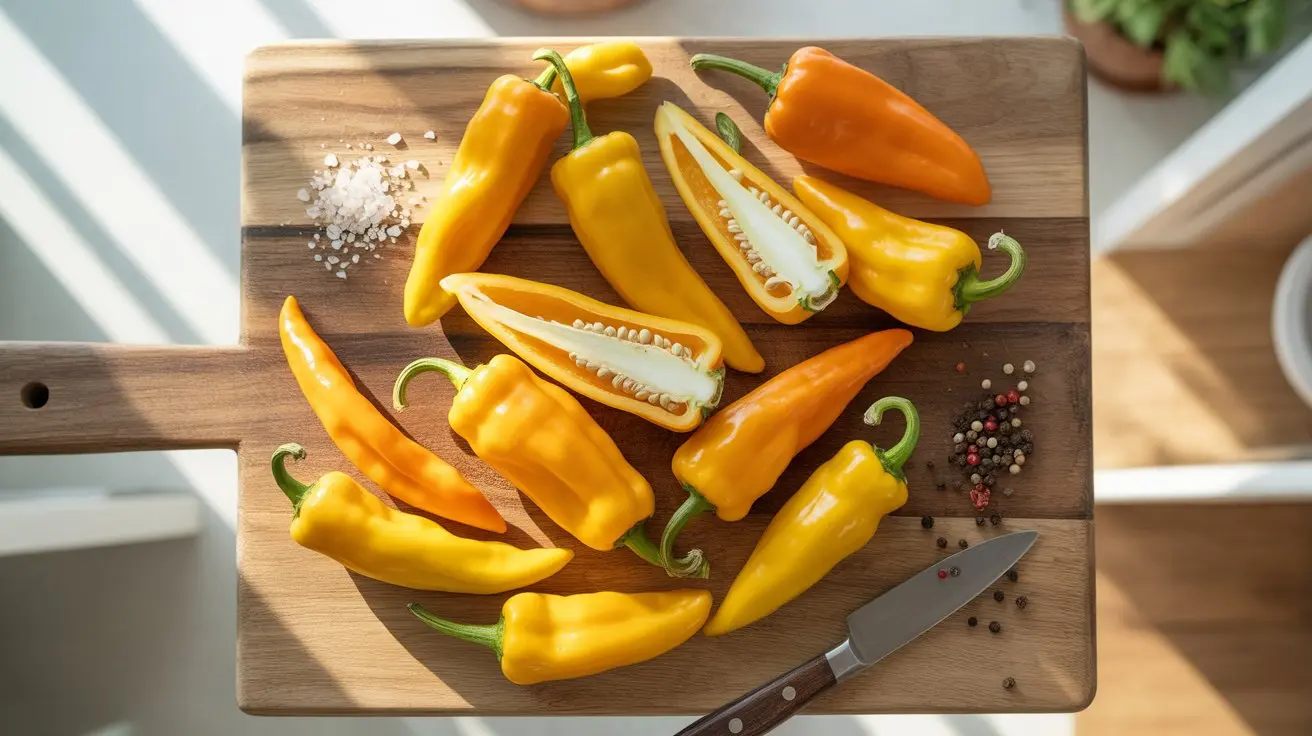
Aji Pineapple

Aji Pineapple is a Capsicum baccatum variety registering 20,000-30,000 SHU - roughly 6 times hotter than a typical jalapeño and comparable to tabasco sauce in heat intensity. It delivers bright, fruity notes alongside a clean, building burn. Gardeners prize it for productivity and ornamental appeal, while cooks reach for it when they want tropical fruit character with genuine heat.
- Species: Capsicum baccatum
- Heat tier: Hot (10K–100K SHU)
- Comparison: 6x hotter than a jalapeño
What is Aji Pineapple?
Before you even bite in, Aji Pineapple announces itself with a bright, citrus-forward aroma - something between ripe mango and fresh pineapple with a faint grassy undertone typical of Capsicum baccatum varieties. The taste follows through on that promise: sweet tropical fruit up front, then a clean, ascending heat that settles in the mid-palate and lingers without becoming overwhelming.
At 20,000-30,000 SHU, it sits in the same heat band as tabasco sauce, which gives you a useful frame of reference. The burn is real but manageable - hot enough to notice on every bite, not so hot that it dominates everything else on the plate. That balance between fruit and fire is exactly what makes baccatum peppers so useful in the kitchen.
The pepper falls squarely in the peppers with 10K-100K SHU intensity range, sharing that tier with some well-known workhorses. What distinguishes Aji Pineapple within that group is its flavor complexity - most peppers at this heat level lean savory or smoky, while this one pulls decidedly tropical.
For context, it runs noticeably hotter than a mild, sweet-fruited baccatum like Manzano's sensory profile suggests, but without crossing into the territory where heat starts masking flavor. The plant itself is vigorous and ornamental, producing clusters of small, colorful pods that ripen through yellow-gold stages.
History & Origin of Aji Pineapple
The origins of Aji Pineapple are not well-documented in the same way as older South American landraces. Capsicum baccatum as a species has deep roots in Bolivia and Peru, where it has been cultivated for thousands of years - archaeological evidence places baccatum domestication at roughly 6,500 years ago in the Andean region.
Aji Pineapple itself appears to be a more modern selection or cultivar developed to emphasize the naturally fruity flavor notes that baccatum peppers express. The 'Aji' prefix is common across South American pepper naming conventions, broadly meaning 'pepper' in Quechua-influenced Spanish.
While its precise breeding history is unclear, the variety has gained traction among specialty growers and seed savers in North America and Europe over the past two decades. It represents the broader trend of selecting baccatum varieties for distinct flavor profiles rather than heat alone - a contrast to the sharp, fiery heat of dried chilis with deep Mexican roots.
How Hot is Aji Pineapple? Heat Level & Flavor
The Aji Pineapple delivers 20K–30K Scoville Heat Units, placing it in the Hot tier (10K–100K SHU). That makes it roughly 6x hotter than a jalapeño.
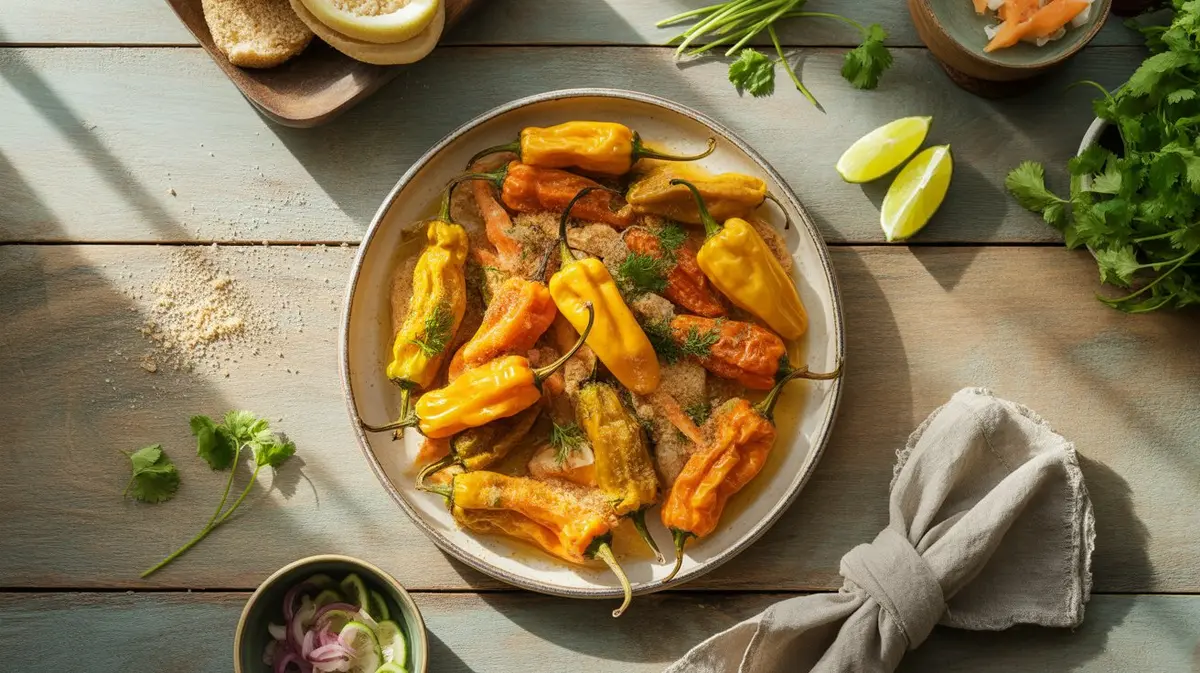
Aji Pineapple Nutrition Facts & Health Benefits
Like most hot peppers, Aji Pineapple delivers solid nutritional value relative to its small serving size. Fresh pods are a good source of vitamin C - baccatum varieties often run higher than bell peppers on a per-gram basis. They also provide vitamin A, vitamin B6, and small amounts of potassium and iron.
Capsaicin, the compound responsible for heat, has been studied for its interaction with pain receptors and why the burn feels the way it does. Beyond the burn, it may support metabolism and has demonstrated anti-inflammatory properties in research settings.
Fresh peppers are very low in calories - roughly 30-40 calories per 100g - with minimal fat and moderate dietary fiber.
Best Ways to Cook with Aji Pineapple Peppers
The tropical aroma carries directly into cooking. Aji Pineapple works exceptionally well in fresh salsas and fruit-based hot sauces where that pineapple-citrus character can stay front and center. Pair it with actual pineapple, mango, or papaya and the flavor compounds reinforce each other in a way that feels intentional rather than gimmicky.
Heat-wise, it sits close to the culinary range where lemon-bright baccatum varieties shine in ceviche and marinades - meaning it integrates well into acidic preparations without losing its identity. A few minced pods go a long way in vinaigrettes, fish tacos, or grilled shrimp.
For cooked applications, roasting concentrates the sweetness and softens the heat slightly. Aji Pineapple makes a compelling base for a tropical hot sauce - blend roasted pods with pineapple juice, white vinegar, garlic, and a touch of ginger. The result has genuine complexity.
It also works in recipes built around peppers with layered heat for chili blends when you want something brighter than a dried ancho or guajillo. Use it fresh rather than dried to preserve the volatile aromatic compounds that define its character. Seed removal drops the heat by roughly a third without sacrificing much flavor.
Where to Buy Aji Pineapple & How to Store
Fresh Aji Pineapple pods rarely appear in mainstream grocery stores. Your best options are specialty Latin markets, farmers markets with adventurous growers, or ordering directly from small-scale seed-to-table operations. Seeds are more widely available from reputable sources like Baker Creek Heirloom Seeds.
Fresh pods keep 1-2 weeks refrigerated in a paper bag or loosely wrapped. For longer storage, freeze whole pods after washing and drying - they hold flavor well for up to 6 months. Alternatively, roast and freeze in portions for easy use. Dried pods lose the characteristic tropical aroma, so fresh or frozen is strongly preferred for this variety.
Best Aji Pineapple Substitutes & Alternatives
Whether you ran out of aji pineapple or just want to try something different, these peppers make solid stand-ins. We picked them based on heat range, flavor overlap, and how well they actually work in the same dishes.
Our top pick: Lemon Drop (15K–30K SHU). The heat level is close enough for a direct swap in salsas, sauces, and stir-fries. Flavor leans citrusy and bright, so the taste will shift a bit — but the overall heat stays in the same range.
How to Grow Aji Pineapple Peppers
Capsicum baccatum varieties generally run longer from seed to harvest than C. annuum, and Aji Pineapple is no exception. Start seeds indoors 10-12 weeks before your last frost date. Germination is reliable at soil temperatures of 80-85°F - a heat mat makes a meaningful difference.
The plants grow tall and benefit from staking once they start setting fruit. Expect a bushy, productive plant that can reach 3-4 feet under good conditions. It performs well in containers if you go large enough - a 5-gallon minimum keeps roots happy through a full season.
Full sun is non-negotiable. Baccatum varieties need consistent warmth to produce well, and Aji Pineapple is no different. If you're troubleshooting a plant that's all leaves and no pods, the practical walkthrough for diagnosing why pepper plants stop fruiting covers the most common culprits - usually light, temperature, or inconsistent watering.
The species shares some cultivation characteristics with bell-shaped baccatums that thrive in warm, humid conditions, so growers in USDA zones 9-11 can treat it as a short-lived perennial. Elsewhere, maximize your season by transplanting only after soil has warmed to 65°F. Consistent moisture matters more than frequent fertilizing.
Frequently Asked Questions
-
Aji Pineapple registers 20,000-30,000 SHU, which puts it in roughly the same heat band as tabasco sauce at its upper range. The burn is real and sustained, but the fruity flavor stays present rather than being overwhelmed by capsaicin.
-
No botanical relationship exists - the name refers to the flavor profile, which genuinely resembles ripe pineapple and citrus. This character comes from volatile aromatic compounds in Capsicum baccatum varieties, not from any genetic connection to the fruit.
-
Yes, and it does reasonably well in pots provided you use at least a 5-gallon container and keep it in full sun. Container plants typically stay slightly smaller than in-ground specimens but produce well through the season with consistent watering.
-
Use the pods fresh or frozen rather than dried - drying degrades the volatile aromatic compounds that create the pineapple character. For cooked sauces, add fresh or thawed pods late in the process to preserve as much of that aroma as possible.
-
It sits at the hotter end of the baccatum flavor spectrum - compare it to the sharp citrus bite of Indian finger-type peppers at similar SHU levels and you see how much more tropical and sweet the baccatum character reads. Most baccatum varieties in this range have more fruity complexity than peppers from other species at equivalent heat.
- Chile Pepper Institute - Capsicum baccatum Species Overview
- Baker Creek Heirloom Seeds - Aji Pineapple
- USDA GRIN - Capsicum baccatum Accession Data
Species classification: Capsicum baccatum — based on published botanical taxonomy.