Aji Cristal

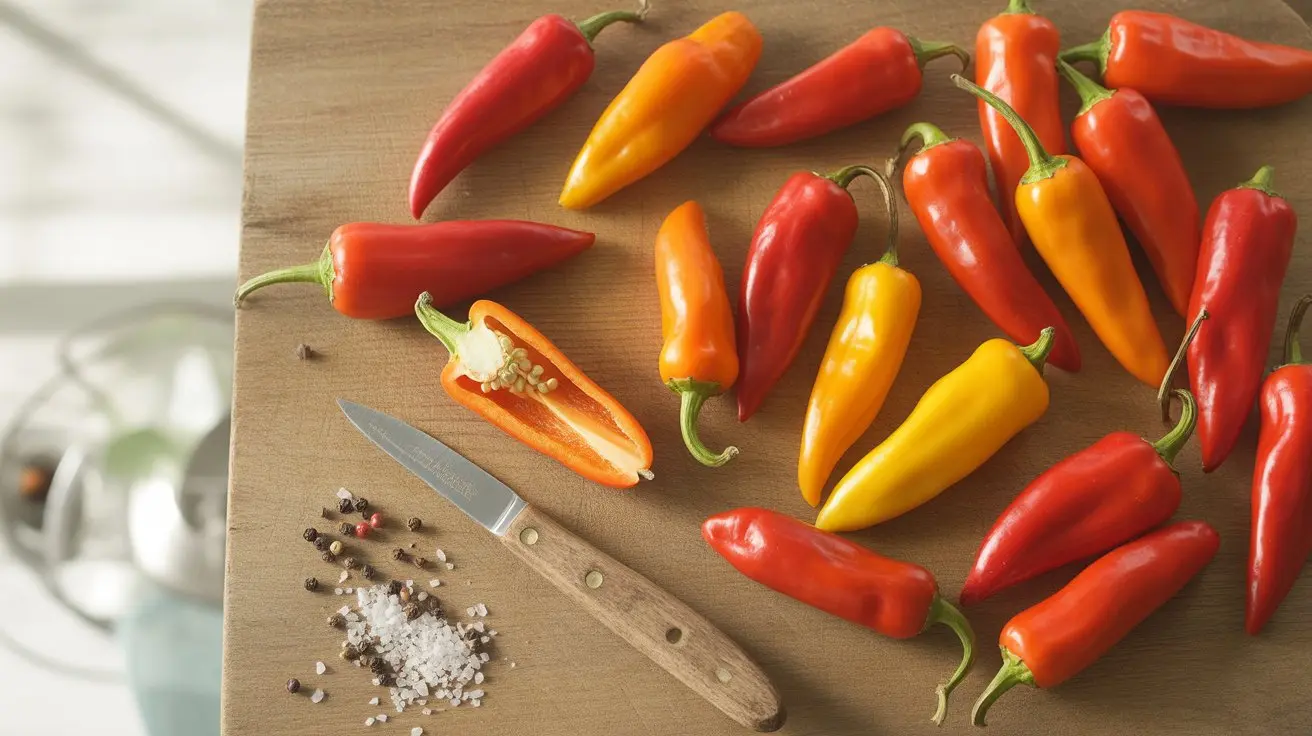
Aji Cristal is a C. baccatum pepper from Peru delivering 30,000–50,000 SHU of clean, fruity heat with a bright tangy finish. Roughly 10 times hotter than a jalapeño, it ripens from pale yellow-green to vivid orange-red. Its flavor complexity — citrus, stone fruit, and a crisp acidity — makes it a standout in South American cooking and beyond.
- Species: C. baccatum
- Heat tier: Hot (10K–100K SHU)
- Comparison: 10x hotter than a jalapeño
What is Aji Cristal?
The first time I bit into an aji cristal, I expected heat and got a conversation. The burn arrived second; what hit first was a burst of citrus and apricot, followed by that characteristic tangy snap that C. baccatum peppers are known for.
Aji Cristal sits at 30,000–50,000 SHU — right in the hot pepper range alongside peppers like cayenne and tabasco, but with a flavor profile those two simply don't match. The heat is clean and direct, building steadily without the lingering punishment of chinense varieties.
The pod itself is elongated and tapered, starting translucent pale green and moving through yellow into a deep orange-red at full maturity. That color progression earned it the "cristal" name — the unripe pods have an almost glassy, translucent appearance unlike most other aji types.
Peru's diverse microclimates shaped this pepper's character. The fruity and tangy flavor profile reflects the baccatum species' tendency toward bright, acidic notes rather than the floral or smoky qualities you find in other species. It pairs naturally with the ceviche tradition, where acidity is central.
At 10x the heat of a jalapeño, aji cristal demands respect, but it rewards cooks who work with it rather than around it. The flavor doesn't disappear behind the burn — it stays present and useful throughout the dish.
History & Origin of Aji Cristal
Aji Cristal traces its roots to Peru, where South American pepper cultivation stretches back thousands of years. The C. baccatum species was domesticated in the Andean region, with archaeological evidence suggesting cultivation as early as 2500 BCE.
Within Peru, aji peppers became foundational to regional cuisine long before Spanish contact. The baccatum species spread through Bolivia, Chile, and Argentina, adapting to different altitudes and growing conditions along the way.
Aji Cristal gained particular traction in Chilean markets despite its Peruvian origins — it is widely grown and consumed in Chile today, where it appears fresh, dried, and fermented. The name "cristal" likely refers to the glassy translucence of the unripe pod rather than any formal designation.
Outside South America, the pepper remained relatively obscure until specialty seed companies began importing it in the early 2000s, introducing it to North American and European growers drawn to its unusual flavor and manageable heat.
How Hot is Aji Cristal? Heat Level & Flavor
The Aji Cristal delivers 30K–50K Scoville Heat Units, placing it in the Hot tier (10K–100K SHU). That makes it roughly 10x hotter than a jalapeño.
Flavor notes: fruity and tangy.
Aji Cristal Nutrition Facts & Health Benefits
Like other hot peppers, aji cristal delivers meaningful nutrition alongside its heat. A 100g serving of fresh pods provides roughly 40 calories, with significant vitamin C — often exceeding 150% of the daily recommended value in ripe red pods.
The capsaicinoids responsible for the 30,000–50,000 SHU heat also carry documented anti-inflammatory properties, per research from the [Chile Pepper Institute at NMSU](https://cpi.nmsu.edu/).
Aji cristal also contributes vitamin A, potassium, and dietary fiber. The orange-red pigmentation at full ripeness indicates elevated carotenoid content, which functions as an antioxidant. As with most fresh chiles, it is low in fat and sodium.
Best Ways to Cook with Aji Cristal Peppers
Aji Cristal's fruity, tangy profile makes it one of the more flexible hot peppers at this heat level. The citrus and apricot notes stay present even when cooked, which means it adds dimension rather than just heat.
Fresh pods work beautifully in ceviches and aguachiles, where the pepper's natural acidity complements lime juice without overwhelming delicate seafood. Sliced thin and added raw to salsas, it contributes brightness similar to what you'd get from fruity orange and yellow baccatum heat — though aji cristal carries a sharper tang.
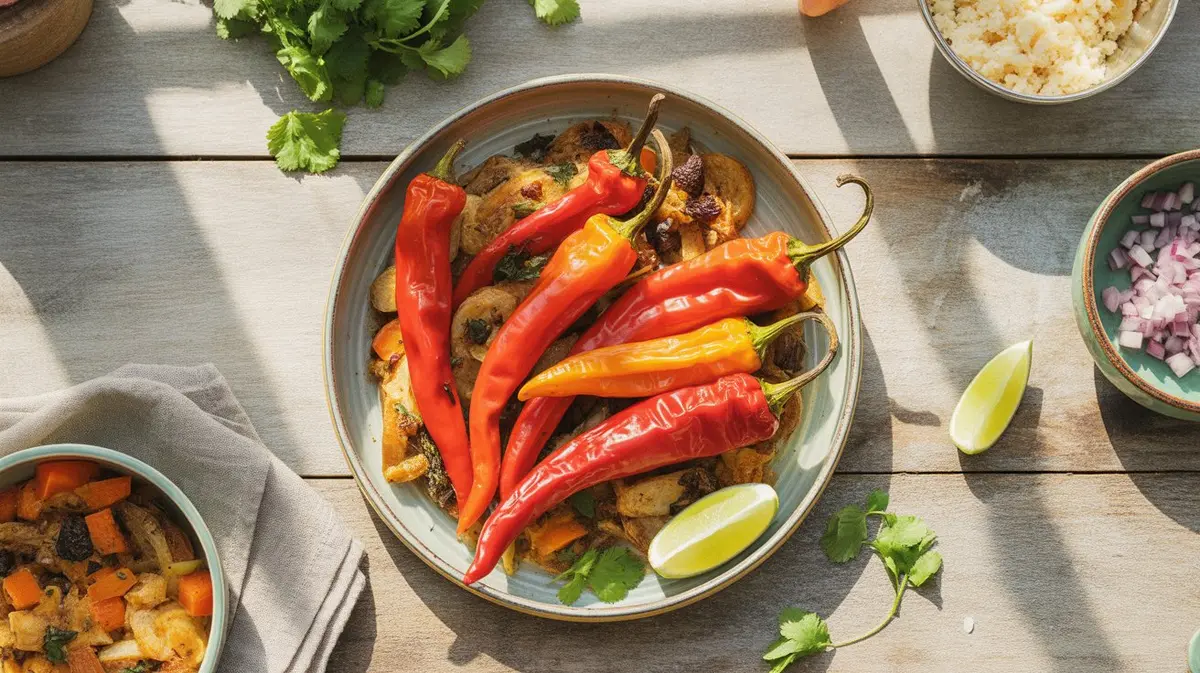
For cooked applications, roasting the pods deepens the stone fruit notes while softening the heat slightly. Blended into sauces, the pepper produces a vivid orange-red color and a complex, layered flavor. It works well in a from-scratch pico de gallo where you want heat with actual flavor behind it.
Dried aji cristal can be ground into a powder or rehydrated for sauces — the drying concentrates both the heat and the tangy fruit character. For a paste-style preparation, the approach used in homemade Thai chili paste adapts well to this pepper's texture and oil content.
Substituting for cayenne or tabasco works in most recipes, though expect more fruity complexity and slightly less raw fire.
Where to Buy Aji Cristal & How to Store
Fresh aji cristal pods are uncommon outside specialty Latin markets and farmers' markets in regions where they're grown. Online seed suppliers are the most reliable source for home growers.
When buying fresh, look for firm pods with smooth skin — avoid any with soft spots or wrinkling, which signals age. Pale yellow-green pods are milder; deep orange-red ones carry full heat and flavor.
Refrigerate fresh pods in a paper bag or unsealed container for up to 2 weeks. For longer storage, freeze whole pods after washing and drying — they hold well for 6 months and work fine in cooked applications. Dried or powdered aji cristal keeps for 1 year in an airtight container away from light and heat.
Best Aji Cristal Substitutes & Alternatives
Whether you ran out of aji cristal or just want to try something different, these peppers make solid stand-ins. We picked them based on heat range, flavor overlap, and how well they actually work in the same dishes.
Our top pick: Cayenne Pepper (30K–50K SHU). The heat level is close enough for a direct swap in salsas, sauces, and stir-fries. Flavor leans neutral and peppery, so the taste will shift a bit — but the overall heat stays in the same range.
How to Grow Aji Cristal Peppers
C. baccatum varieties like aji cristal are vigorous growers once established, but they need time — expect 90–100 days from transplant to ripe fruit. Start seeds indoors 10–12 weeks before last frost; baccatum seeds can be slower to germinate than annuum types, so bottom heat around 80–85°F helps.
These plants get tall. Aji cristal can reach 3–4 feet in a good season and benefits from staking once it starts setting fruit. Full sun and consistent moisture matter more than soil richness — overfertilizing with nitrogen produces lush foliage at the expense of pods.
For growers familiar with cayenne's straightforward cultivation traits, aji cristal requires a bit more patience but isn't dramatically harder. The main challenge is the long season; in short-summer climates, starting seeds early and using row cover to extend the season makes the difference.
Fruit ripens from pale translucent green through yellow to orange-red. Harvesting at any stage is fine — the flavor changes significantly as the pod colors up, with ripe red pods delivering the most complex fruitiness. Container growing works if you use at least a 5-gallon pot and keep up with watering during hot spells.
Frequently Asked Questions
-
Aji cristal ranges from 30,000–50,000 SHU, which puts it at roughly the same heat level as tabasco's sharp, vinegary burn — both sit in the same SHU bracket. The difference is flavor: aji cristal is fruitier and tangier, while tabasco reads sharper and more acidic.
-
The flavor profile is fruity and tangy — think citrus peel, apricot, and a crisp acidity that lingers after the heat fades. It is one of the more complex-tasting peppers at this hot pepper heat level, which is what makes it popular in ceviche and fresh sauces.
-
Yes — it swaps reasonably well for cayenne or de arbol's dry, woody heat in cooked sauces, though you will notice more fruity brightness in the finished dish. For raw applications like salsas, it also substitutes for manzano's thick-fleshed fruity heat at roughly a 1:1 ratio.
-
Aji cristal originates in Peru and belongs to the C. baccatum species, which was domesticated in the Andean region thousands of years ago. Despite its Peruvian roots, it became particularly popular in Chile, where it is widely grown and used fresh and dried.
-
The pale, glassy appearance of immature pods is a trait specific to this variety — it is actually what gave the pepper its name ("cristal" meaning crystal or glass in Spanish). As the pod ripens through yellow to orange-red, the skin becomes fully opaque and the flavor intensifies significantly.
- Chile Pepper Institute — New Mexico State University
- Perry, L. et al. — Starch fossils and the domestication and dispersal of chili peppers (Capsicum spp.) in the Americas
- USDA FoodData Central — Peppers, hot chili, raw
Species classification: C. baccatum — based on published botanical taxonomy.