Aji Colorado

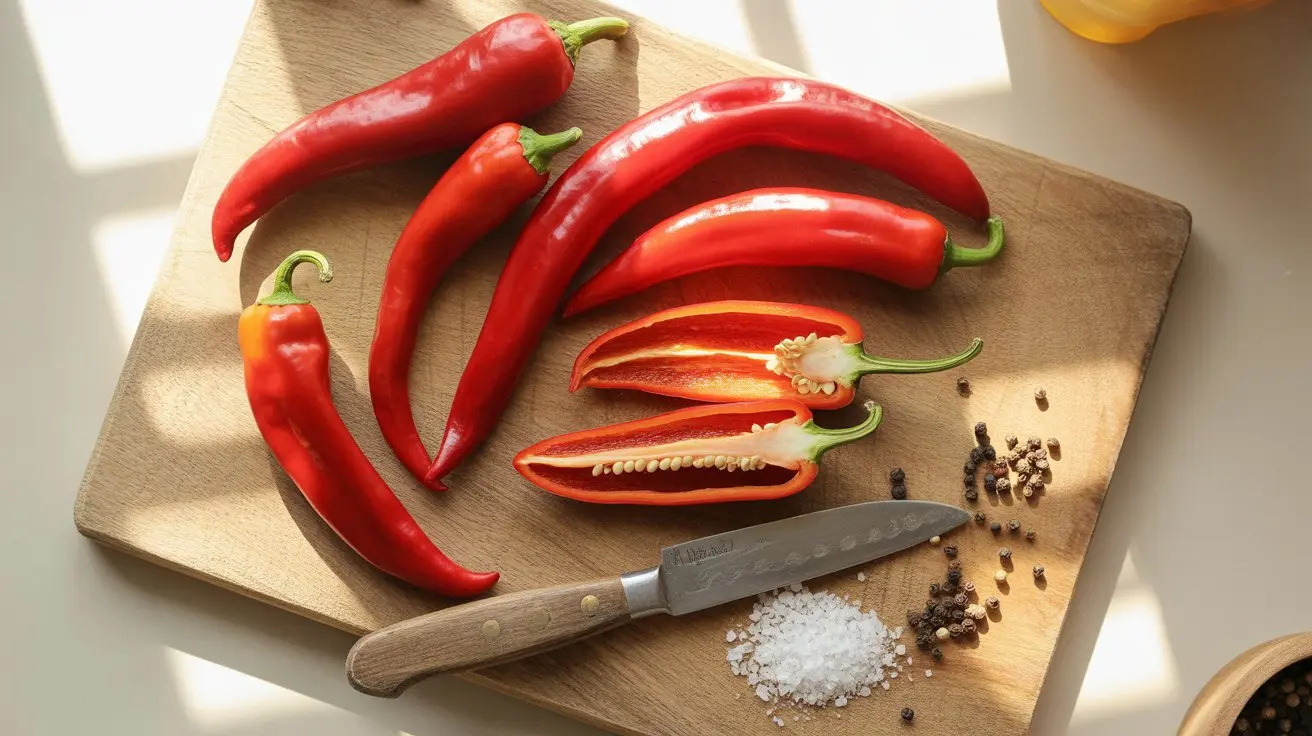
Aji Colorado is a Capsicum baccatum pepper sitting at 20,000-30,000 SHU - roughly half the punch of a serrano but with the bright, fruity character that defines the baccatum species. It thrives in warm climates and rewards patient growers with abundant harvests. Whether you're growing it for the first time or cooking with it regularly, this South American-style pepper earns its garden space.
- Species: Capsicum baccatum
- Heat tier: Hot (10K–100K SHU)
- Comparison: 6x hotter than a jalapeño
What is Aji Colorado?
The Aji Colorado occupies a satisfying middle ground in the hot pepper spectrum - enough heat to demand your attention, but not so much that it crowds out flavor. That first bite delivers a clean, building warmth that spreads across the palate rather than hitting like a wall. At 20,000-30,000 SHU, it sits comfortably in the 10K-100K intensity range alongside well-known varieties without being overshadowed by them.
As a Capsicum baccatum species, Aji Colorado shares its botanical lineage with other South American favorites - a group known for distinctive floral and fruity top notes layered beneath genuine heat. The baccatum family is one of the more rewarding species to grow, producing peppers that look ornamental on the plant and perform well in the kitchen.
The heat profile here is relatively clean. There's no immediate throat-scorching sensation; instead, the warmth builds gradually and lingers pleasantly. Compared to a serrano, which typically tops out around 23,000 SHU, the Aji Colorado sits in comparable territory but with a noticeably different flavor character - less grassy, more complex.
For growers, the appeal is real. Capsicum baccatum varieties tend to be productive plants that adapt reasonably well to container culture. Your garden gets visual interest throughout the season, and your kitchen gets a practical pepper that works across multiple cooking applications.
History & Origin of Aji Colorado
Capsicum baccatum peppers have deep roots in South American cultivation, with evidence of domestication stretching back thousands of years across the Andean region. The broader aji family - of which Aji Colorado is a member - represents one of the five domesticated pepper species and was a cornerstone of pre-Columbian diets from Peru to Bolivia.
The specific origins of the Aji Colorado variety are less documented than some of its baccatum cousins, but the name itself ('colorado' meaning red or colored in Spanish) suggests it was named by Spanish-speaking cultivators who noted its mature color. The baccatum species traveled through trade routes that connected Andean communities long before European contact.
Today, practical guidance on peppers for chili often includes baccatum varieties for their balanced heat and complexity. The Aji Colorado remains a specialty find outside South America, though its presence in heirloom seed collections has grown steadily.
How Hot is Aji Colorado? Heat Level & Flavor
The Aji Colorado delivers 20K–30K Scoville Heat Units, placing it in the Hot tier (10K–100K SHU). That makes it roughly 6x hotter than a jalapeño.
Aji Colorado Nutrition Facts & Health Benefits
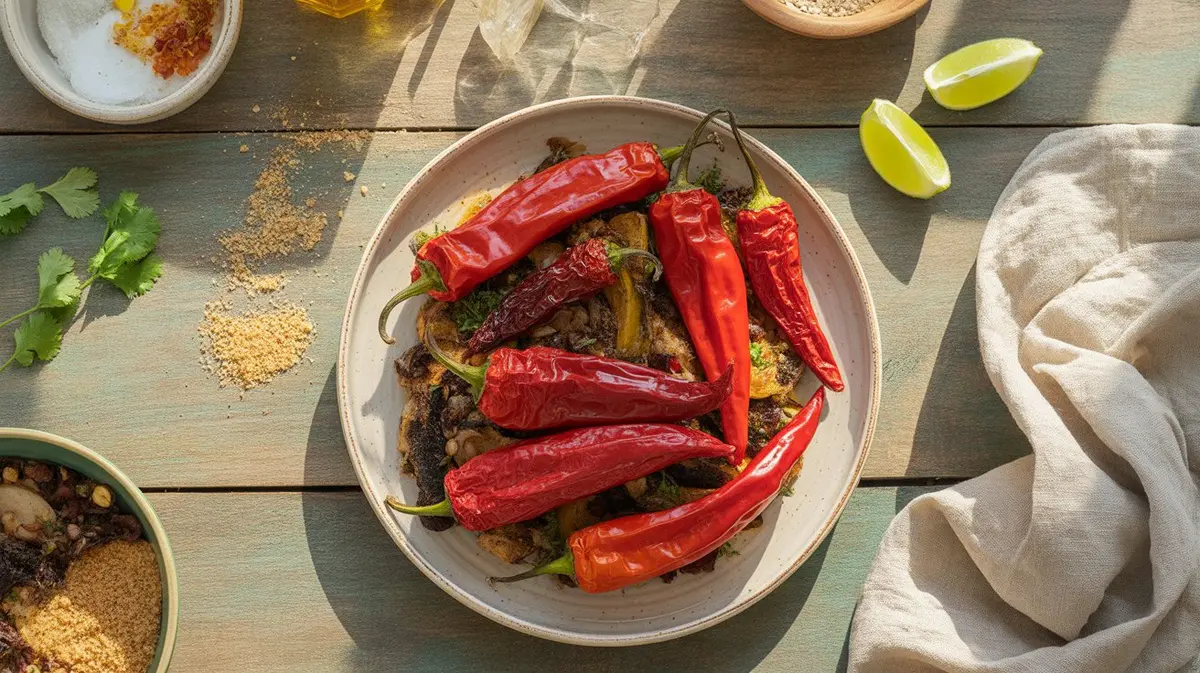
Like other hot peppers, Aji Colorado delivers solid nutritional value in small quantities. A 100g serving of fresh red pepper provides approximately 40 calories, with meaningful amounts of Vitamin C - often exceeding 100% of daily recommended intake in mature red specimens. The capsaicin responsible for that building warmth also triggers thermogenic responses in the body.
Capsicum baccatum peppers are a source of antioxidants, particularly carotenoids that increase as the fruit ripens from green to red. They provide modest amounts of Vitamin B6, potassium, and dietary fiber. Dried forms concentrate these nutrients but also increase caloric density per gram.
Best Ways to Cook with Aji Colorado Peppers
Cooking with Aji Colorado rewards anyone willing to move past the supermarket pepper aisle. The heat is real - sitting close to where a serrano lands - but it comes packaged with the fruity, slightly tangy character that makes Capsicum baccatum peppers so useful in the kitchen.
Fresh pods work well in salsas and hot sauces where you want genuine heat without sacrificing flavor complexity. Roasting concentrates the sweetness and softens the heat slightly, making roasted Aji Colorado an excellent base for marinades or blended into compound butter.
Dried and ground, the pepper becomes a flexible spice that bridges the gap between everyday chili powder and specialty ingredients. The dried form holds well and can substitute in recipes calling for the mild-to-moderate bite of similar Syrian-origin dried peppers or other medium-heat ground chiles.
For heat comparison context, the Aji Colorado runs notably hotter than a poblano but sits below a cayenne. Dishes that call for the distinctive three-lobed shape and variable heat of certain Hungarian-influenced peppers can often use Aji Colorado as a direct fresh substitute with minimal adjustment. It performs particularly well in braised dishes, pickled preparations, and anywhere you want sustained warmth rather than instant fire.
Where to Buy Aji Colorado & How to Store
Fresh Aji Colorado is a specialty find outside South American markets - your best source is likely a farmers market vendor growing heirloom varieties or a specialty grocer. Look for firm pods with tight, unblemished skin and a consistent red color.
Fresh peppers keep 1-2 weeks refrigerated in a paper bag (not sealed plastic, which accelerates moisture buildup). For longer storage, roast and freeze them in portions or dry them whole. Dried pods stored in an airtight container away from light hold their potency for 12+ months. Seeds from ripe pods are viable for planting the following season.
Best Aji Colorado Substitutes & Alternatives
Whether you ran out of aji colorado or just want to try something different, these peppers make solid stand-ins. We picked them based on heat range, flavor overlap, and how well they actually work in the same dishes.
Our top pick: Lemon Drop (15K–30K SHU). The heat level is close enough for a direct swap in salsas, sauces, and stir-fries. Flavor leans citrusy and bright, so the taste will shift a bit — but the overall heat stays in the same range.
How to Grow Aji Colorado Peppers
Capsicum baccatum peppers have a reputation for being slightly more demanding than common annuum varieties - and the Aji Colorado is no exception. Start seeds indoors 10-12 weeks before your last frost date. Soil temperature should stay above 80°F for reliable germination; a seedling heat mat makes a measurable difference here.
Transplant outdoors only after nighttime temperatures hold consistently above 55°F. Baccatum plants are sensitive to cold snaps in ways that annuum varieties sometimes shrug off. Full sun is non-negotiable - aim for 8+ hours daily.
Plants typically reach 24-36 inches tall and benefit from staking once fruit load increases. Spacing of 18-24 inches between plants allows adequate airflow, which matters for disease prevention during humid stretches.
Soil should drain well but retain moisture. Consistent watering prevents blossom drop, which baccatum varieties can be prone to during heat stress. A balanced fertilizer early in the season, then a low-nitrogen formula once flowering begins, keeps plants productive rather than just leafy.
For anyone comparing cultivation approaches, the Aji Colorado requires more season length than the slender, thin-walled peppers prized in Indian cooking for their sharp sensory punch but is less cold-sensitive than the thick-walled Andean pepper with deep cultural roots in Mexican highland cooking. Expect 80-90 days from transplant to mature red fruit.
Frequently Asked Questions
-
At 20,000-30,000 SHU, the Aji Colorado is roughly 6 times hotter than a typical jalapeño (2,500-8,000 SHU). It sits in similar territory to a serrano, though the heat character feels different - more gradual and fruity rather than sharp and immediate.
-
No - 'aji' is a broad term used across South America for many Capsicum baccatum varieties, and Aji Colorado is a specific type distinguished by its mature red color and heat range. It is related to but distinct from Aji Amarillo (yellow, hotter) and the sharp citrus-toned heat of the Lemon Drop pepper.
-
Yes, though container growing requires a pot of at least 5 gallons to support the root system adequately. Baccatum varieties in containers need more frequent watering and feeding than in-ground plants, and you should expect slightly smaller yields.
-
For heat level, a serrano or the thin, bright-red dried chiles with an earthy, nutty character work reasonably well. For the baccatum flavor profile specifically, Aji Amarillo (with its higher heat) or the small, intensely flavored wild-type peppers in the hot tier offer different but compatible results.
-
Expect 80-90 days from transplant to fully mature red fruit. The peppers can be harvested green earlier in the season, though the characteristic flavor complexity develops fully only at red maturity.
- Chile Pepper Institute - Capsicum Species Overview
- USDA Agricultural Research Service - Capsicum baccatum
- University of California Cooperative Extension - Growing Peppers
Species classification: Capsicum baccatum — based on published botanical taxonomy.